

Commentary
Julia Choucair-Vizoso

REQUIRED IMAGE
In this Carnegie Paper, "Illusive Reform: Jordan's Stubborn Stability," Julia Choucair argues that Jordan's stability is best maintained through political reform. She contends that the United States and Europe, for short to medium-term reasons, have shied away from urging Jordan to undertake further reform, which would be in everyone's long-term interests.
Political reform is a priority for United States Middle East policy, and Jordan is often showcased as a model of a moderate pro-American Muslim country that is successfully democratizing. For two decades, the Jordanian monarchy has introduced positive reforms, such as legalizing political parties and modernizing its economy. Yet the impact on democratic change has been limited, with the reforms serving more to stabilize the regime amid severe regional and economic challenges.
Today, deteriorating conditions on Jordan’s borders, a lack of tangible economic success, and an unpopular foreign policy are emboldening an increasingly vocal Islamist opposition movement while simultaneously eroding the regime’s traditional support base. Jordan faces a critical choice: either to promote more meaningful democratic reform, or risk undermining many years of progress by limiting political freedoms.
In this Carnegie Paper, Illusive Reform: Jordan’s Stubborn Stability, Julia Choucair argues that Jordan’s stability is best maintained through political reform. She contends that the United States and Europe, for short to medium-term reasons, have shied away from urging Jordan to undertake further reform, which would be in everyone’s long-term interests.
Choucair urges the U.S. and Europe to press the Jordanian regime-- in both public and private statements and by leveraging economic aid -- to deepen formal and informal channels of communication and representation; and to acknowledge the demands of Jordanian activists by, for example, expanding legislative powers, adopting new press legislation, decreasing regulations on NGOs, and undertaking electoral reform.
Julia Choucair is an associate in the Democracy and Rule of Law Project and serves as deputy editor of Carnegie’s e-monthly, the Arab Reform Bulletin. Her research focuses on political reform trends in the Arab world, with attention to the state of debates over reform in Arab policy circles and the measures Arab states need to take to advance the overall process of reform.
Former Editor in Chief, Sada
Julia Choucair Vizoso is editor in chief of the online journal, Sada. Her research interests include Middle Eastern politics, authoritarianism, and identity politics.
Recent Work
Julia Choucair-Vizoso


Marina Ottaway, Julia Choucair-Vizoso, Michele Dunne, …
Carnegie does not take institutional positions on public policy issues; the views represented herein are those of the author(s) and do not necessarily reflect the views of Carnegie, its staff, or its trustees.

The books, podcasts, and films that explain the world it made.

Andrew Leber

U.S. trading partners in Asia are closely watching the dispute for signs of how it may affect their own interests.

Barbara Weisel
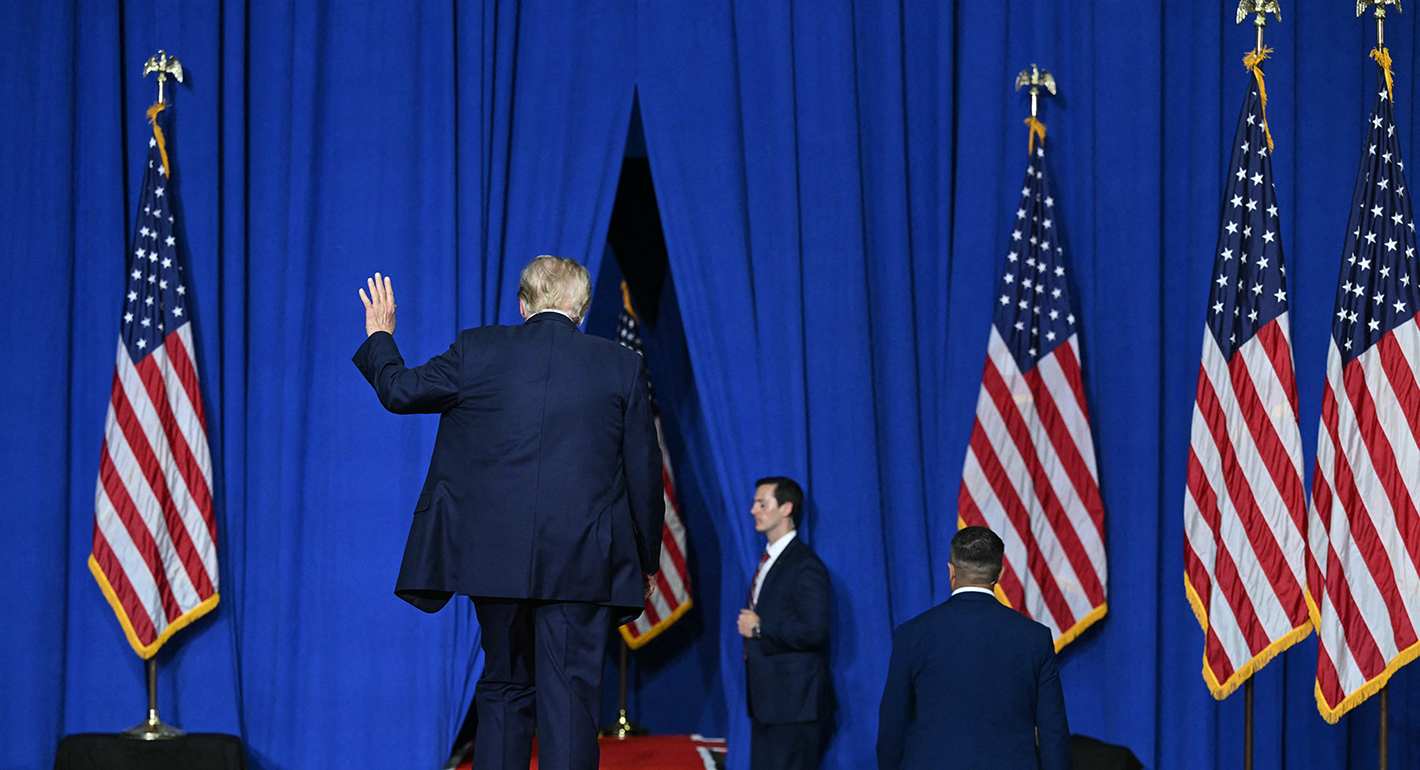
By abandoning past U.S. pro-democracy policies and adopting several lines of pro-autocratic action, the Trump administration has fundamentally repositioned the United States vis-à-vis democracy in the world.

Thomas Carothers
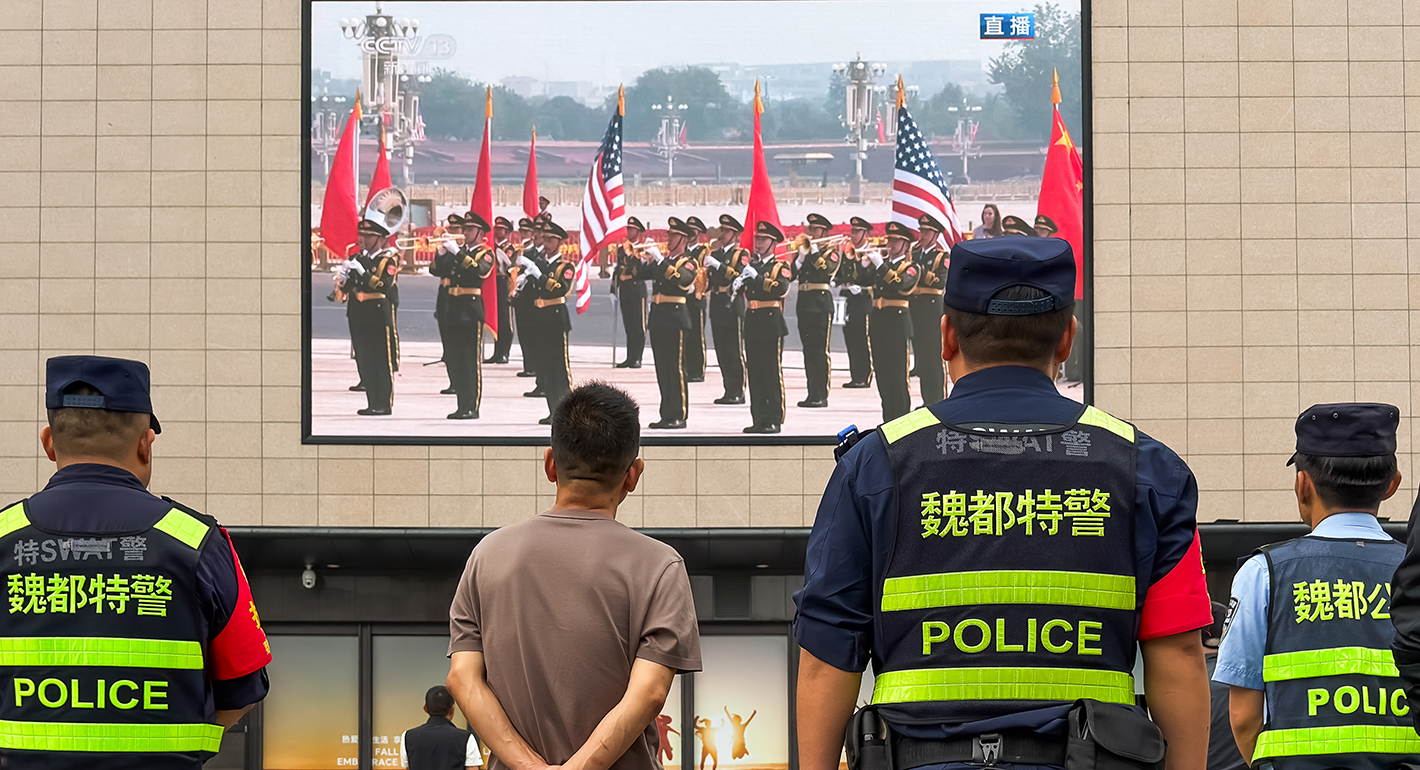
Chinese strategists are once again debating whether American power is declining and whether U.S. hegemony is experiencing irreversible decay.
Wu Xinbo

In the tenth year of his presidency, President Mirziyoyev’s system is becoming even more personalized than that of his predecessor Karimov.

Galiya Ibragimova