

{
  "authors": [
    "Eduardo Zepeda",
    "Pedro Conceicao",
    "James Kiiru"
  ],
  "type": "event",
  "centerAffiliationAll": "",
  "centers": [
    "Carnegie Endowment for International Peace"
  ],
  "collections": [],
  "englishNewsletterAll": "",
  "nonEnglishNewsletterAll": "",
  "primaryCenter": "Carnegie Endowment for International Peace",
  "programAffiliation": "",
  "programs": [],
  "projects": [],
  "regions": [
    "Southern, Eastern, and Western Africa",
    "North America"
  ],
  "topics": [
    "Economy",
    "Trade"
  ]
}
The Impact of the Doha Round on Kenya
Thu, November 12th, 2009
Washington, D.C.
IMGXYZ1440IMGZYX Kenya is poised to see gains in agricultural products and processed food but losses in the manufacturing and mining sectors from the Doha Round, the current trade negotiation round of the WTO. This is the main conclusion from a new Carnegie report that examines different trade scenarios to conclude that trade liberalization resulting from the Doha Round, if completed by 2010, would boost Kenya’s annual GDP by 0.2 percent. The incidence of poverty would decline and income distribution would improve in rural areas. Income distribution, however, would worsen in urban settings and the urban/rural income divide would deepen.
- Average annual total production will rise by 2.7 percent.
- Production in processed food and agriculture sector will rise by 2.7 percent and 0.7 percent respectively.
- Production in the manufacturing and mining activities will decrease by 2.1 percent
- Production in service sector will increase by 0.2 percent.
- On average, exports and imports will increase by 3.7 percent and 2.6 percent respectively.
- Consumption will increase by 2.3 percent and investment by 1.4 percent respectively.
- The terms of trade will change by 2.5 percent.
- Overall, the liberalization of trade in goods will boost Kenya’s annual GDP by 0.2 percent.
- Increase the demand for low skilled workers in both rural and urban areas.
- Reduce the incidence of poverty.
- Improve income distribution in rural areas but worsen income distribution in urban areas.
- Widen the urban/rural income divide.
- Increase employment of semi-skilled and unskilled laborers by 0.02 percent and 0.01 percent respectively.
- Decrease employment for skilled labor by 0.01 percent.
- Decrease wages per worker due to a general drop in the price of goods after liberalization.
Carnegie does not take institutional positions on public policy issues; the views represented herein are those of the author(s) and do not necessarily reflect the views of Carnegie, its staff, or its trustees.
Event Speakers
Eduardo Zepeda
Former Senior Associate, Trade, Equity and Development Program
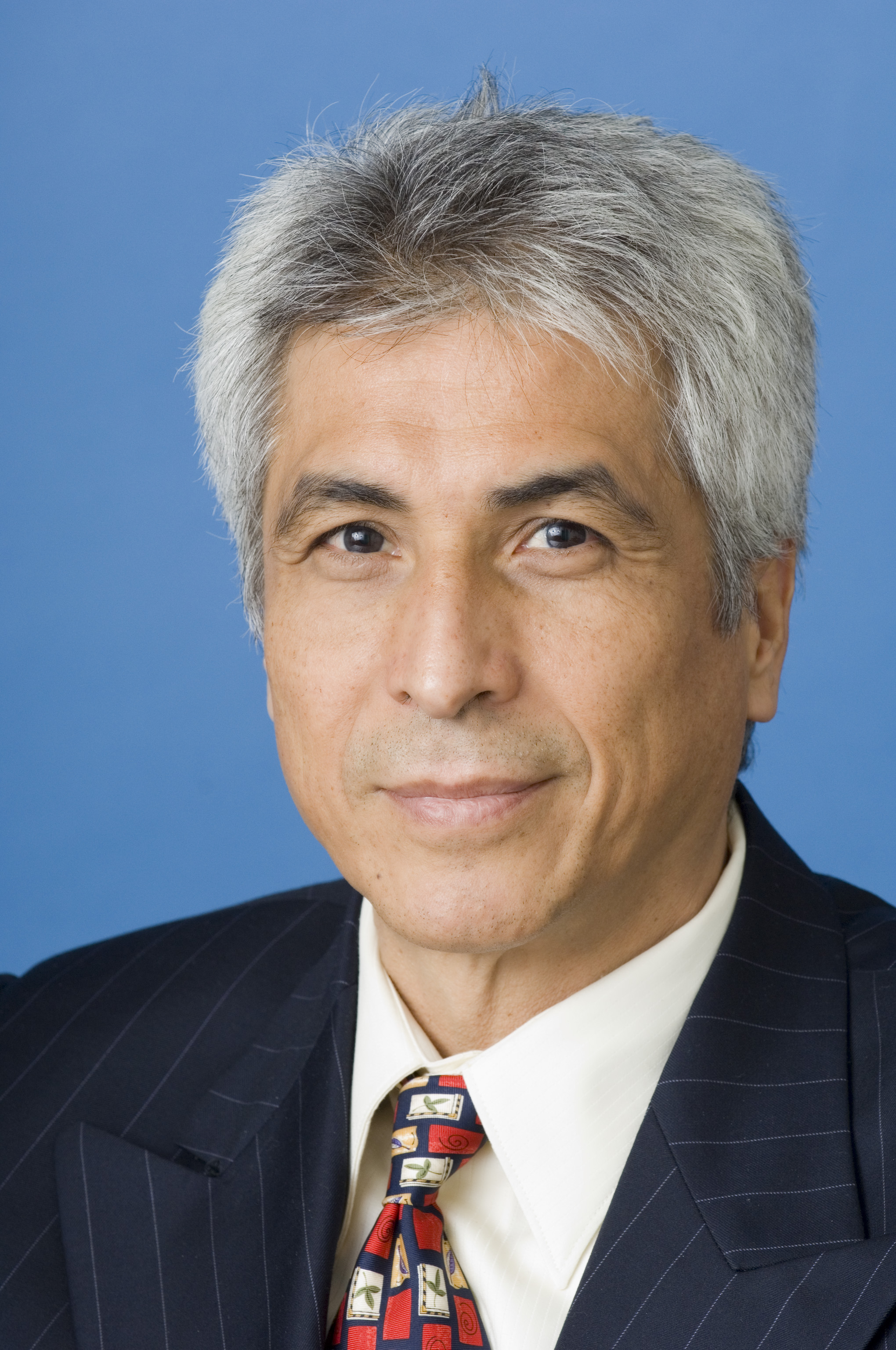
Zepeda is inter-regional policy coordinator of the Development Policy and Analysis Division, Department of Economic and Social Affairs at the United Nations General Secretariat. He was previously a senior associate in the Trade, Equity, and Development Program at the Carnegie Endowment for International Peace.
Pedro Conceicao
Pedro is the director of the Human Development Report office and lead author of the Human Development Report.
James Kiiru