

Комментарий
При всей помпезности встречи двух лидеров, на прошедшем саммите США и Китай не продвинулись в решении ни одного из вопросов, а только застыли друг перед другом, широко улыбаясь и подавая перемирие как прорыв.
Темур Умаров
{
  "authors": [
    "Павел Тарасенко"
  ],
  "type": "commentary",
  "blog": "Carnegie Politika",
  "centerAffiliationAll": "dc",
  "centers": [
    "Carnegie Endowment for International Peace",
    "Берлинский центр Карнеги"
  ],
  "collections": [],
  "englishNewsletterAll": "ctw",
  "nonEnglishNewsletterAll": "",
  "primaryCenter": "Берлинский центр Карнеги",
  "programAffiliation": "russia",
  "programs": [
    "Russia and Eurasia"
  ],
  "projects": [],
  "regions": [
    "Россия",
    "Россия и Кавказ"
  ],
  "topics": [
    "Внешняя политика США",
    "Экономика"
  ]
}
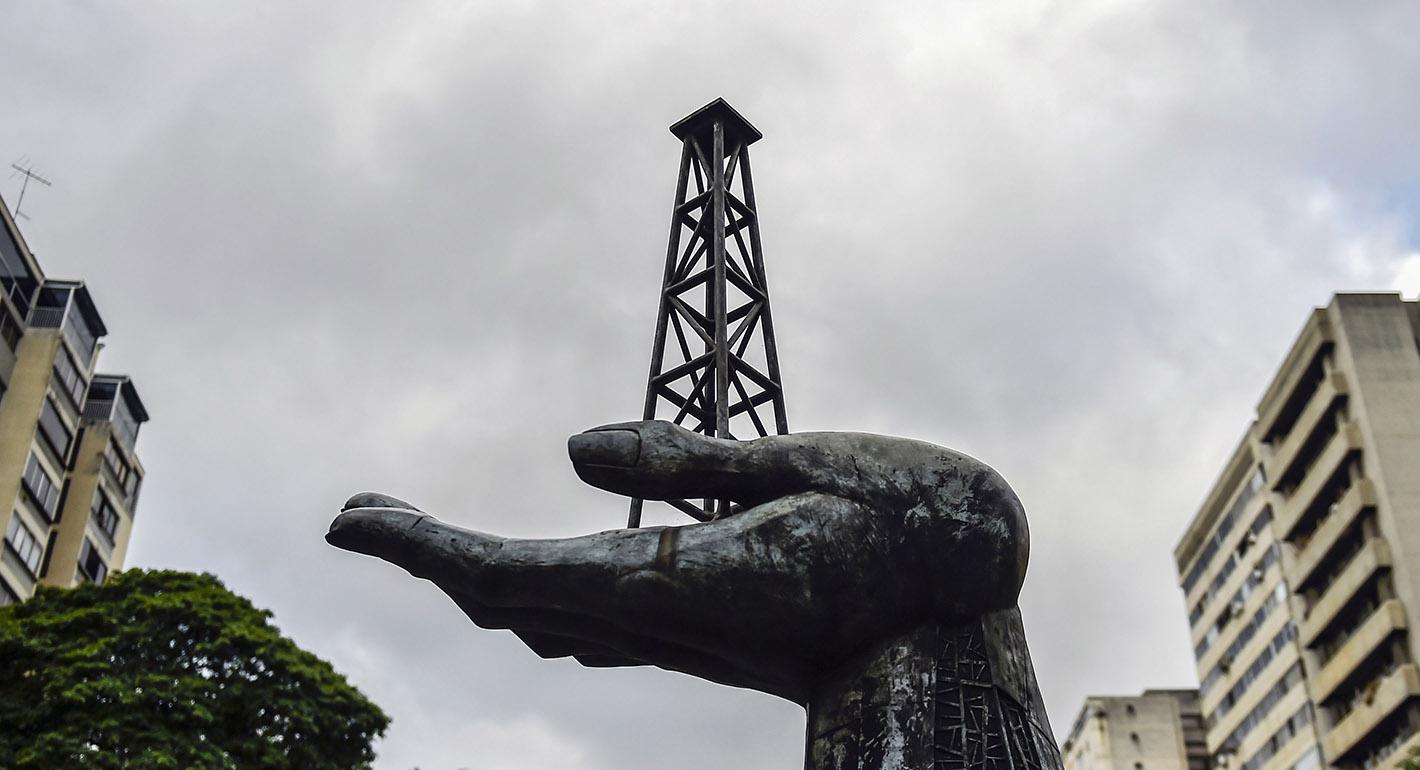
Источник: Getty
Мадуро, скорее всего, продолжит радовать Москву антиамериканскими выступлениями о том, как гегемония Запада уходит в прошлое. Но на деле эта риторика не помешает ни восстановлению экономического сотрудничества Венесуэлы с США, ни ослаблению реальных связей с Россией
Дружба России и ее ключевого союзника в Южной Америке — Венесуэлы — проходит самую серьезную за последние 20 лет проверку на прочность. Решение Минфина США разрешить американской Chevron добывать нефть в Венесуэле — яркое доказательство перезагрузки в отношениях Каракаса и Вашингтона, спровоцированной российской военной операцией в Украине.
Венесуэльский лидер Николас Мадуро неожиданно оказался бенефициаром боевых действий в далекой Восточной Европе. Американские санкции против его режима не сработали, и теперь Вашингтон, отказавшись от ультиматумов, оказался в роли просителя.
Конечно, даже полная отмена санкций вряд ли заставит Мадуро отказаться от антиамериканской риторики, которая так нравится российскому руководству. Но на практике это ничуть не помешает Венесуэле получать политические и экономические дивиденды от развития отношений с «империей зла». В свое время наставник Мадуро Уго Чавес освоил такой подход в совершенстве.
С самого начала боевых действий в Украине российские власти не устают повторять, что большая часть человечества поддерживает или хотя бы понимает мотивы их действий. Но безоговорочных сторонников у России в мире осталось совсем немного, Венесуэла среди них — одна из последних.
Мадуро не раз обвинял Запад в намеренной эскалации конфликта с целью «расчленить и уничтожить» Россию. Он называл западные санкции против Москвы «сумасшествием», а руководство Украины — «неофашистской элитой» и соглашался со многими другими тезисами российской пропаганды.
Правда, в ходе голосований в ООН по осуждающим Россию резолюциям Венесуэла ни разу не высказывалась против. Но объясняется это тем, что Боливарианская Республика в принципе лишена права голоса из-за огромных долгов по взносам в ооновский бюджет.
Весной Мадуро созванивался с Путиным, чтобы обсудить «противодействие развернутой западными странами кампании лжи и дезинформации». А летом на экономическом форуме в Петербурге вице-президент Венесуэлы Делси Родригес рассказывала, что санкции «открывают для нас новые горизонты». Насколько они широки — обсудят на заседании межправкомиссии двух стран, которое пройдет в середине декабря в Каракасе.
В подтверждение риторики в сентябре в Россию отправили первую партию венесуэльского авокадо, а российских туристов начали заманивать на отдых в Венесуэлу. На острове Маргарита — одном из немногих относительно безопасных мест в стране — даже появились вывески на русском.
О традиционных сферах сотрудничества — особенно военно-техническом — тоже не забывают. Правда, сейчас речь идет в основном о послепродажном обслуживании. Новые проекты (например, строительство завода по лицензионному производству АК-103 и боеприпасов) откладываются из-за санкционных ограничений. Близость двух стран также должно было подтвердить проведение в Венесуэле в августе этого года одного из этапов Армейских международных игр — любимого детища Минобороны РФ.
Тем не менее все это не означает, что Венесуэла обречена на дружбу с Россией. История республики показывает, что США все равно остаются для нее ключевым партнером — хоть в образе врага, хоть в качестве лучшего друга. Еще в 1920-е годы Венесуэла стала для американцев важным поставщиком нефти, а во Вторую мировую во многом обеспечивала энергетические потребности США и остальных союзников по антигитлеровской коалиции.
Даже Уго Чавес в 2000-е умело сочетал жесткую антиамериканскую риторику с активной торговлей с американцами, что позволяло венесуэльской экономике расти почти на 10% в год. Фатальной ошибкой стала лишь вторая волна национализации в 2007 году, под которую подпали филиалы западных нефтяных компаний. Последующие санкции, безграмотное управление отраслью и падение цен на нефть погрузили Венесуэлу в беспрецедентный социально-экономический кризис.
Президентские выборы 2018 года окончательно превратили страну в изгоя. Запад не признал переизбрание Мадуро, поддержав его соперника Хуана Гуайдо, объявившего себя временным президентом. Из-за ужесточения американских нефтяных санкций Венесуэла лишилась почти 90% своих экспортных доходов. Активы государственной нефтегазовой компании PDVSA в США ($7 млрд) были заблокированы. Немногие тогда сомневались в том, что Мадуро обречен.
Однако режим устоял. Подпавшие под санкции клептократы не стали поднимать бунт, а, наоборот, сплотились вокруг лидера перед лицом империалистов, покусившихся на их деньги и власть. Чависты сохранили в своих руках все рычаги государственного управления, переложив ответственность за чудовищную нищету в стране на инициаторов «нелегитимных односторонних санкций».
Тем временем венесуэльская экономика постепенно перестроилась и начала функционировать в обход финансовой системы США. Главными партнерами в нефтяной сфере стали Индия, Китай, Иран, Россия, Турция. Риски вторичных санкций венесуэльцы снижали, разрабатывая многоуровневые схемы поставок своей нефти. Одним из эпизодов перестройки системы стал перенос европейского офиса PDVSA из Лиссабона в Москву. Так что к концу 2019 года США признали «все большую зависимость PDVSA и венесуэльского режима от России, российского правительства и «Роснефти»».
Последняя действительно была одним из крупнейших инвесторов в Венесуэле и активно вела там (совместно с PDVSA) геологоразведку и нефтедобычу. Правда, уже в 2020 году «Роснефть» объявила, что прекращает работу в республике из-за американских санкций. Компания продала свои венесуэльские активы специально созданной для этой цели госструктуре — «Росзарубежнефти». Пять совместных предприятий с ее участием добывали этой весной по 125 тысяч баррелей в день.
Однако военные действия в Украине перевернули ситуацию с ног на голову. Мадуро вдруг перестал быть изгоем, встретился в Египте с экс-госсекретарем и спецпредставителем США по климату Джоном Керри и вообще оказался нужен американцам едва ли не больше, чем они ему.
Борьба с российскими доходами от нефти заставила США искать другие источники. И Венесуэла тут была естественным выбором. Американские НПЗ на побережье Мексиканского залива не очень подходят для легкой сланцевой нефти, а вот тяжелая венесуэльская нефть для них — идеальный вариант.
По своим свойствам она напоминает российский Urals, поэтому неудивительно, что после введения санкций против Венесуэлы ее нефть быстро заместило российское сырье. В 2021 году поставки из РФ составили 8% от американского нефтяного импорта, что вывело Россию на второе место после Канады. Но долго это не продлилось — венесуэльская нефть, похоже, триумфально возвращается в США.
Еще в марте Венесуэлу посетила американская правительственная делегация. Помимо освобождения из-под стражи двух граждан США, американцы проверяли, насколько Каракас готов дистанцироваться от Москвы. Уже тогда Мадуро не скрывал своего удовлетворения итогами встречи.
В июне контакты принесли первые плоды: США разрешили итальянской Eni и испанской Repsol возобновить поставки венесуэльской нефти в Европу. А 26 ноября Минфин США выпустил лицензию, разрешающую американской Chevron и ее дочерним компаниям производить нефть и нефтепродукты в Венесуэле и поставлять их в Соединенные Штаты. Сейчас Chevron добывает в стране около 50 тысяч баррелей в день, в ближайшие месяцы этот показатель может достичь 100 тысяч, а за два года — 220 тысяч баррелей.
В разрешении Минфина есть ряд оговорок. Например, компании запрещено платить налоги правительству Венесуэлы. Но в любом случае речь идет о смене парадигмы. США вновь вернулись к сотрудничеству со страной, которую контролирует «диктатор Мадуро». При этом законным лидером они его по-прежнему не признают.
Сам Мадуро, несмотря на жесткую риторику, на самом деле никогда не закрывал дверь перед «американскими империалистами». Позиция Каракаса всегда была такой: «У нас давние, длиной в век, нефтяные отношения с США, а прервались они по вине Вашингтона. Когда-нибудь там обязательно одумаются, а мы пока подождем».
Теперь венесуэльское руководство готовится к восстановлению нефтяных доходов. Страна — мировой лидер по доказанным запасам нефти (303,5 млрд баррелей). В 1998 году в Венесуэле добывали 3,5 млн баррелей в сутки, в 2020 году — всего 380 тысяч. Теперь объемы добычи опять растут — в октябре они составили 717 тысяч баррелей в день, а в ближайшие два-три года должны достичь 1,2 млн.
Для возвращения к уровням конца 1990-х потребуется семь-восемь лет и не менее $250 млрд инвестиций в обновление оборудования и разработку новых скважин. Но и такие деньги вполне могут найтись. На Западе уверены, что отношения с Россией больше никогда не будут прежними: происходящее — это не временный кризис, а решительный разрыв, преодолеть который если и получится, то очень нескоро.
Возвращение Венесуэлы в ряды приемлемых для Запада партнеров уже идет полным ходом. 26 ноября в Мексике возобновились переговоры между венесуэльскими властями и оппозицией, в центре которых — разблокировка венесуэльских активов в западных банках. Ожидается, что разблокированные средства (около $3 млрд) пойдут на борьбу с последствиями гуманитарного кризиса в стране. Дальше возникнут вопросы о судьбе политзаключенных и соблюдении политических свобод, что особенно важно на фоне запланированных на 2024 год президентских выборов.
Для Мадуро складывается беспроигрышная ситуация. Он сможет выторговывать себе гарантии безопасности в обмен на согласие с условиями оппозиции (и Запада) по выборам. Обещание, что выборы пройдут честно и открыто, не будет ему ничего стоить, зато позволит начать разморозку дипотношений с Западом и процесс отмены санкций.
Учитывая начавшееся восстановление венесуэльской экономики, Мадуро вполне может выиграть выборы 2024 года и без злоупотреблений. Тем более что венесуэльская оппозиция сейчас раздроблена и не представляет серьезной угрозы для режима. Если же предвыборная кампания пойдет не в пользу властей, то Мадуро всегда может нарушить условия сделки с Западом — все равно положение, в котором он в результате окажется, будет не хуже нынешнего.
Администрации Байдена будет не так сложно убедить сограждан и союзников, что с высокими ценами на бензин надо что-то делать, а отменять лучше те санкции, которые введены не против России, а против Венесуэлы, чьи лидеры виновны всего лишь в фальсификации результатов выборов.
В итоге Мадуро, скорее всего, продолжит радовать Москву выступлениями о том, как гегемония Запада уходит в прошлое, а многополярный мир вот-вот наступит. Но на деле эта риторика не помешает ни восстановлению экономического сотрудничества с США, ни ослаблению реальных связей с Россией.
В нынешних условиях Москва вряд ли может что-то противопоставить новому сближению США и Венесуэлы. Ей остается лишь наблюдать за происходящими событиями, ограничиваясь традиционными заявлениями о готовности «содействовать сохранению конструктивной атмосферы вокруг диалога венесуэльских политических сил».
Павел Тарасенко
Карнеги не занимает институциональных позиций по вопросам государственной политики; изложенные здесь взгляды принадлежат автору(ам) и не обязательно отражают взгляды Карнеги, его сотрудников или попечителей.
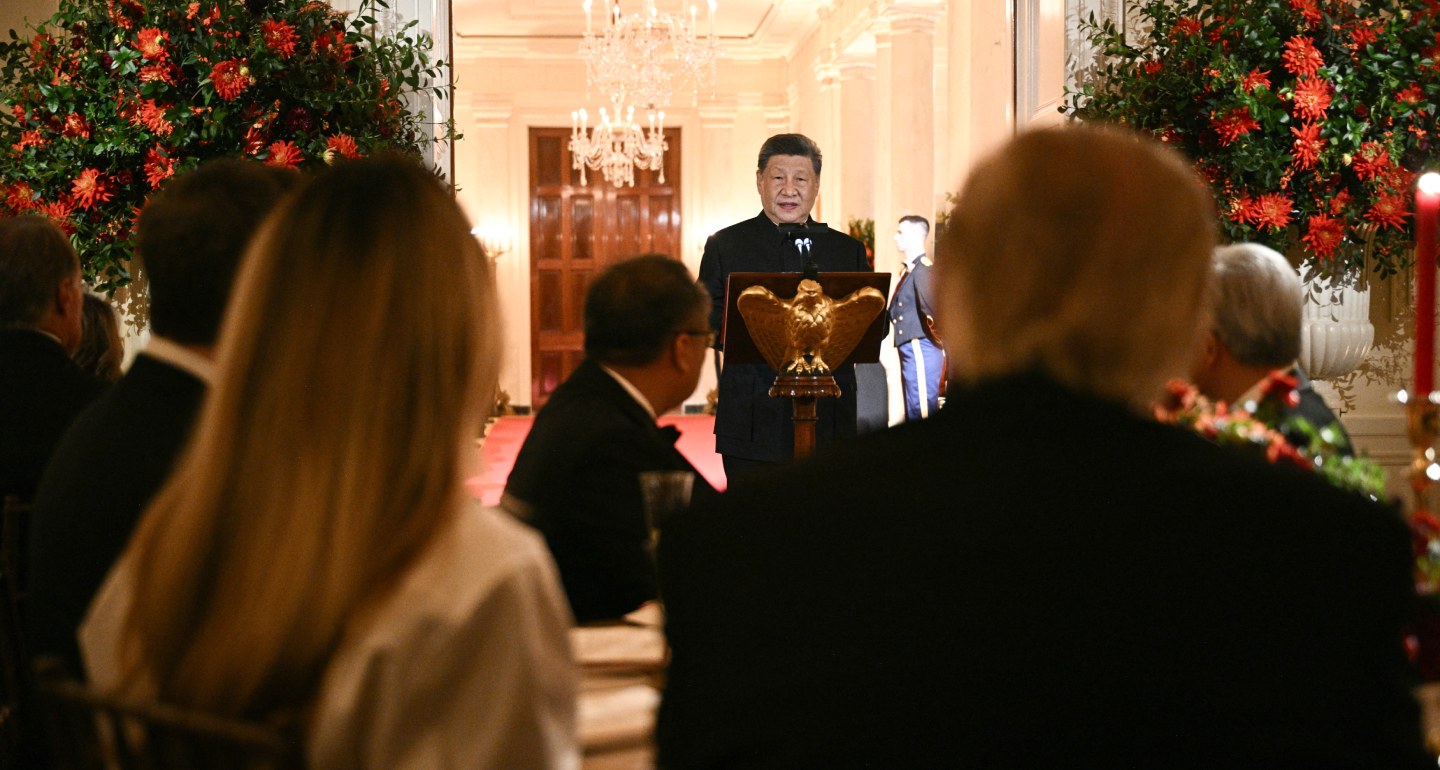
При всей помпезности встречи двух лидеров, на прошедшем саммите США и Китай не продвинулись в решении ни одного из вопросов, а только застыли друг перед другом, широко улыбаясь и подавая перемирие как прорыв.

Темур Умаров

Европейские крайне правые, возможно, не смогут развернуть политику ЕС в нужное России русло. Но они способны создать внутри Европы достаточно конфликтов, чтобы эффективно нейтрализовать любые ее геополитические амбиции. С точки зрения Кремля, это совсем неплохой результат.

Димитар Бечев

Севморпуть оживает ровно в той мере, в какой воюет остальной мир. Сейчас его подогревают сразу три конфликта, но с уменьшением их интенсивности ситуация, скорее всего, вернется туда, где была 10 лет назад.

Михаил Коростиков

Принудительная мобилизация с адресным контролем стала основной электоральной моделью. Вместо настоятельных просьб об одобрении своей политики Кремль теперь буквально требует голоса электората.

Андрей Перцев
Когда рутинно натягиваются эти самые 58%, а конституционное большинство добирается за счет не зависящих от этого процента мажоритариев, любой, кто попытается возвысить голос, будет выглядеть смешно.

Леонид Бершидский