

Комментарий
Александра Прокопенко
{
  "authors": [
    "Александра Прокопенко"
  ],
  "type": "commentary",
  "blog": "Carnegie Politika",
  "centerAffiliationAll": "dc",
  "centers": [
    "Carnegie Endowment for International Peace",
    "Берлинский центр Карнеги"
  ],
  "collections": [],
  "englishNewsletterAll": "ctw",
  "nonEnglishNewsletterAll": "",
  "primaryCenter": "Берлинский центр Карнеги",
  "programAffiliation": "russia",
  "programs": [
    "Russia and Eurasia"
  ],
  "projects": [],
  "regions": [
    "Россия",
    "Восточная Европа",
    "Украина",
    "Ближний Восток",
    "Турция",
    "Россия и Кавказ"
  ],
  "topics": [
    "Экономика",
    "Внешняя политика США"
  ]
}
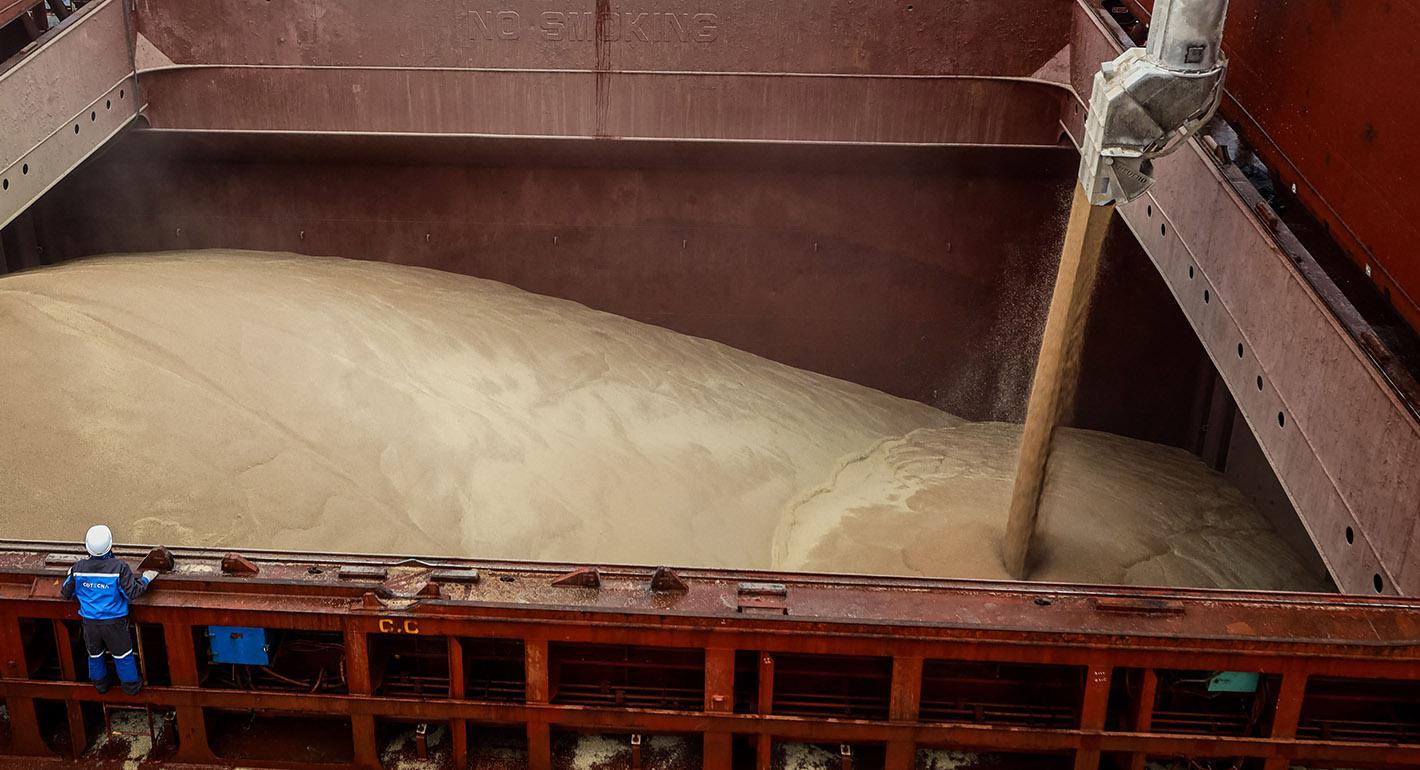
Источник: Getty
Сейчас партнеры Москвы по зерновой сделке нужны ей куда больше, чем она им, а при таких вводных сложно оказывать на кого-то давление. Россия превратилась в технического участника соглашения, у которого чисто формально есть право голоса, но чьи желания можно довольно легко игнорировать
После нескольких недель жалоб и колебаний Россия опять согласилась на продление зерновой сделки с Украиной. Очередной 120-дневный срок действия соглашения истекает 18 марта, но оно будет продлено автоматически, потому что о выходе из него не объявила ни одна из сторон. Накануне очередной даты продления Москва в вялотекущем режиме повторяла, что Запад не выполняет договоренностей, но делала это куда менее громко и настойчиво, чем перед предыдущим продлением в октябре прошлого года, и в итоге согласилась продлить сделку с небольшой оговоркой — не на 120, а только на 60 дней.
Готовность России умерить свои претензии понятна — за сохранение сделки теперь выступает широкая коалиция стран, куда, помимо Украины и Запада, входят также Турция и даже Китай. Зависимость Москвы от двух последних настолько усилилась, что она теперь не готова возражать им по зерновому вопросу. Ведь даже без российского согласия партнеры смогут продолжить выполнение выгодной им сделки, заставив Кремль выглядеть на международной арене еще более бледно. В результате сделка, которую Москва изначально задумывала как один из рычагов давления на Запад, перестала быть таковым.
Сравнительно недавно, летом прошлого года, заключение зерновой сделки воспринималось как большая победа мировой дипломатии. Украина получила возможность экспортировать зерно через часть своих черноморских портов — за время действия сделки было вывезено 24,5 млн тонн, из них 5,3 млн тонн ушли в Китай.
Кремль к сделке подталкивали ООН (пожалуй, единственная международная организация, к которой Кремль относится с некоторым пиететом) и Турция. Последней участие в сделке в статусе гаранта давало возможность увеличить свой вес на международной арене, а также получить заметные экономические выгоды, зарабатывая на переработке зерна.
Был свой интерес и у России — зерновая сделка должна была устранить препятствия для ее собственного экспорта зерна и удобрений. Соответствующее ослабление западных санкций формально не значилось в соглашении, но было согласовано с США и ЕС и формально выполнено. Западные страны выпустили директивы, выводящие из-под санкций транзакции, связанные с российским зерном и удобрениями.
Другое дело, что проблемы российских экспортеров связаны не только с санкциями. Западные компании все равно опасаются работать с ними из-за трудностей с проведением финансовых транзакций, более высоких издержек и того, что большинство крупных российских производителей зерна и удобрений так или иначе связаны с государством или имеют в органах управления подсанкционных персонажей. А у ООН нет инструментов, чтобы влиять на решения западных корпораций.
Впрочем, эти трудности, на которые постоянно жаловалась Москва, не помешали России увеличить на 11,6% экспорт зерновых и зернобобовых в первой половине текущего сельхозгода (июль–декабрь 2022-го). Среди прочего, по оценкам Зернового союза, российский экспорт пшеницы вырос на 12,4% (до 28,1 млн тонн).
Прошлой осенью, накануне предыдущего продления, Россия уже угрожала разорвать зерновую сделку — в качестве предлога для разрыва Москва ссылалась на атаку украинского беспилотника на Севастополь якобы из акватории зернового коридора. Путин требовал письменных гарантий безопасности для военных и гражданских судов в районе «зеленого коридора». Но в итоге России пришлось удовлетвориться просто устными заверениями турецких партнеров.
Звучали тогда и менее публичные экономические требования: разблокировать застрявшие в европейских портах российские удобрения, перезапустить аммиакопровод Тольятти — Одесса и снять санкции с Россельхозбанка (ранее его возглавлял Дмитрий Патрушев, нынешний министр сельского хозяйства и сын секретаря Совбеза РФ Николая Патрушева).
Ни одно из них не выполнено до сих пор. Аммиакопровод — важный экспортный маршрут для «Тольяттиазота» (входит в структуру «Уралхима»), способный прокачивать в год около 2,5 млн тонн сырья. Директор «Уралхима» Дмитрий Мазепин и российский МИД жаловались, что такого количества аммиака хватило бы, чтобы произвести 7 млн тонн удобрений и накормить с их помощью 200 млн человек.
Однако основное требование Украины для разблокирования аммиакопровода — обмен пленными по формуле «всех на всех», на что Россия пойти не согласна. Кроме того, перезапуск аммиакопровода станет очередным источником валютной выручки для Кремля и близких к нему бизнесменов.
Помимо «Тольяттиазота», через трубу прокачивались удобрения воронежской АО «Россошь», владельцем которой до совсем недавнего времени был близкий друг Путина Аркадий Ротенберг. А его партнером по аммиакопроводу с украинской стороны был Дмитрий Фирташ. Не так давно Ротенберг пытался купить «Тольяттиазот», и в отрасли уверены, что он все еще не утратил интереса к активу.
Что касается снятия санкций с Россельхозбанка, то в ЕС отвечают, что внимательно изучили эту просьбу России и пришли к выводу, что этот банк и так не находится под блокирующими санкциями, а значит, может поддерживать корреспондентские отношения с европейскими банками. Просто вместо SWIFT надо будет отправлять банковские сообщения с помощью электронной почты и факса.
Из заблокированных удобрений пока только одна партия в 20 000 тонн отправилась из Нидерландов в Малави с остановкой в Мозамбике. Остальное остается заблокированным в портах Латвии.
Тем не менее, несмотря на невыполненные требования, Россия согласилась на предыдущее продление зерновой сделки прошлой осенью. Решающую роль тогда сыграла позиция Турции, зависимость России от которой многократно выросла за 2022 год. Всего несколько лет назад Анкара упрашивала Москву вернуть на рынок турецкие помидоры. Сейчас Турция переместилась на третью позицию в списке крупнейших внешнеторговых партнеров России, хотя по итогам 2021 года не входила даже в топ-10.
Турция теперь — один из ключевых логистических хабов для российского бизнеса, а аэропорты Стамбула — практически единственное окно для пассажиров в западном направлении. За 2022 год турецкий экспорт в Россию вырос, согласно турецкой статистике, с $5,8 млрд до $9,3 млрд.
В нынешнем продлении зерновой сделки Турция тоже сыграла ключевую роль. За несколько дней до истечения очередного 120-дневного срока российские логистические компании стали сообщать об остановке транзита через Турцию, в том числе санкционных товаров. Центральная таможня в Анкаре отклоняла транзитные декларации, без которых дальнейшее движение груза невозможно.
Официальных разъяснений от Турции не последовало, да их и не могло быть, так как это было бы равносильно признанию, что турки поставляют в Россию подсанкционные товары, несмотря на давление ЕС. Но спустя сутки после того, как Россия объявила о продлении зерновой сделки, проблемы с турецкой таможней чудесным образом разрешились и товары поехали.
В сохранении сделки заинтересован и главный партнер России — Китай. Реализация зерновой инициативы значится девятым пунктом китайского мирного плана по российско-украинскому урегулированию. Помимо того, что Китай — один из главных покупателей украинского зерна, сделка хорошо вписывается в логику инициативы по сотрудничеству в области глобальной продовольственной безопасности, которую Пекин выдвинул в прошлом году в рамках G20.
Также на следующей неделе в Москву едет председатель КНР Си Цзиньпин. Зависимость Москвы от Пекина увеличивается, и Россия — младший партнер в этом альянсе. Создавать негативный фон вокруг визита, скандаля из-за сделки, Кремлю совсем ни к чему.
В целом же Кремль заключал зерновую сделку, когда положение российской армии в Украине было значительно лучше, чем сейчас, а в казну продолжали поступать сверхдоходы от торговли энергоресурсами. Тогда Москва чувствовала себя хозяйкой положения и рассчитывала, что зерновая инициатива станет еще одним рычагом давления на Запад.
Однако реальность сложилась иначе. Россия не смогла толком воспользоваться положением, недооценив изменившийся баланс сил. Сейчас партнеры Москвы по сделке нужны ей куда больше, чем она им, а при таких вводных сложно оказывать на кого-то давление. В результате Россия превратилась в технического участника соглашения, у которого чисто формально есть право голоса, но чьи желания можно довольно легко игнорировать.

Научный сотрудник
Александра Прокопенко — старший научный сотрудник Берлинского центра Карнеги по изучению России и Евразии.
Недавние работы
Александра Прокопенко
Александра Прокопенко
Карнеги не занимает институциональных позиций по вопросам государственной политики; изложенные здесь взгляды принадлежат автору(ам) и не обязательно отражают взгляды Карнеги, его сотрудников или попечителей.
Им все больше овладевало разочарование и отчаяние. Он осознавал, что эмиграция сама по себе — ущербность, что при всем ужасе советской жизни «истинная» биография художника возможна только в России, а существование эмигранта выморочно.

Иван Толстой

Спикер, вице-спикеры и главы основных комитетов работают на своих должностях не первый срок и давно превратились из парламентариев в аппаратчиков. Меняют их лишь вслед за перестановками в исполнительной власти, когда лоббист старой команды становится неактуален и его место занимает более удобный контрагент.

Андрей Перцев

Масштабы идеологического замаха Кремля в образовании не соответствуют социальным реалиям захваченных территорий, которые теперь населяют в основном военные и пенсионеры.

Константин Скоркин

На каждый бюджетный рубль, который в 2027 году потратят на социальную политику, здравоохранение и образование, придется два рубля на армию, полицию, Росгвардию и спецслужбы.
Александра Прокопенко
При всей помпезности встречи двух лидеров, на прошедшем саммите США и Китай не продвинулись в решении ни одного из вопросов, а только застыли друг перед другом, широко улыбаясь и подавая перемирие как прорыв.

Темур Умаров