

Комментарий
Никита Смагин
{
  "authors": [
    "Никита Смагин"
  ],
  "type": "commentary",
  "blog": "Carnegie Politika",
  "centerAffiliationAll": "",
  "centers": [
    "Carnegie Endowment for International Peace",
    "Берлинский центр Карнеги"
  ],
  "englishNewsletterAll": "",
  "nonEnglishNewsletterAll": "",
  "primaryCenter": "Берлинский центр Карнеги",
  "programAffiliation": "",
  "programs": [],
  "projects": [],
  "regions": [
    "Россия",
    "Ближний Восток",
    "Иран",
    "Соединенные Штаты Америки"
  ],
  "topics": [
    "Внешняя политика США",
    "Контроль над вооружениями",
    "Мировой порядок"
  ]
}
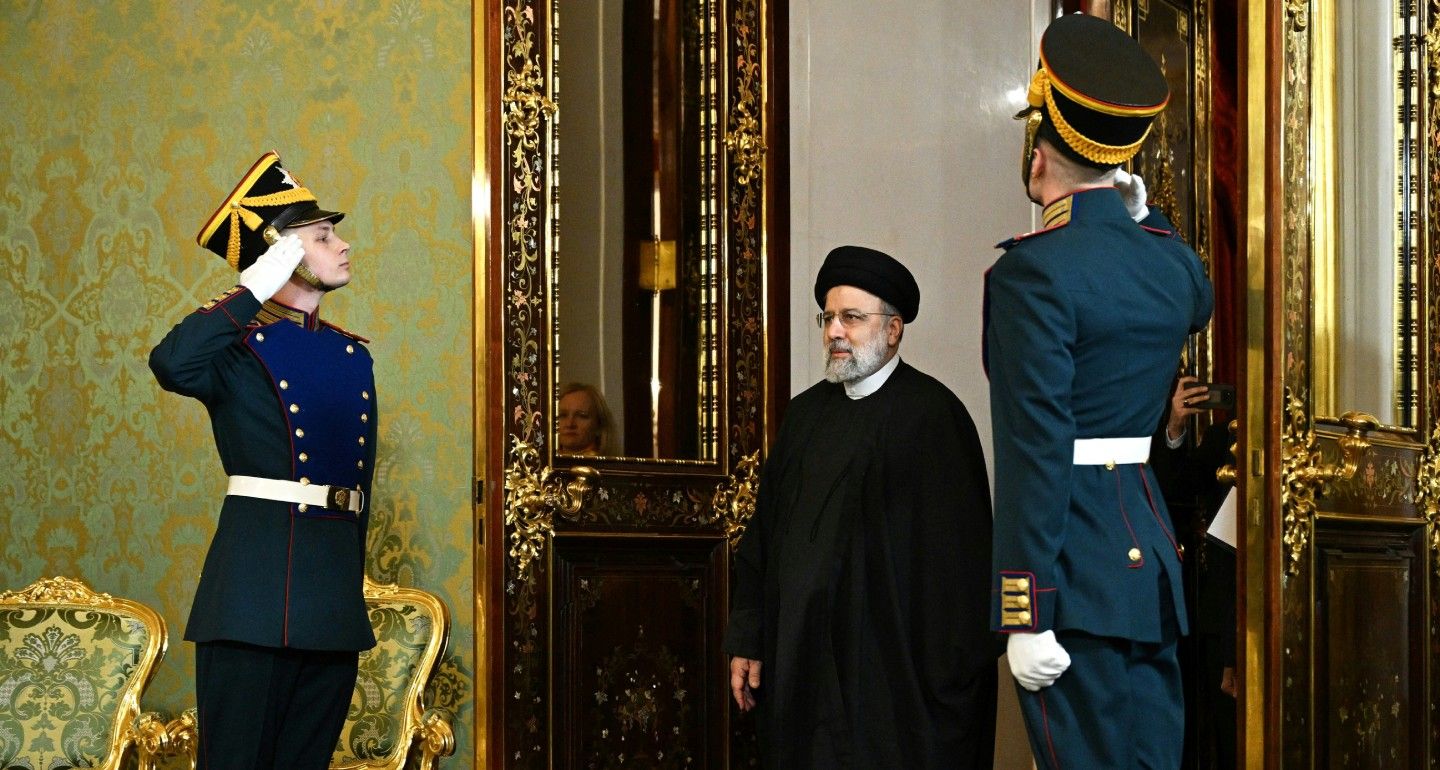
Фото: Getty Images
Иран уже стал для России партнером, с которым она тестирует новую инфраструктуру международных отношений, независимую от Запада, и не похоже, что Москва готова свернуть эти эксперименты ради надежды на поправку отношений с США.
Сближение России и Ирана, столь ускорившееся в последние годы, рискует столкнуться с новыми трудностями — президентством Дональда Трампа. То немногое, что уже известно о внешнеполитических планах следующего президента США, указывает, что при Трампе Вашингтон намерен налаживать диалог с Москвой, а на Тегеран, наоборот, — усиливать давление. И теперь вопрос в том, сможет ли такая смесь американского гнева и милости подорвать антизападное единство, на котором держится российско-иранский союз.
Взрывной интерес к Ирану, вспыхнувший в России сразу после вторжения в Украину, заметно утих к середине 2024 года. Как и предполагалось, иранское направление не стало панацеей для Москвы ни в обходе западных санкций, ни с точки зрения новых экономических горизонтов. Торговля двух стран по-прежнему колеблется в районе $4–5 млрд в год. Товаров из Ирана в РФ стало несколько больше, но говорить о масштабной экспансии иранских компаний на российский рынок не приходится.
Тем не менее с точки зрения экономической интеграции двух стран за последние два года сделано не так уж мало. Среди наиболее значимого — Иран заключил с Евразийским экономическим союзом (ЕАЭС) постоянное соглашение о зоне свободной торговли, которое должно заработать в 2025 году. Это снизит пошлины между странами на 90% всех товаров. Для Ирана новая зона свободной торговли — первое подобное соглашение, а для ЕАЭС фактически второе, — первое было заключено с Вьетнамом еще в 2016 году.
Более того, Тегеран уже подал запрос на получение статуса наблюдателя при ЕАЭС. Такой статус уже имеют Молдова, Узбекистан и Куба, но Иран будет первым, кто совместит его с работающим соглашением о зоне свободной торговли.
Также Тегеран и Москва официально интегрировали свои национальные платежные системы: Shetab и «Мир». Согласно иранским заявлениям, иранские карты можно будет использовать в банкоматах России уже в текущем году, а российские в Иране — с начала следующего. Это соглашение стало беспрецедентным — ни китайские, ни турецкие, ни эмиратские банки не смогли продвинуться с Тегераном в этом вопросе.
К этому можно добавить, что Москва способствует вступлению Тегерана в международные объединения. По ее инициативе Иран приняли в ШОС в 2023 году, российская сторона поддерживала вступление Исламской Республики в БРИКС в 2024 году. Не говоря уже об особом военном сотрудничестве Тегерана и Москвы, которые поставляют друг другу вооружение и проводят совместные военные учения от Каспия до Персидского залива.
В целом Россия не просто стремится сотрудничать с Ираном в разных сферах, а тестирует в отношениях с Тегераном новые интеграционные модели. Сочетание зоны свободной торговли, соединения финансовых систем и вступления в общие международные организации должно цементировать сближение двух стран, сделать его более стабильным и менее подверженным колебаниям. С той же целью разрабатывается документ о долгосрочном российско-иранском сотрудничестве, о чем стороны говорят уже не один год.
В прошлом Россия уже использовала Иран как тестовую площадку, чтобы затем применить этот опыт в сотрудничестве с другими странами. Так это было, например, со строительством атомной станции в Бушере. Эта АЭС стала первым опытным образцом такого сотрудничества и своего рода рекламным проектом «Росатома» — никто другой тогда не был готов браться за настолько сложную задачу в столь непростой стране. Для государств Ближнего Востока опыт в Бушере показался вполне убедительным, и теперь российские подрядчики помогают строить АЭС «Аккую» в Турции и АЭС «Эль-Дабаа» в Египте.
Сегодня масштабы «иранского эксперимента» России куда шире. Иран стал для Москвы уникальным партнером, с которым ее роднит антизападная повестка и множество наложенных санкций. Неудивительно, что Россия выбрала именно его, чтобы тестировать новые интеграционные инструменты, которые потом можно будет использовать в отношениях с другими странами.
Например, Москва уже обсуждает с Египтом и ОАЭ подписание соглашения о свободной торговле с ЕАЭС, аналогичного иранскому. Также в списке потенциальных претендентов — Индонезия. При этом экономические тяжеловесы вроде Индии и Китая таких предложений не получают, потому что ЕАЭС, по замыслу Кремля, — это зона доминирования России, которая должна оставаться самым крупным экономическим игроком в объединении.
Опытным образцом для последующей репликации может стать и соединение платежных систем Ирана и России. Иранская сторона уже предложила использовать модель интеграции «Мир» и Shetab для соединения платежных систем стран БРИКС.
Параллельно Москва продолжает продвигать идею расширения ШОС и БРИКС. В первую вслед за Ираном приняли Беларусь — главного союзника России среди постсоветских стран. В БРИКС вместе с Тегераном уже вступили Египет, Эфиопия и ОАЭ, а желание присоединиться высказали Азербайджан и Турция.
Такие успехи в выводе Ирана из международной изоляции вряд ли понравятся следующей американской администрации. Предыдущее президентство Трампа запомнилось иранскому руководству политикой «максимального давления». Выход США из ядерной сделки в 2018 году и последующее возвращение жестких экономических санкций стали одним из самых серьезных испытаний для Ирана в XXI веке.
Однако действия Вашингтона в этом направлении вряд ли могут серьезно повлиять на экономическую интеграцию Тегерана и Москвы. По большому счету, лимит экономического давления на Иран был достигнут еще в прошлое президентство Трампа. Причем сменивший республиканца Джо Байден фактически продолжил эту политику — никакие санкции против Тегерана не были отменены. И это не только не помешало, а, наоборот, способствовало сближению Ирана с Россией по самым разным направлениям. Сейчас дополнительное давление со стороны США, скорее всего, будет иметь тот же эффект.
Конечно, администрация Трампа может пойти на более сложные и оригинальные шаги. Например, предложить России смягчение санкций в обмен на отказ поддерживать Иран. Но такое предложение потребует радикального пересмотра американской внешней политики, и при этом оно вряд ли будет встречено с большим энтузиазмом в Москве. Иран уже стал для России партнером, с которым она тестирует новую инфраструктуру международных отношений, независимую от Запада, и непохоже, что Москва готова свернуть эти эксперименты.
Да, тестируемые Кремлем инструменты далеко не всегда оказываются эффективными и порой слабо отвечают экономическим интересам России. Например, от снижения пошлин с Ираном значительно больше выигрывает иранская сторона, нарастившая экспорт в Россию. А российские экспортеры на этом направлении не выиграли почти ничего — по крайней мере пока.
Но подобные экономические мелочи вряд ли остановят Кремль в реализации его геополитических проектов. Иран превратился для России в почти идеального партнера по несчастью — ему тоже нечего терять в отношениях с Западом. А любые достижения в интеграции на иранском направлении будут обнадеживать Москву, что со временем такие же независящие от Запада решения ей удастся внедрить в отношениях с другими партнерами.
Ссылка, которая откроется без VPN, — здесь.

Востоковед
Недавние работы
Никита Смагин
Никита Смагин
Карнеги не занимает институциональных позиций по вопросам государственной политики; изложенные здесь взгляды принадлежат автору(ам) и не обязательно отражают взгляды Карнеги, его сотрудников или попечителей.

Эмигрантские раздоры и нападки на Горького встречались в высших московских кабинетах улыбками одобрения: все было на правильном пути, Буревестник в меру запачкан, окольцован и отлучен от враждебной кормушки.

Иван Толстой
В ретроспективе 1989 год оказывается не совсем тем поворотным пунктом, каким мы его считали.

Сергей Радченко
Рассказ, задуманный как подтверждение исторической силы и суверенитета России, превращается в историю ее хронической пассивности, слабости и уязвимости.

Алексей Уваров

По отдельности плохие новости этого года читаются как не более чем проблемы конкретных отраслей. Но вместе они показывают, что государство отказывается от собственных правил, потому что больше не может им следовать — правила мешают управлять в ручном режиме.

Александра Прокопенко
В то время как Запад требует от Telegram большей ответственности как посредника по передаче информации, Россия требует от Дурова полного подчинения любым требованиям властей.

Мария Коломыченко