

Комментарий
Никита Смагин
{
  "authors": [
    "Никита Смагин"
  ],
  "type": "commentary",
  "blog": "Carnegie Politika",
  "centerAffiliationAll": "",
  "centers": [
    "Carnegie Endowment for International Peace",
    "Берлинский центр Карнеги"
  ],
  "englishNewsletterAll": "",
  "nonEnglishNewsletterAll": "",
  "primaryCenter": "Берлинский центр Карнеги",
  "programAffiliation": "",
  "programs": [],
  "projects": [],
  "regions": [
    "Россия",
    "Сирия",
    "Ближний Восток"
  ],
  "topics": [
    "Внешняя политика США",
    "Оборонная политика США",
    "Безопасность",
    "Мировой порядок"
  ]
}
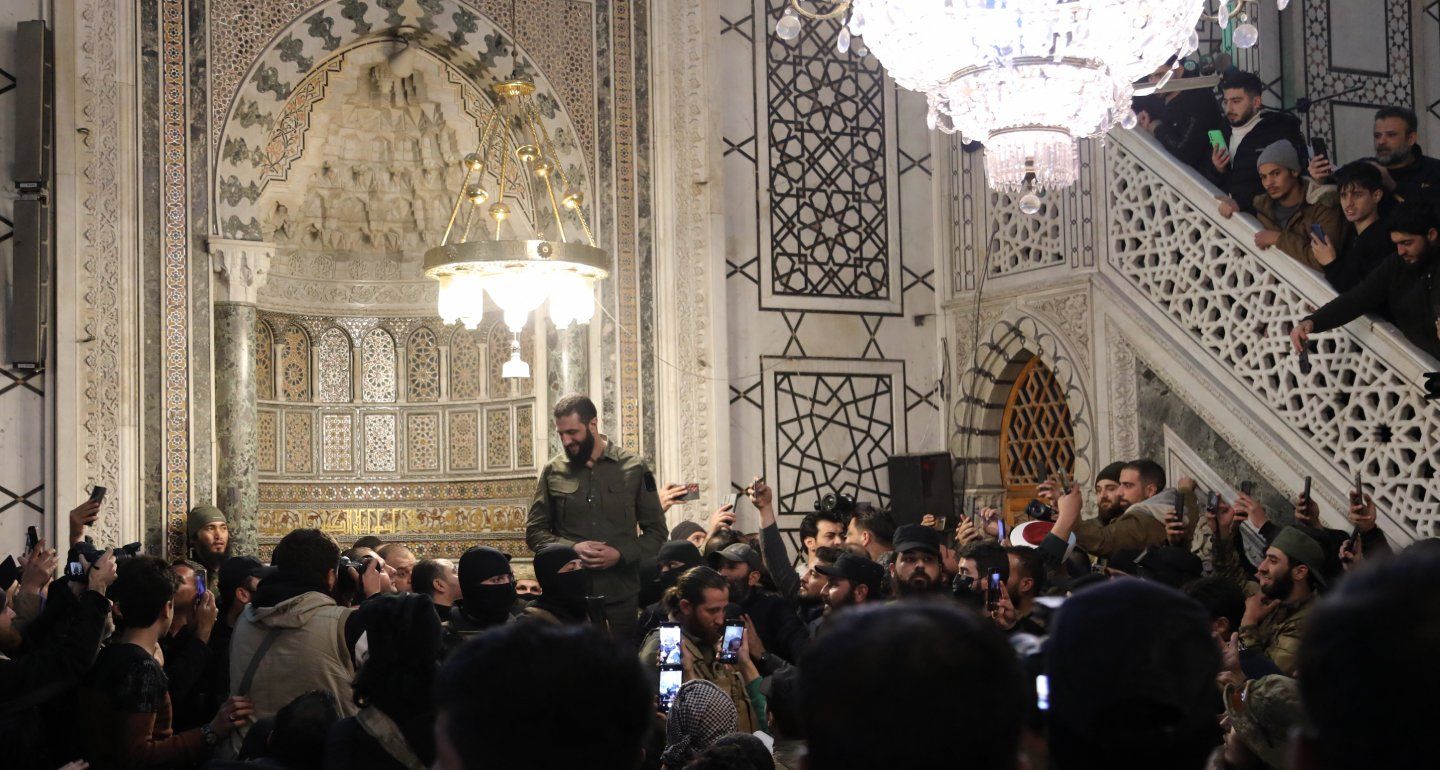
Фото: Abdulaziz Ketaz / AFP via Getty Image
Крах власти Асада стал поражением для России, но новая реальность в Сирии открывает новые возможности и для Кремля.
Падение режима Башара Асада стало болезненным ударом по российским позициям в Сирии — к власти в стране пришли те, с кем Москва помогала воевать на протяжении девяти лет. Однако это еще не означает полного краха ближневосточной политики Кремля. Более того, при определенных условиях Россия может (и уже пытается) найти общий язык с новыми сирийскими властителями. Это куда менее немыслимо, чем кажется, учитывая, что Москва накопила большой опыт в налаживании сотрудничества с радикальными силами в самых разных концах планеты.
Действия России за последние годы явно говорят о том, что на Ближний Восток у нее большие планы. Фактически этот регион стал вторым по значимости для Москвы в экономическом плане после Китая, а Турция, ОАЭ, Египет и Иран теперь выступают ключевыми торговыми партнерами. Сюда же обращены масштабные проекты России вроде газового хаба (будь он в Турции или Иране), новых логистических маршрутов (коридор «Север — Юг» к Индийскому океану) и строительства атомных станций в Иране, Турции и Египте.
Также Россия стремится играть на Ближнем Востоке значимую политическую роль. Помимо посредничества в решении конфликтов, Москва вместе с проиранскими силами работает над тем, чтобы выдавить США из региона. Особенно заметно это было в Сирии, где российские самолеты «опасно маневрировали» с американскими, в то время как иранские союзники запускали ракеты и беспилотники по базам США. Наконец, Россия последовательно налаживает отношения с теми вооруженными формированиями, кто сумел стать реальной властью на определенной территории, — например, талибами в Афганистане и хуситами в Йемене.
Потеря Сирии ставит под вопрос значительную часть этих планов. Базы в Хмеймим и Тартусе играют важную роль в российской логистике на всем Ближнем Востоке и в Африке. Военное присутствие вместе с прошлым спасением режима Асада заставляло региональные силы считаться с Россией, повышая авторитет Москвы. Также Сирия оставалась перспективным активом, который в будущем можно было использовать для торга с США. И даже в войне с Украиной присутствие в Сирии помогало Москве получить дополнительные рычаги в отношениях с Турцией и Израилем, который не скрывал, что не предоставляет вооружения Украине именно из-за сирийской роли России.
То есть Сирия для Москвы — это не просто трогательное наследие прошлых успехов, которое жалко бросить просто потому, что в него было вложено слишком много сил. Нет, это по-прежнему ключевой элемент глобальных планов России, чья польза уже не раз была доказана в прошлом и должна была только вырасти в будущем.
Сейчас сохранение двух военных баз становится главной российской задачей в Сирии. Для этого Москва уже установила контакты с захватившей власть оппозицией и получила от нее первичные гарантии безопасности.
В целом российские шансы остаться в стране уже при новой власти выглядят не такими уж низкими. Конечно, для этого России надо будет найти способ договориться о долгосрочном сотрудничестве с теми, кого она все годы сирийской войны называла террористами. Но Москва не раз доказывала свою предельную гибкость в таких вопросах. Российское руководство без труда перевело талибов из запрещенного террористического движения в статус важных партнеров. И похоже, что аналогичный процесс уже запущен в Сирии.
Сразу после падения Дамаска 8 декабря российские госСМИ начали называть противников Асада не «террористической группировкой “Хайат Тахрир аш-Шам”» (ХТШ) или «коалицией сирийских исламистов», а куда более комплементарно — «вооруженная оппозиция Сирии». Тогда же с сирийского посольства в Москве пропал флаг старых властей, а 9 декабря его заменили на новый — флаг сирийской оппозиции. Столь стремительный переход одного из ключевых посольств под контроль противников Асада вряд ли был бы возможен без содействия российской стороны.
Такой подход к диалогу с новыми властями Сирии вполне укладывается в российское понимание реализма в международных отношениях. С точки зрения идеологии Москве примерно одинаково неблизки исламисты хоть из Ирана, хоть из сирийской суннитской оппозиции. Важнее, что иранские исламисты — это реальная власть в целой стране, поэтому Россия готова иметь с ними дело. И если реальная власть в Йемене теперь у хуситов, в Афганистане — у талибов, а в Сирии — у «Хайат Тахрир аш-Шам», то Москва будет выстраивать отношения с этими структурами.
В каком-то смысле этот подход даже провозглашается Россией как универсальная модель для мирового порядка. «Признать реалии на земле» — это ключевой призыв Кремля к Западу в вопросе признания территориальных изменений на украинском направлении. Так же и с Сирией — раз реалии на земле изменились, то Россия готова их признать, если будут учтены ее интересы.
Правда, препятствием тут может стать позиция ХТШ. Все-таки российские самолеты девять лет бомбили позиции этого движения. Поэтому шансы России остаться в Сирии будут во многом зависеть от того, насколько глубокой оказалась трансформация «Хайат Тахрир аш-Шам» из группы близких к «Аль-Каиде» боевиков в прагматичную силу, готовую к компромиссам.
С сугубо прагматичной точки зрения ХТШ нужна Россия ничуть не меньше, чем России ХТШ. Ведь Москва может предоставить новым властям в Сирии возможность получить международное признание. Вряд ли Европа и США поспешат открывать у себя посольства новых сирийских исламистов, а Кремль это, по сути, уже сделал. Так же начиналось признание Россией талибов.
Более того, Россия может понадобиться ХТШ еще и для того, чтобы движение могло стать самостоятельной силой и дистанцироваться от Турции. Без поддержки Анкары остатки оппозиции никогда бы не выжили в Идлибе, куда их к 2020 году загнала сирийская армия с союзниками. Однако Турция не создавала ХТШ — речь о длительном генезисе «Ан-Нусры» (вчерашней «Аль-Каиды») и близких к ней оппозиционных группировок.
Вряд ли победоносную ХТШ сейчас прельщает перспектива остаться в статусе турецкой прокси. А чтобы получить субъектность, движению нужно заручиться поддержкой как можно большего числа потенциальных партнеров. Так что даже если ХТШ сможет быстро формализовать свои связи с Турцией, Катаром и ОАЭ, признание со стороны такой глобальной державы, как Россия, все равно даст движению совсем иной международный статус.
Также ХТШ явно претендует на всю сирийскую территорию, а здесь главным препятствием остаются США, которые поддерживают курдов и племенные структуры на севере и востоке Сирии. Россия здесь куда больше подходит на роль противовеса американскому влиянию, чем союзники США из Персидского залива или Турция.
Наконец, есть еще и вопрос отношений с Израилем, чьи вооруженные силы сейчас, похоже, решили уничтожить все имеющееся в Сирии оружие, чтобы оно не попало в руки исламистских повстанцев. Тут Россия может выступить посредником в диалоге с израильским руководством. А ограниченные поставки вооружений или обслуживание того, что удастся сохранить, могли бы стать для Москвы удобным крючком, чтобы ХТШ год за годом продлевала российское право сохранять свое присутствие в Сирии.
Попытка обменять признание ХТШ на сохранение баз выводит Россию к двум возможным моделям новой политики в отношении Сирии. Во-первых, военное присутствие в Латакии, значительную часть населения которой составляют алавиты, которые исламистов боятся и ненавидят, порождает соблазн пойти по американо-курдскому пути. Россия может выдвинуть идею создания алавитской автономии, гарантом безопасности которой выступят российские вооруженные силы. Пример курдов, контролирующих при поддержке США немалые территории на севере Сирии, может быть воспроизведен на сирийском побережье, если, конечно, удастся договориться с ХТШ.
Также необходимость договариваться с ХТШ может укрепить готовность России выстраивать сотрудничество с самыми разными радикальными группировками, получившими реальную власть. То, что началось с талибов, может продолжиться в Сирии, а после этого, например, с хуситами. Еще больше возможностей открывается в Африке, где регулярно происходят перевороты и гражданские войны.
Россия в результате сможет взять на себя роль международного легитиматора самых разных захвативших власть радикалов, предоставляя им признание и прочую поддержку в обмен на особые преференции для себя.
Даже предоставление убежища Асаду может добавить российскому предложению убедительности. Да, Москва, если вы потеряете власть, пойдет на договоренности с новым правительством. Однако лично вы, руководители страны, и ваши семьи останетесь целы и невредимы — это вам Россия гарантирует. А кто еще в нашем турбулентном мире может дать такие гарантии?
Как бы то ни было, «12-дневная революция» в Сирии хоть и стала серьезной неудачей для Кремля, вовсе не означает краха российской ближневосточной политики. Москва из региона не уйдет, даже если будет вынуждена оставить Сирию. Масштабное экономическое сотрудничество с Турцией, особые отношения с Ираном, сближение с хуситами и талибами — все это останется даже без сирийских военных баз. Не говоря уже о том, что перспектива найти общий язык с ХТШ не выглядит для Москвы невероятной, а это в случае успеха откроет новые горизонты для Кремля и даже может дать ему новые конкурентные преимущества.
Ссылка, которая откроется без VPN, — здесь.

Востоковед
Недавние работы
Никита Смагин
Никита Смагин
Карнеги не занимает институциональных позиций по вопросам государственной политики; изложенные здесь взгляды принадлежат автору(ам) и не обязательно отражают взгляды Карнеги, его сотрудников или попечителей.

Масштабы идеологического замаха Кремля в образовании не соответствуют социальным реалиям захваченных территорий, которые теперь населяют в основном военные и пенсионеры.

Константин Скоркин

На каждый бюджетный рубль, который в 2027 году потратят на социальную политику, здравоохранение и образование, придется два рубля на армию, полицию, Росгвардию и спецслужбы.

Александра Прокопенко
При всей помпезности встречи двух лидеров, на прошедшем саммите США и Китай не продвинулись в решении ни одного из вопросов, а только застыли друг перед другом, широко улыбаясь и подавая перемирие как прорыв.

Темур Умаров

Европейские крайне правые, возможно, не смогут развернуть политику ЕС в нужное России русло. Но они способны создать внутри Европы достаточно конфликтов, чтобы эффективно нейтрализовать любые ее геополитические амбиции. С точки зрения Кремля, это совсем неплохой результат.

Димитар Бечев

Севморпуть оживает ровно в той мере, в какой воюет остальной мир. Сейчас его подогревают сразу три конфликта, но с уменьшением их интенсивности ситуация, скорее всего, вернется туда, где была 10 лет назад.

Михаил Коростиков