

Commentary
Russia looks set to reap economic benefits from closer ties with Southeast Asian countries that are keen to find reliable energy suppliers and diversify trade ties.
Alexander Gabuev
{
  "authors": [
    "Nancy Birdsall",
    "Moisés Naím"
  ],
  "type": "legacyinthemedia",
  "centerAffiliationAll": "",
  "centers": [
    "Carnegie Endowment for International Peace"
  ],
  "collections": [],
  "englishNewsletterAll": "",
  "nonEnglishNewsletterAll": "",
  "primaryCenter": "Carnegie Endowment for International Peace",
  "programAffiliation": "",
  "programs": [],
  "projects": [],
  "regions": [
    "Southeast Asia"
  ],
  "topics": [
    "Political Reform",
    "Economy",
    "Trade"
  ]
}
REQUIRED IMAGE
The debate about international financial architecture is ending in a whimper. This is too bad for Asian voters and for Asian democracies. Financial faults both at home and abroad were the seeds of the Asian crisis. But it was nurtured by unfortunate politics in Thailand, Indonesia and Korea. The end of the crisis should not mean the end of efforts to make political life a part of the solution.
Source: Carnegie
Originally published in the May 23, 1999 edition of the South China Morning Post
The once-frantic debate about international financial architecture is ending in a whimper. The departure of Secretary Robert Rubin from the United States Treasury spells its death knell. This is too bad for Asian voters and for Asian democracies.
Amid all the suggestions - for an international bankruptcy court, an international central bank, an international insurance agency, or some tinkering with the home plumbing (more bank regulation, better corporate governance) - little was said about politics.
Financial faults both at home and abroad were, of course, the seeds of the Asian crisis. But it was nurtured by unfortunate politics in Thailand, Indonesia and Korea. The end of the crisis should not mean the end of efforts to make political life a bigger part of the solution, not part of the problem. Two key factors play a role.
First, too-close government-business-banking relations. Hailed a few years ago as a key to the Asian model's success, these relations complicated the task of regulating banks and misled the business sector - which assumed that gains in good times could be kept and losses in bad times passed on to government and the public.
True, industrial policies had been phased out (in Korea) or were too small to be consequential to the ensuing crisis (Thailand, Malaysia, and Indonesia). But what remained was the political expectation in all three countries that banks and firms would be protected if they took excessive risks.
The Hanbo case of direct bribery of government was an isolated case in Korea. In Thailand and Malaysia, corruption was subtler and more widespread. In Malaysia and Indonesia, insiders had for years found ways to exploit implicit and explicit subsidies to foster pribumi and bumiputra enterprises. The former Suharto government's responsiveness to cronies and family members was the tip of the iceberg.
As it turned out, cosy relations with government provided at best partial protection against corporate and financial collapse. But politically generated uncertainty surrounding government action led to costly delays - such as the case of the Kia bankruptcy in Korea and holdups in closing finance companies in Thailand.
The lesson: good things can go too far.
In the absence of political channels for public scrutiny, co-operation between government and business was a forerunner of cronyism and, in some cases, corruption, deepening the collapse. New money pouring in from outside in the 1990s only magnified a problem that was festering already.
Second, weak government institutions. The crisis erased the Western image of East Asian governments as autonomous, technocratic, paternalistic and benign. Initial indecisiveness on the part of weak governments generated market uncertainty and made the crisis deeper and costlier. This was true especially, and ironically, in the less-complicated political settings of Indonesia and Malaysia.
Political conflicts between Prime Minister Mahathir Mohamad and his now jailed former deputy Anwar Ibrahim within Malaysia's single dominant party system (the ruling UMNO) meant dangerous policy drift last year. Today, greater certainty under lone ruler Dr. Mahathir looks good for the short run - but is likely to make Malaysia even more vulnerable to future shocks.
Authoritarian Indonesia in 1998 illustrates the risk. Indonesia initially seemed well positioned to manage the challenges emanating from within the region. But when Mr. Suharto's health appeared to fail and he reneged on key commitments, the vulnerability of lone-ranger politics was exposed. The economic crisis developed into a full-blown political crisis and social violence.
In Korea and Thailand prior to the crisis, weak democracies had delayed dealing with pressing problems in the financial sector. In Korea, increasing divisions within the ruling party and impending elections made the government sensitive to pressures from firms and workers. In Thailand, the constitution had produced a fragmented party system and weak coalition governments.
Weak governments were subject to blackmail by small parties, by factions within parties, and most destructively, to demands for protection from important business constituents.
Once the crisis hit, however, democracy, even with weak institutions, proved good for crisis management. The voters ushered in the new governments of Kim Dae-jung in Korea and Chuan Leekpai in Thailand and these were well positioned to push through reforms.
But now even that honeymoon is over. The politics of resistance by entrenched groups is slowing the financial reckoning for bankrupt groups, somewhat in Korea, and much more in Thailand.
For the international community, the financial crisis appears to be over. But the political challenges at home remain: to build support for new programmes by appealing to broad public interests; by encouraging legitimate labour, press and other channels that mediate between individuals and government; by thickening the web of civic scrutiny that healthy party politics and transparent legislative processes allow.
Too bad if the return to normality takes the steam out of healthy movements to strengthen political life, especially in Asia's emerging democracies.
Nancy Birdsall is a senior associate with the Carnegie Endowment for International Peace. Moises Naim is editor of Foreign Policy magazine and former minister of trade and industry in Venezuela. They will be in Bangkok for a June meeting of the Carnegie Economic Reform Network
Former Senior Associate

Distinguished Fellow
Moisés Naím is a distinguished fellow at the Carnegie Endowment for International Peace, a best-selling author, and an internationally syndicated columnist.
Carnegie does not take institutional positions on public policy issues; the views represented herein are those of the author(s) and do not necessarily reflect the views of Carnegie, its staff, or its trustees.
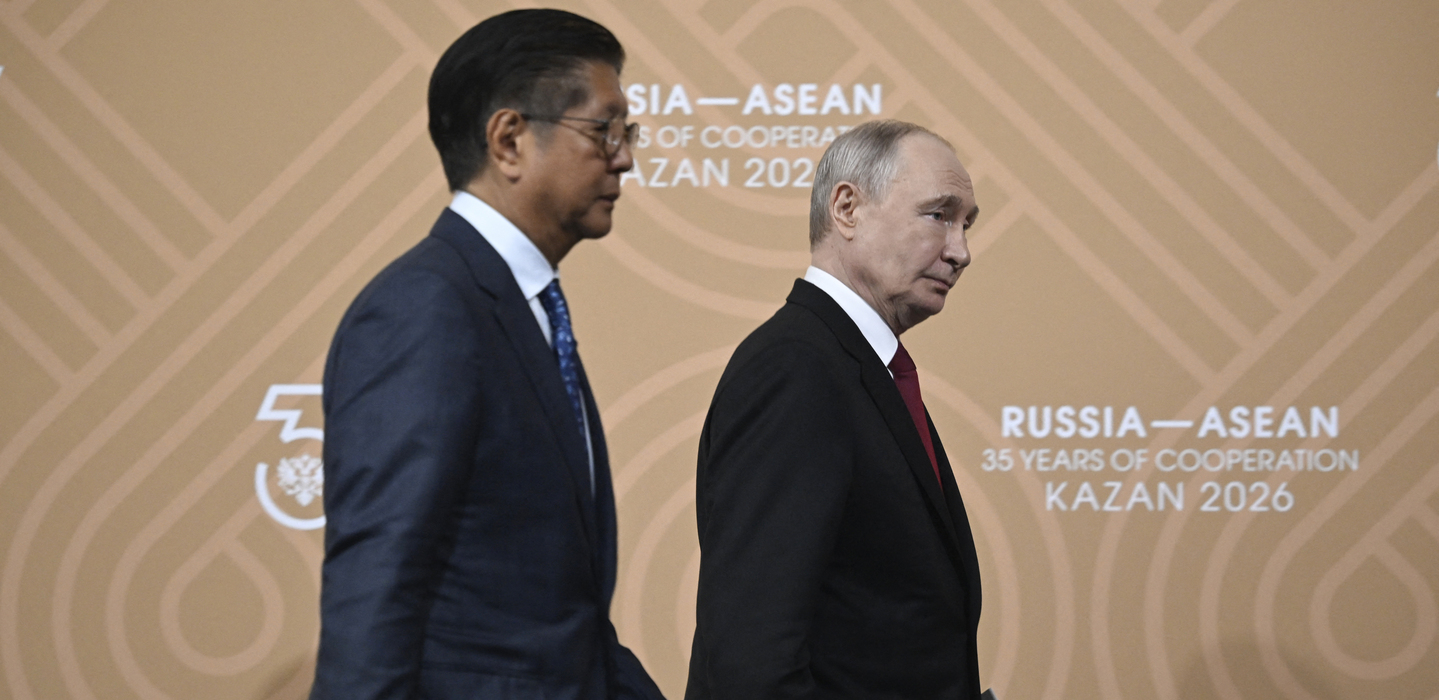
Russia looks set to reap economic benefits from closer ties with Southeast Asian countries that are keen to find reliable energy suppliers and diversify trade ties.

Alexander Gabuev
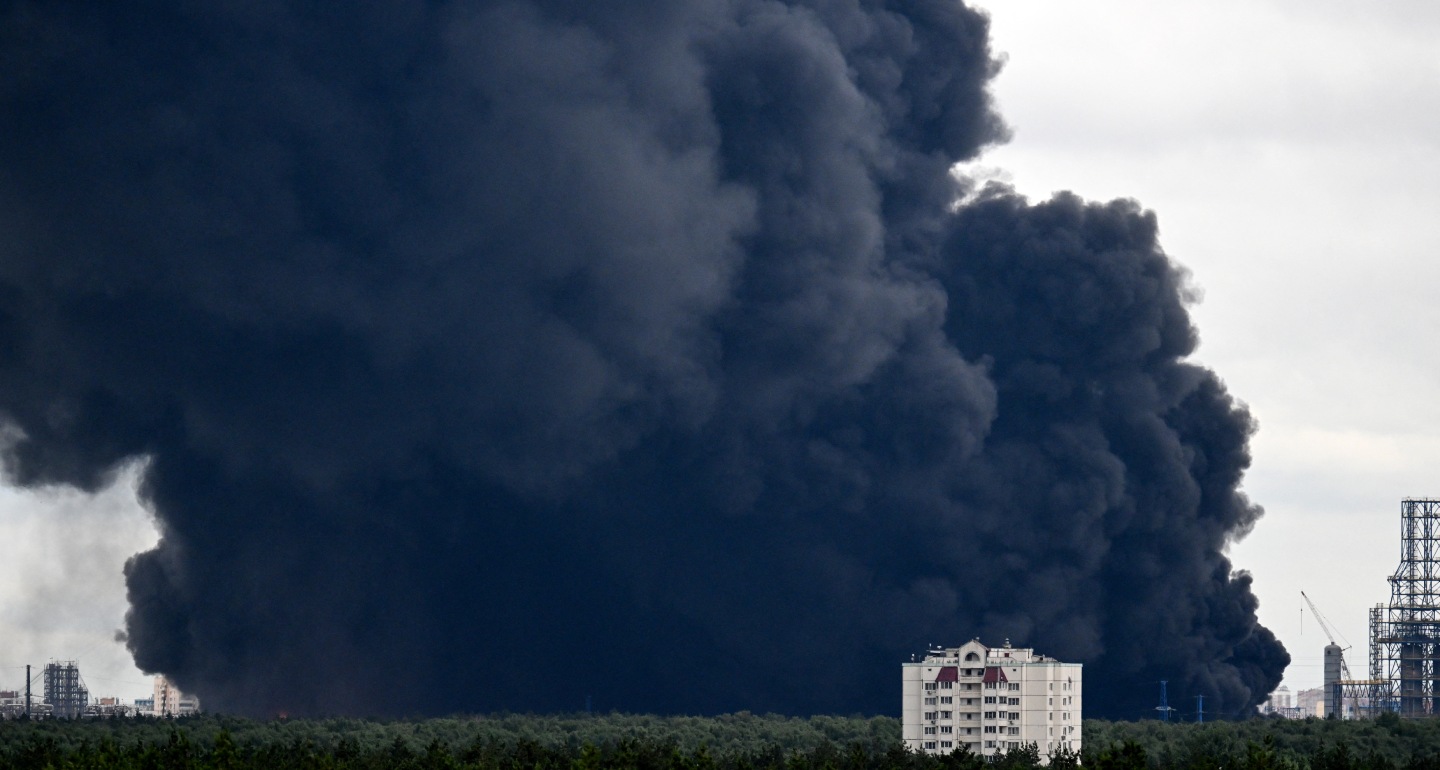
If it proves impossible for the Russian authorities to avoid a gasoline deficit, the question then becomes how they will organize the distribution of a scarce resource.

Sergey Vakulenko

This year’s wars have made alternative routes to transit through Russia no less risky for Central Asian countries.

Galiya Ibragimova
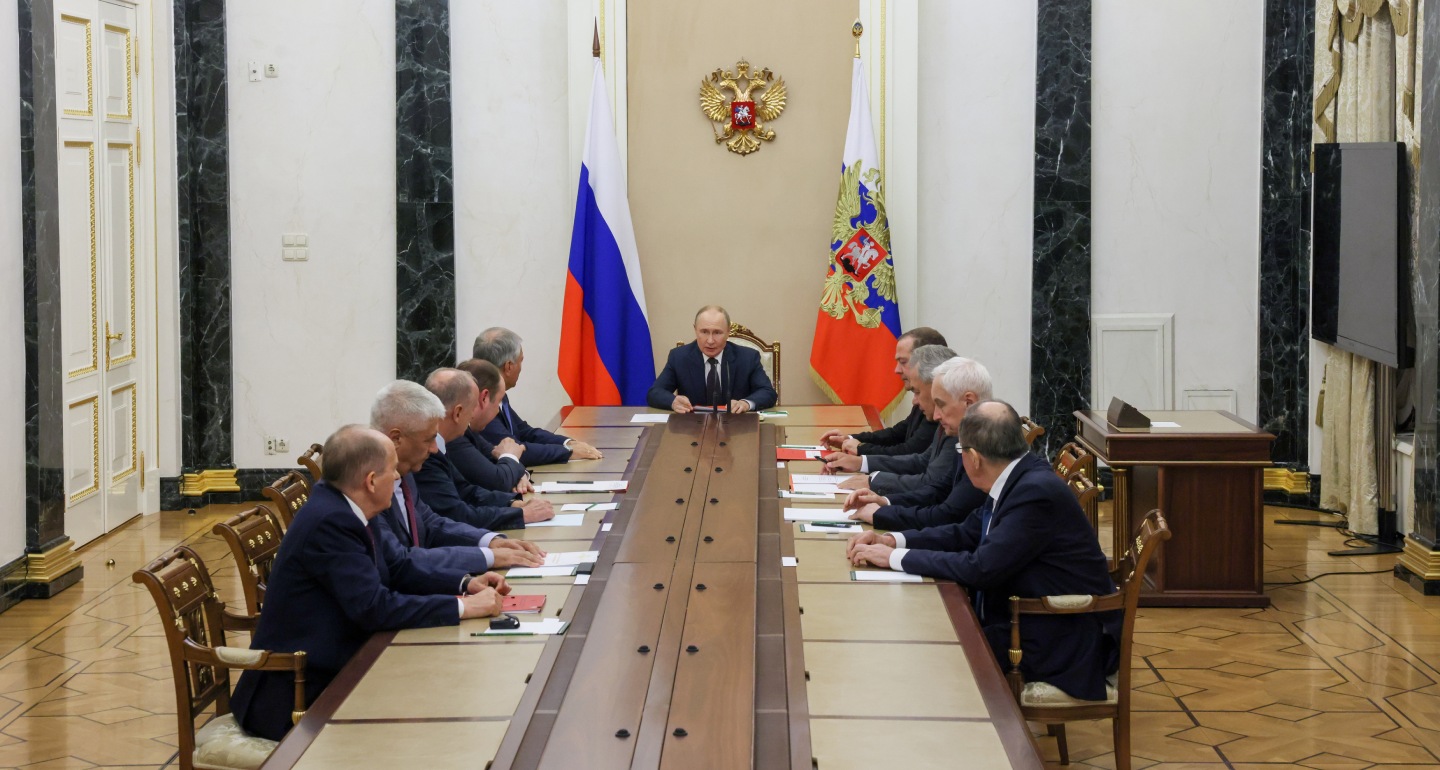
The ruling elites in contemporary Russia are not a political class, but a community of managers who are not subject to competition or public accountability. The state is becoming an operating apparatus without any internal autonomy.

Alexandra Prokopenko

Pashinyan’s pro-European party has been re-elected with a decisive victory. But the pro-Russian opposition could still slow Armenia’s progress toward peace with Azerbaijan and rapprochement with Europe.
Mikayel Zolyan