

Q&A
- +2
Judy Dempsey, Alexander Gabuev, Rose Gottemoeller, …
{
  "authors": [
    "Rose Gottemoeller"
  ],
  "type": "legacyinthemedia",
  "centerAffiliationAll": "dc",
  "centers": [
    "Carnegie Endowment for International Peace"
  ],
  "collections": [],
  "englishNewsletterAll": "ctw",
  "nonEnglishNewsletterAll": "",
  "primaryCenter": "Carnegie Endowment for International Peace",
  "programAffiliation": "russia",
  "programs": [
    "Russia and Eurasia",
    "Nuclear Policy"
  ],
  "projects": [],
  "regions": [
    "Caucasus",
    "Russia"
  ],
  "topics": [
    "Nuclear Policy",
    "Nuclear Energy"
  ]
}
REQUIRED IMAGE
Source: Carnegie
Originally appeared in the Los Angeles Times, September 13, 2002
It isn't news to people in Washington that changes in policy can have unintended consequences. This is just the cost of progress, those within the Beltway believe. But sometimes unintended consequences deal such a hard blow to the strategic interests of this country that they need to be singled out for special attention.
Such is the case with the current U.S. government visa policy.
After it was learned that the Sept. 11 terrorists trained for their missions on valid U.S. visas at U.S. flight schools, no one argued for the status quo on our visa policies. Change was urgent and vital to preserving our national security.
Yet the new visa regimen has had the opposite of the desired effect. Under the new rules, any foreign expert working on scientific or technical matters in nuclear, chemical, biological and related fields must undergo a personal interview at a U.S. embassy or consulate before his or her visa application is sent to Washington in a process that can take months. Applicants are subject to this process even if they have been vetted many times, have been shown to be a legitimate traveler and have successfully received visas in the past to travel to the U.S.
The effect of this new policy has been immediate. Neither the consular system in the U.S. State Department nor the vetting system in other agencies, such as the FBI, is set up to handle the volume of requests. As a result, there is a backlog of 25,000 visas in the process. It may be many months before they are reviewed.
The unintended consequences are beginning to mount:
* Up to 50% of foreign graduate students could not get to their U.S. universities in time to start the 2002 academic year. The problem is especially severe in certain technical fields, such as mechanical engineering.
* U.S. companies operating in countries such as China have all but given up on getting their foreign employees into the U.S. for training at corporate headquarters or other training sites.
* In the former Soviet Union, U.S. cooperative programs to protect and eliminate nuclear, chemical and biological weapons are beginning to suffer. Russian and other experts from the former Soviet states are not receiving visas to travel to the U.S. This alone has slowed the programs, and it is only a matter of time before U.S. experts working on these programs are refused visas in return.
The impact on U.S. strategic interests is not hard to see. If the most talented young scientists and engineers from around the world can no longer come to U.S. graduate schools, then U.S. science and engineering will lose its international dominance. If U.S. companies can no longer train their foreign employees in advanced U.S. methods, then our edge in economic globalization will begin to dull. And if U.S. experts can no longer work with Russia and other states to protect and eliminate weapons of mass destruction, then those weapons will more likely fall into the hands of terrorists.
In ways such as these, the new visa policy could profoundly harm this country rather than help it. We cannot, however, go backward: We must improve and strengthen ways to keep enemies of the U.S. off our soil. U.S. visa policy has to be formulated in a way that responds to this goal and also serves other U.S. interests.
We need a mechanism to enable quick decisions about the vast majority of law-abiding foreign visitors who are trying to enter the U.S. on legitimate business. Then consular officers will be able to concentrate on the hard cases. Once an individual is thoroughly vetted, for example, he could be issued a "laser visa" incorporating state-of-the-art biometric techniques that would be hard to counterfeit and would enable the traveler to pass more quickly through the entry process. This tool, discussed in an article found on www.ceip.org, would be similar to that which many experienced U.S. travelers are arguing for--a pre-clearance card showing that the traveler is not a risk and that allows for quick passage through airport security.
The arguments against such systems revolve around civil liberties and the queasiness that many Americans feel at the notion that their identity would be contained on a computer chip. But if technology can help us to sort through foreign visitors and admit those who are legitimate, then it would serve all of our goals--protecting against enemies and advancing important strategic interests.
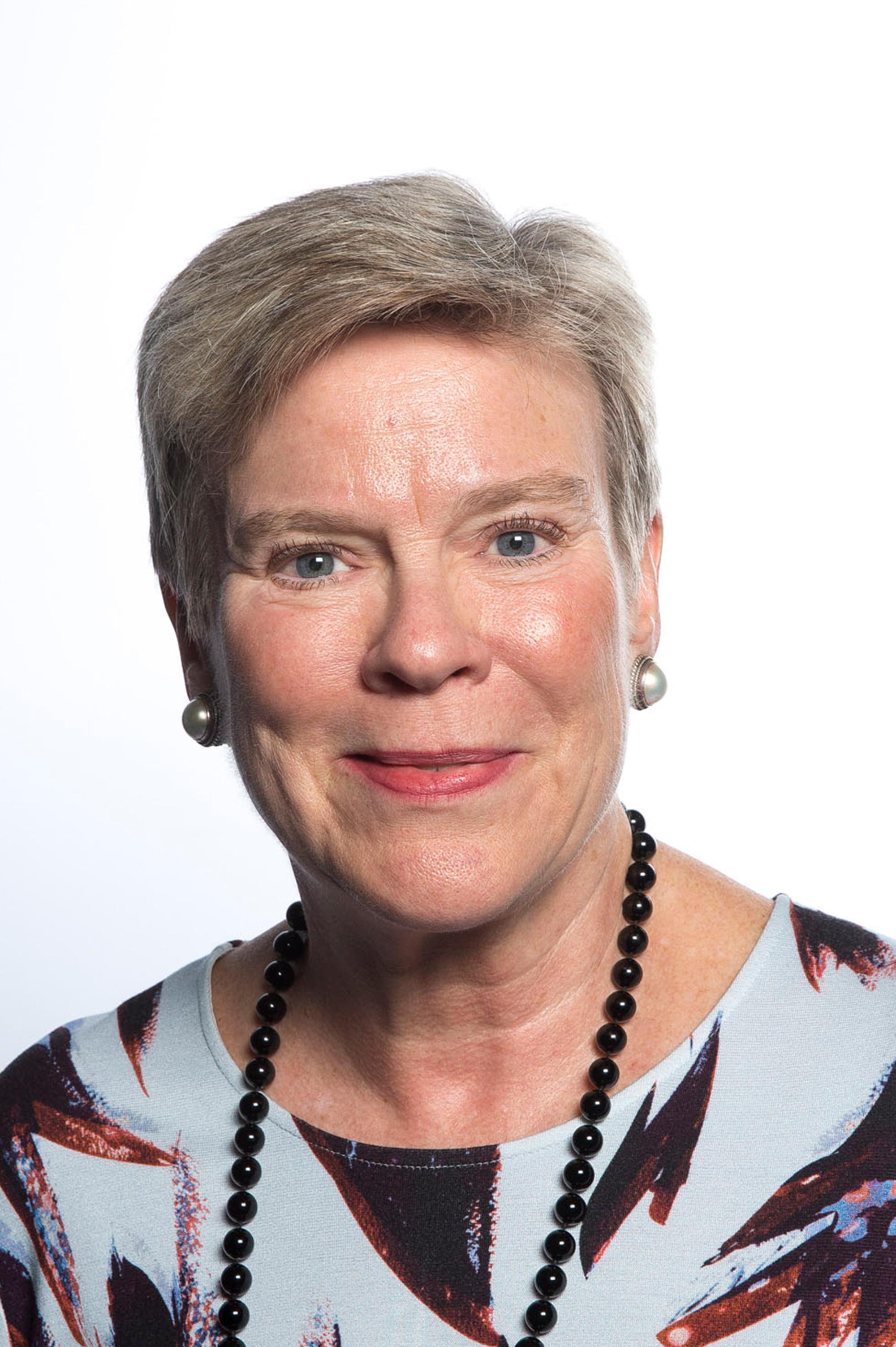
Nonresident Senior Fellow, Nuclear Policy Program
Rose Gottemoeller is a nonresident senior fellow in Carnegie’s Nuclear Policy Program. She also serves as lecturer at Stanford University’s Freeman Spogli Institute for International Studies and is a research fellow at the Hoover Institution. Ambassador Gottemoeller served as the deputy secretary general of NATO from 2016 to 2019.
Recent Work


Judy Dempsey, Alexander Gabuev, Rose Gottemoeller, …
Carnegie does not take institutional positions on public policy issues; the views represented herein are those of the author(s) and do not necessarily reflect the views of Carnegie, its staff, or its trustees.

The European far right might fail to steer EU policy in the direction Russia wants, but they will create enough chaos inside Europe to benefit the Kremlin.

Dimitar Bechev

Russia’s ruling party would have benefited from Putin appearing as its distant patron, but as an active frontman imposing his views on the public, he has done nothing but harm both the party’s election campaign and the ruling system overall.

Andrey Pertsev

Depleted financial reserves and a shrinking tax base mean it is no longer possible to simultaneously deliver high defense spending, price stability, and economic growth.

Alexandra Prokopenko
Blurring the line between humans and animals is a long-standing tradition in social utopian prose. In his latest novel, Leonid Bershidsky reminds us that in social experiments, people are often treated no differently than animals.

Alexander Baunov
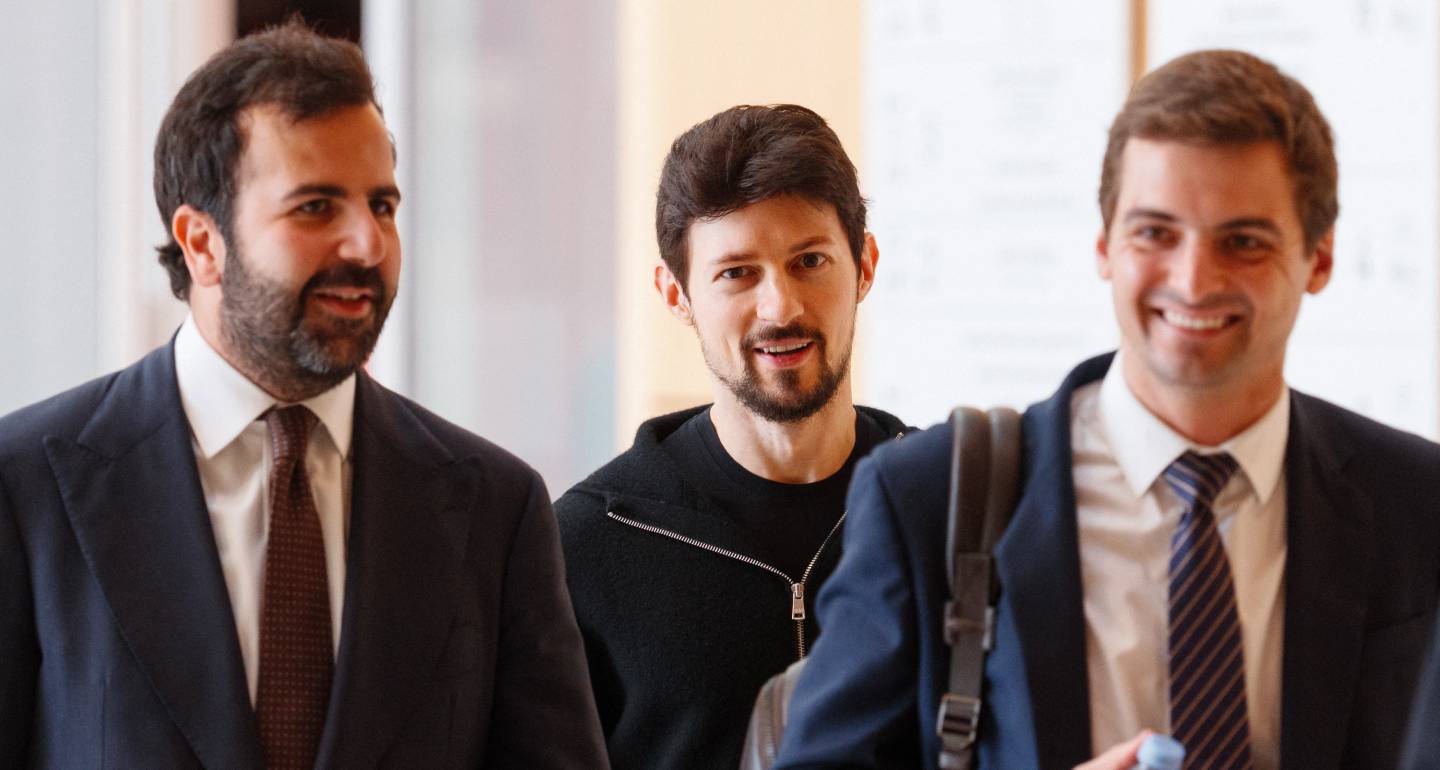
While France and Australia are seeking to establish the legal obligations of messaging apps like Telegram, Russia wants total subordination.

Maria Kolomychenko