

In The Media
Martha Brill Olcott
{
  "authors": [
    "Martha Brill Olcott"
  ],
  "type": "legacyinthemedia",
  "centerAffiliationAll": "dc",
  "centers": [
    "Carnegie Endowment for International Peace"
  ],
  "collections": [],
  "englishNewsletterAll": "ctw",
  "nonEnglishNewsletterAll": "",
  "primaryCenter": "Carnegie Endowment for International Peace",
  "programAffiliation": "russia",
  "programs": [
    "Russia and Eurasia"
  ],
  "projects": [],
  "regions": [
    "Caucasus",
    "Russia"
  ],
  "topics": [
    "Security"
  ]
}
REQUIRED IMAGE
Source: Carnegie
31/10/02
Transcript:
Introduction:
President Putin appears to be winning strong support for his handling of the Russian hostage crisis. That despite scores of people dead. Martha Olcott specializes in Russian affairs at the Carnegie Endowment for International Peace in Washington. On Commentary she says the Russians actually dropped the ball and that could have repercussions for the West.
Martha Olcott:
The Russian government obviously faced some terrible choices in how to resolve the hostage crisis. But the ineptness of their response - 115 hostages dead as well as scores of hostage takers - leaves a bitter taste.
Making decisions in hostage-taking situations is complex and best left to professionals. But one doesn't have to be a specialist on terrorism to criticize the lack of preparation with which the Russian government chose to intervene.
The authorities in Moscow should have planned and executed the release of the hostages with far more attention to detail. The dosage of poison gas used should have been considered more carefully. Doctors and other medical personnel should have been mobilized and brought to the site to follow right behind the special forces who lobbed in the gas, after a brief but safe interval. Ambulances should have been brought in close to the building (in place of the city buses that had been parked there from the early hours of the crisis). These ambulances should have been staffed with medical personnel well briefed on what side-effects to expect and equipped with the proper antidotes to administer in order to counteract the potentially poisonous properties of the gas that filled the theater. But none of this was done, creating a still mounting number of fatalities and the risk that hundreds of the surviving hostages could have serious lingering health problems.
The missteps broadcast live on Russian television, seem certain to come back to haunt Russian president Vladimir Putin. His first term as president is now roughly half over, and has been filled with successive images of Russian failure. There have been a series of civil and military disasters, including the sinking of the Kursk submarine by a Russian torpedo. That too was another botched rescue that left no survivors.
Most serious is the seemingly unending war in Chechnya. Putin sent Russian troops back to Chechnya promising the Russian people the victory that had eluded his predecessor, Boris Yeltsin. Actions like the Chechen's taking theater-goers hostage may harden feelings among ordinary Russians as to the justness of this war. But the Russian government's handling of the crisis will do little to assure them that either victory or a negotiated settlement is within reach.
Faced with a sense of growing desperation, Putin might decide to widen this war, attacking so-called "terrorist" targets in nearby republics of the Russian federation, or even in neighboring Georgia. The latter would be bad news for the Bush administration. It would have to strongly condemn Russian actions, at the very time that the US is seeking a broad international coalition for possible military action in Iraq.
For Commentary, I'm Martha Olcott in Washington.
Commentary is a national program on Canadian Broadcasting
Corporation (CBC) Radio. It runs on all of Canadian stations between 08:15 and
08:30 weekday mornings.
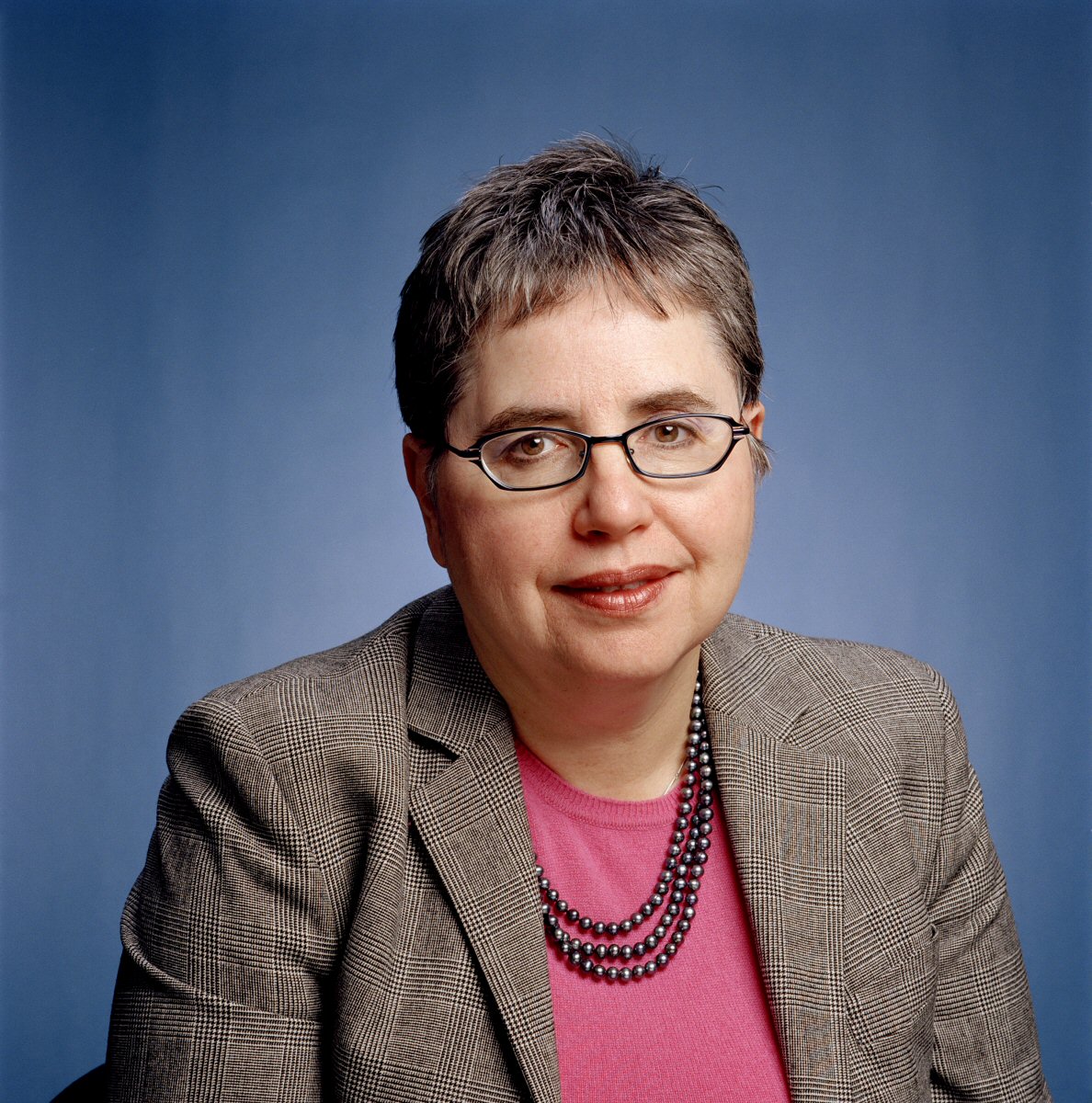
Former Senior Associate, Russia and Eurasia Program and, Co-director, al-Farabi Carnegie Program on Central Asia
Olcott is professor emerita at Colgate University, having taught political science there from 1974 to 2002. Prior to her work at the endowment, Olcott served as a special consultant to former secretary of state Lawrence Eagleburger.
Recent Work
Martha Brill Olcott
Martha Brill Olcott

Depleted financial reserves and a shrinking tax base mean it is no longer possible to simultaneously deliver high defense spending, price stability, and economic growth.

Alexandra Prokopenko
Blurring the line between humans and animals is a long-standing tradition in social utopian prose. In his latest novel, Leonid Bershidsky reminds us that in social experiments, people are often treated no differently than animals.

Alexander Baunov
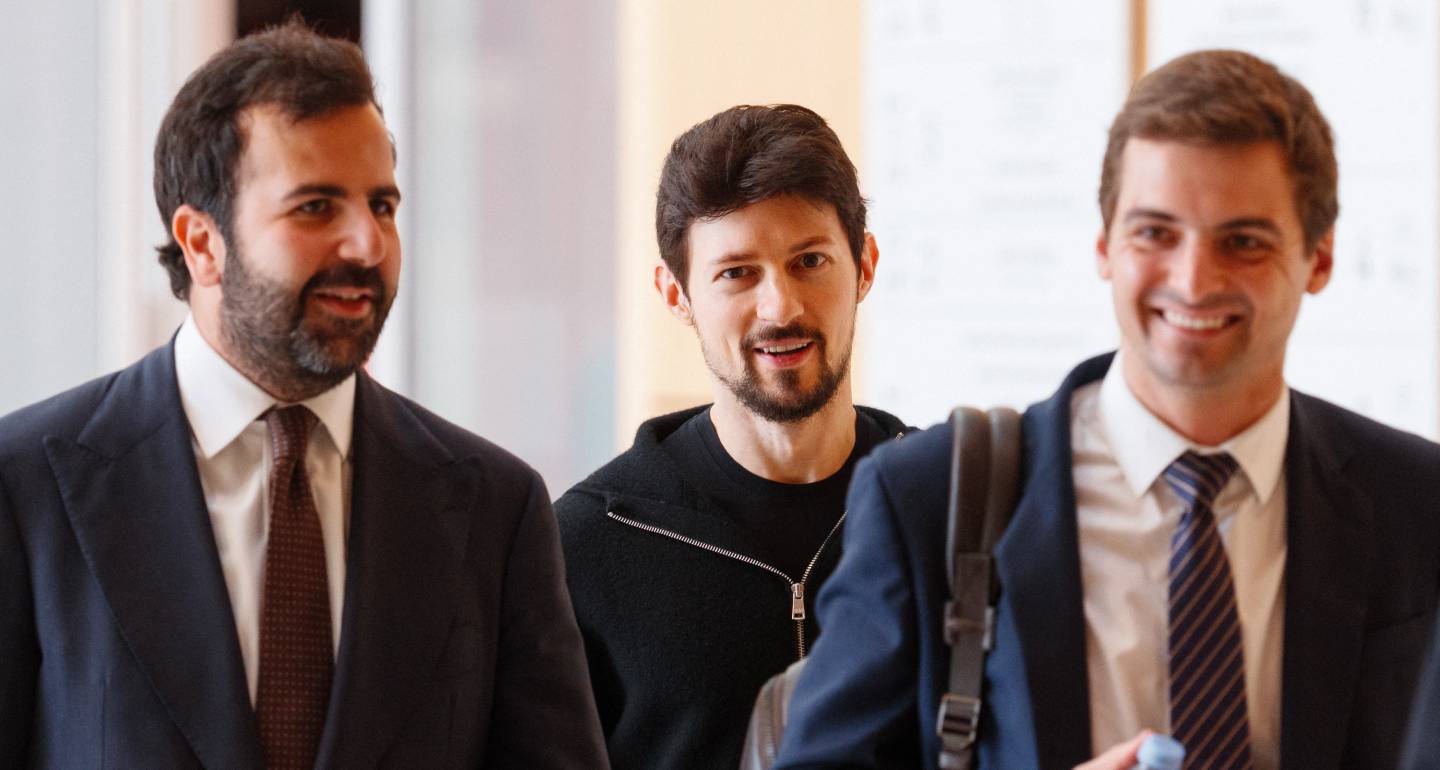
While France and Australia are seeking to establish the legal obligations of messaging apps like Telegram, Russia wants total subordination.

Maria Kolomychenko
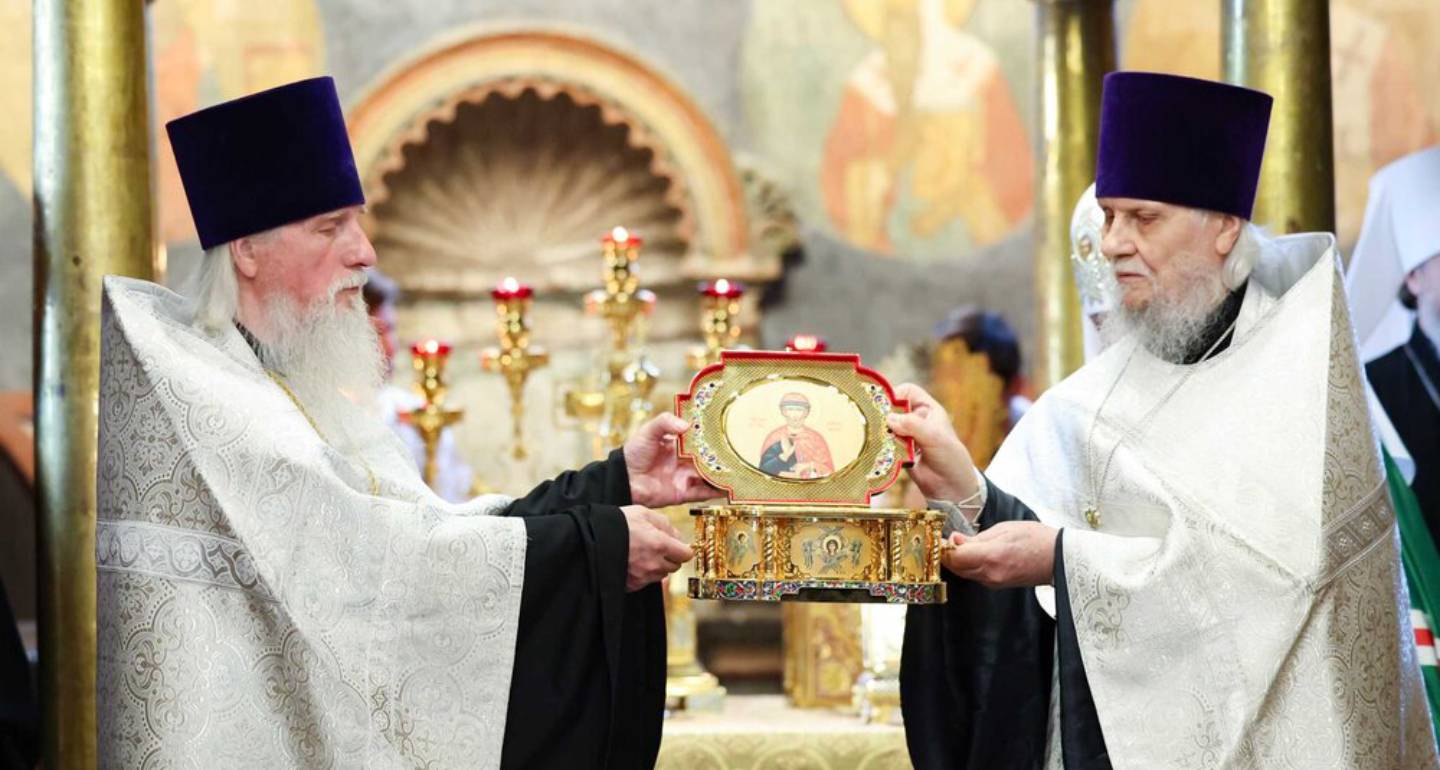
The recent uncovering of Dmitry Donskoy’s relics in the Cathedral of the Archangel is yet another attempt by the Russian Orthodox Church to help the state solve its problems. However, parroting the state’s version of Russian history leaves the Church with no message except “patriotism.”
Alexander Zanemonets

With the growth in points of friction between the great powers, organizations like the SCO will continue to play a role in the strategic adaptation of the smaller powers caught between them.

Temur Umarov