

Report
Mr. Husain Haqqani, Ashley J. Tellis
{
  "authors": [
    "Husain Haqqani"
  ],
  "type": "legacyinthemedia",
  "centerAffiliationAll": "dc",
  "centers": [
    "Carnegie Endowment for International Peace"
  ],
  "collections": [],
  "englishNewsletterAll": "ctw",
  "nonEnglishNewsletterAll": "",
  "primaryCenter": "Carnegie Endowment for International Peace",
  "programAffiliation": "russia",
  "programs": [
    "Russia and Eurasia"
  ],
  "projects": [],
  "regions": [
    "Pakistan"
  ],
  "topics": []
}
REQUIRED IMAGE
Source: Carnegie
Bitter, but truth is only way
Those pretending that decisions made in national interest need no explanation beyond the assertion of their being in national interest are often proven wrong.
Originally published in The Indian Express on June 16, 2004
The Director General of Pakistan’s Inter Services Public Relations (ISPR), Major General Shaukat Sultan, has reportedly urged the Pakistani press to avoid basing reports and analyses on ‘‘baseless propaganda by the foreign media against Pakistan’’. His passionate appeal for Pakistanis to avoid ‘Pakistan-bashing’ reminded me of an incident that had a major impact on my life.
On the morning of December 16, 1971, my late father shared with his children the bad news he had heard on the BBC. The Pakistani Eastern Command had agreed to surrender ‘‘all Pakistani armed forces in Bangladesh to Lt General Jagjit Singh Aurora, GOC-in-C of the Indian and Bangladesh forces in the eastern theatre’’.
Stunned, I refused to believe him. ‘‘This is baseless propaganda by the foreign media against Pakistan’’, the 15-year-old son shouted at his father, who had once been a military officer himself. Only four days earlier, Radio Pakistan had announced that no Pakistan troops had surrendered in East Pakistan. ‘‘The question of any surrender is ruled out because our troops are determined to lay down their lives.’’
Only in the afternoon of the 16th, and around the time the surrender ceremony was being held at the Paltan Maidan of Dhaka, did ISPR release a 27-word statement. It read, ‘‘Latest reports indicate that following an arrangement between the local commanders of India and Pakistan, fighting has ceased in East Pakistan and the Indian troops have entered Dhaka.’’
But still, things were sufficiently normal for President, General Agha Muhammad Yahya Khan, to schedule an address to the nation to announce his plans for a new constitution.
I learnt two lessons from the episode. First was, of course, the personal one of deferring to superior wisdom and hard facts. The second lesson relates to realising that public relations and accusations of ‘‘propaganda by foreigners’’ are not a substitute for analysis of ground realities.
Having worked in government, I am aware of the tendency of Pakistan’s rulers to consider critics as enemies. In actual fact, sometimes the critics and the harbingers of bad news are the only true friends of the nation and the state. Those pretending that ‘‘all is well’’ or that decisions made in the national interest need no explanation beyond the assertion of their being in the national interest are often proven wrong.
Civilians are not soldiers and therefore do not turn on the command of a superior officer. They have to be persuaded and reasoned with. In the age of multiple sources of information, they also have access to the historic record.
General Musharraf’s military regime often claims credit for Pakistan’s free media but the relative freedom of the media in Pakistan is as much a product of changed times. In 1971, for example, my father had access to BBC radio only for one hour each in the morning and evenings and that too on short wave. The government could ban all foreign newsmagazines and newspapers. Now, the government cannot afford to limit access to 24-hour TV news and the Internet.
At his briefing on June 11, General Sultan described pro-Taliban Pashtun tribal militant Nek Muhammad as ‘‘a petty local facilitator’’ who has been hiding foreign militants for ‘‘small financial gains’’. He may be right. But on April 24, Lt General Safdar Hussain had garlanded the same ‘‘petty local facilitator’’ in the glare of ISPR-facilitated publicity. If he was so petty, why depute a Corps commander to shake hands with the man? If he is important enough to be greeted by a Lt General, why describe him as ‘‘a petty local facilitator’’?
Similarly, the government announced that it had bombed a compound used by Al-Qaeda financier Abdel Hadi al-Iraqi. But that person was reported captured in January 2002.
The problem is that admitting mistakes interferes with the establishment’s design of ruling the country indefinitely. When voices like mine in the media point out the internal contradictions of the establishment’s grand design, we should not be accused of Pakistan-bashing. The establishment is not Pakistan, though it wants to think that it is.
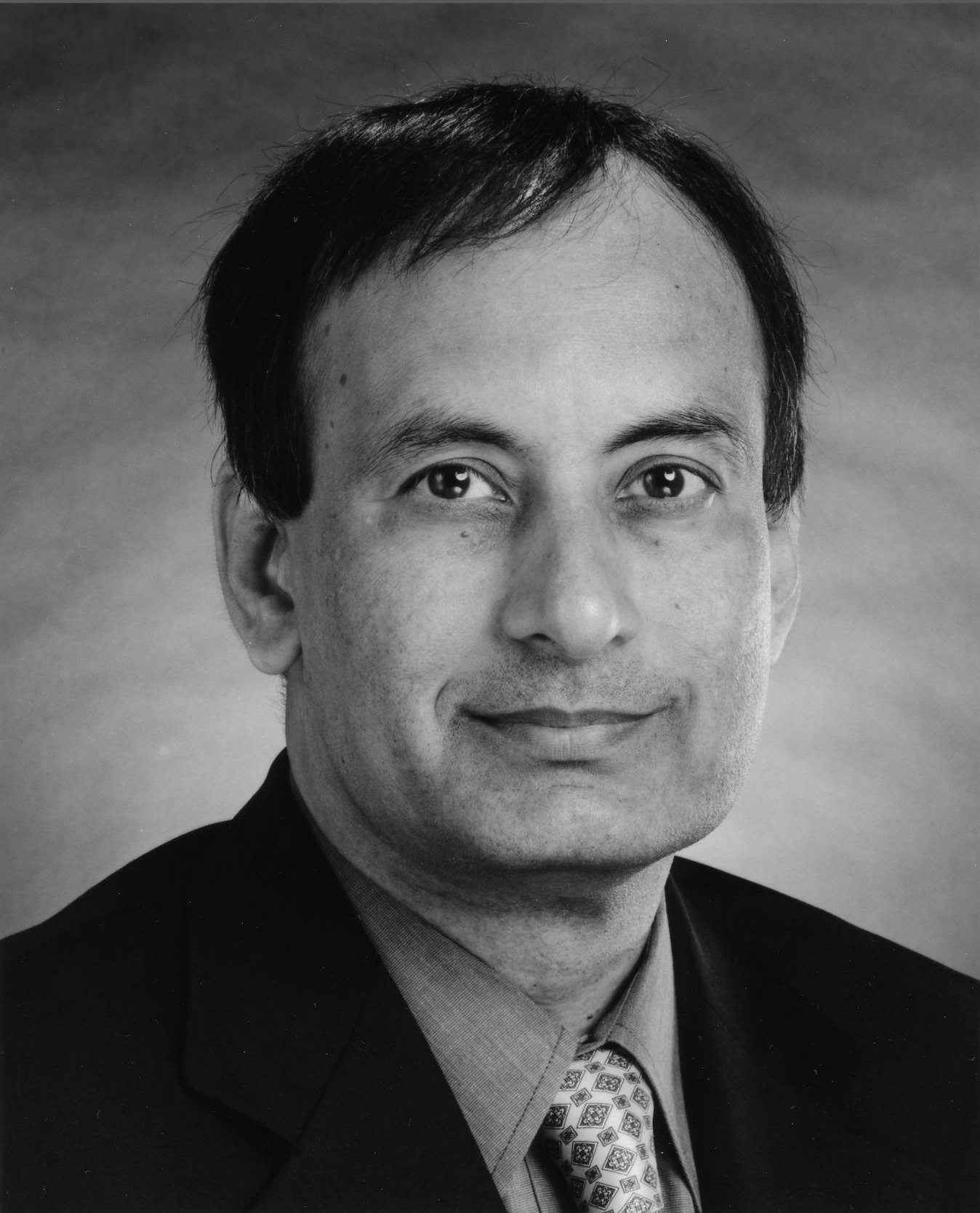
Husain Haqqani is a visiting scholar at the Carnegie Endowment for International Peace in Washington DC. He served as adviser to Pakistani prime ministers Nawaz Sharif and Benazir Bhutto and as Pakistan ambassador to Sri Lanka.
Former Visiting Scholar
Recent Work
Mr. Husain Haqqani, Ashley J. Tellis
Mr. Husain Haqqani
Carnegie does not take institutional positions on public policy issues; the views represented herein are those of the author(s) and do not necessarily reflect the views of Carnegie, its staff, or its trustees.
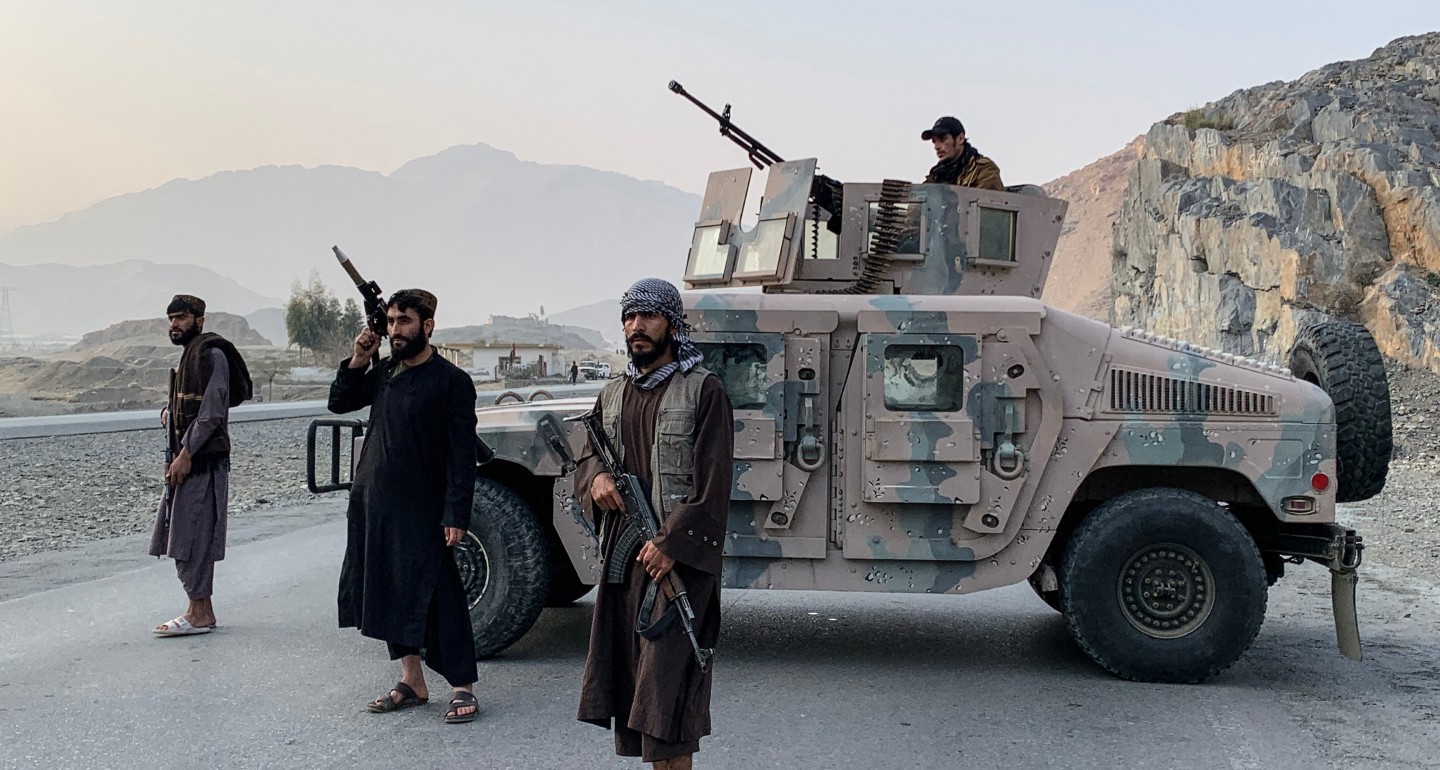
Not only does the fighting jeopardize regional security, it undermines Russian attempts to promote alternatives to the Western-dominated world order.
Ruslan Suleymanov
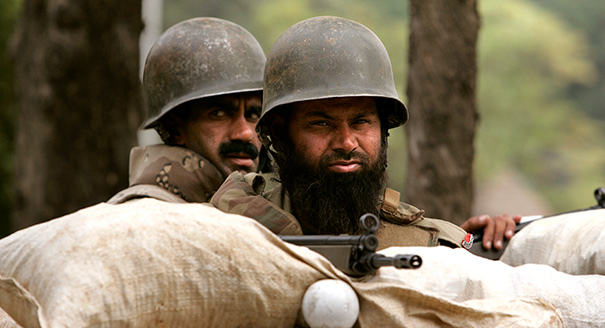
Recent developments in Russia-Pakistan relations seem to create a false impression of solid cooperation, which simultaneously irritates a few third countries. This is why Russia needs to rethink not only its policy towards Islamabad, but the region as a whole.
Petr Topychkanov
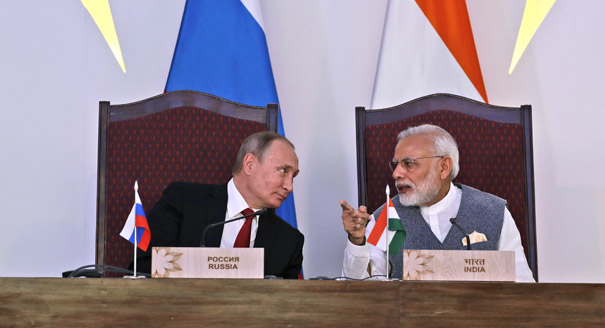
Russia badly needs to produce a long-term strategy towards India and the region of south Asia, and to stop thinking about India and Pakistan tactically and separately.
Petr Topychkanov
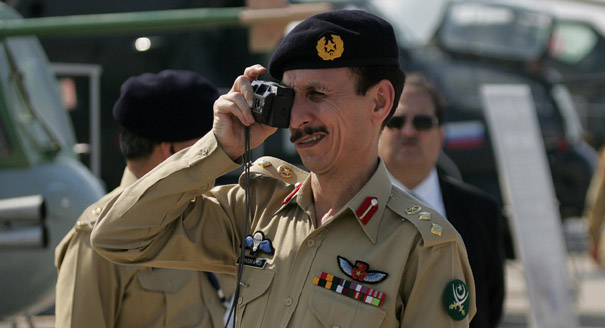
Russia's recent military exercises with Pakistan showed that Moscow still views many international issues through the prism of its relations with the U.S. Such a position might put Russia-India relations at risk.
Petr Topychkanov
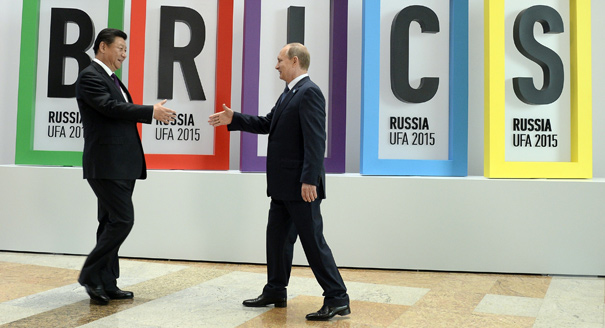
Before India and Pakistan enter the SCO, Russia and China should make an effort to help them prevent future conflicts. Failing to help manage the relationship now carries a serious risk for the entire SCO project started by Beijing and Moscow 15 years ago. So, China and Russia owe it to themselves to begin defusing tensions between their partners.
Dmitri Trenin