

In The Media
John Judis
{
  "authors": [
    "John Judis"
  ],
  "type": "legacyinthemedia",
  "centerAffiliationAll": "dc",
  "centers": [
    "Carnegie Endowment for International Peace"
  ],
  "collections": [],
  "englishNewsletterAll": "menaTransitions",
  "nonEnglishNewsletterAll": "",
  "primaryCenter": "Carnegie Endowment for International Peace",
  "programAffiliation": "MEP",
  "programs": [
    "Middle East"
  ],
  "projects": [],
  "regions": [
    "North America",
    "United States",
    "Middle East"
  ],
  "topics": [
    "Security",
    "Foreign Policy"
  ]
}
REQUIRED IMAGE
In terms of foreign policy, September 11 did represent a turning point, but one away from a potentially fruitful approach to the Middle East toward a strategy that was destined to fail.
Source: The Australian
The Bush administration has insisted that the September 11, 2001, attacks against the US constituted a turning point or a watershed in U.S. and world history.
"The fires of September 11 signalled the start of a new war, and the lessons of September 11 have a profound effect on the way the United States is fighting that war," Vice-President Dick Cheney said on the second anniversary of the terrorist attacks. "The attacks on September 11 were a turning point for our nation," President George W. Bush declared on the third anniversary last September.
There are ways in which September 11 has dramatically altered the US. American voters, who had largely ignored the world outside, became preoccupied with national security, to the benefit of Bush and the Republican Party. The Government reshuffled its departments and priorities, creating, among other things, an unwieldy Department of Homeland Security incapable of responding to Hurricane Katrina. But in responding to the September 11 attacks, the Bush administration adopted a strategy that was neither novel nor effective.
Al-Qa'ida's attack against the World Trade Centre and the Pentagon was not the first use of suicide bombers against Americans. In Beirut in 1983, suicide bombers linked to Islamic Jihad struck the US embassy and the marine barracks. In 1993, Islamic radicals linked to al-Qa'ida tried to blow up the World Trade Centre. And al-Qa'ida struck the US embassies in Kenya and Tanzania in 1998, and the USS Cole in 2000.
September 11 differed from the earlier attacks in its size and success, but not in its tactics or rationale. Like September 11, these attacks were intended to force the US out of the Arab Middle East. They were based on the perception that the US had inherited Britain's imperial role in the region by taking Israel's side against the Palestinians and by propping up client regimes.
In his last years in office, president Bill Clinton was developing a foreign policy to deal with these threats.
"I believe that the biggest problems to our security in the 21stcentury and to this whole modern form of government will probably come not from rogue states or people with competing views of the world in governments, but from the enemies of the nation-state, from terrorists and drug runners and organised criminals," Clinton declared in Florence, Italy, in November 1999.
Clinton also became preoccupied in his last year with advancing the peace process between Israel and the Palestinians, and had begun to consider a rapprochement with Iran. His strategy combined waging a "war on terror" against specific terrorist groups while attempting to address the underlying geopolitical grievances on which the terrorist groups thrived.
Bush's first response to the September 11 attacks seemed to follow Clinton's. He directed U.S. military at al-Qa'ida and at the Taliban regime that was providing Osama bin Laden with a safe haven; he tried to nudge the Israelis and Palestinians back to the negotiating table; and he tried to win Syrian and Iranian support against al-Qa'ida.
But after overthrowing the Taliban in Afghanistan in 2001, Bush turned back to an older US strategy that predated Clinton. And the results were predictable: the worst disaster for US foreign policy since the Vietnam War.
With the notable exception of the Suez crisis in October 1956, U.S. policy in the Middle East after World WarII took its cue from the British. The US subsidised and protected friendly regimes in Saudi Arabia and the shah's Iran and tried to overthrow regimes in Iraq, Iran and Syria deemed to be unfriendly.
And it used Israel, seen as a symbol of Western colonialism, as one of its point men in the region. This strategy provoked a backlash, most clearly in Iran in 1978. And al-Qa'ida, however twisted its designs, was part of this reaction against America's neo-imperial strategy.
Yet in 2002 Bush adopted precisely this strategy. It allied the U.S. closely to Egypt's Hosni Mubarak, the Saudis and the smaller emirates. It backed Israeli Prime Minister Ariel Sharon's attempt to defeat the Palestinians militarily. And it staked its success in the "war on terror" on toppling Saddam Hussein's Iraqi regime, hoping to follow it up with regime change in Iran and Syria. (In the spring of 2003, before the resistance to the U.S. occupation of Iraq had clearly emerged, Pentagon planners were privately urging similar attacks on Iran and Syria.)
By eliminating these governments and replacing them with pro-U.S. regimes, the Bush administration hoped to remove any possible support for terrorist movements. This strategy failed in Iraq just as it had earlier failed in Iran. It provoked an anti-colonial opposition to American occupation, which eventually took on the colouration of radical Islam.
By confirming charges that the U.S. was out to dominate the region, it created sympathy for al-Qa'ida. It strengthened conservative rule in neighbouring Iran.
With the occupation of Iraq in its third year, the U.S. can hope at best for a Shia Iraq that is closely allied to Iran. But equally likely is a failed state that will become a haven for terrorists and a threat to the stability of the world's oil supplies.
There are some indications that the Bush administration understands its strategy in the "war on terror" has failed. Prodded by British Prime Minister Tony Blair, the administration has helped to revive the peace process between Israel and the Palestinians. It has also resisted pleas from neo-conservatives to attempt regime change in Iran.
And some of the architects of the post-September 11 strategy, including former deputy secretary of defence Paul Wolfowitz, are no longer at their posts. But the most important players - Bush, Cheney and Secretary of Defence Donald Rumsfeld - remain in office, and show little sign of a willingness to rethink the premises of US diplomacy, especially in Iraq.
In terms of foreign policy, September 11 did represent a turning point, but one away from a potentially fruitful approach to the Middle East toward a strategy that was destined to fail.
John B. Judis is a senior editor of The New Republic in Washington, DC, and the author of, most recently, The Folly of Empire: What George W. Bush Could Learn from Theodore Roosevelt and Woodrow Wilson (Scribner 2004).

Former Visiting Scholar
As a visiting scholar at Carnegie, Judis wrote The Folly of Empire: What George W. Bush Could Learn from Theodore Roosevelt and Woodrow Wilson.
Recent Work
John Judis
John Judis
Carnegie does not take institutional positions on public policy issues; the views represented herein are those of the author(s) and do not necessarily reflect the views of Carnegie, its staff, or its trustees.

Orbán created an image for himself as virtually the only opponent of aid to Ukraine in the entire EU. But in reality, he was simply willing to use his veto to absorb all the backlash, allowing other opponents to remain in the shadows.

Maksim Samorukov

Central Asia’s digital ambitions are achievable, but only if policy is aligned with the region’s physical constraints.

Aruzhan Meirkhanova
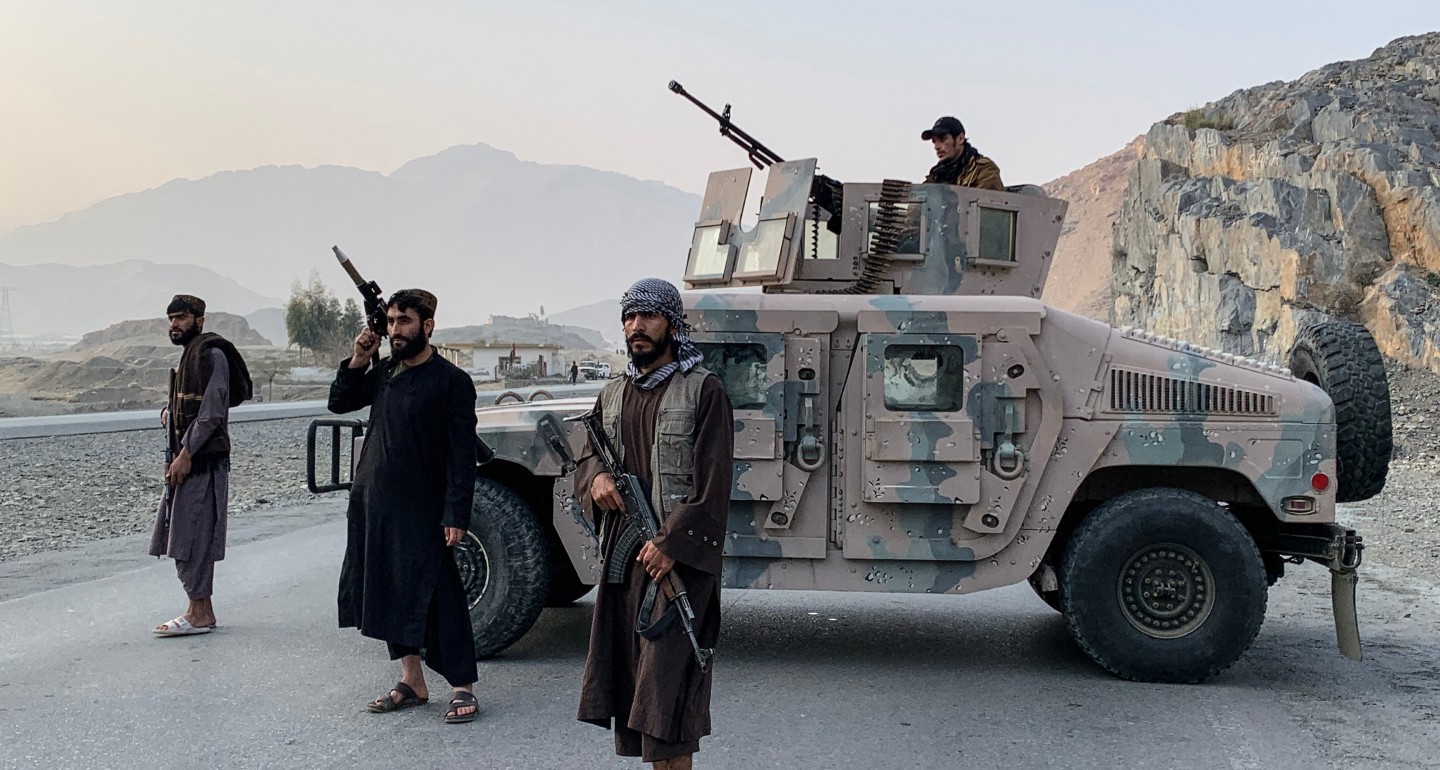
Not only does the fighting jeopardize regional security, it undermines Russian attempts to promote alternatives to the Western-dominated world order.

Ruslan Suleymanov
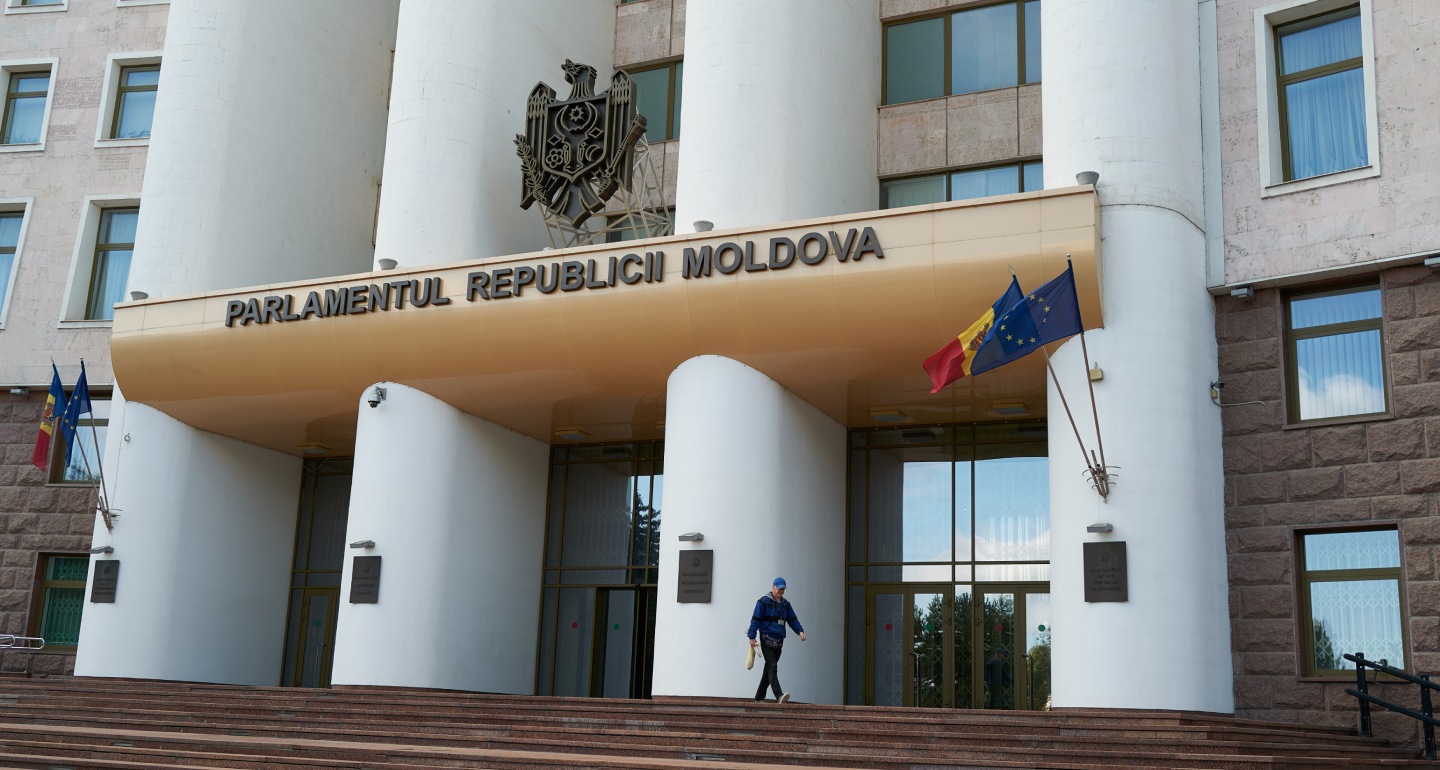
Moldova’s reintegration plan was drawn up to demonstrate to Brussels that Chișinău is serious about the Transnistria issue—and to get the West to react.

Vladimir Solovyov
Lukashenko is willing to make big sacrifices for an invitation to Mar-a-Lago or the White House. He also knows that the clock is ticking: he must squeeze as much out of the Trump administration as he can before congressional elections in November leave Trump hamstrung or distracted.

Artyom Shraibman