• Research
  • Politika
  • About
Carnegie Russia Eurasia center logoCarnegie lettermark logo
  • Donate
{
  "authors": [],
  "type": "pressRelease",
  "centerAffiliationAll": "dc",
  "centers": [
    "Carnegie Endowment for International Peace"
  ],
  "collections": [],
  "englishNewsletterAll": "democracy",
  "nonEnglishNewsletterAll": "",
  "primaryCenter": "Carnegie Endowment for International Peace",
  "programAffiliation": "DCG",
  "programs": [
    "Democracy, Conflict, and Governance",
    "Middle East"
  ],
  "projects": [],
  "regions": [
    "Lebanon"
  ],
  "topics": [
    "Political Reform",
    "Democracy"
  ]
}
REQUIRED IMAGE

REQUIRED IMAGE

Press Release

Press Release: Lebanon's Path From Deadlock To Democracy

After the dramatic changes in Lebanese politics last year, the sense of forward momentum has been lost. Lebanon’s confessional system, defined primarily by a fixed sectarian balance of power, is firmly in place and the looming presence of Syria is still casting a long shadow over political life.

Link Copied
Published on Jan 11, 2006

Contact: Jennifer Linker, 202/939-2372, jlinker@CarnegieEndowment.org
For Immediate Release: January 11, 2006

After the dramatic changes in Lebanese politics last year, the sense of forward momentum has been lost. Lebanon’s confessional system, defined primarily by a fixed sectarian balance of power, is firmly in place and the looming presence of Syria is still casting a long shadow over political life. Can Lebanon find a way forward to realize the democratic promise of last year’s breakthrough? In a new Carnegie Paper from the Democracy & Rule of Law Project, Lebanon: Finding a Path from Deadlock to Democracy, Project Associate Julia Choucair writes a detailed historical overview of Lebanon’s political challenges and provides analysis of its future democratic prospects.
Direct link to paper: http://www.carnegieendowment.org/files/CP64.Choucair.FINAL1.pdf

Choucair argues that the lack of a central authority with institutionalized decision-making capabilities is Lebanon’s primary impediment to democratic change. Lebanon’s confessional oligarchy has created perpetual political and administrative paralysis; the existing institutions cannot introduce needed reforms for fear that these changes would alter the balance of power among the communities. Today the Lebanese crisis of authority is more pronounced than ever as political forces in Lebanon are increasingly polarized. Syria’s withdrawal has restored Lebanon’s sovereignty, but it has left a power vacuum in its wake.

Lebanon has to find a new political balance among the factions, handle a precarious security situation, redefine its relations with Syria, and launch immediate economic reforms. More than ever these challenges demand a unified and coherent vision for political and economic development.

The Lebanese confessional system is deeply entrenched in politics and society and is not going to change overnight. In the short-run, reform efforts need to focus on making sectarian representation fairer and less of a zero-sum game. Choucair outlines three priority areas: security reform, electoral reform, and economic reform.

Choucair warns that international actors can play a crucial role in the reform process, but they must accept the fact that it cannot start with a direct approach to the big issues—in particular the confessional system and the disarmament of Hezbollah. Reforming Lebanon’s security, electoral law, and economy must be incremental and indirect to be effective.

Julia Choucair is a project associate in the Democracy and Rule of Law Project and is assistant editor of Carnegie’s e-monthly, the Arab Reform Bulletin. Visit: www.CarnegieEndowment.org/democracy
###

Political ReformDemocracyLebanon

Carnegie does not take institutional positions on public policy issues; the views represented herein are those of the author(s) and do not necessarily reflect the views of Carnegie, its staff, or its trustees.

More Work from Carnegie Russia Eurasia Center

  • Commentary
    Carnegie Politika
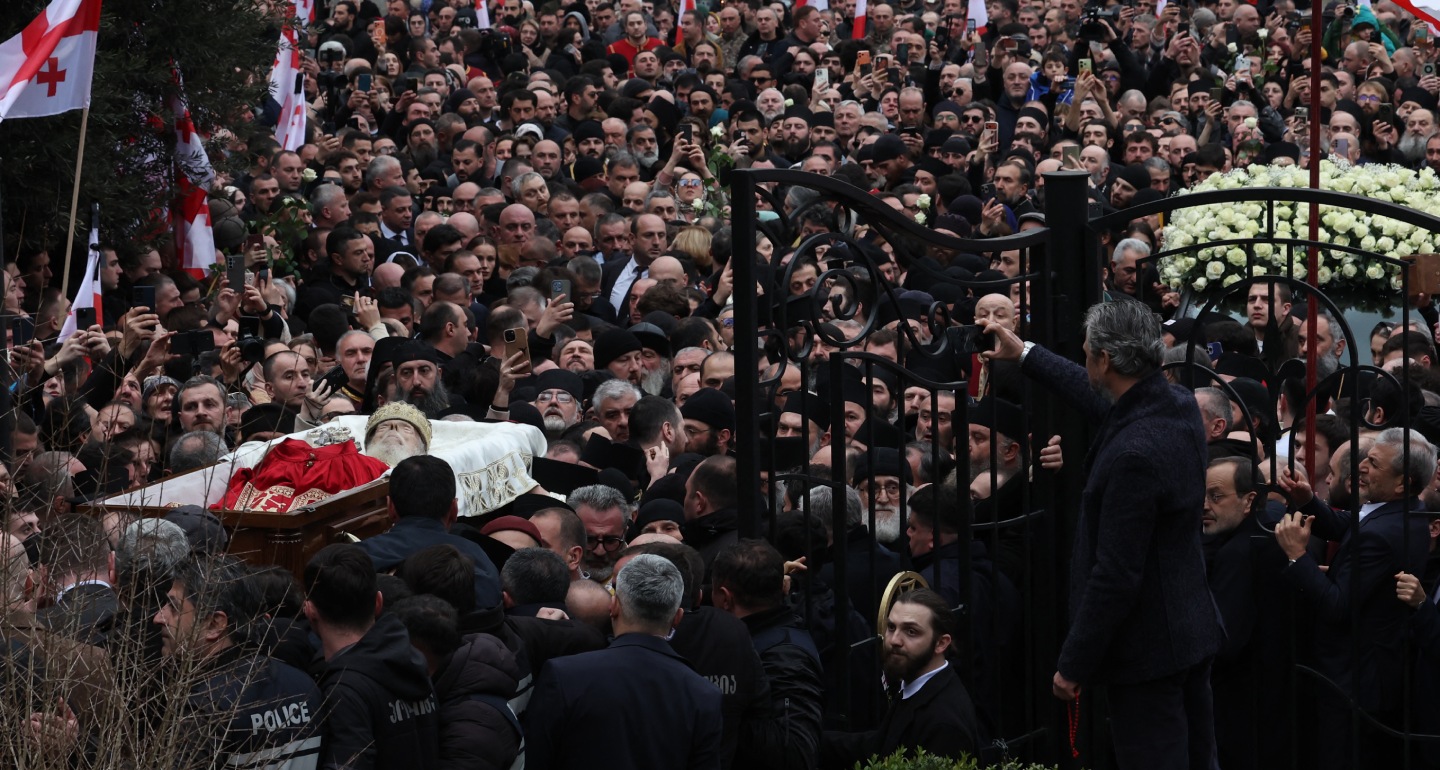
    After Ilia II: What Will a New Patriarch Mean for Georgia?

    The front-runner to succeed Ilia II, Metropolitan Shio, is prone to harsh anti-Western rhetoric and frequent criticism of “liberal ideologies” that he claims threaten the Georgian state. This raises fears that under his leadership the Georgian Orthodox Church will lose its unifying role and become an instrument of ultraconservative ideology.

      Bashir Kitachaev

  • Commentary
    Carnegie Politika
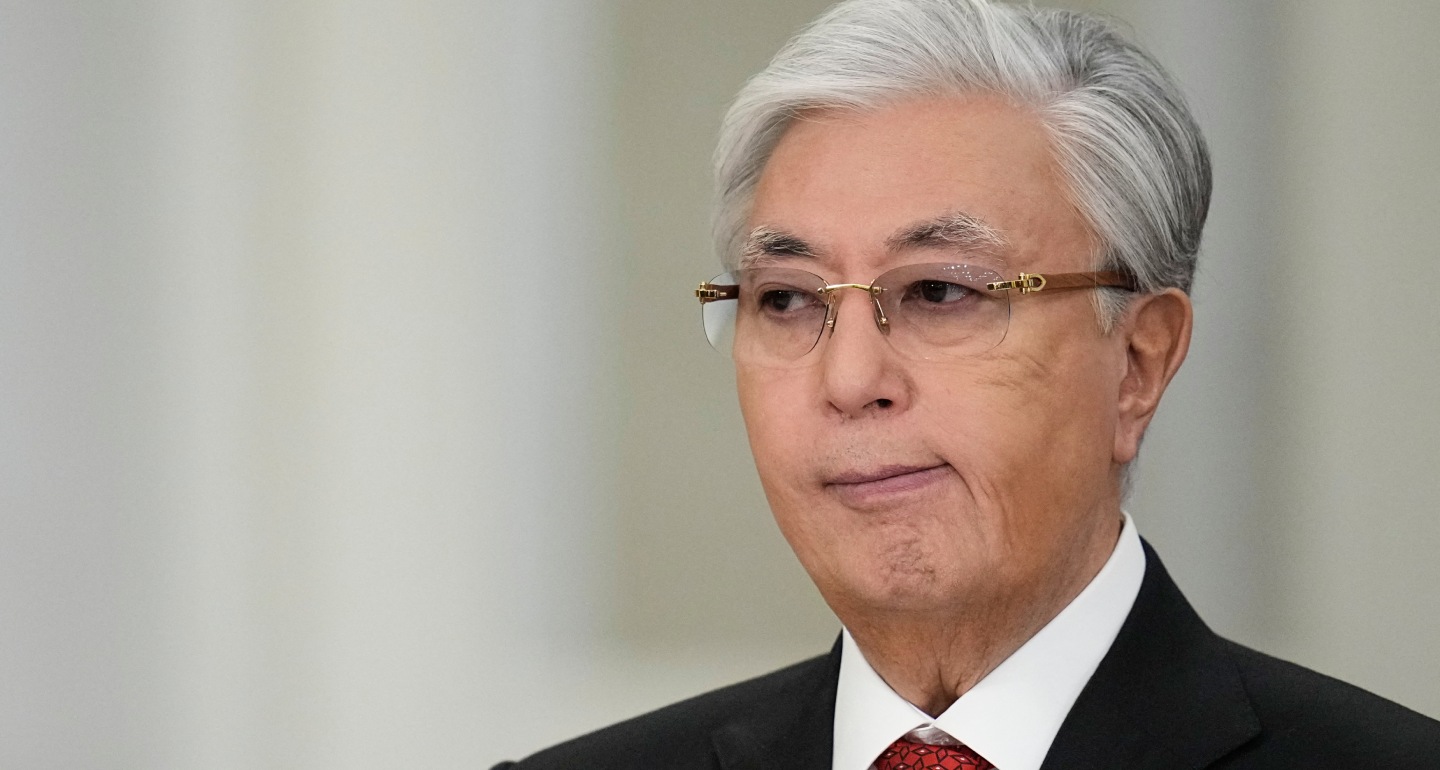
    Tokayev’s New Constitution Is a Bet on Stability—At Freedom’s Expense

    Kazakhstan’s new constitution is an embodiment of the ruling elite’s fears and a self-serving attempt to preserve the status quo while they still can.

      Serik Beysembaev

  • Commentary
    Carnegie Politika
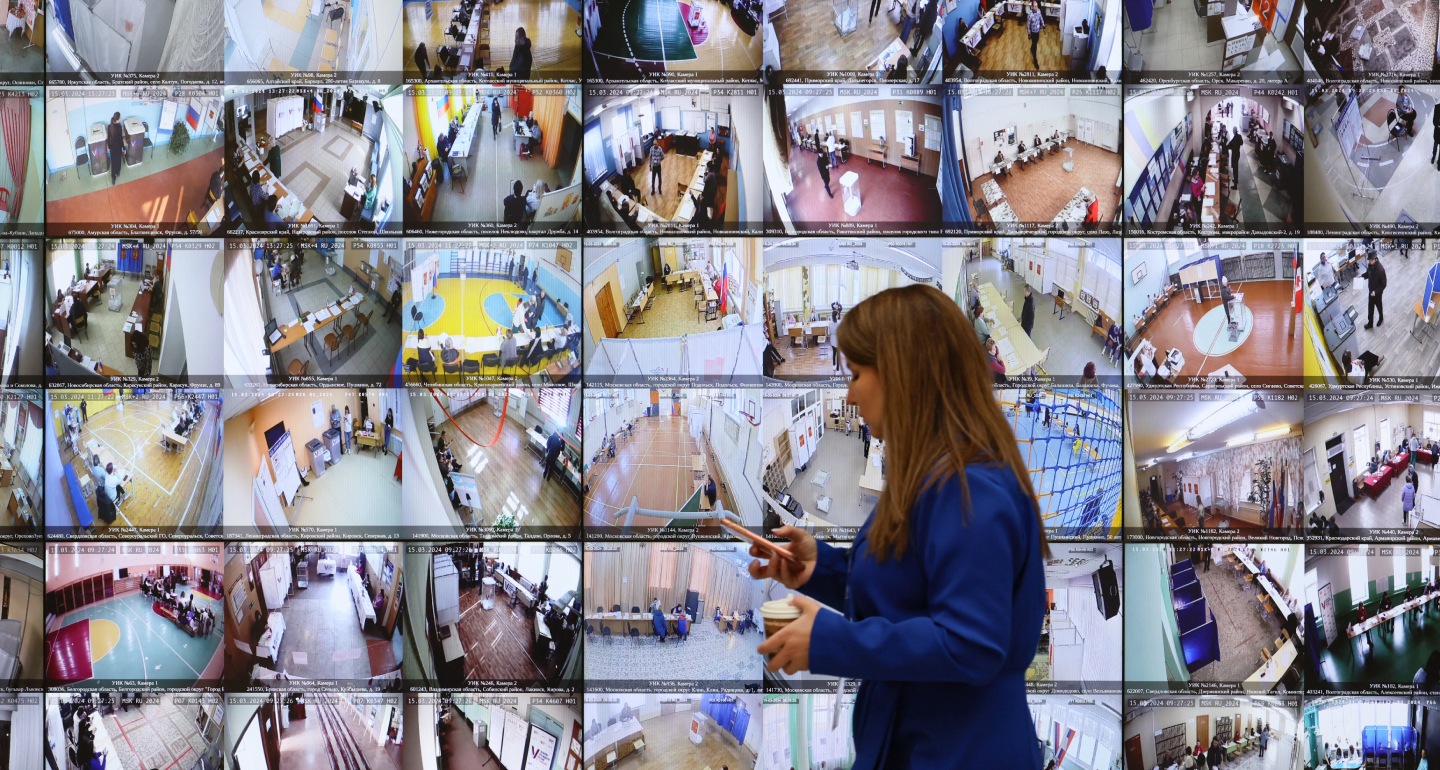
    The Kremlin Is Destroying Its Own System of Coerced Voting

    The use of technology to mobilize Russians to vote—a system tied to the relative material well-being of the electorate, its high dependence on the state, and a far-reaching system of digital control—is breaking down.

      Andrey Pertsev

  • Commentary
    Carnegie Politika
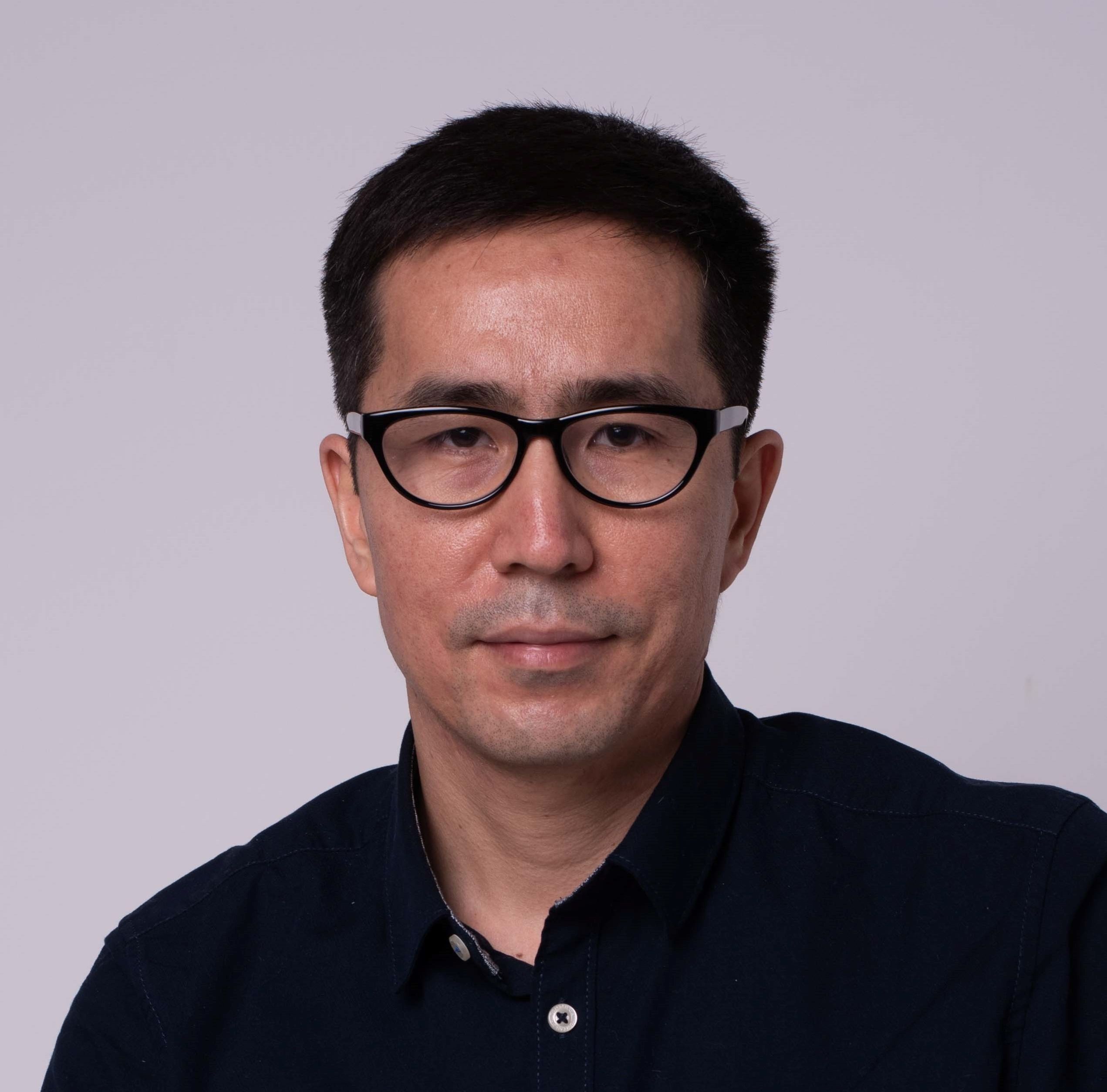
    Notes From Kyiv: Is Ukraine Preparing for Elections?

    As discussions about settlement and elections move from speculation to preparation, Kyiv will have to manage not only the battlefield, but also the terms of political transition. The thaw will not resolve underlying tensions; it will only expose them more clearly.

      Balázs Jarábik

  • Commentary
    Carnegie Politika
    Where Does the Split in the Ruling Tandem Leave Kyrgyzstan?

    Despite its reputation as an island of democracy in Central Asia, Kyrgyzstan appears to be on the brink of becoming a personalist autocracy.

      Temur Umarov

Get more news and analysis from
Carnegie Russia Eurasia Center
Carnegie Russia Eurasia logo, white
  • Research
  • Politika
  • About
  • Experts
  • Events
  • Contact
  • Privacy
  • For Media
Get more news and analysis from
Carnegie Russia Eurasia Center
© 2026 Carnegie Endowment for International Peace. All rights reserved.