

In The Media
Michele Dunne, Robert Kagan
{
  "authors": [
    "Robert Kagan"
  ],
  "type": "legacyinthemedia",
  "centerAffiliationAll": "dc",
  "centers": [
    "Carnegie Endowment for International Peace"
  ],
  "collections": [],
  "englishNewsletterAll": "ctw",
  "nonEnglishNewsletterAll": "",
  "primaryCenter": "Carnegie Endowment for International Peace",
  "programAffiliation": "NPP",
  "programs": [
    "Nuclear Policy",
    "Middle East"
  ],
  "projects": [],
  "regions": [
    "Middle East",
    "Iran"
  ],
  "topics": [
    "Nuclear Policy"
  ]
}
Source: Getty
Source: Washington Post

Let's imagine, and this is purely hypothetical, that President Bush has already decided that he will not leave office in January 2009 without a satisfactory resolution of the Iranian nuclear problem. Let's imagine that he has already determined that if he cannot obtain Iran's agreement to dismantle its nuclear weapons program voluntarily and verifiably, then he will order some form of military action to destroy as much of that program as possible before he leaves. Let's imagine that he has resolved not to end his two terms in office the way Bill Clinton ended his, by leaving every major international crisis -- from Iraq to Iran to North Korea to al-Qaeda -- for his successor.
Let's say, just for the sake of argument, that Bush had made such a decision. What would he be doing right now? The answer is that he might be doing exactly what he is doing.
He might be engaging in a prodigious and extended diplomatic effort to bring together the international community and, failing that, America's leading democratic allies in a unified effort to convince the Iranians that they should voluntarily give up their pursuit of nuclear weapons.
And he would have learned from his Iraq experience that, to be successful in the present, profoundly unserious international environment, a diplomatic effort requires two things: evident sincerity and almost infinite patience.
Bush would be sincere, and convincingly so. For his ideal outcome really would be a diplomatic solution in which Iran voluntarily and verifiably abandoned its program. He would know that such an outcome, in addition to benefiting the world, could completely reshape his image and ensure his legacy as a successful leader. He would also know that the military solution is fraught with danger and, indeed, could end badly. He would genuinely like to avoid it if at all possible. It really would be a last resort, to be used only when diplomacy failed. Therefore, Bush would send his diplomats out and want them to succeed. He would not be bothered by press reports that he had abandoned "cowboy diplomacy" and given in to the "realists" at the State Department.
And Bush would be patient. He would know that when dealing with the international community, including America's European allies, it is necessary to demonstrate that the diplomatic option has been tried and has failed. For the Europeans this means trying not once, not twice, not three times, but again and again and again and again, because at the end of the day they don't want to take any action against Iran. They must be brought along, step by tiny step, ever marginally closer to a decision until finally they must either come along or explicitly and embarrassingly retreat from their own public commitments. Bush would know he can be patient, because he does not need a resolution this month or even this year. He can keep pressing on the diplomatic front until a time of his choosing, at which point he can bring the matter to a head.
If this were Bush's strategy, he would know very well that the diplomatic track is likely to fail. He would know that Iran is unlikely to give up its program and accept the kind of intrusive inspections necessary to verify any deal. He would also know that the international community, at the end of the day, will probably refuse to support serious punitive actions against Iran. Even the European allies, let alone Russia and China, will balk at any sanctions that really have a chance of hurting the Iranian leadership. The Europeans will try to carry out a kind of Zeno's diplomacy, moving halfway toward decisive action, then another quarter of the way, then an eighth, then a sixteenth, and on and on, to avoid choosing between their two worst options: taking action against Iran, or visibly and embarrassingly retreating from taking action against Iran.
The likely failure of diplomacy would not deter Bush from pursuing it, however. If and when it failed, he would be able to choose the military course, and no fair person could accuse him of not having tried to bring the world along to do what had to be done. At least he would know in his own mind that he had sincerely given diplomacy a chance. And when he ordered the strike on Iran, he would know that, whatever else could be said about him, he would not go down in history as the man who let the mullahs have the bomb.
It's just a theory.

Former Senior Associate
Kagan, author of the recent book, The Return of History and the End of Dreams (Knopf 2008), writes a monthly column on world affairs for the Washington Post and is a contributing editor at both the Weekly Standard and the New Republic.
Recent Work

Michele Dunne, Robert Kagan
Robert Kagan, Michele Dunne
Carnegie does not take institutional positions on public policy issues; the views represented herein are those of the author(s) and do not necessarily reflect the views of Carnegie, its staff, or its trustees.

Ongoing uncertainty in the Middle East allows Moscow to both increase its influence in Tehran and continue to enjoy the financial windfall of higher oil prices.

Nikita Smagin
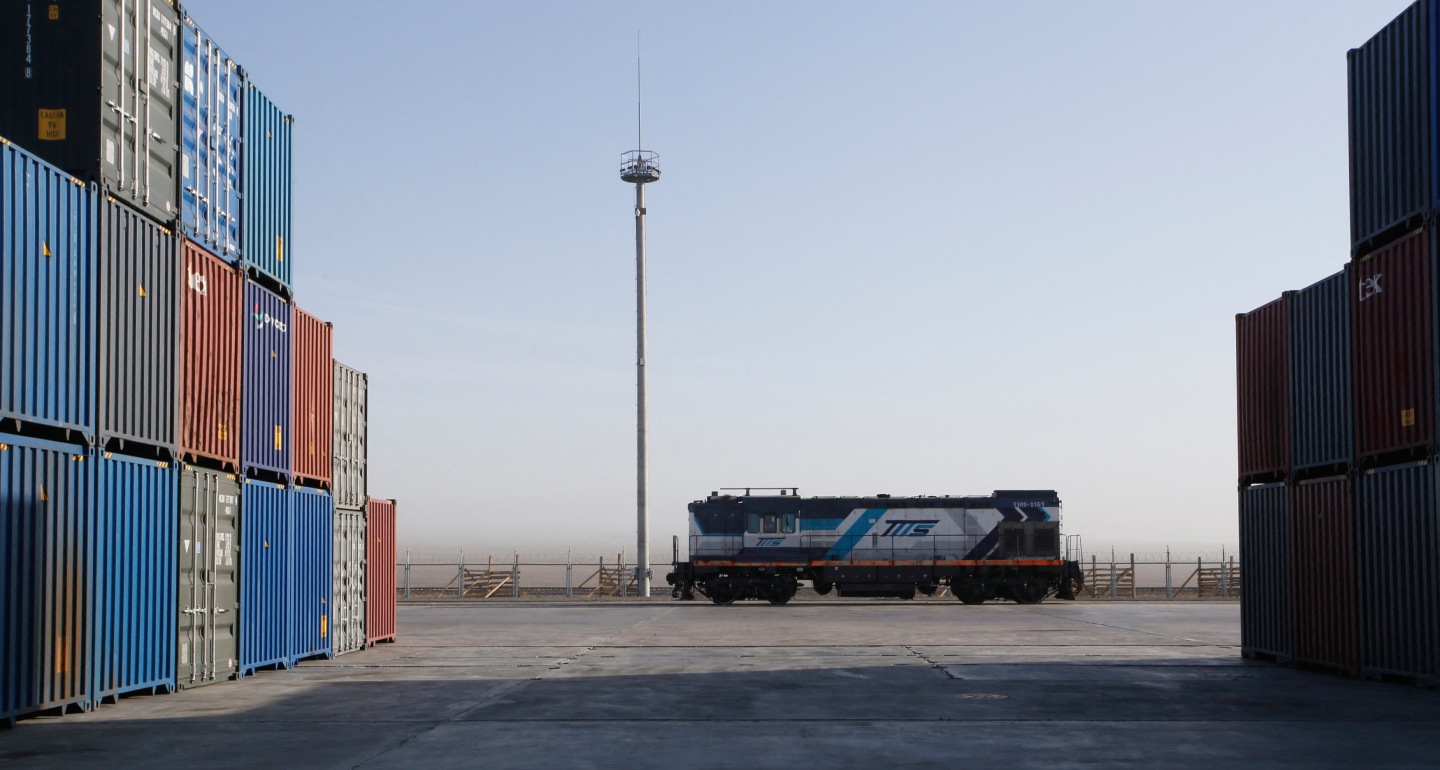
This year’s wars have made alternative routes to transit through Russia no less risky for Central Asian countries.

Galiya Ibragimova
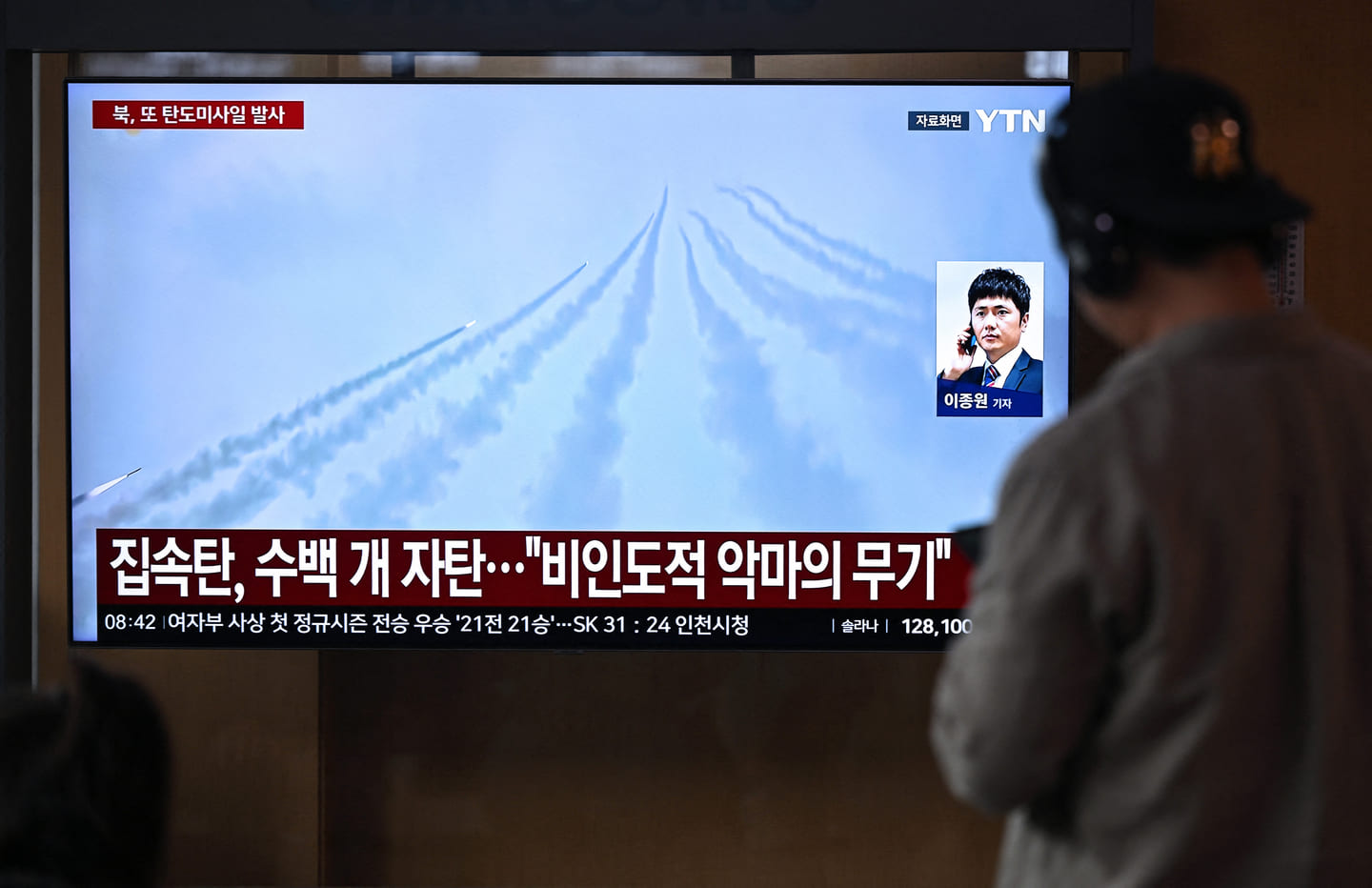
Troubled by the growing salience of nuclear debates in East Asia, Moscow has responded in its usual way: with condemnation and threats. But by exacerbating insecurity, Russia is forcing South Korea and Japan to consider radical security options.

James D.J. Brown
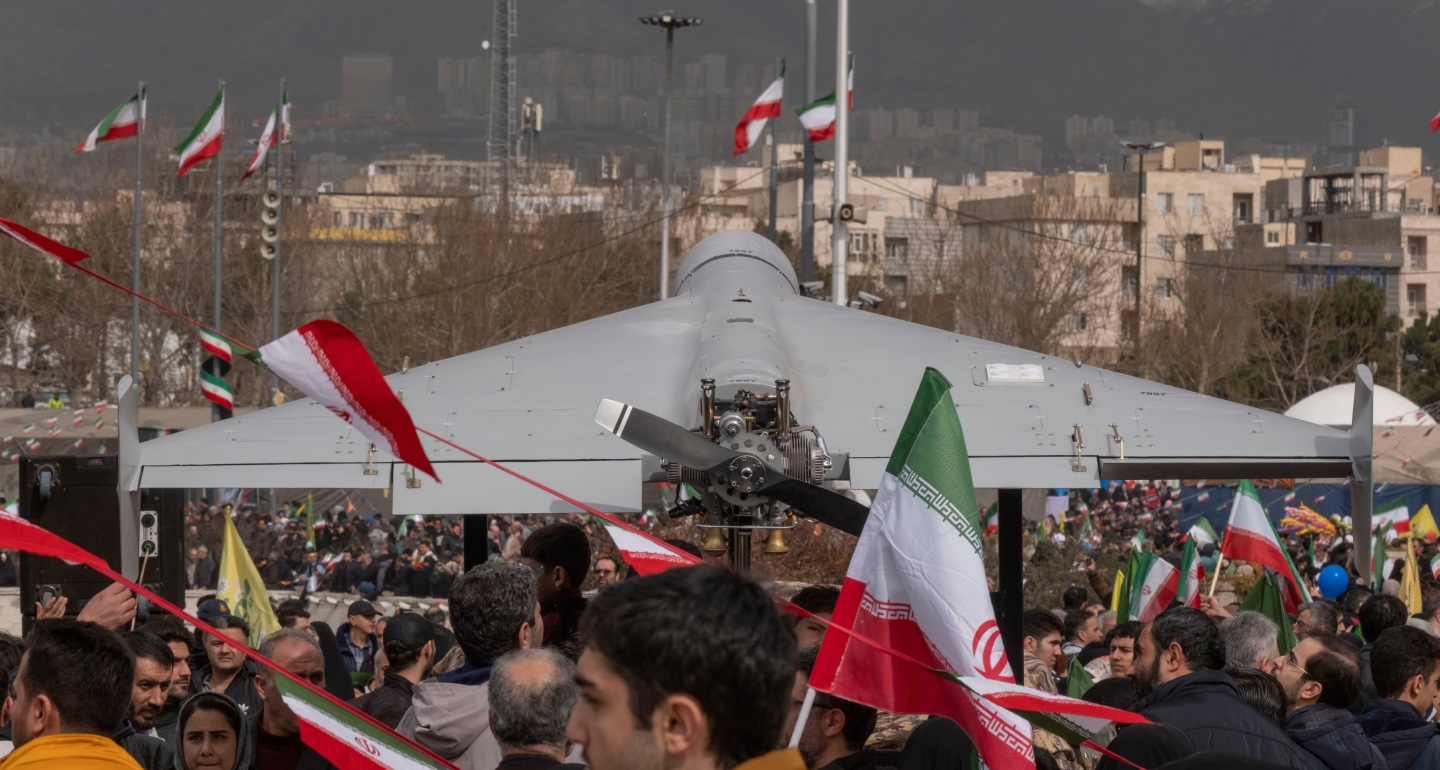
The Russian leadership wants to avoid a dangerous precedent in which it is squeezed out of Iran by the United States and Israel—and left powerless to respond in any meaningful way.
Nikita Smagin
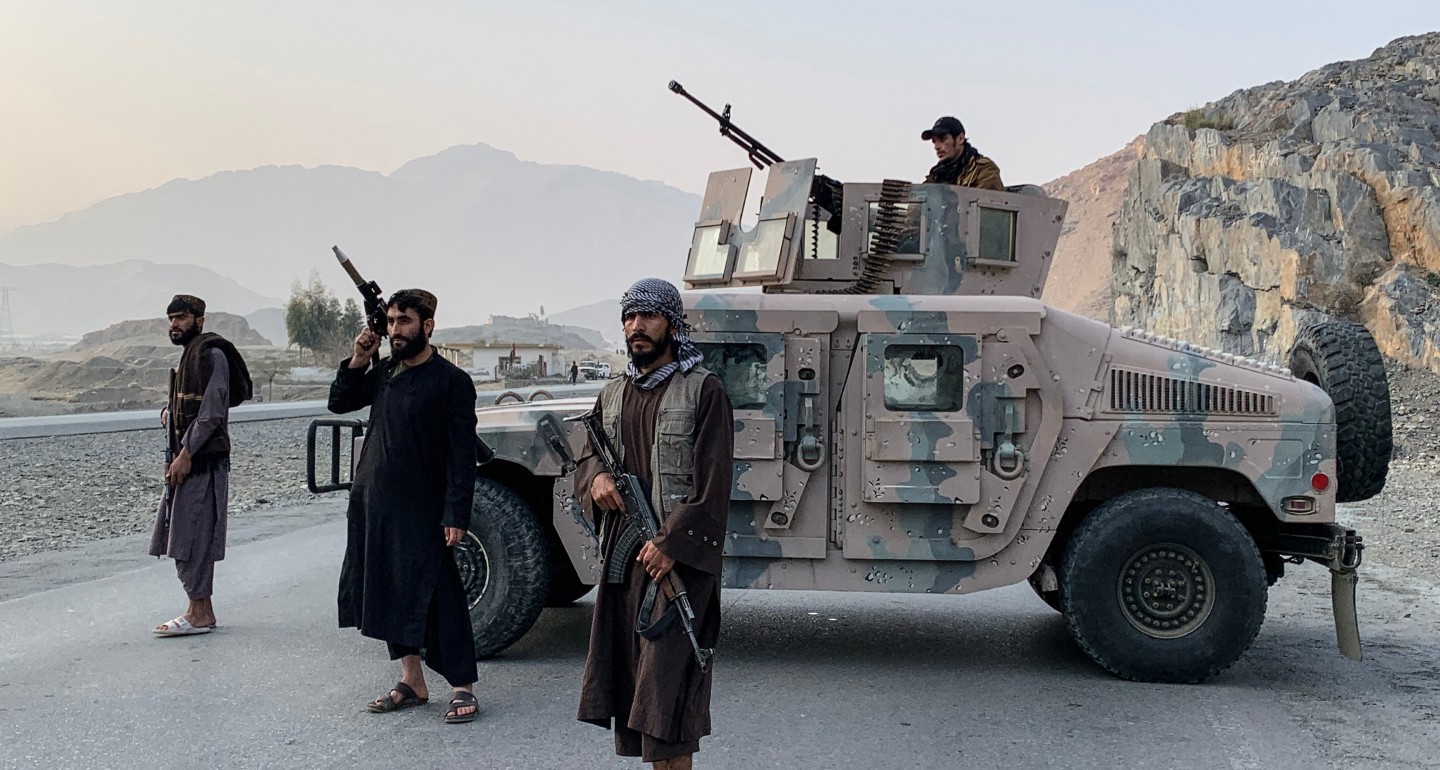
Not only does the fighting jeopardize regional security, it undermines Russian attempts to promote alternatives to the Western-dominated world order.

Ruslan Suleymanov