

In The Media
Josh Kurlantzick
{
  "authors": [
    "Josh Kurlantzick"
  ],
  "type": "legacyinthemedia",
  "centerAffiliationAll": "dc",
  "centers": [
    "Carnegie Endowment for International Peace"
  ],
  "collections": [],
  "englishNewsletterAll": "asia",
  "nonEnglishNewsletterAll": "",
  "primaryCenter": "Carnegie Endowment for International Peace",
  "programAffiliation": "AP",
  "programs": [
    "Asia"
  ],
  "projects": [],
  "regions": [
    "China",
    "Central Asia"
  ],
  "topics": [
    "Military",
    "Foreign Policy"
  ]
}
Source: Getty
Hu Jintao’s recent visit to Australia was in stark contrast to President Bush’s visit, just a few days earlier. Where Bush was greeted with protests in a country which has been a staunch U.S. ally, Hu toured Australia like a hero. Josh Kurlantzick explains the difference in an article in Commentary.
Source: Commentary

But on his visit three years ago, the President was in for an unpleasant surprise. Thousands of protesters filled the streets in Sydney and Canberra, scuffling with police and staging mock trials of the American president. Inside the Australian parliament, Bush's remarks were interrupted by heckling senators, who had to be escorted from the chamber. His speech done, he was met outside by another chorus of booing critics.
The tumult surrounding Bush's visit was especially notable because, just days later, Australia would offer a vastly different welcome to another president--Hu Jintao of China. Hu toured Australia like a hero. Few protested China's human-rights record. In parliament, no one disturbed his windy paean to the future of Australia-China ties. Foreign Minister Alexander Downer spoke words of fulsome praise. Before Hu left, the two nations had signed a framework for a future free-trade deal.
This article was originally published in Commentary, October 2006. To see the full article, please click here.

Former Visiting Scholar, China Program
A special correspondent for The New Republic, a columnist for Time, and a senior correspondent for The American Prospect, Kurlantzick assesses China’s relationship with the developing world, including Southeast Asia, Africa, and Latin America.
Recent Work
Josh Kurlantzick
Carnegie does not take institutional positions on public policy issues; the views represented herein are those of the author(s) and do not necessarily reflect the views of Carnegie, its staff, or its trustees.
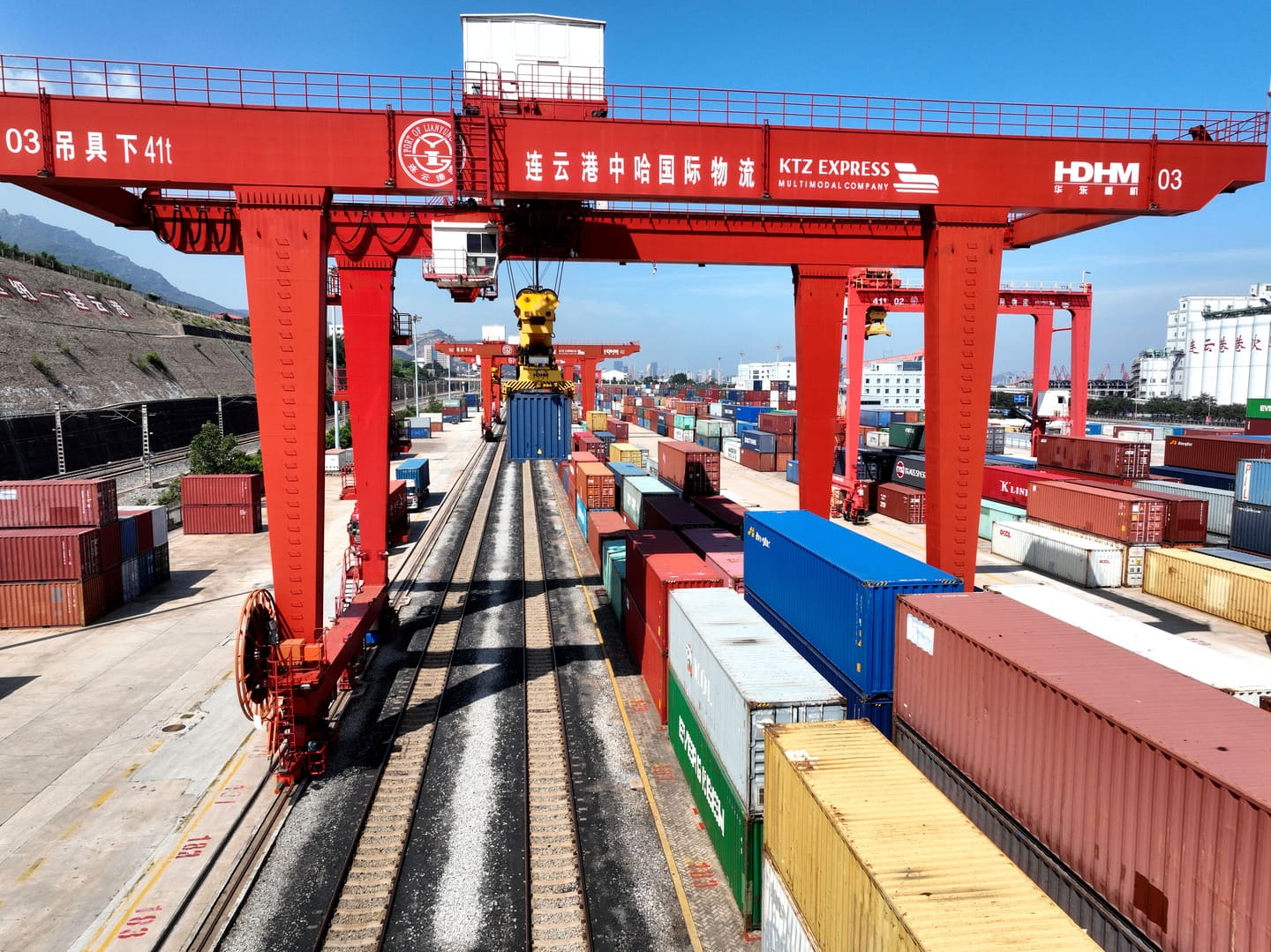
For the Middle Corridor to fulfill its promises, one of these routes must become scalable. At present, neither is.

Friedrich Conradi
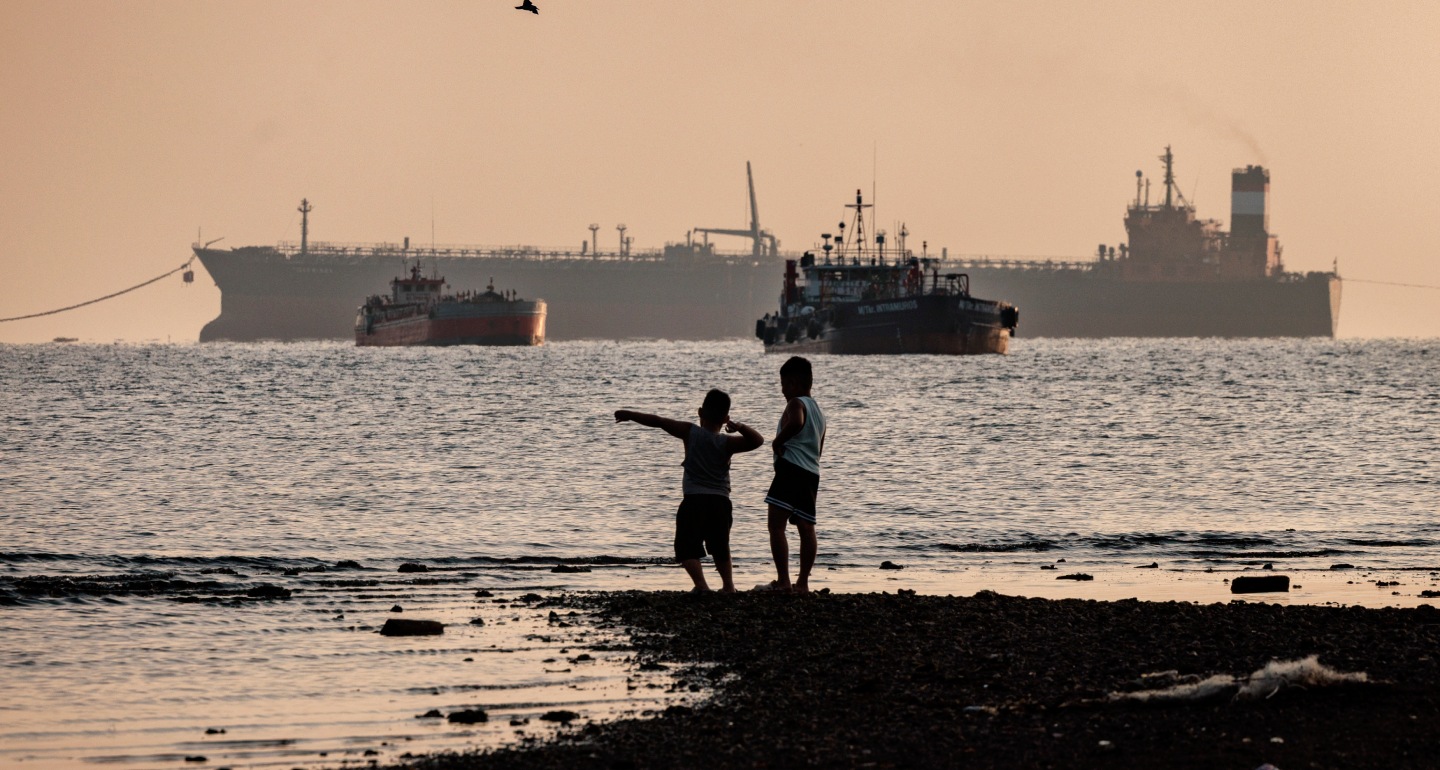
Although Ukrainian strikes have led to a noticeable decline in the physical volume of Russian oil exports, the rise in prices has more than made up for it.

Sergey Vakulenko
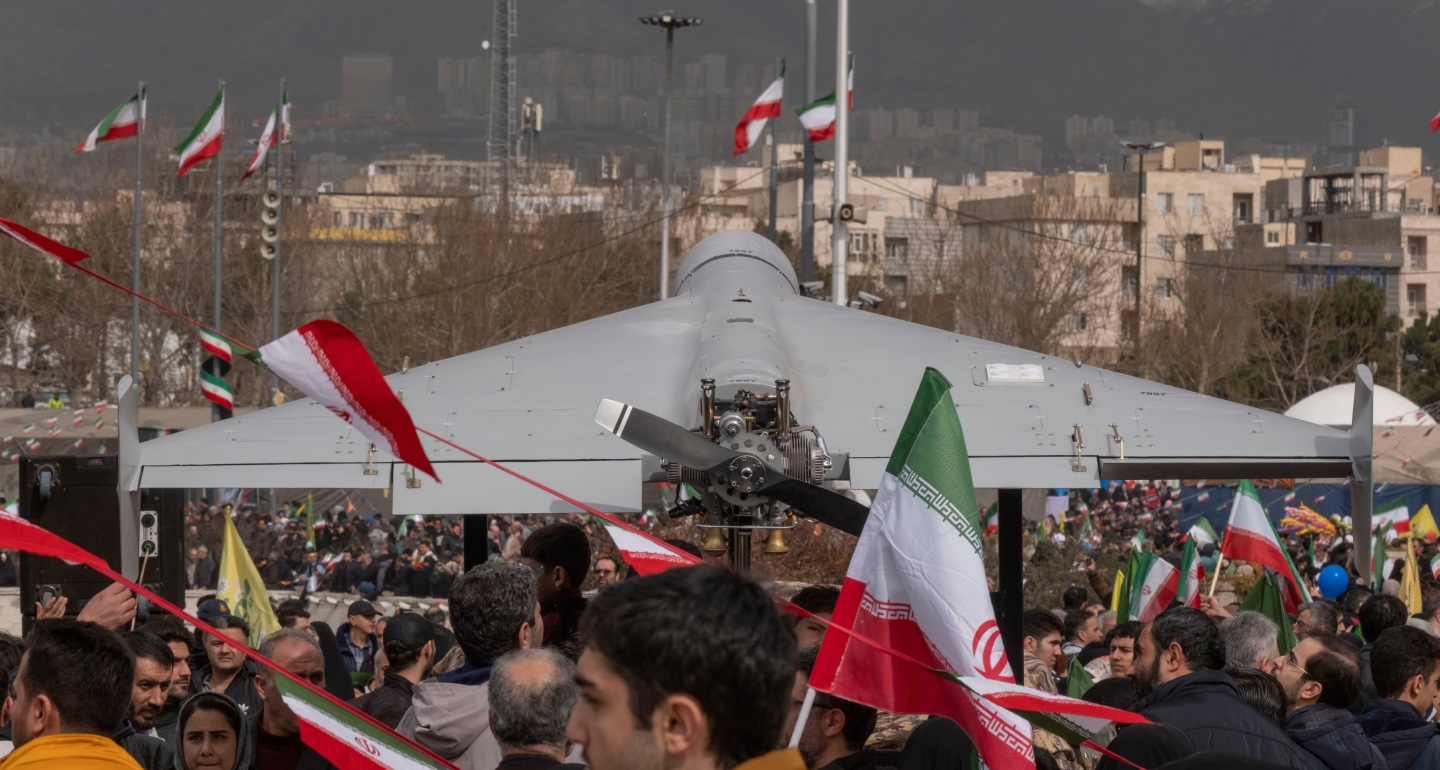
The Russian leadership wants to avoid a dangerous precedent in which it is squeezed out of Iran by the United States and Israel—and left powerless to respond in any meaningful way.

Nikita Smagin
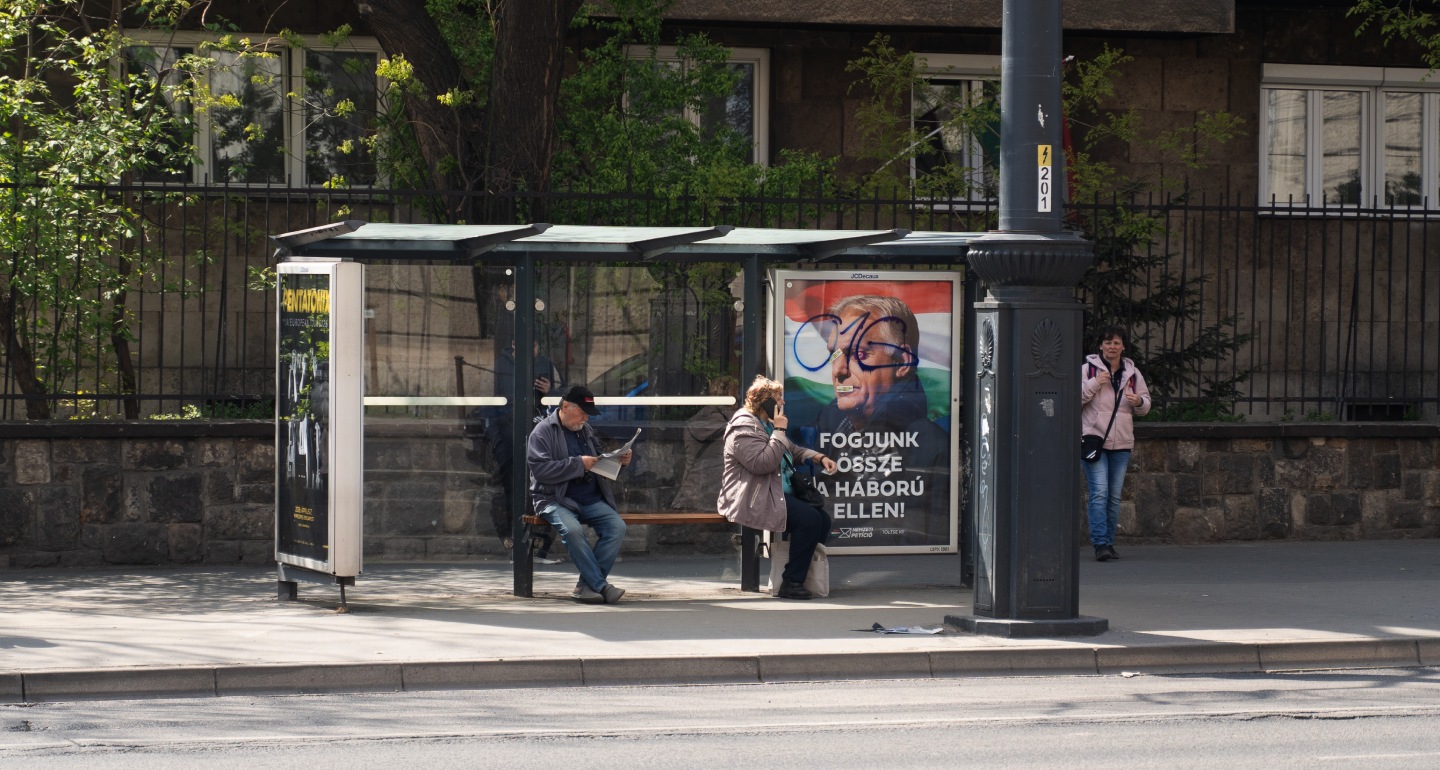
Orbán created an image for himself as virtually the only opponent of aid to Ukraine in the entire EU. But in reality, he was simply willing to use his veto to absorb all the backlash, allowing other opponents to remain in the shadows.

Maksim Samorukov
Central Asia’s digital ambitions are achievable, but only if policy is aligned with the region’s physical constraints.

Aruzhan Meirkhanova