

Commentary
If it proves impossible for the Russian authorities to avoid a gasoline deficit, the question then becomes how they will organize the distribution of a scarce resource.
Sergey Vakulenko
{
  "authors": [],
  "type": "pressRelease",
  "centerAffiliationAll": "dc",
  "centers": [
    "Carnegie Endowment for International Peace"
  ],
  "collections": [],
  "englishNewsletterAll": "asia",
  "nonEnglishNewsletterAll": "",
  "primaryCenter": "Carnegie Endowment for International Peace",
  "programAffiliation": "AP",
  "programs": [
    "Asia"
  ],
  "projects": [],
  "regions": [
    "China"
  ],
  "topics": [
    "Political Reform",
    "Economy",
    "Trade"
  ]
}
REQUIRED IMAGE
FOR IMMEDIATE RELEASE: November 2, 2006
China’s economic and cultural relationship with Africa provokes serious questions in the West about international aid, human rights and energy security. On the eve of the Forum on China-Africa Cooperation (FOCAC) in Beijing this November 3-5, how should Western nations view China’s burgeoning relationship with Africa, and what does it suggest about China’s new approach to global diplomacy?
In a new Carnegie Policy Outlook, Beijing’s Safari: China’s Move into Africa and its Implications for Aid, Development, and Governance, Carnegie Visiting Scholar Joshua Kurlantzick argues that Beijing has quickly become a major donor and investor across Africa, and has savvily used multilateral forums like FOCAC to cultivate African elites. As a result, China now rivals the United States, France, and international financial institutions for influence on the continent. Chinese loans and grants to African nations, which now reach nearly $3 billion, have become much more enticing than condition-laden aid from international institutions. Beijing also has wooed African nations with aid for infrastructure, a ban on export tariffs for the poorest nations, and its status as a market for African goods and services. Click here to read the full text of the Policy Outlook.
Chinese engagement in Africa could be a catalyst for positive change on the continent. But the China-Africa relationship also could be damaging to African politics, environments, and debt loads. Kurlantzick argues that China should develop a broader strategy of influence in Africa – using soft power to build popularity among African publics, rather than reinforcing authoritarian regimes. China should also create a permanent aid bureaucracy capable of working with other donors.
Kurlantzick further argues that the United States, Europe, and international financial institutions should not only call for China to be a stakeholder in Africa but give China a stake. This includes considering expanding China’s role in the World Bank and International Monetary Fund, and helping China develop a permanent aid bureaucracy. Making China a stakeholder in Africa now will encourage positive Chinese leadership in mediating conflicts, promoting development, and tackling non-traditional security threats in the future.
Direct link to pdf: http://www.carnegieendowment.org/files/kurlantzick_outlook_africa2.pdf
Joshua Kurlantzick is a visiting scholar in the China Program at the Carnegie Endowment for International Peace. Kurlantzick is assessing China’s relationship with the developing world; his book on China’s soft power will be released in early 2007.
Kurlantzick is available to speak on the China-Africa partnership and the November 3-5 Beijing Summit. To request an interview, contact:
Trent Perrotto, (tel) 202/939-2372, tperrotto@CarnegieEndowment.org
The Carnegie Endowment for International Peace is a private, nonprofit organization dedicated to advancing cooperation between nations and promoting active international engagement by the United States. Founded in 1910, its work is nonpartisan and dedicated to achieving practical results.
###
Carnegie does not take institutional positions on public policy issues; the views represented herein are those of the author(s) and do not necessarily reflect the views of Carnegie, its staff, or its trustees.
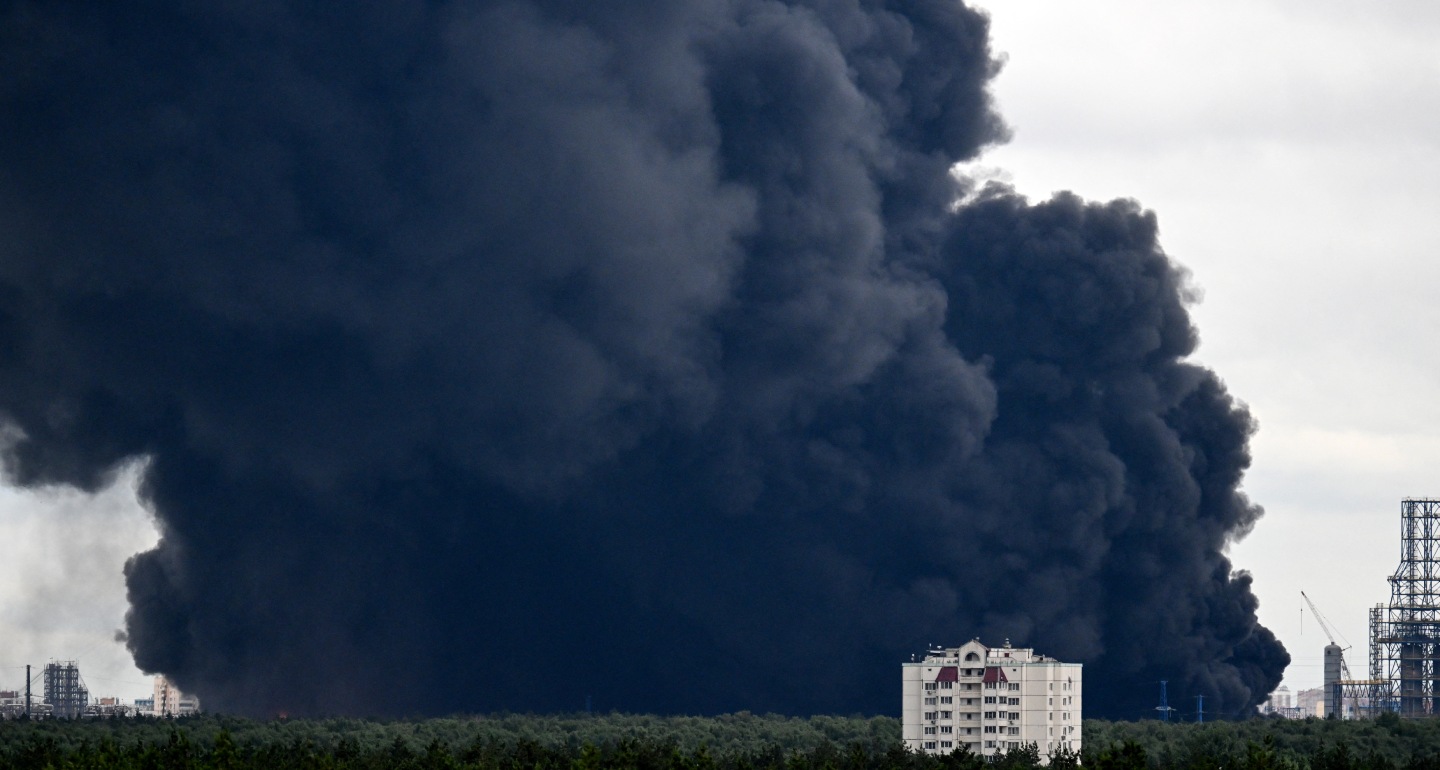
If it proves impossible for the Russian authorities to avoid a gasoline deficit, the question then becomes how they will organize the distribution of a scarce resource.

Sergey Vakulenko

This year’s wars have made alternative routes to transit through Russia no less risky for Central Asian countries.

Galiya Ibragimova
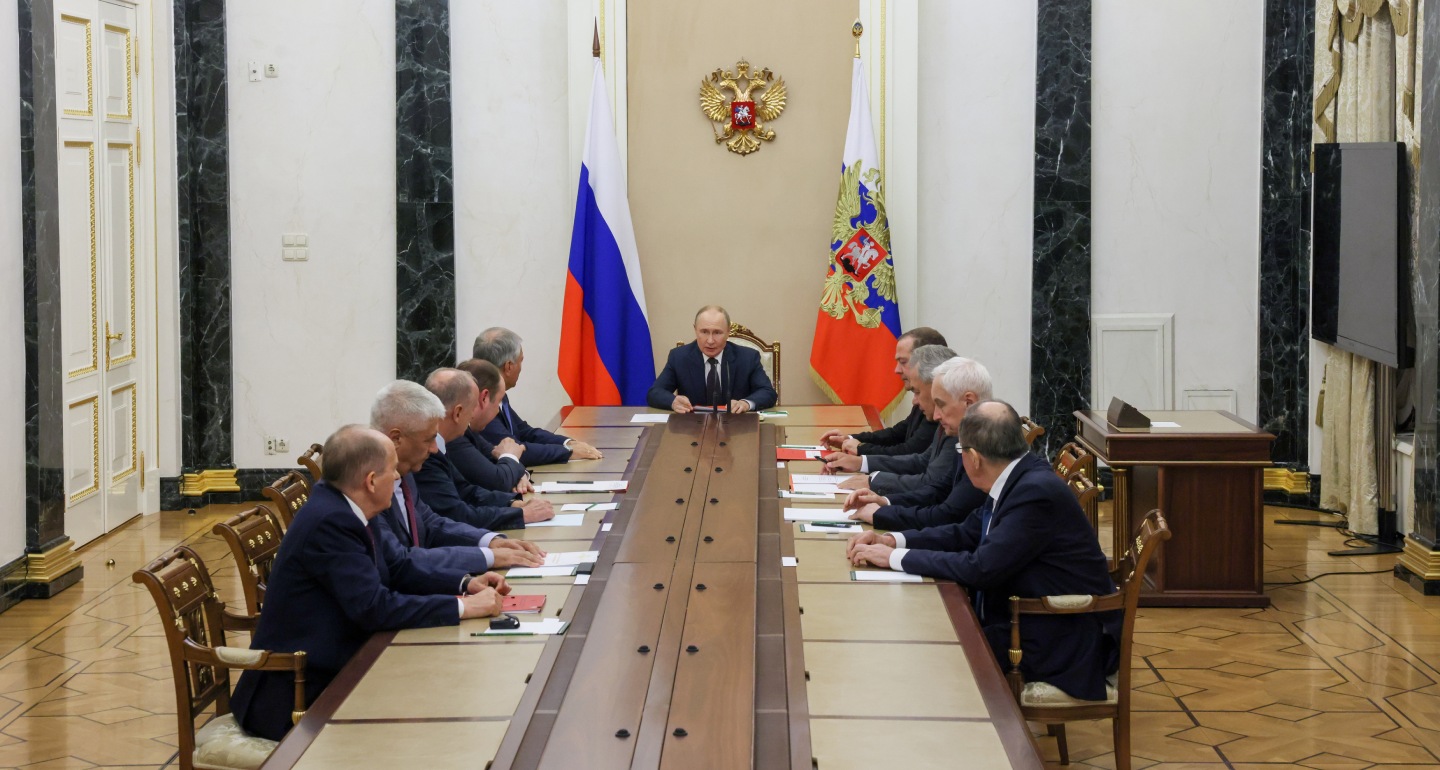
The ruling elites in contemporary Russia are not a political class, but a community of managers who are not subject to competition or public accountability. The state is becoming an operating apparatus without any internal autonomy.

Alexandra Prokopenko

Pashinyan’s pro-European party has been re-elected with a decisive victory. But the pro-Russian opposition could still slow Armenia’s progress toward peace with Azerbaijan and rapprochement with Europe.

Mikayel Zolyan
How did Putin co-opt Russia’s political and economic elites, ensuring no more than fitful resistance to the regime’s war on Ukraine?
Alexandra Prokopenko