

Commentary
The return of parliamentary politics reflects a broader shift from earlier expectations of a settlement and elections toward the reality of a prolonged war.
Balázs Jarábik
{
  "authors": [],
  "type": "pressRelease",
  "centerAffiliationAll": "dc",
  "centers": [
    "Carnegie Endowment for International Peace"
  ],
  "collections": [],
  "englishNewsletterAll": "menaTransitions",
  "nonEnglishNewsletterAll": "",
  "primaryCenter": "Carnegie Endowment for International Peace",
  "programAffiliation": "MEP",
  "programs": [
    "Middle East"
  ],
  "projects": [],
  "regions": [
    "North America",
    "United States",
    "Middle East",
    "Jordan"
  ],
  "topics": [
    "Political Reform"
  ]
}
REQUIRED IMAGE
In a new Carnegie Paper, "Illusive Reform: Jordan's Stubborn Stability," Julia Choucair argues that Jordan's stability is best maintained through political reform. She contends that the United States and Europe, for short- to medium-term reasons, have shied away from urging Jordan to undertake further reform, which would be in everyone's long-term interest.
FOR IMMEDIATE RELEASE: December 6, 2006
Political reform is a priority for United States Middle East policy, and Jordan is often showcased as a model of a moderate, pro-American Muslim country that is successfully democratizing. For two decades, the Jordanian monarchy has introduced positive reforms, such as legalizing political parties and modernizing its economy. Yet the impact on democratic change has been limited, with the reforms serving more to stabilize the regime amid severe regional and economic challenges.
Today, deteriorating conditions on Jordan’s borders, a lack of tangible economic success, and an unpopular foreign policy are emboldening an increasingly vocal Islamist opposition movement while simultaneously eroding the regime’s traditional support base. Jordan faces a critical choice: either to promote more meaningful democratic reform, or risk undermining many years of progress by limiting political freedoms.
In a new Carnegie Paper, Illusive Reform: Jordan’s Stubborn Stability, Julia Choucair argues that Jordan’s stability is best maintained through political reform. She contends that the United States and Europe, for short- to medium-term reasons, have shied away from urging Jordan to undertake further reform, which would be in everyone’s long-term interest.
Choucair recommends the U.S. and Europe press the Jordanian regime -- in both public and private statements and by leveraging economic aid -- to deepen formal and informal channels of communication and representation; and to acknowledge the demands of Jordanian activists by, for example, expanding legislative powers, adopting new press legislation, decreasing regulations on NGOs, and undertaking electoral reform.
To read this Carnegie Paper, go to: www.CarnegieEndowment.org/MiddleEast
Direct link to PDF: http://www.carnegieendowment.org/files/cp76_choucair_final.pdf
Julia Choucair is an associate in the Middle East Program at the Carnegie Endowment and deputy editor of Carnegie’s Arab Reform Bulletin.
Press Contact: Trent Perrotto, 202/939-2372, tperrotto@CarnegieEndowment.org
The Carnegie Endowment for International Peace is a private, nonprofit organization dedicated to advancing cooperation between nations and promoting active international engagement by the United States. www.CarnegieEndowment.org
###
Carnegie does not take institutional positions on public policy issues; the views represented herein are those of the author(s) and do not necessarily reflect the views of Carnegie, its staff, or its trustees.
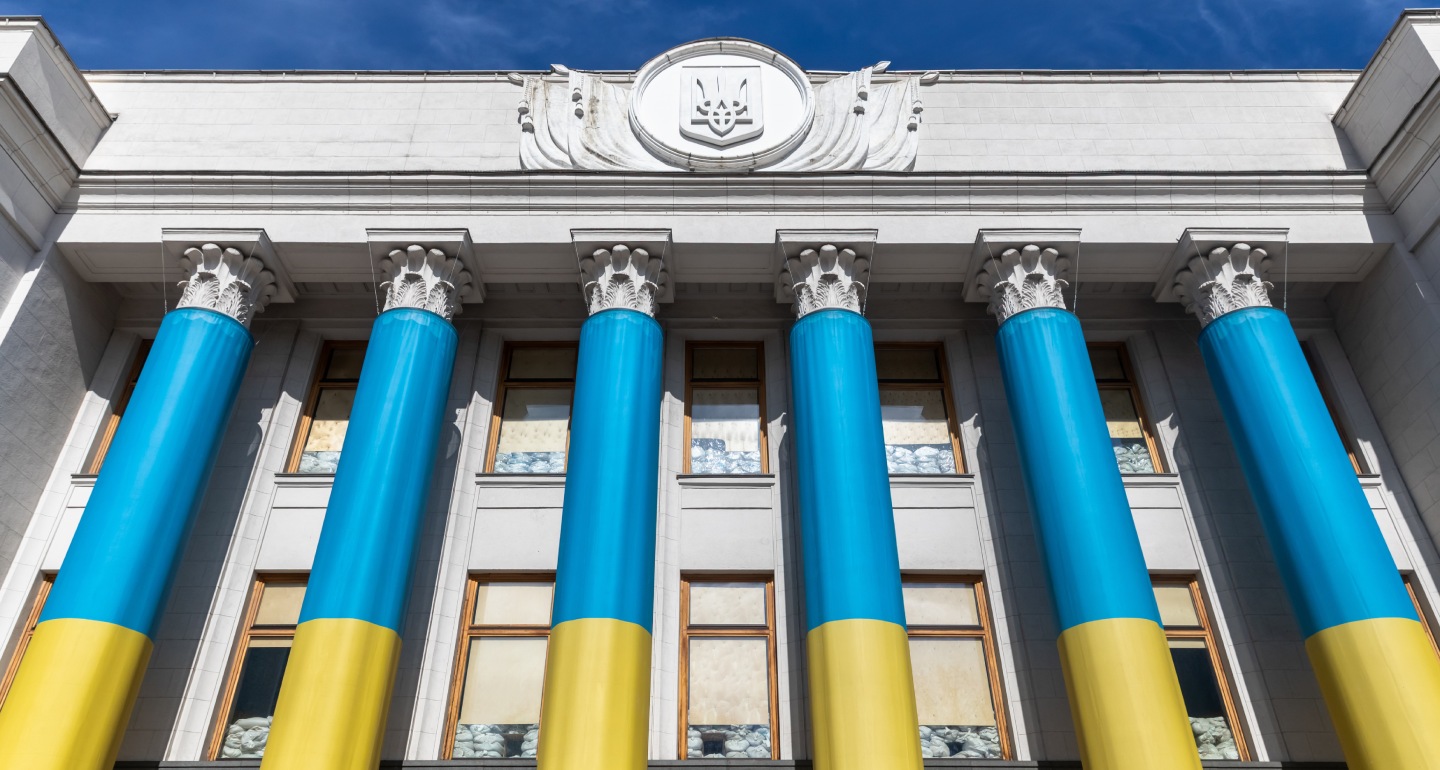
The return of parliamentary politics reflects a broader shift from earlier expectations of a settlement and elections toward the reality of a prolonged war.

Balázs Jarábik
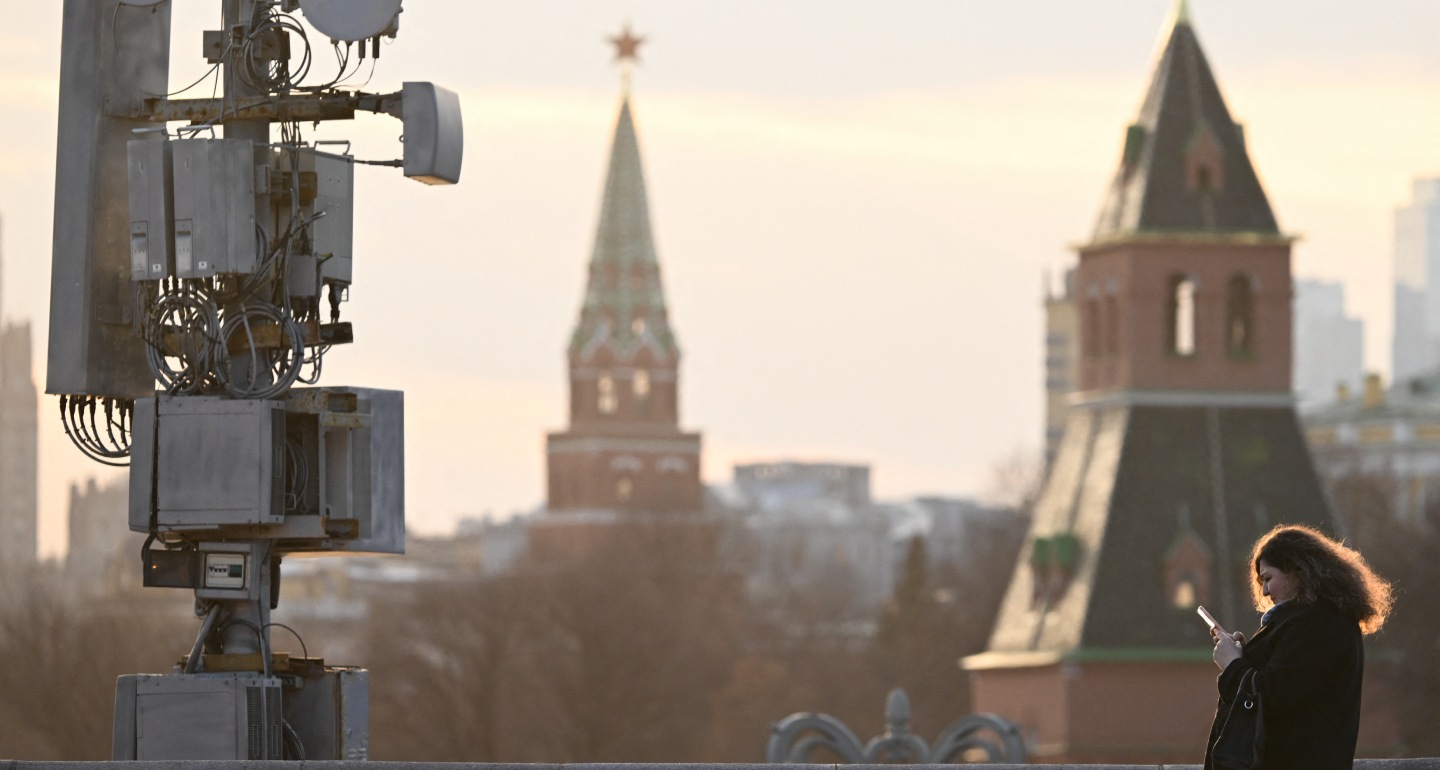
The Russian state has opted for complete ideological control of the internet and is prepared to bear the associated costs.

Maria Kolomychenko
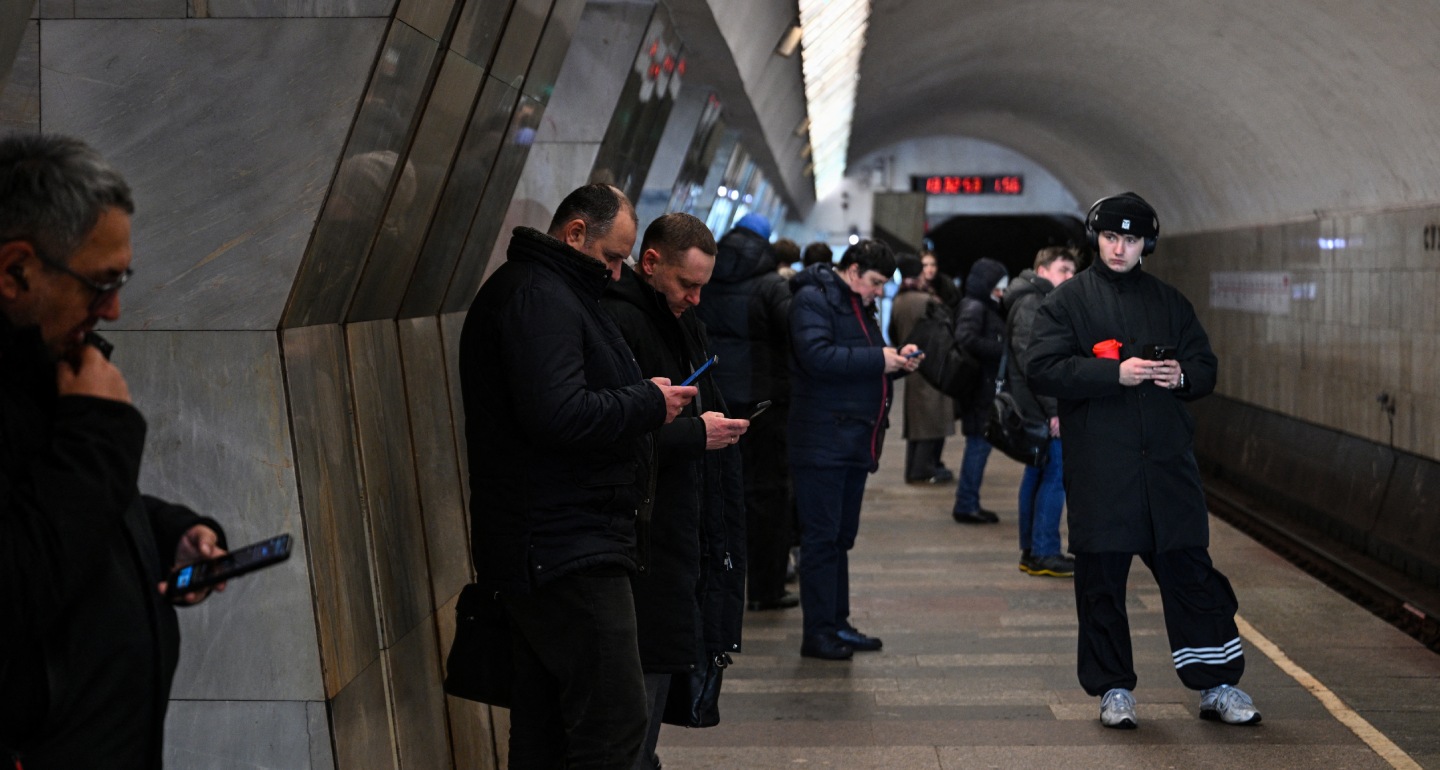
After four years of war, there is no one who can stand up to the security establishment, and President Vladimir Putin is increasingly passive.

Tatiana Stanovaya
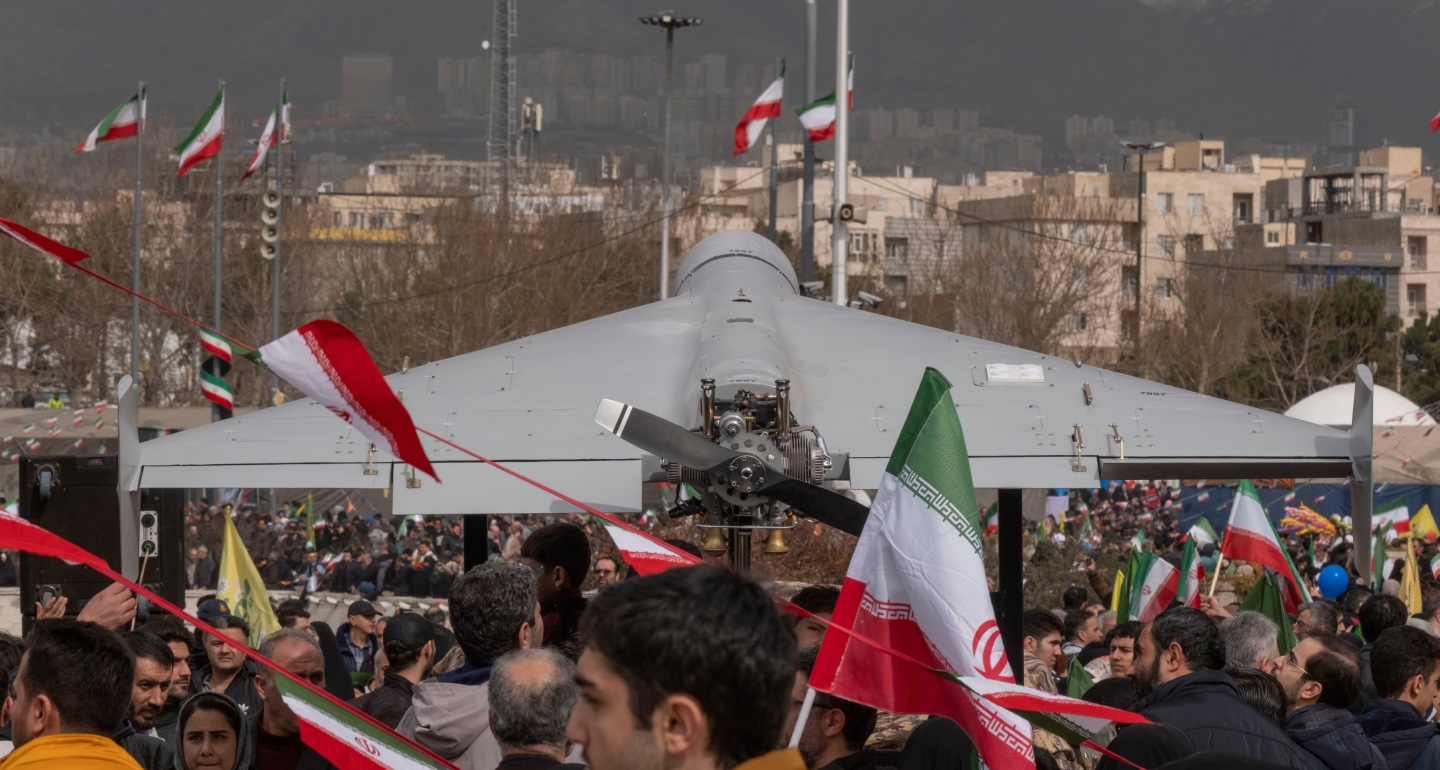
The Russian leadership wants to avoid a dangerous precedent in which it is squeezed out of Iran by the United States and Israel—and left powerless to respond in any meaningful way.

Nikita Smagin
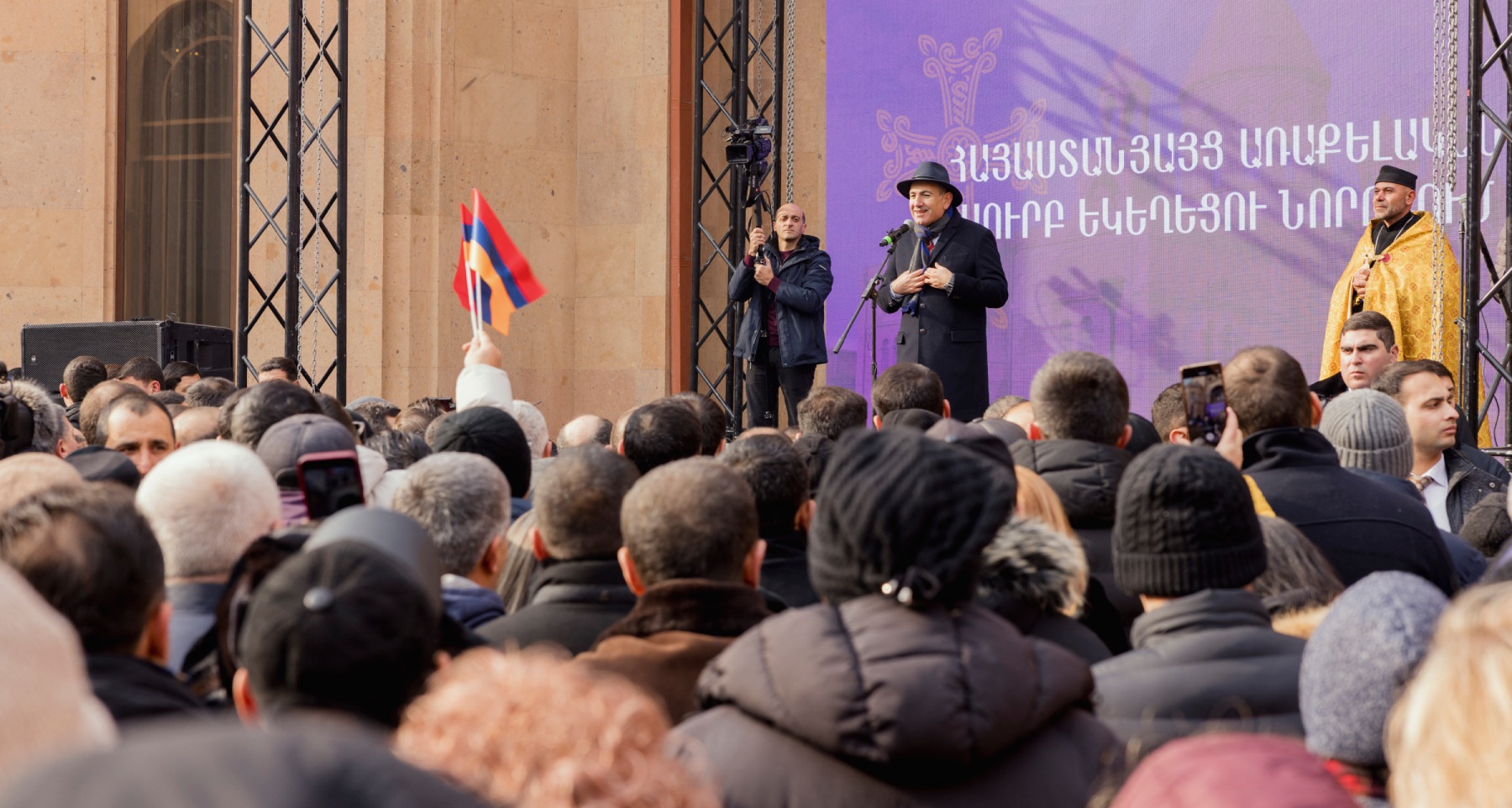
It’s true that many Armenians would vote for anyone just to be rid of Pashinyan, whom they blame for the loss of Nagorno-Karabakh, but the pro-Russia opposition is unlikely to be able to channel that frustration into an electoral victory.

Mikayel Zolyan