

Commentary
The Russian state has opted for complete ideological control of the internet and is prepared to bear the associated costs.
Maria Kolomychenko
{
  "authors": [
    "Mohammed Hussein Al-Dallal"
  ],
  "type": "other",
  "centerAffiliationAll": "dc",
  "centers": [
    "Carnegie Endowment for International Peace"
  ],
  "collections": [],
  "englishNewsletterAll": "democracy",
  "nonEnglishNewsletterAll": "",
  "primaryCenter": "Carnegie Endowment for International Peace",
  "programAffiliation": "DCG",
  "programs": [
    "Democracy, Conflict, and Governance",
    "Middle East"
  ],
  "projects": [],
  "regions": [
    "Kuwait"
  ],
  "topics": [
    "Political Reform"
  ]
}
REQUIRED IMAGE
A member of Kuwait's Islamic Constitutional Movement offers his thoughts on Nathan Brown's recent study of Kuwaiti politics. While he does not agree with Brown on all issues, he expresses his respect for the study and comments on broad points of agreement.
It was with great interest and the utmost appreciation that I read the paper entitled “Pushing towards Party Politics? Kuwait’s Islamic Constitutional Movement” by Carnegie Endowment senior associate Nathan Brown, translated into Arabic on Carnegie’s website, and which included an objective study of the Islamic Constitutional Movement (ICM) and its influence on Kuwaiti politics. I was granted the valuable opportunity to meet Nathan Brown last March when he visited Kuwait, and we exchanged some views and ideas on his forthcoming study and issues concerning reformist, particularly Islamic, currents in the region. To support the outstanding effort exerted by Nathan Brown in preparing the study and express my agreement with him on several aspects, I am glad to offer a number of observations which may represent an addition to the study, including my views and amendments on a number of points in which I might disagree with the scholar, with my sincere appreciation for his work.
Mohammed Hussein Al-Dallal
Kuwait’s Islamic Constitutional Movement
Carnegie does not take institutional positions on public policy issues; the views represented herein are those of the author(s) and do not necessarily reflect the views of Carnegie, its staff, or its trustees.
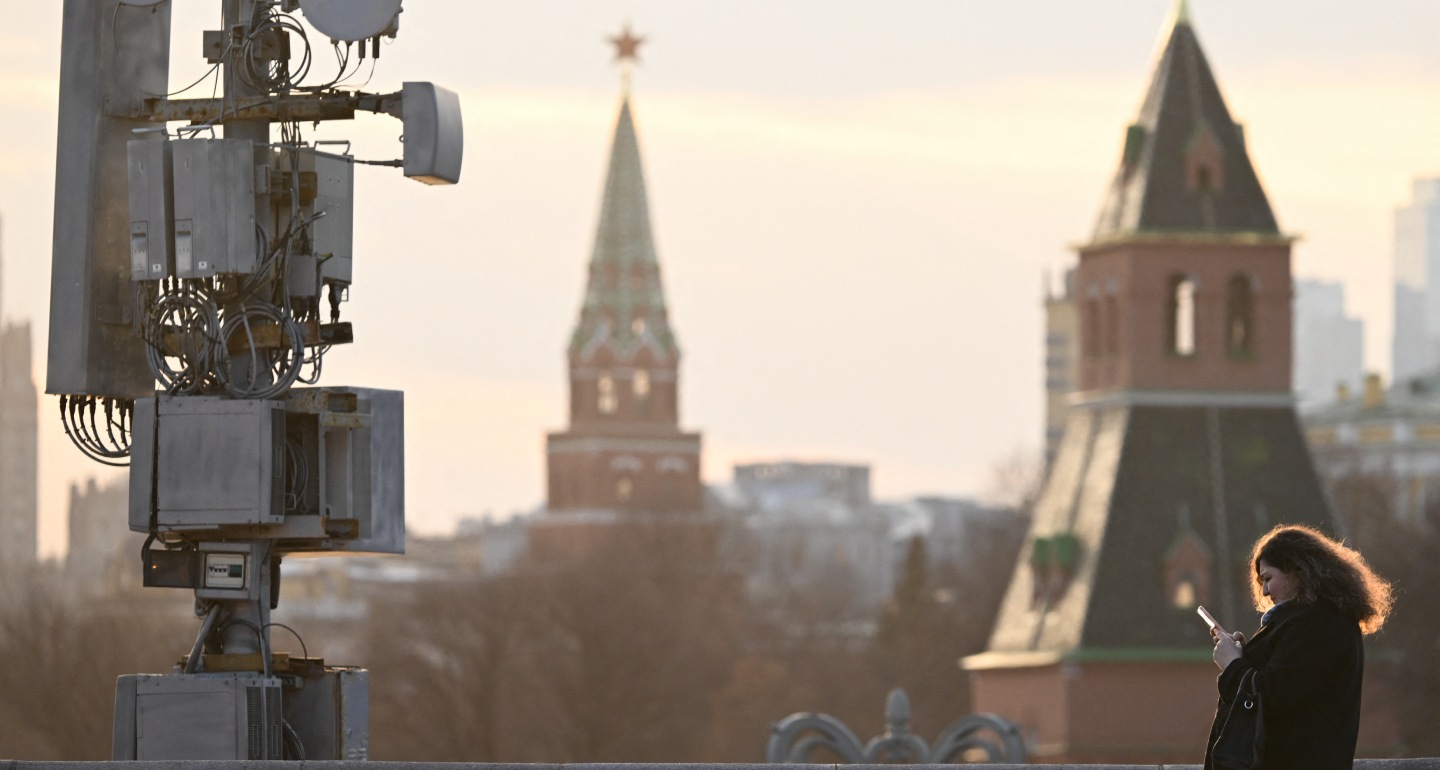
The Russian state has opted for complete ideological control of the internet and is prepared to bear the associated costs.

Maria Kolomychenko

After four years of war, there is no one who can stand up to the security establishment, and President Vladimir Putin is increasingly passive.

Tatiana Stanovaya
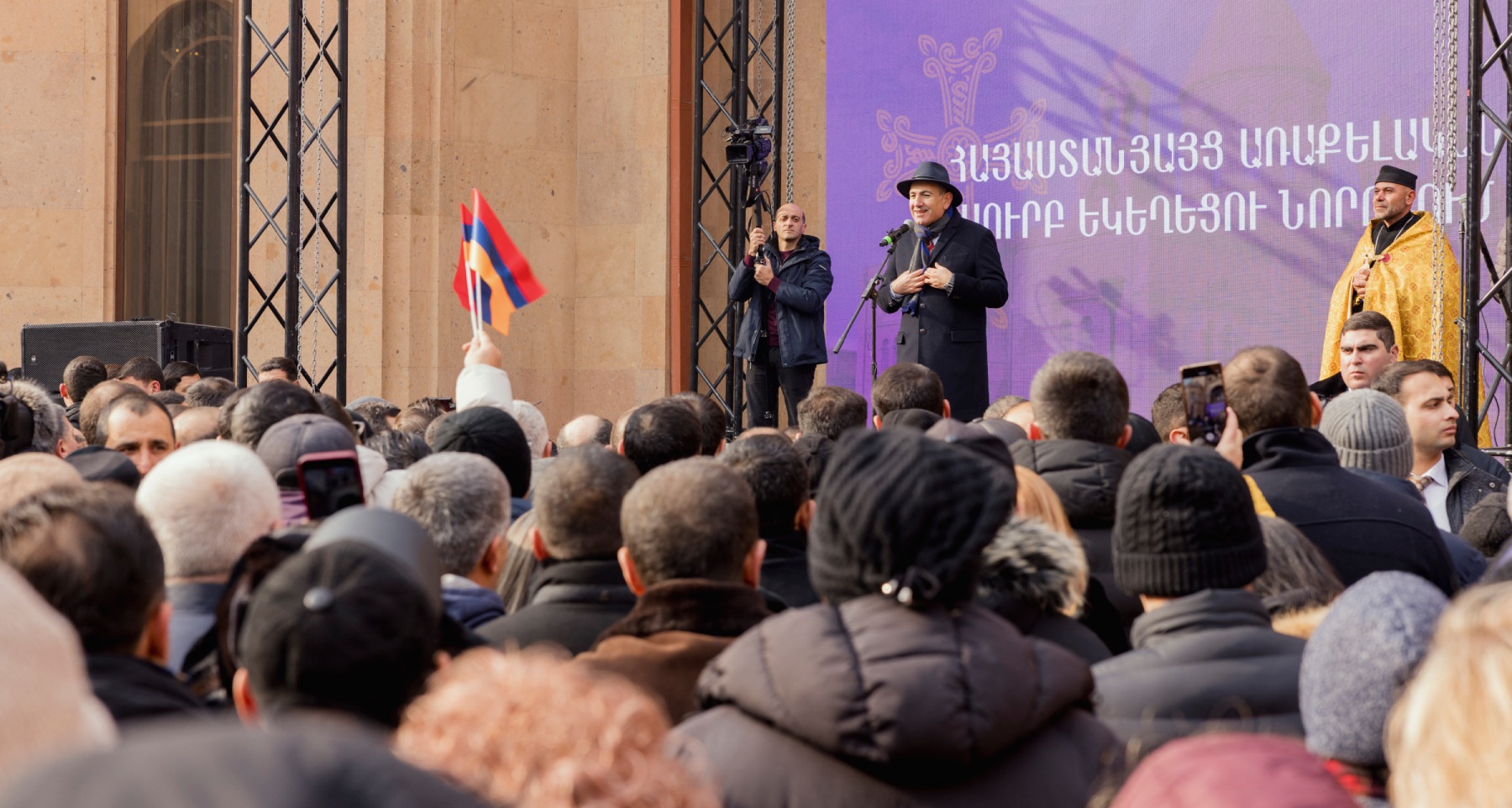
It’s true that many Armenians would vote for anyone just to be rid of Pashinyan, whom they blame for the loss of Nagorno-Karabakh, but the pro-Russia opposition is unlikely to be able to channel that frustration into an electoral victory.
Mikayel Zolyan

The front-runner to succeed Ilia II, Metropolitan Shio, is prone to harsh anti-Western rhetoric and frequent criticism of “liberal ideologies” that he claims threaten the Georgian state. This raises fears that under his leadership the Georgian Orthodox Church will lose its unifying role and become an instrument of ultraconservative ideology.

Bashir Kitachaev
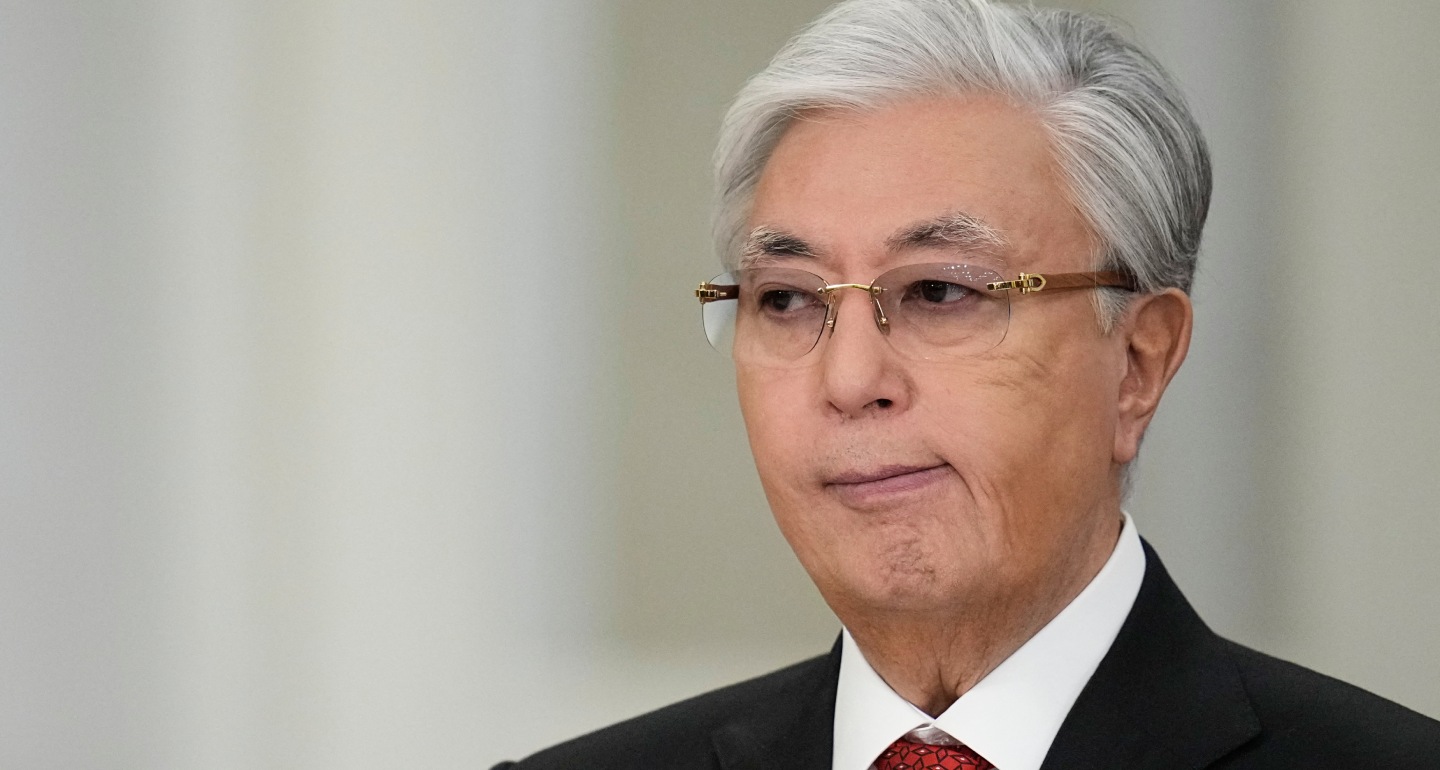
Kazakhstan’s new constitution is an embodiment of the ruling elite’s fears and a self-serving attempt to preserve the status quo while they still can.

Serik Beysembaev