

Commentary
With the growth in points of friction between the great powers, organizations like the SCO will continue to play a role in the strategic adaptation of the smaller powers caught between them.
Temur Umarov
{
  "authors": [
    "Nina Poussenkova"
  ],
  "type": "other",
  "centerAffiliationAll": "dc",
  "centers": [
    "Carnegie Endowment for International Peace"
  ],
  "collections": [],
  "englishNewsletterAll": "ctw",
  "nonEnglishNewsletterAll": "",
  "primaryCenter": "Carnegie Endowment for International Peace",
  "programAffiliation": "russia",
  "programs": [
    "Russia and Eurasia"
  ],
  "projects": [],
  "regions": [
    "Caucasus",
    "Russia"
  ],
  "topics": [
    "Economy"
  ]
}
REQUIRED IMAGE
Click on icon above for the full text.
This paper was written for the joint James A. Baker III Institute for Public Policy/Japan Petrolium Energy Center Policy report, The Changing Role of National Oil Companies in International Energy Markets, published by the James A. Baker III Institute for Public Policy.
Click here to read full report. Click here to read more NOC case studies and related research.
Nina Poussenkova

With the growth in points of friction between the great powers, organizations like the SCO will continue to play a role in the strategic adaptation of the smaller powers caught between them.

Temur Umarov

The war in Ukraine and a change in ownership led VK to neglect its commercial ventures in favor of implementing the Kremlin’s online agenda. Now it’s been sanctioned by the EU.

Maria Kolomychenko
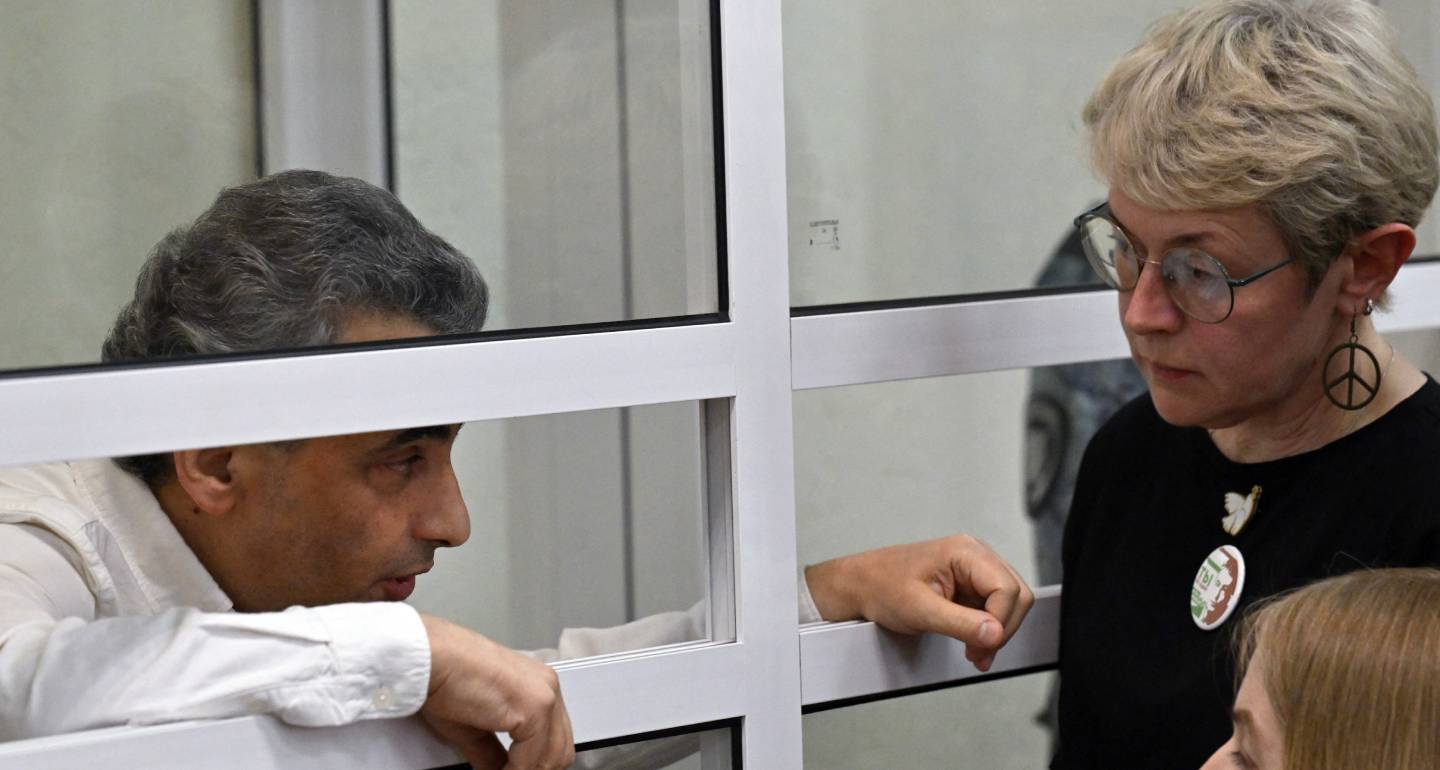
A regime founded on force, coercion, and repression does not want its propaganda, with all its flaws of logic, omissions, and outright lies, to be competing with the most simple of all messages: Thou shalt not kill.

Leonid Bershidsky

Political pressure and economic headwinds are closely intertwined problems for Russian publishers and booksellers. Together, they risk propelling Russia into a “post-literate” era.
Galina Yuzefovich
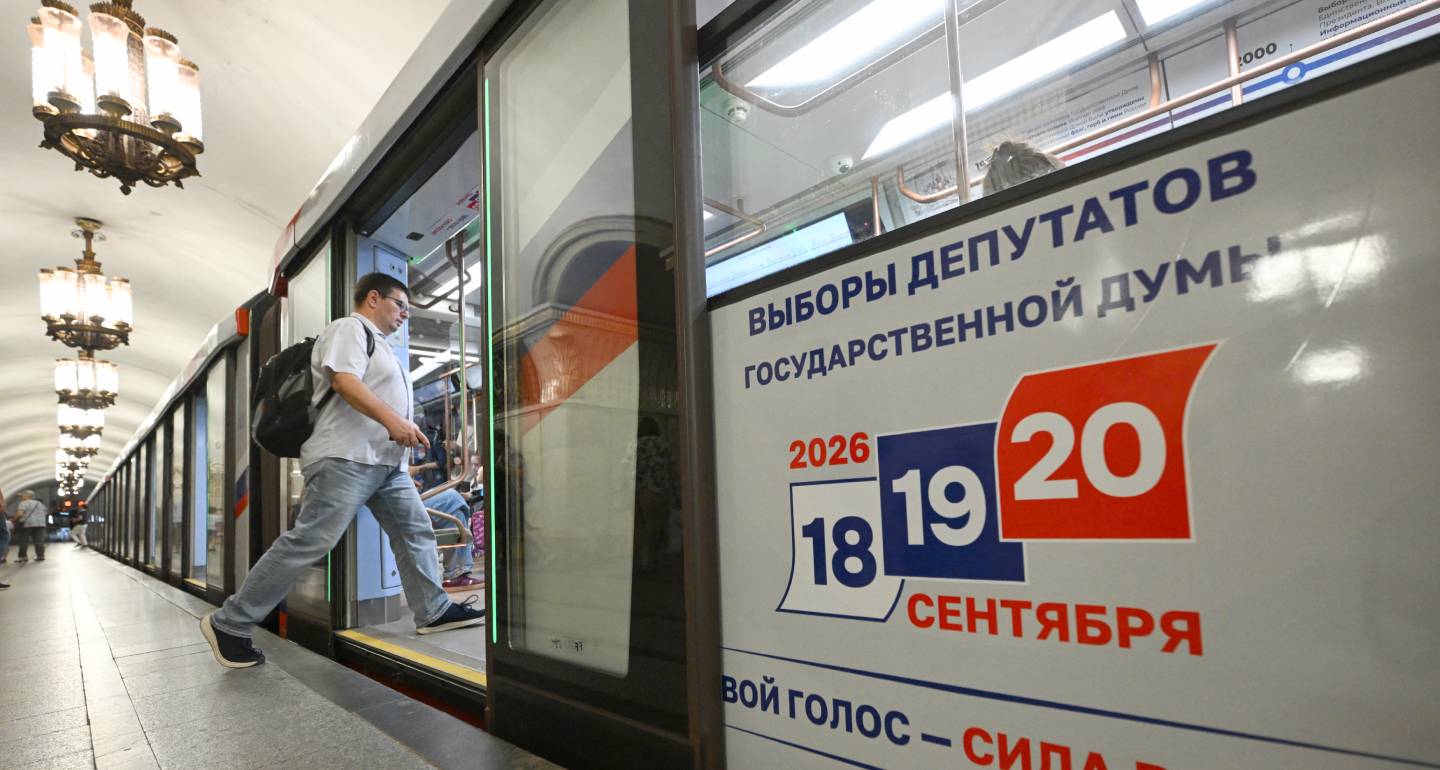
In the discussions made possible by the State Duma election campaign, one question is being asked more and more loudly. “What next?”

Andrey Pertsev