

In The Media
Michele Dunne, Robert Kagan
{
  "authors": [
    "Robert Kagan"
  ],
  "type": "legacyinthemedia",
  "centerAffiliationAll": "",
  "centers": [
    "Carnegie Endowment for International Peace"
  ],
  "collections": [],
  "englishNewsletterAll": "",
  "nonEnglishNewsletterAll": "",
  "primaryCenter": "Carnegie Endowment for International Peace",
  "programAffiliation": "",
  "programs": [],
  "projects": [],
  "regions": [
    "North America",
    "China",
    "Caucasus",
    "Russia"
  ],
  "topics": [
    "Political Reform",
    "Democracy"
  ]
}
REQUIRED IMAGE
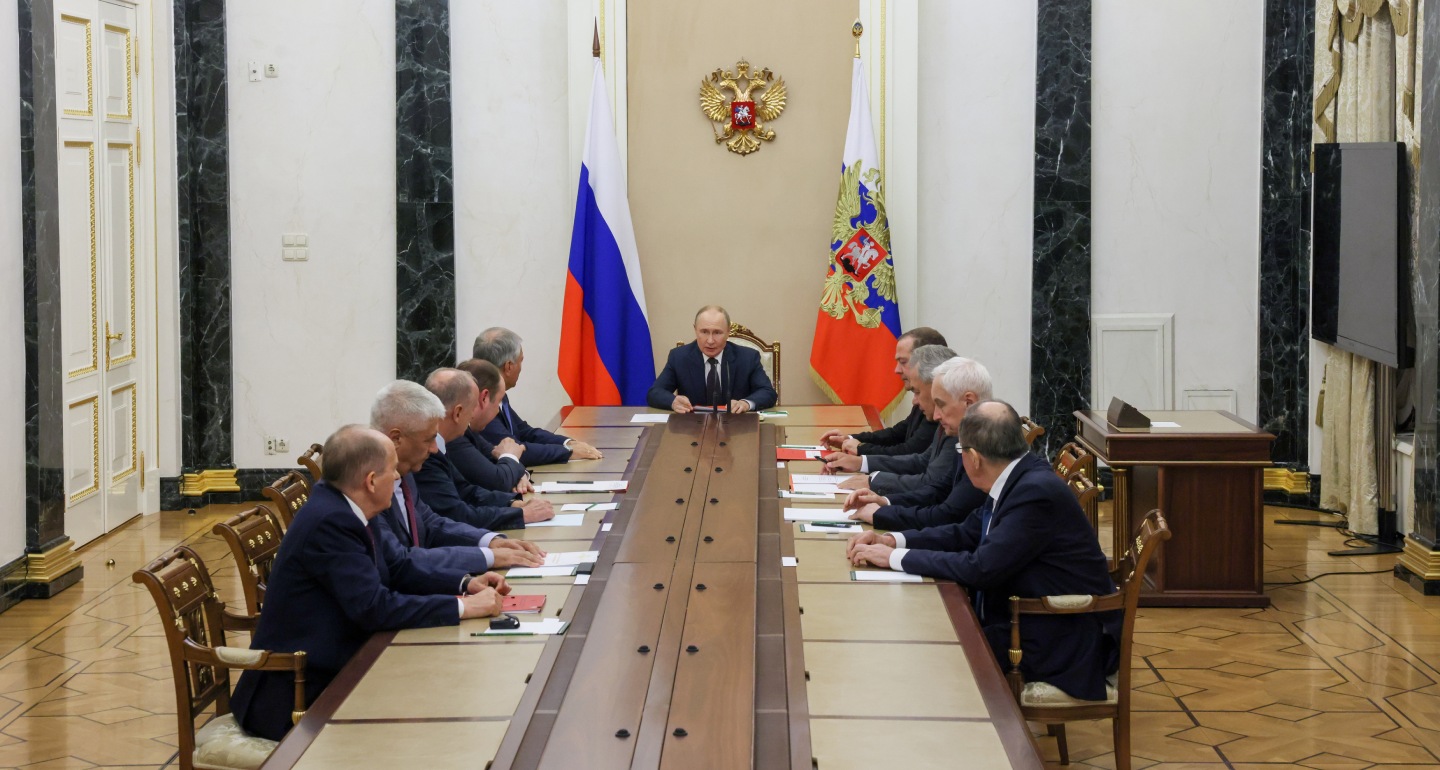
This old debate ought to sound familiar, for we have been having it again over the surprising resilience of autocracy in China, Russia, Venezuela and elsewhere. It wasn't supposed to be this resilient.
Source: The Washington Post
During the slavery controversy of the 1850s, Northerners who opposed confronting the South argued for letting nature take its course. Slavery was doomed, they argued, because it could not spread where the climate was inhospitable to cotton and because the atavistic slave system would inevitably be overtaken by industrialization.
Abraham Lincoln called these "lullaby" arguments. He agreed that slavery could not compete in the long run, but he feared slaveholders could adapt for a time and even thrive. Slavery had seemed doomed in the 1790s, too, until Eli Whitney invented the cotton gin, and then it had boomed. The Industrial Revolution could produce new ways to make slavery profitable. It would take the will of men, not nature, to bring down this horrific human invention.
This old debate ought to sound familiar, for we have been having it again over the surprising resilience of autocracy in China, Russia, Venezuela and elsewhere. It wasn't supposed to be this resilient. After the Cold War, many insisted that in a globalized economy, nations had to liberalize to compete and that economic liberalization would produce political liberalization. As national economies approached a certain level of per capita income, growing middle classes would demand legal and political power, which in turn would provide the basis for democracy. Some pundits pointed to the desirability of "liberal autocracy" -- the dictator who could steer his nation through the necessary stages of development until stable democracy could take hold.
The economic determinists shared two common traits. One was an abiding belief in the inevitability of human progress, the belief that history moves in only one direction -- a faith born in the Enlightenment but given new life by the fall of communism. The other was a prescription for patience and restraint. Rather than confront autocracies and demand that they hold free and fair elections, it was better to enmesh them in the global economy, support the rule of law and the creation of stronger state institutions, and let the processes of development do their work. In the long dialectical struggle of human history between liberalism and various forms of autocracy, a struggle driven by the innate human desire for "recognition," liberal democracy was simply destined to win.
Maybe that is true in the long run. But for now, it hasn't worked out as predicted. Rather than reforming themselves or withering in the globalized world, autocracies have been adapting. In Russia and China, booming economies based on expanding international commerce have not undermined but strengthened autocrats. Richer authoritarian governments monopolize television and radio stations and keep a grip on Internet traffic, with eager help from foreign corporations. The growing Russian and Chinese middle classes appear willing to keep their noses out of politics so long as the money keeps rolling in and the penalty for political activity remains imprisonment or death. As the scholars Bruce Bueno de Mesquita and George W. Downs have observed, it is "an ominous and poorly appreciated fact" that "economic growth, rather than being a force for democratic change in tyrannical states, can sometimes be used to strengthen oppressive regimes."
Democracy experts have recently exposed other popular myths, including the widespread conviction that it is a mistake to push for elections in nations that have not first developed the rule of law or strong state institutions. In an important recent essay in the Journal of Democracy, the Carnegie Endowment's Thomas Carothers concludes that, on the evidence of the past two decades, it has proved almost impossible to establish the rule of law and strong state institutions in non-democratic countries.
Autocrats create state power over which they can exercise a monopoly, like the security forces. But they are the enemy of impartial administrative institutions that a developing society needs and that are essential for liberalism. Rather than strengthen the state, "autocrats habitually misuse the state." They keep institutions weak, unthreatening and under their control.
The same is true of the rule of law. Minxin Pei, another Carnegie scholar, once had high hopes for the rule of law in China. Today he sees a "predatory" ruling oligarchy more interested in holding power and enriching itself than in building an impartial legal system. And it's not just China. As Carothers concludes, "The idea that rule-of-law development under autocracy is a natural precursor to democracy gets the story backwards." It is "the lack of democracy" in many countries that prevents the rule of law from taking root. "Liberal autocracy" is mostly a myth. "For every Lee Kwan Yew" of Singapore, there are "dozens or even hundreds of rapacious, repressive autocrats . . . for whom the rule of law represents a straitjacket to be avoided at all costs."
The fact is, elections do matter. As Marc F. Plattner argues in a new book, "Democracy Without Borders?" free elections may not guarantee liberalism, but liberalism cannot exist without free elections. This will not be welcome news for those who'd rather believe that autocracy would simply vanish without any great effort on the part of the democracies. But both the experts and the evidence before our eyes have pulled away the props from this lullaby argument. Passivity in the face of tyranny will not suffice.
Robert Kagan, a senior associate at the Carnegie Endowment for International Peace and transatlantic fellow at the German Marshall Fund, writes a monthly column for The Post.
Former Senior Associate
Kagan, author of the recent book, The Return of History and the End of Dreams (Knopf 2008), writes a monthly column on world affairs for the Washington Post and is a contributing editor at both the Weekly Standard and the New Republic.
Recent Work

Michele Dunne, Robert Kagan
Robert Kagan, Michele Dunne
Carnegie does not take institutional positions on public policy issues; the views represented herein are those of the author(s) and do not necessarily reflect the views of Carnegie, its staff, or its trustees.
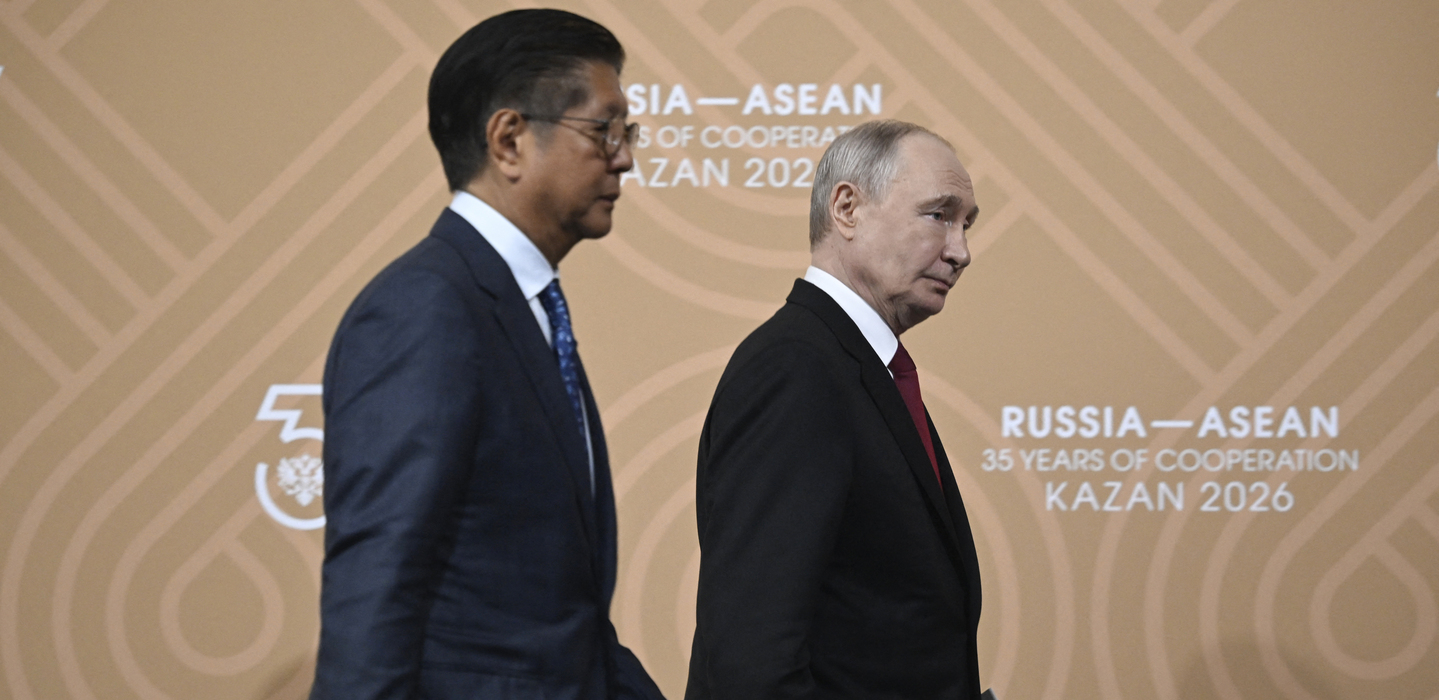
Russia looks set to reap economic benefits from closer ties with Southeast Asian countries that are keen to find reliable energy suppliers and diversify trade ties.

Alexander Gabuev
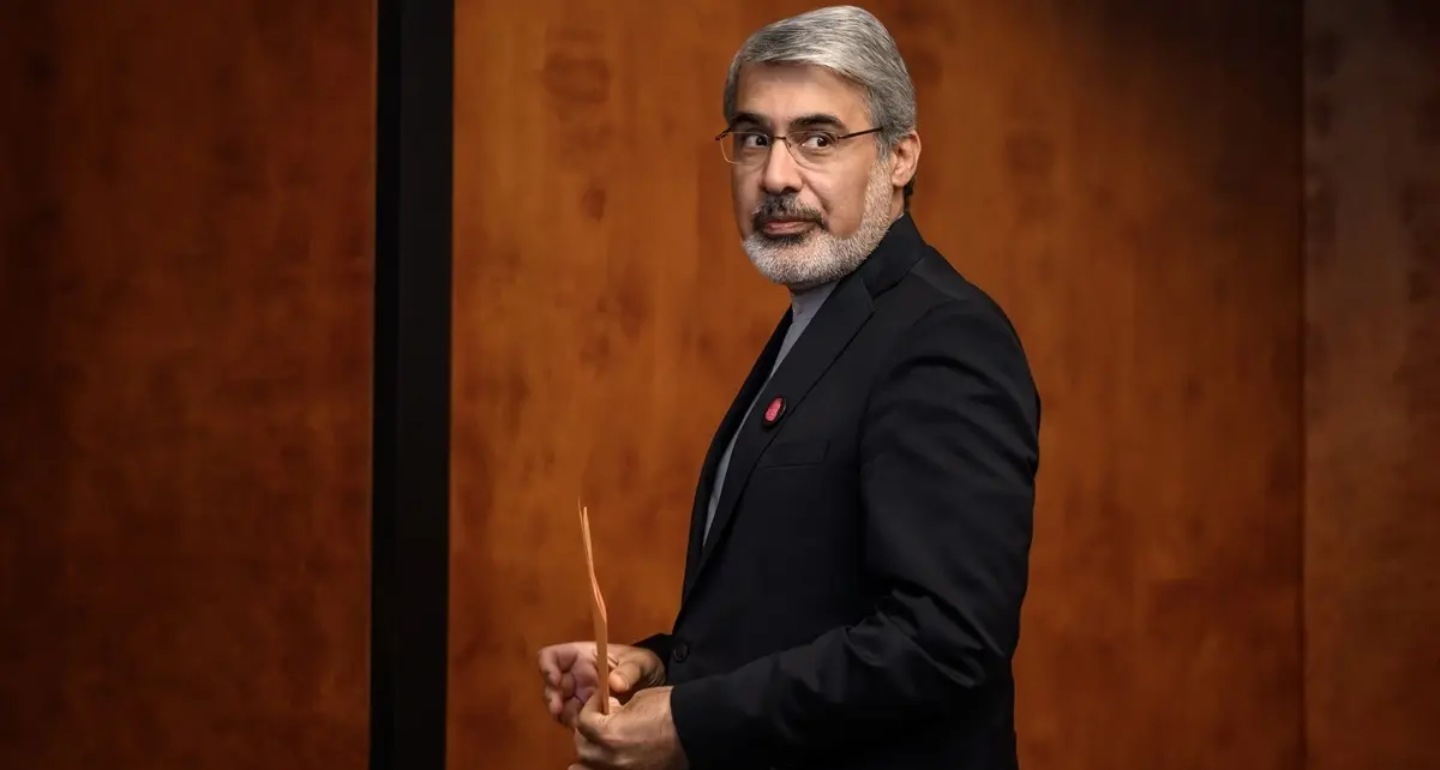
Ongoing uncertainty in the Middle East allows Moscow to both increase its influence in Tehran and continue to enjoy the financial windfall of higher oil prices.

Nikita Smagin
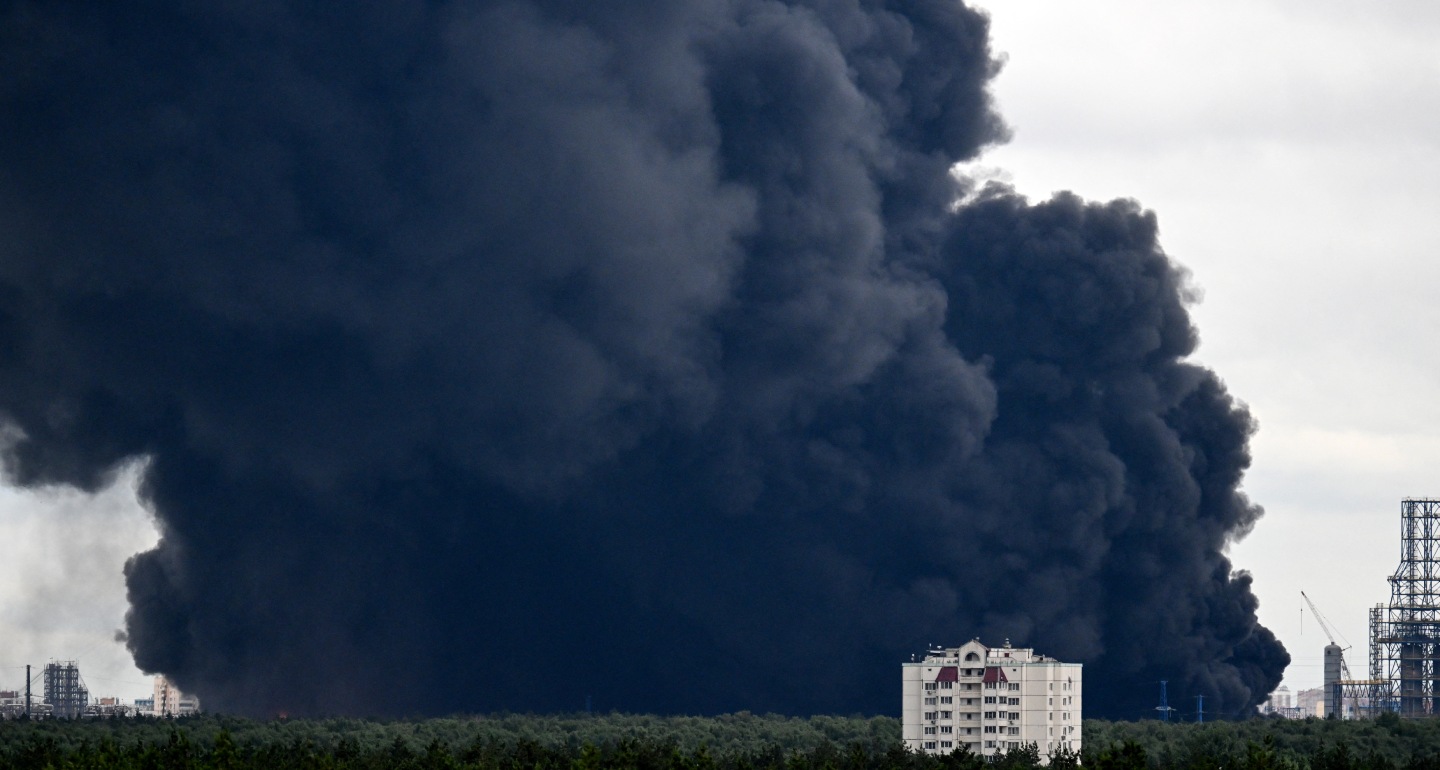
If it proves impossible for the Russian authorities to avoid a gasoline deficit, the question then becomes how they will organize the distribution of a scarce resource.

Sergey Vakulenko

This year’s wars have made alternative routes to transit through Russia no less risky for Central Asian countries.

Galiya Ibragimova
The ruling elites in contemporary Russia are not a political class, but a community of managers who are not subject to competition or public accountability. The state is becoming an operating apparatus without any internal autonomy.

Alexandra Prokopenko