

Commentary
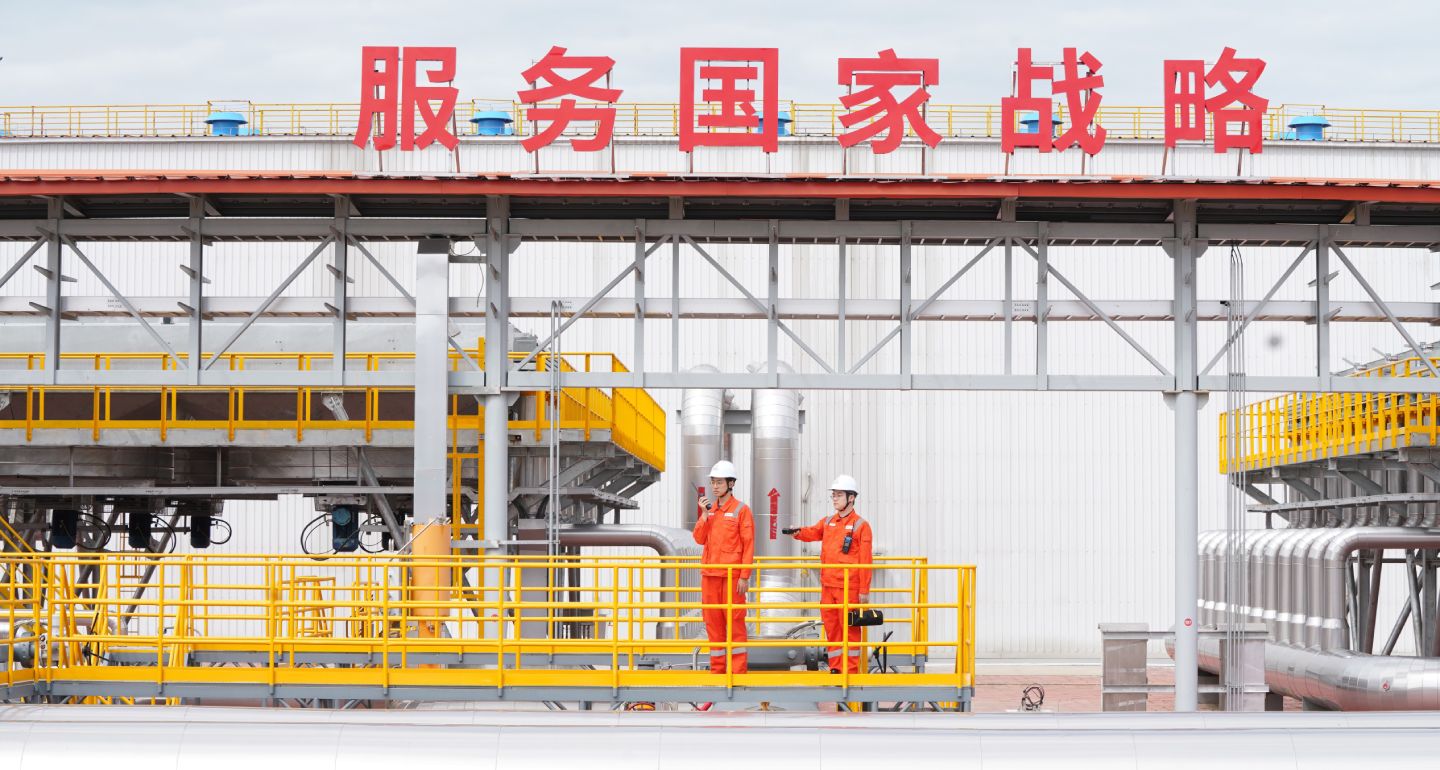
A leak of Russian gas price data helps establish that China is paying Russia far less than Central Asian countries and Gazprom’s former European customers.
Sergey Vakulenko
{
  "authors": [],
  "type": "pressRelease",
  "centerAffiliationAll": "dc",
  "centers": [
    "Carnegie Endowment for International Peace"
  ],
  "collections": [],
  "englishNewsletterAll": "ctw",
  "nonEnglishNewsletterAll": "",
  "primaryCenter": "Carnegie Endowment for International Peace",
  "programAffiliation": "SCP",
  "programs": [
    "Sustainability, Climate, and Geopolitics"
  ],
  "projects": [],
  "regions": [
    "North America",
    "United States",
    "China"
  ],
  "topics": [
    "Military",
    "Foreign Policy"
  ]
}
REQUIRED IMAGE
In Breaking the Suicide Pact: U.S.-China Cooperation on Climate Change, William Chandler, director of the Carnegie Energy and Climate Program, identifies practical, non treaty-based approaches both countries could take to cut their carbon dioxide emissions across economic sectors—with little financial impact.

WASHINGTON, Mar 25—The United States and China must make accommodations to curb greenhouse gas emissions if both countries are to break their “suicide pact” of self-destructive, energy-using behavior. Together they produce 40 percent of global greenhouse gas emissions, yet both countries demand that the other take responsibility for climate change, meanwhile the threat of environmental disaster grows. For the first time, China is considering an emissions target while half of U.S. states have set their own targets—the time for a deal is now.
In Breaking the Suicide Pact: U.S.-China Cooperation on Climate Change, William Chandler, director of the Carnegie Energy and Climate Program, identifies practical, non treaty-based approaches both countries could take to cut their carbon dioxide emissions across economic sectors—with little financial impact. He argues that China and the United States should work together to set individual, national goals and achieve them through domestically enforceable measures and international agreements that prevent either nation from taking advantage of steps taken by the other.
Key Recommendations for U.S.-China Cooperation:
“U.S.–China collaboration poses no threat to the climate leadership of any region or nation or to global cooperation. It is a complement, not a challenge, to existing and planned emissions cap and trade systems. This act of mutual self-preservation would help the United States and China to avert climate disaster and the eventual sanctions of other nations if they do not act, and lay the groundwork for successful global action,” concludes Chandler.
###

Carnegie does not take institutional positions on public policy issues; the views represented herein are those of the author(s) and do not necessarily reflect the views of Carnegie, its staff, or its trustees.
A leak of Russian gas price data helps establish that China is paying Russia far less than Central Asian countries and Gazprom’s former European customers.

Sergey Vakulenko

Japan’s long-term security policy is driven by concerns about China, and there is little appetite for (or interest in) pursuing a confrontation with Moscow.

James D.J. Brown

Without a ceasefire with Ukraine on attacking each other’s energy infrastructure—to which the Kremlin is unlikely to agree—the diesel agreement between Putin and Trump is largely for show, rather than representing a genuine increase in the volumes of Russian diesel on the global market.
Sergey Vakulenko

Despite a new textbook, an influx of Russian teachers and managers, and an end to the teaching of Ukrainian, the Kremlin is unlikely to have “reprogrammed” locals.

Konstantin Skorkin

Cargo traffic through Russia’s Northern Sea Route has increased because of the disruption caused by the conflict in the Middle East, the Ukraine war, and U.S.-China tensions.

Mikhail Korostikov