

Commentary
A much-discussed disagreement over internet restrictions in Russia was never an existential threat for Putin: It was about elite groups protecting their interests.
Alexandra Prokopenko
{
  "authors": [
    "Eduardo Zepeda",
    "David Fairris",
    "Gurleen Popli"
  ],
  "type": "legacyinthemedia",
  "centerAffiliationAll": "",
  "centers": [
    "Carnegie Endowment for International Peace"
  ],
  "collections": [],
  "englishNewsletterAll": "",
  "nonEnglishNewsletterAll": "",
  "primaryCenter": "Carnegie Endowment for International Peace",
  "programAffiliation": "",
  "programs": [],
  "projects": [],
  "regions": [
    "North America",
    "South America"
  ],
  "topics": [
    "Economy"
  ]
}
Source: Getty
Low minimum wages may be partially to blame for the growth of inequality in Mexico throughout the late 1980s and early 1990s. Minimum wages play an important role in wage-setting for low-income workers, including those in the informal sector. Government policies aiming to mitigate minimum wage’s negative impacts on employment may have pernicious consequences for income inequality.
Instead of merely setting a lower bound on the wages of formal sector workers, minimum wages serve as a norm for wage setting more generally throughout the Mexican economy. Out results suggest that wages are commonly set at multiples of the minimum wage, and that changes in minimum wages influence wage changes across the occupational distribution. Moreover, our findings suggest that these normative features of minimum wages have their greatest impact on the mid-to-lower tail of the wage distribution, including the informal sector of the economy. Thus, the results lend support to the view that declining real minimum wages and stabilization programs that strengthen the link between wage levels, wage changes, and minimum wages, might account for a portion of the growing wage inequality in Mexico over the period of the late 1980s and early 1990s.
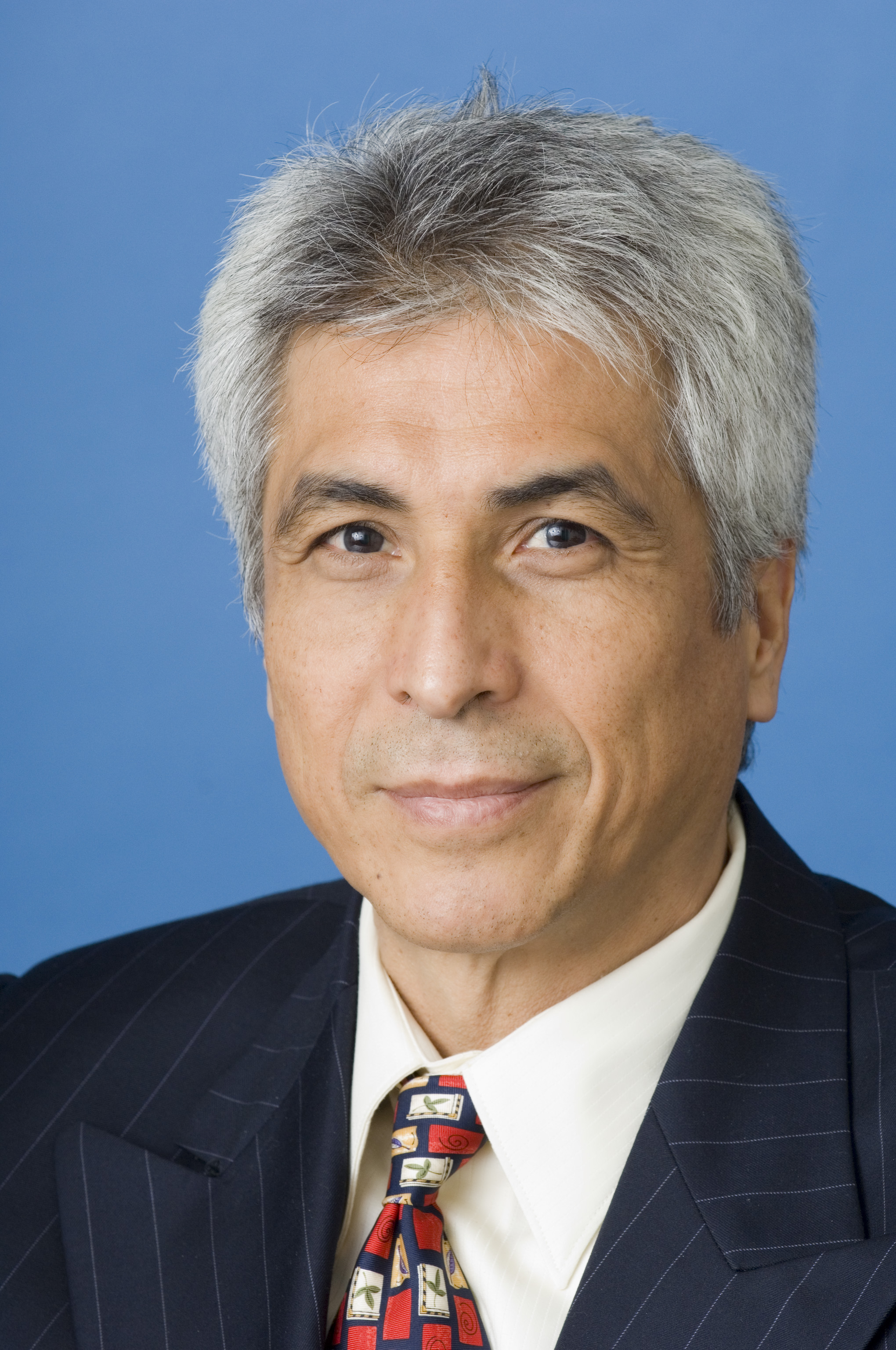
Former Senior Associate, Trade, Equity and Development Program
Zepeda is inter-regional policy coordinator of the Development Policy and Analysis Division, Department of Economic and Social Affairs at the United Nations General Secretariat. He was previously a senior associate in the Trade, Equity, and Development Program at the Carnegie Endowment for International Peace.
David Fairris
University of California, Riverside
Gurleen Popli
University of Sheffield, UK
Carnegie does not take institutional positions on public policy issues; the views represented herein are those of the author(s) and do not necessarily reflect the views of Carnegie, its staff, or its trustees.
A much-discussed disagreement over internet restrictions in Russia was never an existential threat for Putin: It was about elite groups protecting their interests.

Alexandra Prokopenko

The demands of the Kremlin’s war in Ukraine, demographic problems, and public hostility toward Central Asians mean Russia does not have enough workers.
Salavat Abylkalikov
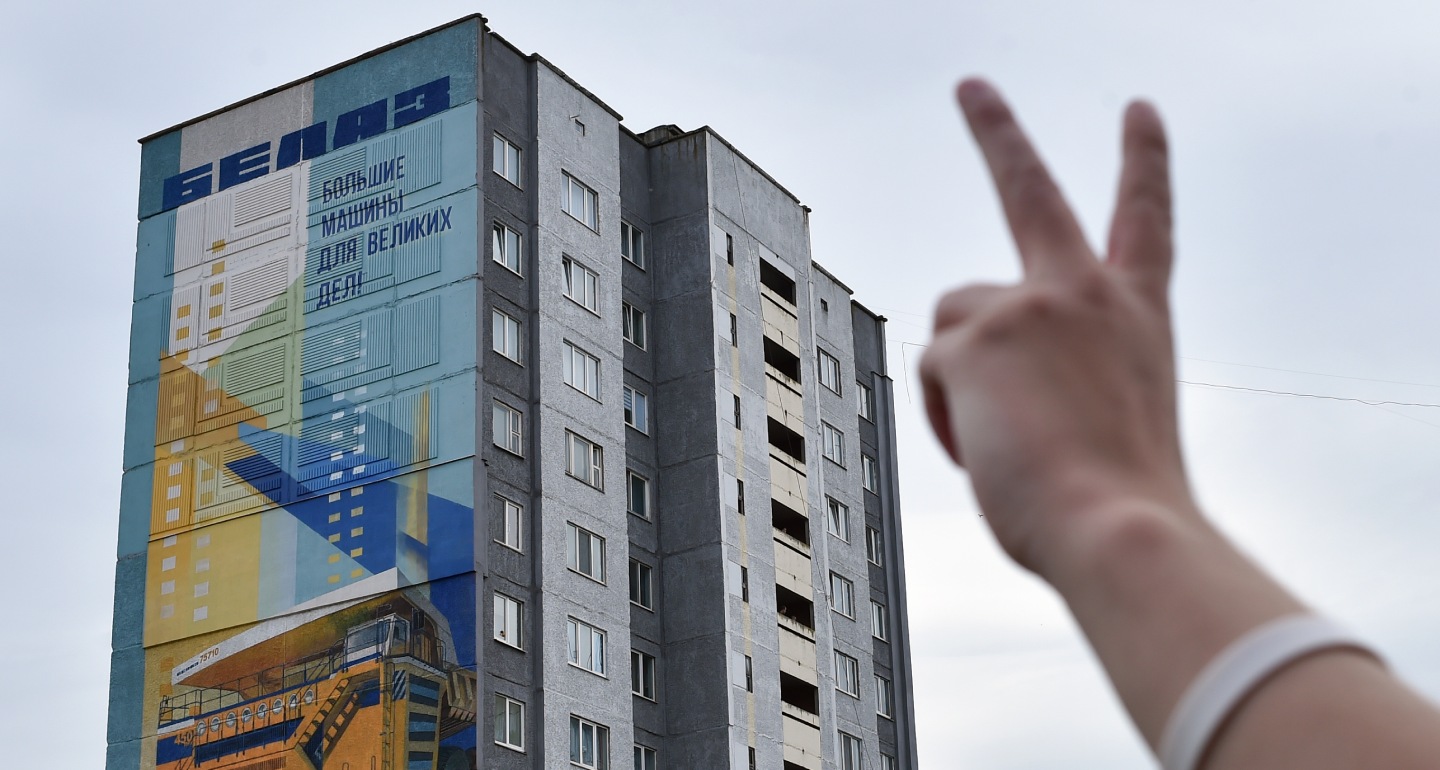
Minsk’s faith in the future of its larger neighbor’s economy is fading as Belarusian firms in Russia see record losses.

Olga Loiko

The cost of air defense has become an unregistered tax on revenue for businesses. While military rents are consolidated in the federal budget, the costs of defense are being spread across the balance sheets of companies and regional governments.
Alexandra Prokopenko

Powerful lobbyists and inertia led to Russia’s coal-mining sector missing an excellent opportunity to solve its structural problems.
Alexey Gusev