

Research
- +6
Yasmine Farouk, Nathan J. Brown, Maysaa Shuja Al-Deen, …
{
  "authors": [
    "Michele Dunne"
  ],
  "type": "legacyinthemedia",
  "centerAffiliationAll": "dc",
  "centers": [
    "Carnegie Endowment for International Peace"
  ],
  "collections": [],
  "englishNewsletterAll": "menaTransitions",
  "nonEnglishNewsletterAll": "",
  "primaryCenter": "Carnegie Endowment for International Peace",
  "programAffiliation": "MEP",
  "programs": [
    "Middle East"
  ],
  "projects": [],
  "regions": [
    "Middle East",
    "North Africa"
  ],
  "topics": [
    "Political Reform",
    "Democracy",
    "Foreign Policy"
  ]
}
Source: Getty
In reassessing how to secure U. S. interests while stabilizing the Middle East, the new U.S. administration might well decide to postpone or even repudiate democracy promotion. The new administration should incorporate lessons from less publicized cases to help support democracy in the Middle East more effectively.
Source: Washington Quarterly

Yet, the new U.S. administration will undoubtedly encounter early challenges and opportunities related to democratization, which Arabs themselves increasingly recognize as essential to solving their countries’ internal political, economic, and social problems. In the next four years, there will almost certainly be presidential succession in Egypt after three decades of President Hosni Mubarak’s rule – and possibly in Algeria, Yemen, and several other Arab countries as well – that will embolden those calling for political reform. Elections are becoming commonplace in Arab states, and the United States will need to decide whether to promote increasingly free and fair contests or ignore them altogether. Iraqis, Lebanese, and Palestinians will continue to try to resolve their respective power struggles, unleashed at least in part due to U.S. actions. The United States will not be able to remain neutral toward the question of democracy in these situations.
Will the new administration address these challenges, or will it ignore the freedom agenda because of its failures in Iraq and Palestine, and because it bears too strong a stamp of its predecessor? Limiting judgments of the ongoing regional legacy of democracy promotion to Iraq and Palestine overlooks other less publicized cases – in places such as Egypt, Bahrain, and Morocco – that show how the United States has managed to make some headway in promoting democracy without sacrificing strategic interests. Sidelining the freedom agenda in the Middle East without taking into account these lessons would be a historic mistake, paralleling the Bush administration’s “ABC” (Anything But Clinton) error in initially discarding the Arab-Israeli peace process. Instead, the new administration should incorporate lessons from these less publicized cases to help support democracy in the Middle East more effectively.
Download the PDF above, to read the article in full.

Former Nonresident Scholar, Middle East Program
Michele Dunne was a nonresident scholar in Carnegie’s Middle East Program, where her research focuses on political and economic change in Arab countries, particularly Egypt, as well as U.S. policy in the Middle East.
Recent Work


Yasmine Farouk, Nathan J. Brown, Maysaa Shuja Al-Deen, …
Robert Springborg, Emile Hokayem, Becca Wasser, …
Carnegie does not take institutional positions on public policy issues; the views represented herein are those of the author(s) and do not necessarily reflect the views of Carnegie, its staff, or its trustees.

In the tenth year of his presidency, President Mirziyoyev’s system is becoming even more personalized than that of his predecessor Karimov.

Galiya Ibragimova

With the growth in points of friction between the great powers, organizations like the SCO will continue to play a role in the strategic adaptation of the smaller powers caught between them.

Temur Umarov
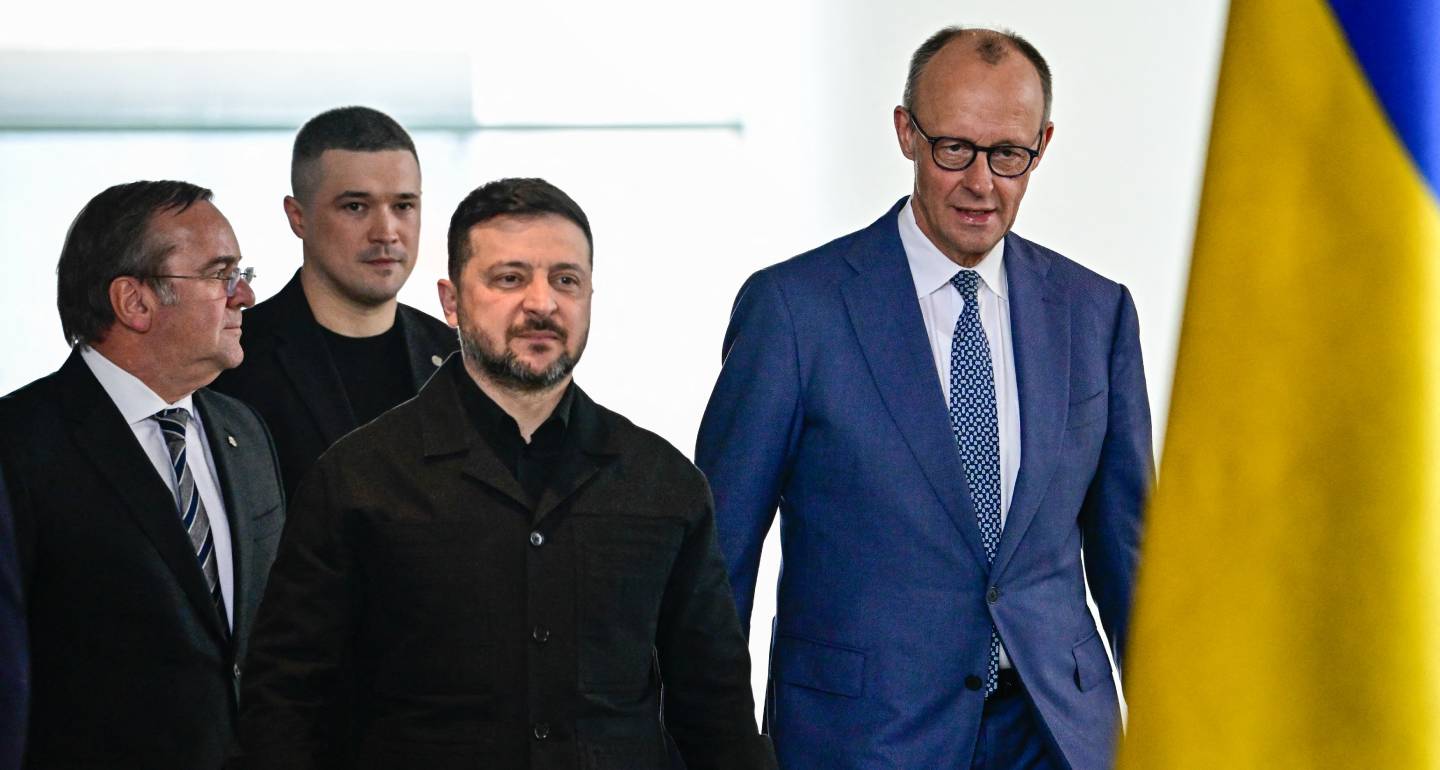
The greater threat to Zelensky comes not from Fedorov alone, but from the convergence between the former defense minister’s political campaign and the anti-corruption investigations moving ever closer to the presidential administration.

Balázs Jarábik
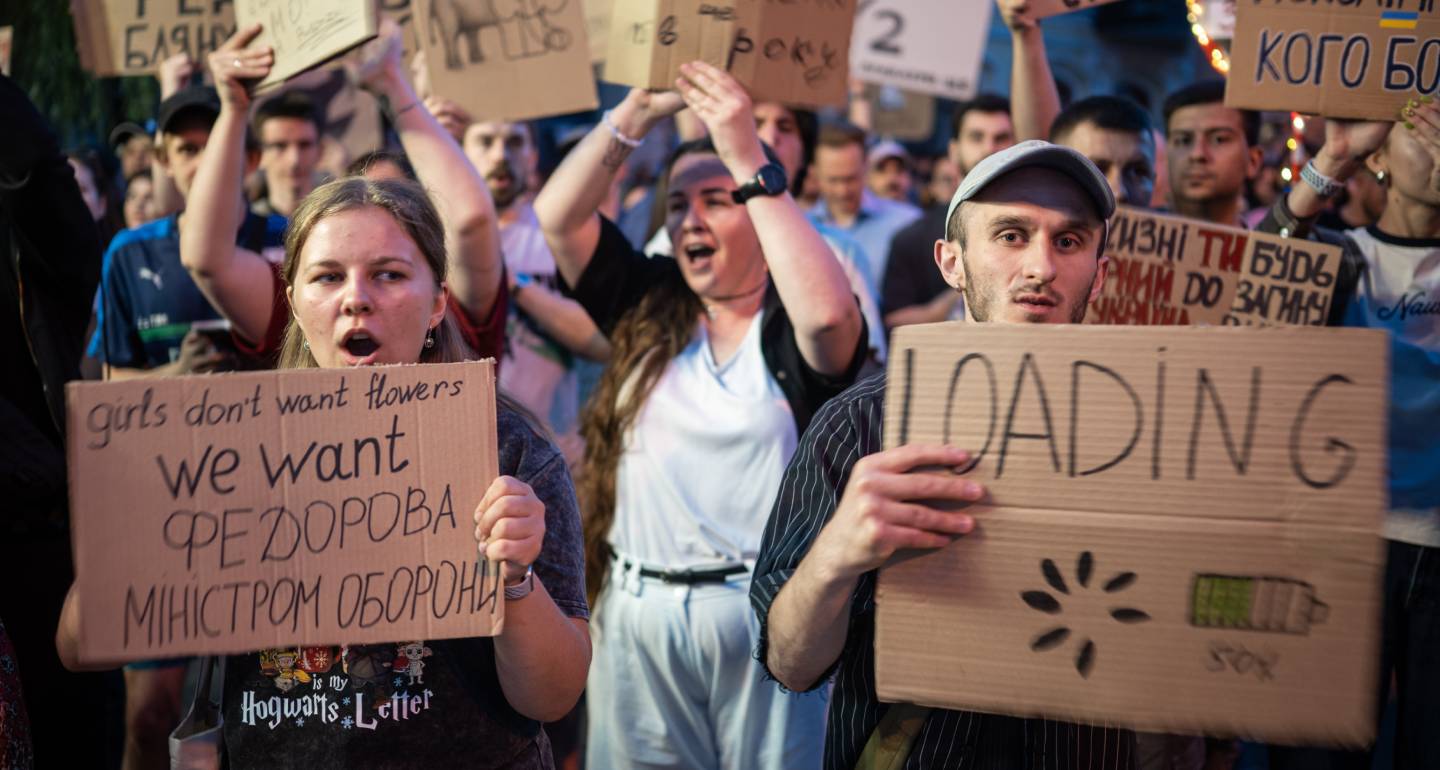
With his public call for new elections in Ukraine, ex-defense minister Mykhailo Fedorov has opened Pandora’s box.

Konstantin Skorkin
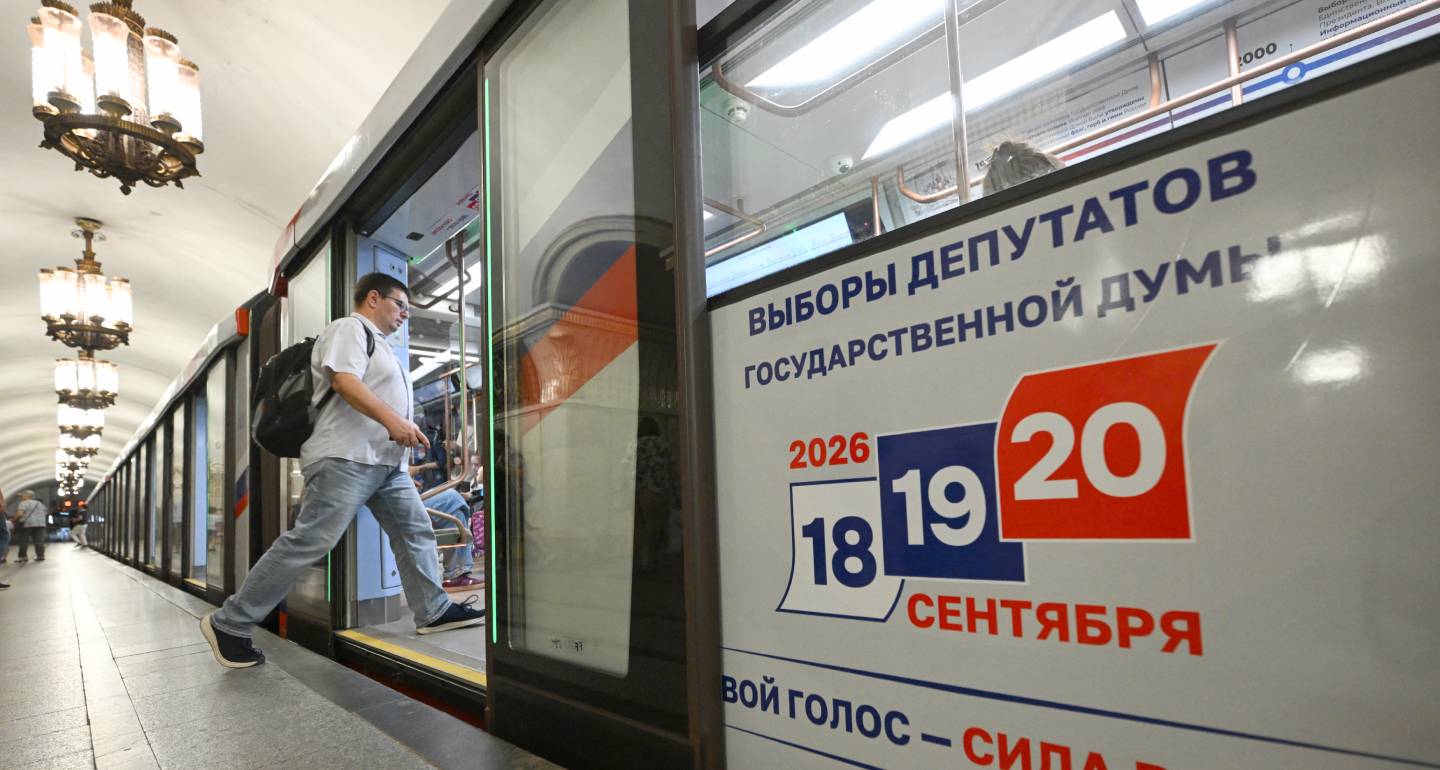
In the discussions made possible by the State Duma election campaign, one question is being asked more and more loudly. “What next?”

Andrey Pertsev