

In The Media
David Rothkopf
{
  "authors": [
    "David Rothkopf"
  ],
  "type": "testimony",
  "centerAffiliationAll": "",
  "centers": [
    "Carnegie Endowment for International Peace"
  ],
  "collections": [],
  "englishNewsletterAll": "",
  "nonEnglishNewsletterAll": "",
  "primaryCenter": "Carnegie Endowment for International Peace",
  "programAffiliation": "",
  "programs": [],
  "projects": [],
  "regions": [
    "North America",
    "United States"
  ],
  "topics": [
    "Security",
    "Military",
    "Economy",
    "Foreign Policy"
  ]
}
Source: Getty
The turmoil of the global economic crisis will beget political turmoil, posing a range of security threats that the U.S. must address carefully and pointedly.
Source: House Armed Services Committee Hearing

Rothkopf outlined a range of dire forecasts for the global economy, then elaborated on the ways the crisis will drive destabilization on national, regional, and global scales. Ultimately, the destabilizing effects of the crisis will spark geopolitical tensions with far-reaching impacts. He stressed that the U.S. must choose its priorities carefully and address the most critical issues first.
The greatest threats associated with the crisis include:
To address these threats, Rothkopf offered a set of recommendations that could minimize the national security risks posed by the crisis.
Key recommendations for U.S. policy:
Former Visiting Scholar
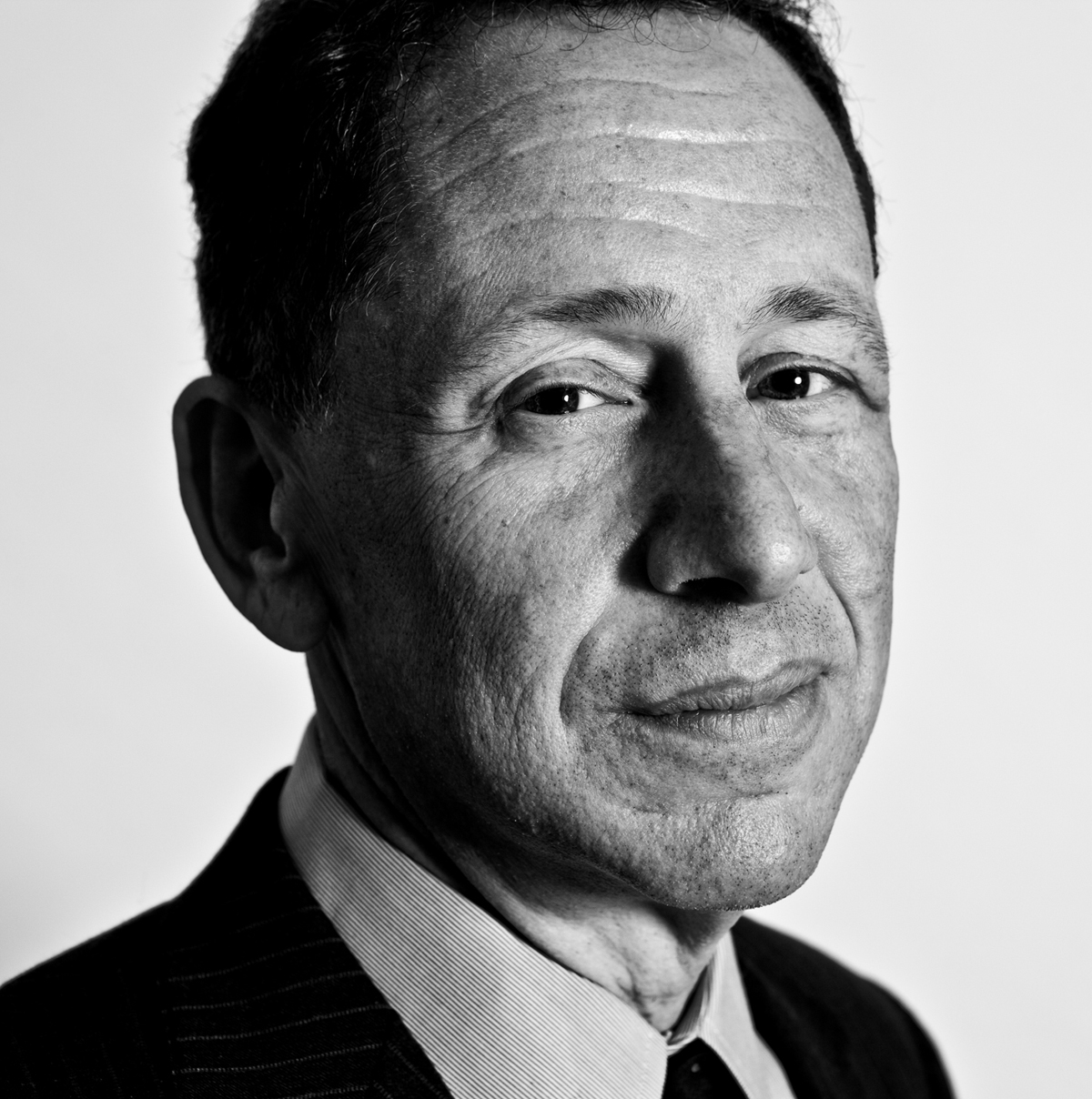
David Rothkopf was a visiting scholar at the Carnegie Endowment as well as the former CEO and editor in chief of the FP Group.
Recent Work
David Rothkopf
David Rothkopf
Carnegie does not take institutional positions on public policy issues; the views represented herein are those of the author(s) and do not necessarily reflect the views of Carnegie, its staff, or its trustees.

The truth of the strategic situation is that Europe and Russia are extremely unlikely to be able to “turn the page” on their confrontation within the next two decades.

Arkady Moshes

Russia’s AI-driven propaganda campaigns operate in a fragmented, chaotic, and often illogical manner. That’s not necessarily a problem for the Kremlin, though: It’s much easier to mimic genuine public debate that way.

Ilya Klishin

Without a ceasefire with Ukraine on attacking each other’s energy infrastructure—to which the Kremlin is unlikely to agree—the diesel agreement between Putin and Trump is largely for show, rather than representing a genuine increase in the volumes of Russian diesel on the global market.

Sergey Vakulenko

Russian strikes are weakening the economy sustaining Ukraine’s war effort. Closing the growing funding gap will require more European support and politically contentious reforms in Kyiv.

Balázs Jarábik

Despite a new textbook, an influx of Russian teachers and managers, and an end to the teaching of Ukrainian, the Kremlin is unlikely to have “reprogrammed” locals.

Konstantin Skorkin