

Commentary
Depleted financial reserves and a shrinking tax base mean it is no longer possible to simultaneously deliver high defense spending, price stability, and economic growth.
Alexandra Prokopenko
{
  "authors": [
    "Eduardo Zepeda",
    "Diana Alarcon",
    "Fábio Veras Soares",
    "Rafael Guerreiro Osório"
  ],
  "type": "legacyinthemedia",
  "centerAffiliationAll": "",
  "centers": [
    "Carnegie Endowment for International Peace"
  ],
  "collections": [],
  "englishNewsletterAll": "",
  "nonEnglishNewsletterAll": "",
  "primaryCenter": "Carnegie Endowment for International Peace",
  "programAffiliation": "",
  "programs": [],
  "projects": [],
  "regions": [
    "North America",
    "South America"
  ],
  "topics": [
    "Economy"
  ]
}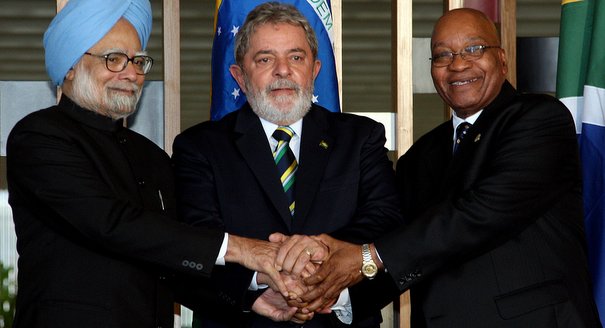
Source: Getty
Past financial crises and periods of slow growth in developing countries show that economic downturns may impact the income of the poor less severely than that of the non-poor. However, given the paucity of their initial incomes, even small reductions in earnings impose a heavy toll on the poor.
Source: The International Poverty Centre

Former Senior Associate, Trade, Equity and Development Program
Zepeda is inter-regional policy coordinator of the Development Policy and Analysis Division, Department of Economic and Social Affairs at the United Nations General Secretariat. He was previously a senior associate in the Trade, Equity, and Development Program at the Carnegie Endowment for International Peace.
Diana Alarcon
UNDP
Fábio Veras Soares
International Policy Centre for Inclusive Growth
Rafael Guerreiro Osório
International Policy Centre for Inclusive Growth
Carnegie does not take institutional positions on public policy issues; the views represented herein are those of the author(s) and do not necessarily reflect the views of Carnegie, its staff, or its trustees.

Depleted financial reserves and a shrinking tax base mean it is no longer possible to simultaneously deliver high defense spending, price stability, and economic growth.

Alexandra Prokopenko
A much-discussed disagreement over internet restrictions in Russia was never an existential threat for Putin: It was about elite groups protecting their interests.
Alexandra Prokopenko

The demands of the Kremlin’s war in Ukraine, demographic problems, and public hostility toward Central Asians mean Russia does not have enough workers.
Salavat Abylkalikov
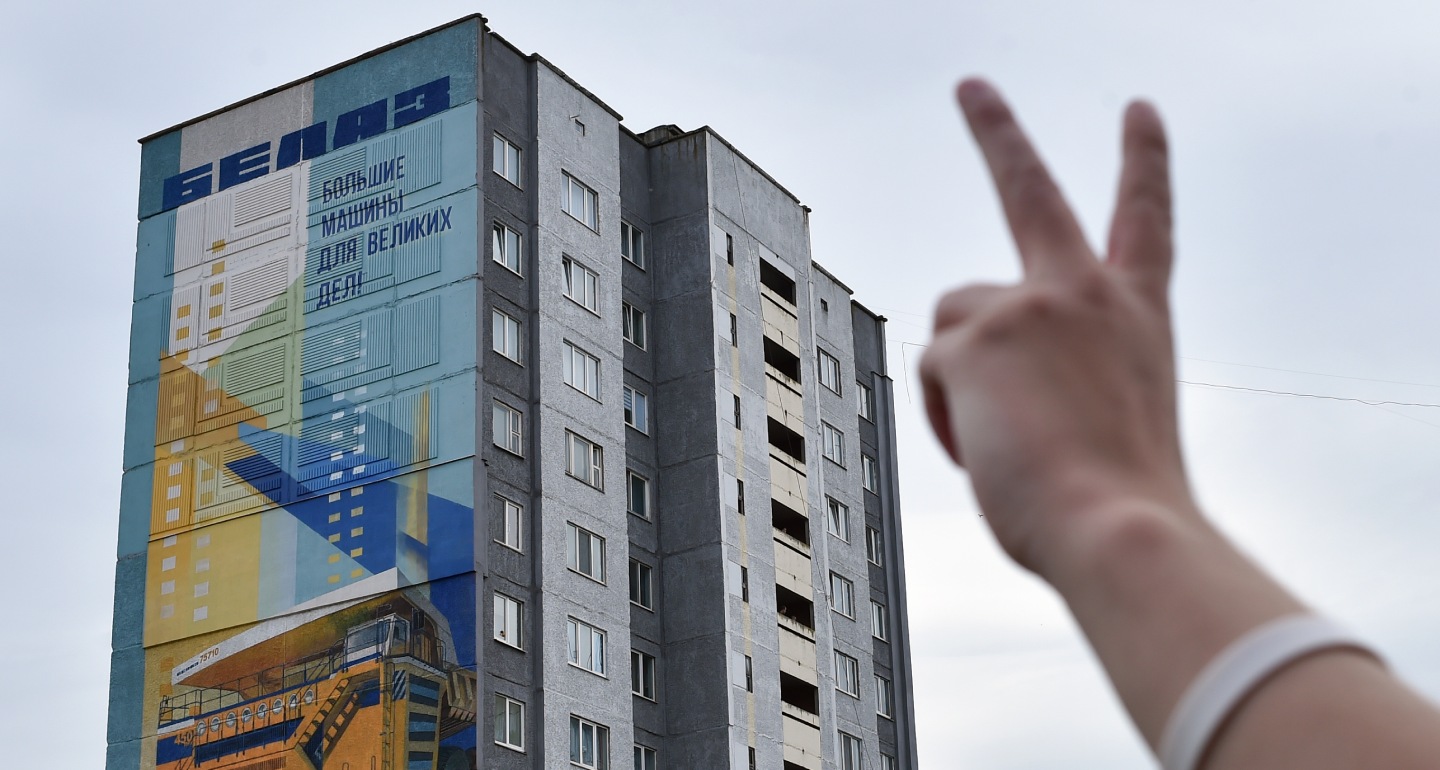
Minsk’s faith in the future of its larger neighbor’s economy is fading as Belarusian firms in Russia see record losses.

Olga Loiko

The cost of air defense has become an unregistered tax on revenue for businesses. While military rents are consolidated in the federal budget, the costs of defense are being spread across the balance sheets of companies and regional governments.
Alexandra Prokopenko