

Q&A
Suzanne Maloney, Aaron David Miller, Karim Sadjadpour
{
  "authors": [
    "Karim Sadjadpour"
  ],
  "type": "legacyinthemedia",
  "centerAffiliationAll": "dc",
  "centers": [
    "Carnegie Endowment for International Peace"
  ],
  "collections": [],
  "englishNewsletterAll": "menaTransitions",
  "nonEnglishNewsletterAll": "",
  "primaryCenter": "Carnegie Endowment for International Peace",
  "programAffiliation": "MEP",
  "programs": [
    "Middle East"
  ],
  "projects": [],
  "regions": [
    "Middle East",
    "Iran"
  ],
  "topics": [
    "Political Reform",
    "Foreign Policy"
  ]
}
Source: Getty
The main problem currently facing the Iranian opposition is that the bulk of their brain trust is either in prison, under house arrest or have no methods of communicating, which has stifled political expression.
Source: BBC's Newsnight
Former Iranian President Hashemi Rafsanjani and other important leaders of the 1979 Islamic Revolution have questioned the legitimacy of the June 12th presidential elections. Despite these high profile denunciations the opposition movement still appears to be disparate and inchoate.
According to Karim Sadjapour, “The problem the opposition faces at the moment is that the bulk of their brain trust, their top minds, are either in prison, under house arrest or have no methods of communicating. So you have this tremendous popular outrage, but you don’t really have a concrete political channel to express that outrage”.
As the popular outrage has continued, Supreme Leader Khamenei has doubled down, viewing compromise and conciliation as a sign of weakness, “Post-election, sacred red lines have been crossed. People are out in the streets shouting ‘death to the dictator, death to Khamenei’ and they are challenging the very institution of the supreme leadership.”
In regards to U.S. policy, Sadjapour observes, “Post-election, the Obama administration’s approach has been the correct one. If the administration now comes out with a policy of engagement before the dust has settled, that is essentially an implicit endorsement of the elections results which could tip the balance in favor of the hardliners. The U.S. and EU should not acknowledge the results of the elections until the dust is settled because I think this fight is far from over.”

Senior Fellow, Middle East Program
Karim Sadjadpour is a senior fellow at the Carnegie Endowment for International Peace, where he focuses on Iran and U.S. foreign policy toward the Middle East.
Recent Work


Suzanne Maloney, Aaron David Miller, Karim Sadjadpour

Aaron David Miller, Karim Sadjadpour, Robin Wright
Carnegie does not take institutional positions on public policy issues; the views represented herein are those of the author(s) and do not necessarily reflect the views of Carnegie, its staff, or its trustees.

With the growth in points of friction between the great powers, organizations like the SCO will continue to play a role in the strategic adaptation of the smaller powers caught between them.

Temur Umarov

The greater threat to Zelensky comes not from Fedorov alone, but from the convergence between the former defense minister’s political campaign and the anti-corruption investigations moving ever closer to the presidential administration.

Balázs Jarábik
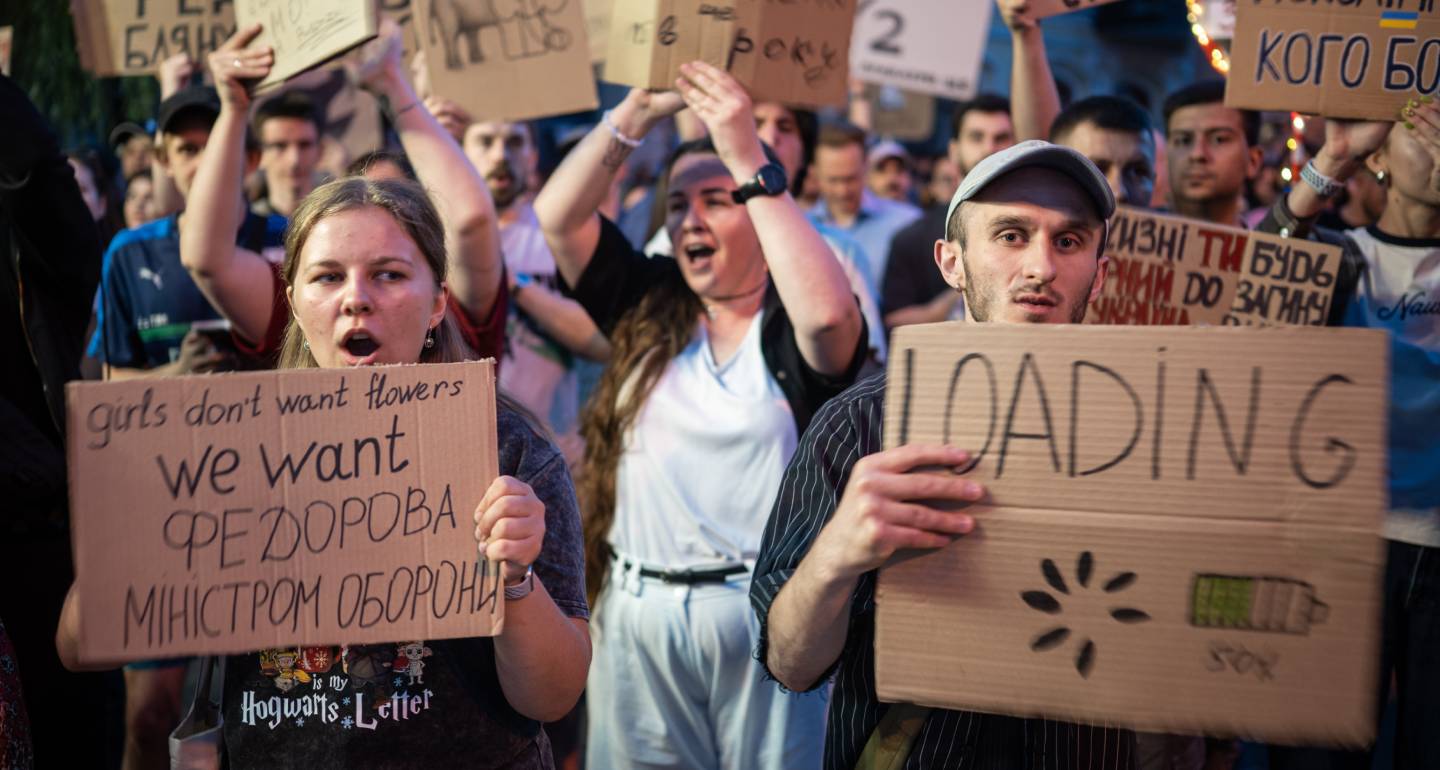
With his public call for new elections in Ukraine, ex-defense minister Mykhailo Fedorov has opened Pandora’s box.

Konstantin Skorkin

In the discussions made possible by the State Duma election campaign, one question is being asked more and more loudly. “What next?”

Andrey Pertsev

When faced with fuel shortages in the past, Central Asian governments could always count on additional supplies from Moscow. That safety net no longer exists.

Galiya Ibragimova