

Commentary
Ongoing uncertainty in the Middle East allows Moscow to both increase its influence in Tehran and continue to enjoy the financial windfall of higher oil prices.
Nikita Smagin
{
  "authors": [],
  "type": "pressRelease",
  "centerAffiliationAll": "dc",
  "centers": [
    "Carnegie Endowment for International Peace"
  ],
  "collections": [
    "U.S. Nuclear Policy"
  ],
  "englishNewsletterAll": "ctw",
  "nonEnglishNewsletterAll": "",
  "primaryCenter": "Carnegie Endowment for International Peace",
  "programAffiliation": "NPP",
  "programs": [
    "Nuclear Policy"
  ],
  "projects": [],
  "regions": [
    "United States"
  ],
  "topics": [
    "Nuclear Policy"
  ]
}
REQUIRED IMAGE
The international community’s inability to respond quickly and effectively to safeguards violations is the principal weakness of the nonproliferation regime today. At the upcoming Non-Proliferation Treaty Review Conference in May 2010, member states should address this problem by recognizing that safeguards non-compliance constitutes a violation of the NPT.
WASHINGTON, Sept 10—The international community’s inability to respond quickly and effectively to safeguards violations is the principal weakness of the nonproliferation regime today. At the upcoming Non-Proliferation Treaty Review Conference in May 2010, member states should address this problem by recognizing that safeguards non-compliance constitutes a violation of the NPT, according to a new policy outlook by James Acton.
There is currently confusion on whether safeguards non-compliance is an NPT violation. Recognizing that it is will force the Security Council to take safeguard violations more seriously, regardless of the country involved.
Treating safeguards non-compliance as an NPT violation will:
Acton concludes:
“Developing a successful strategy for responding to non-compliance will require a long-term, ongoing process. The key is to develop country-neutral rules. Non-compliance with safeguards is a real and pressing problem. It threatens the long-term sustainability of the nonproliferation regime and is, therefore, a crucial topic for the 2010 NPT Review Conference to address.”
###
NOTES
Carnegie does not take institutional positions on public policy issues; the views represented herein are those of the author(s) and do not necessarily reflect the views of Carnegie, its staff, or its trustees.
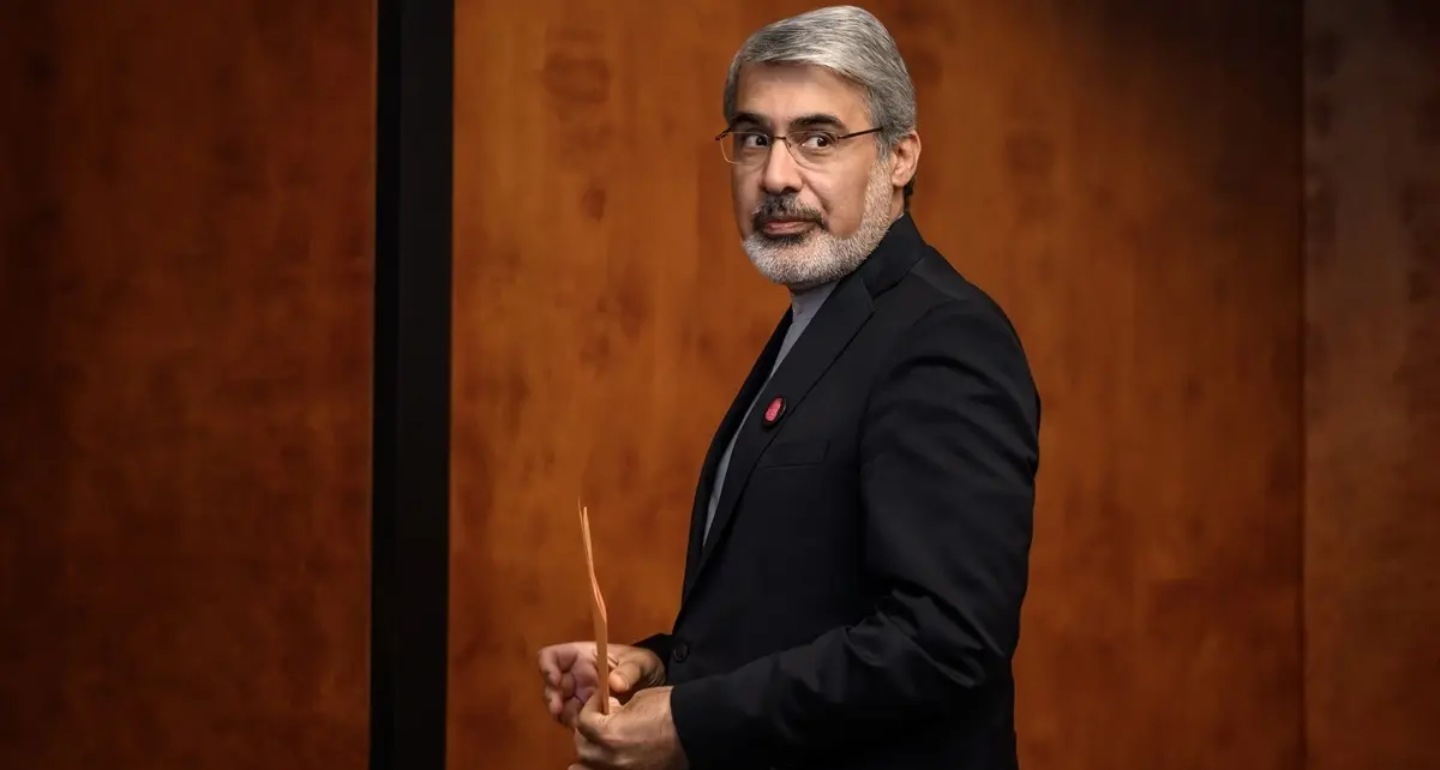
Ongoing uncertainty in the Middle East allows Moscow to both increase its influence in Tehran and continue to enjoy the financial windfall of higher oil prices.

Nikita Smagin

Governments in Estonia, Latvia, and Lithuania want to ensure that a U.S. military withdrawal would not leave them dangerously exposed to a Russian attack.

Sergejs Potapkins
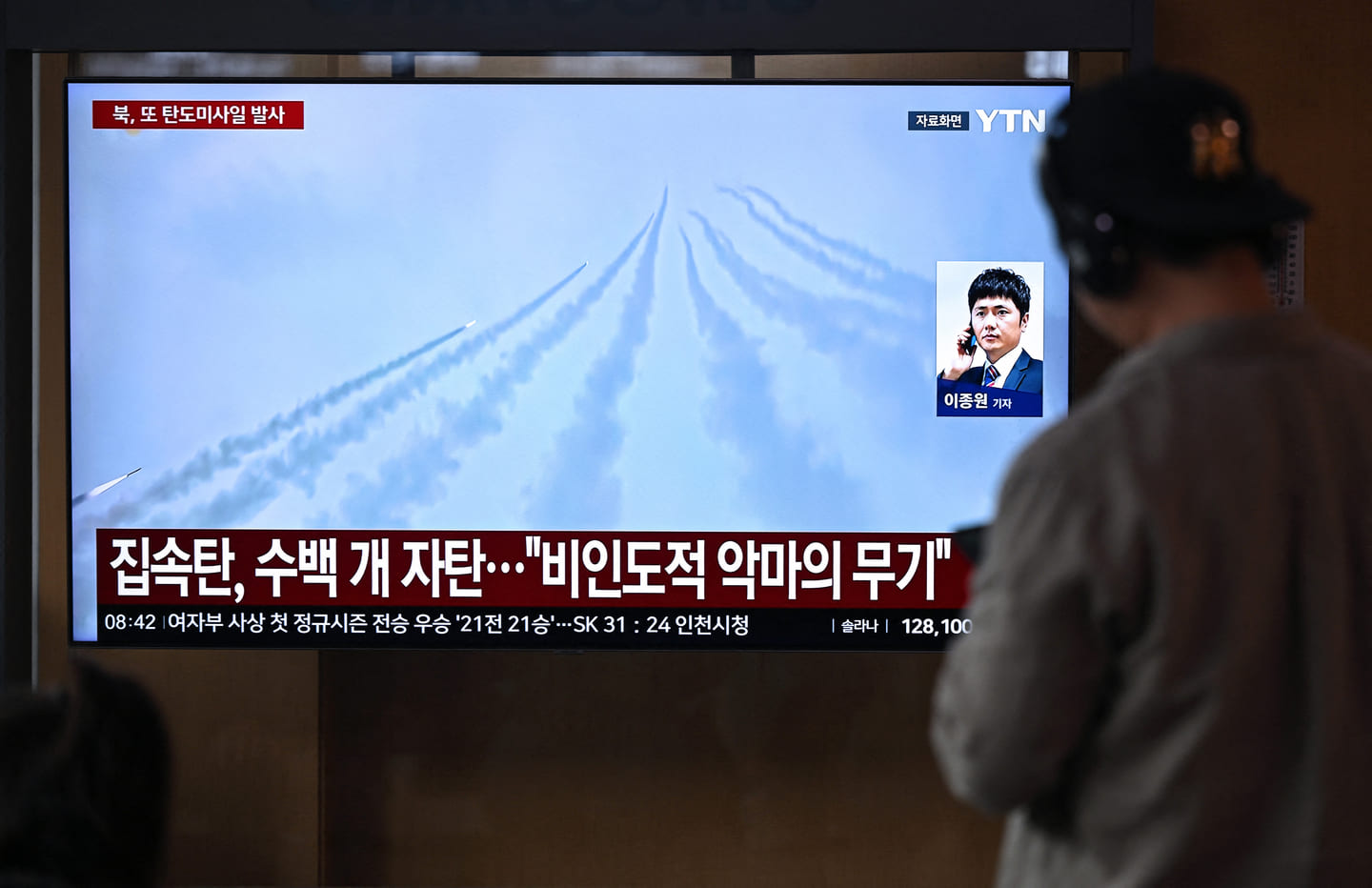
Troubled by the growing salience of nuclear debates in East Asia, Moscow has responded in its usual way: with condemnation and threats. But by exacerbating insecurity, Russia is forcing South Korea and Japan to consider radical security options.

James D.J. Brown
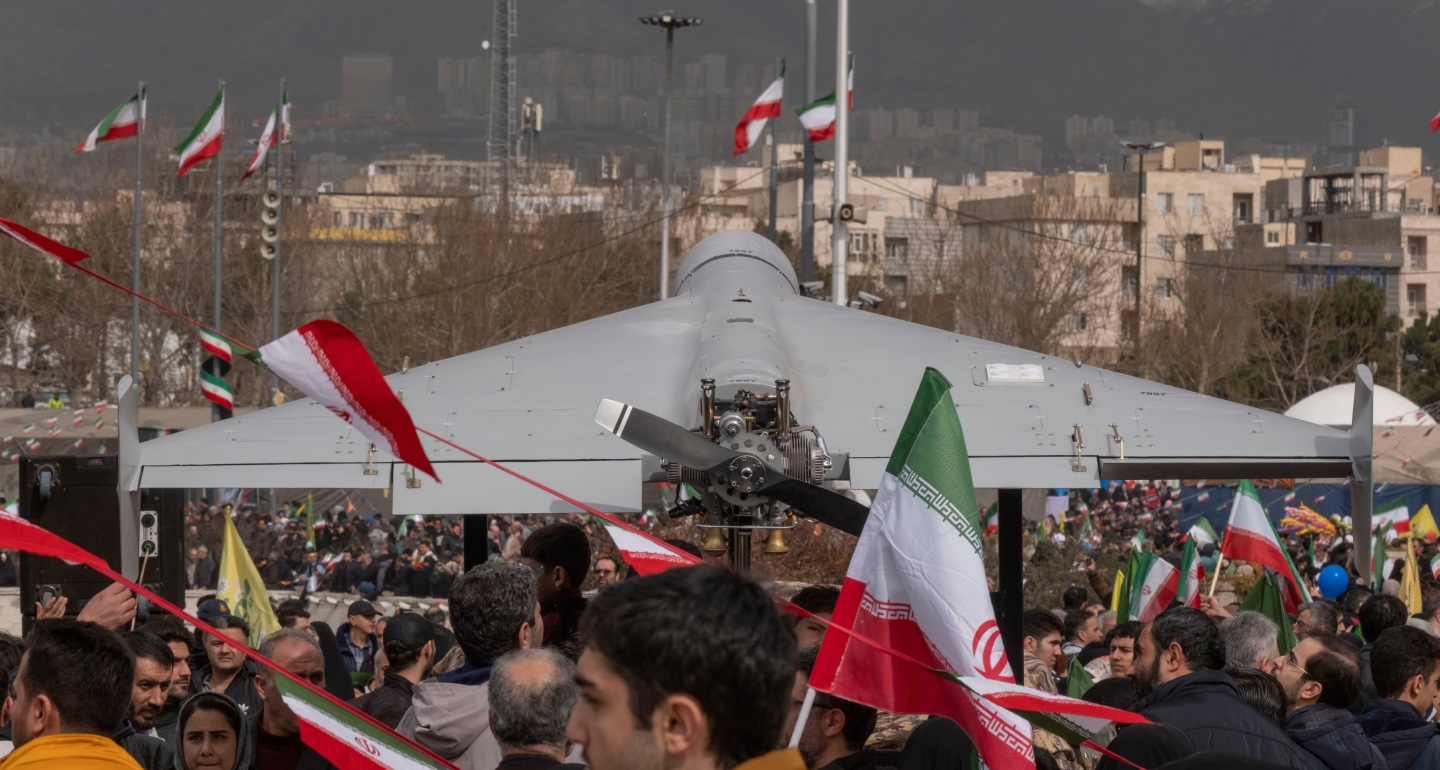
The Russian leadership wants to avoid a dangerous precedent in which it is squeezed out of Iran by the United States and Israel—and left powerless to respond in any meaningful way.
Nikita Smagin

Lukashenko is willing to make big sacrifices for an invitation to Mar-a-Lago or the White House. He also knows that the clock is ticking: he must squeeze as much out of the Trump administration as he can before congressional elections in November leave Trump hamstrung or distracted.

Artyom Shraibman