

Commentary
The Russian army is not currently struggling to recruit new contract soldiers, though the number of people willing to go to war for money is dwindling.
Dmitry Kuznets
{
  "authors": [],
  "type": "pressRelease",
  "centerAffiliationAll": "",
  "centers": [
    "Carnegie Endowment for International Peace"
  ],
  "collections": [],
  "englishNewsletterAll": "",
  "nonEnglishNewsletterAll": "",
  "primaryCenter": "Carnegie Endowment for International Peace",
  "programAffiliation": "",
  "programs": [],
  "projects": [],
  "regions": [
    "North America"
  ],
  "topics": [
    "Economy"
  ]
}
REQUIRED IMAGE
The global financial crisis disproportionately burdens migrants, but policy makers are still under pressure to enact new immigration restrictions. In the wake of the crisis, governments must resist these political pressures and instead recognize that migrants make a large economic contribution to both host and home countries.
WASHINGTON, Dec 14—The global financial crisis disproportionately burdens migrants, but policy makers are still under pressure to enact new immigration restrictions. In the wake of the crisis, governments must resist these political pressures and instead recognize that migrants make a large economic contribution to both host and home countries, contends a new policy brief by Uri Dadush and Lauren Falcao.
Key Points
Policy Recommendations
“Governments must recognize that migrants are an economic asset rather than a liability and thus shape their reaction to the global financial crisis, including migration and social policies, accordingly,” write Dadush and Falcao. “Failure to do this would result in both short- and long-term economic welfare losses and could lead to a disastrous escalation of social tensions.”
###
NOTES
Carnegie does not take institutional positions on public policy issues; the views represented herein are those of the author(s) and do not necessarily reflect the views of Carnegie, its staff, or its trustees.
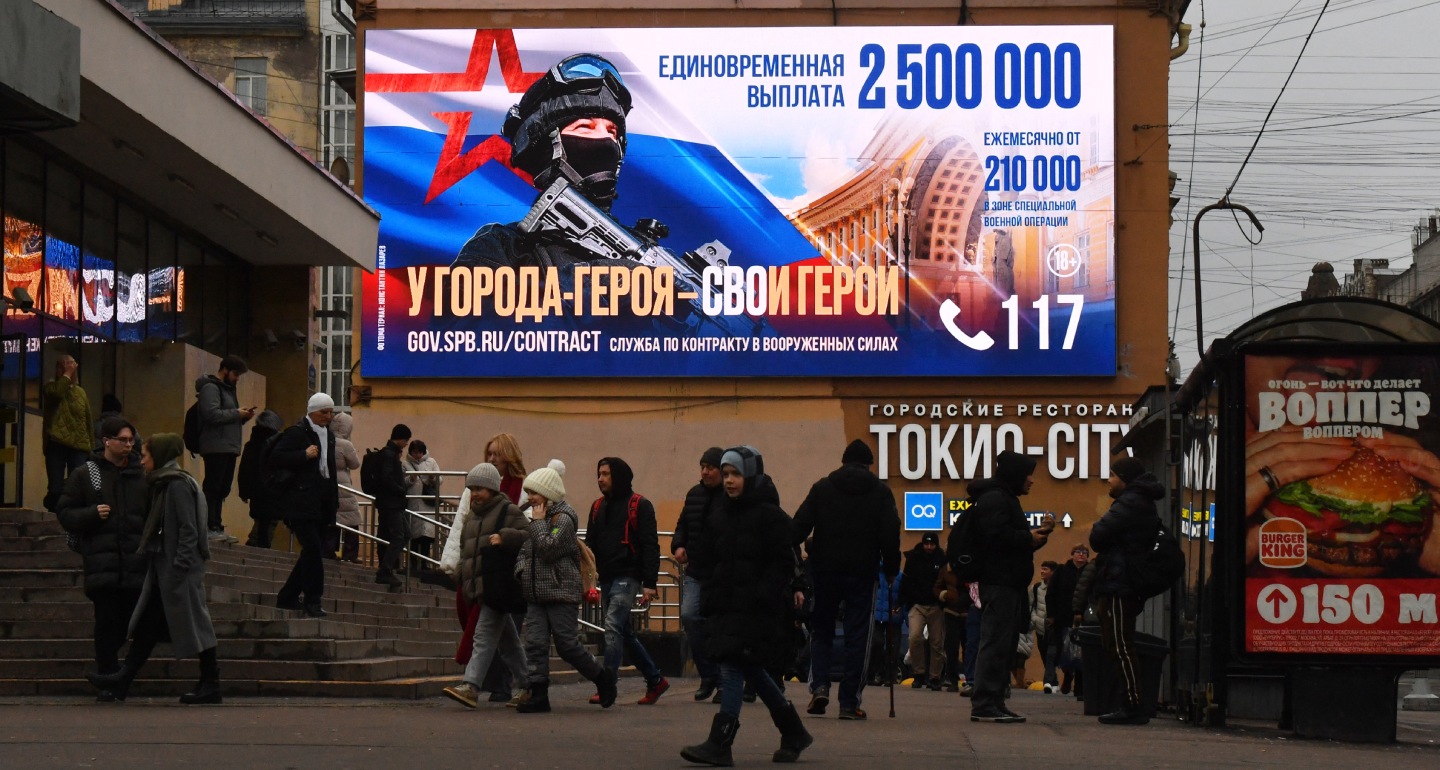
The Russian army is not currently struggling to recruit new contract soldiers, though the number of people willing to go to war for money is dwindling.

Dmitry Kuznets
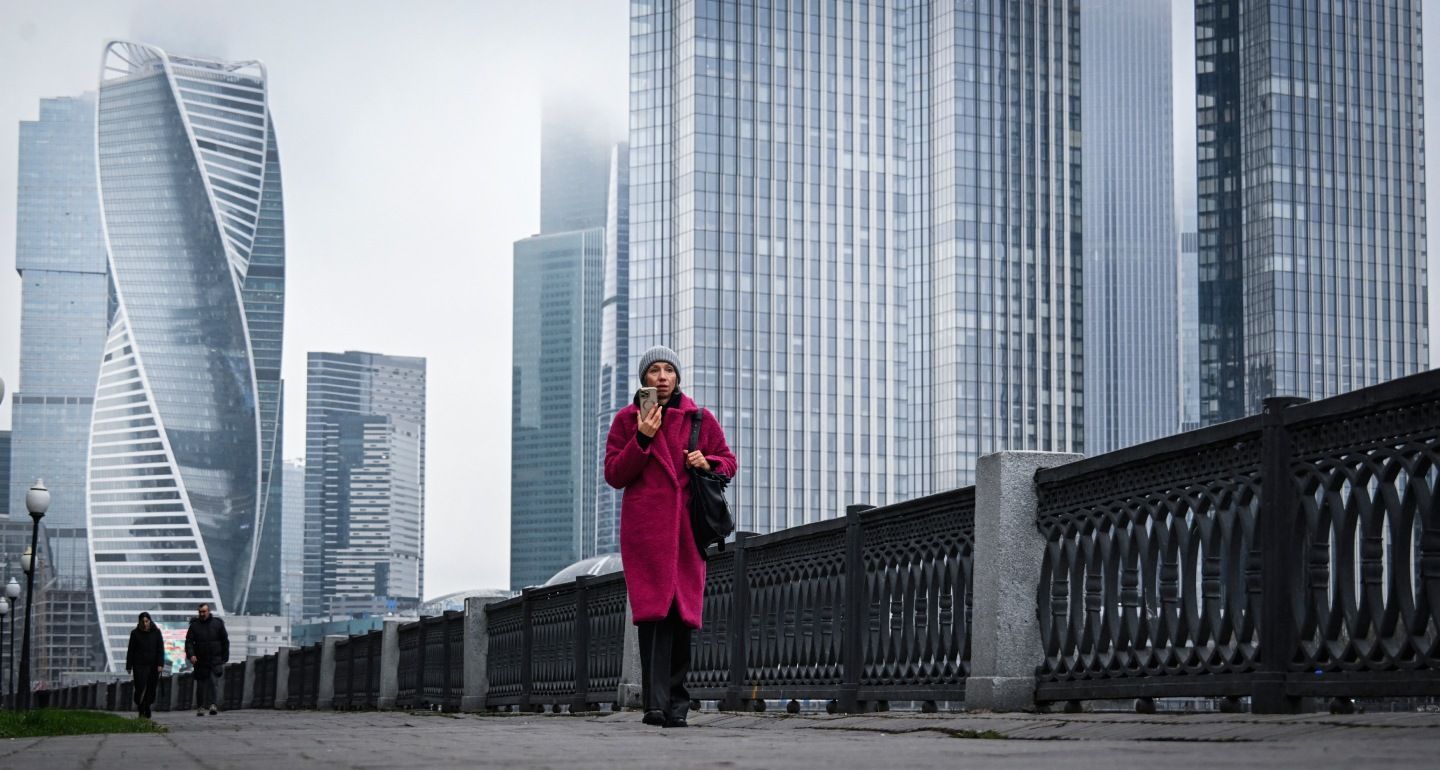
The paradox of the European Commission’s decision is that the main victims will not be those it formally targets. Major Russian businesses associated with the Putin regime have long adapted to sanctions with the help of complex schemes involving third countries, offshore companies, and nonpublic entities.
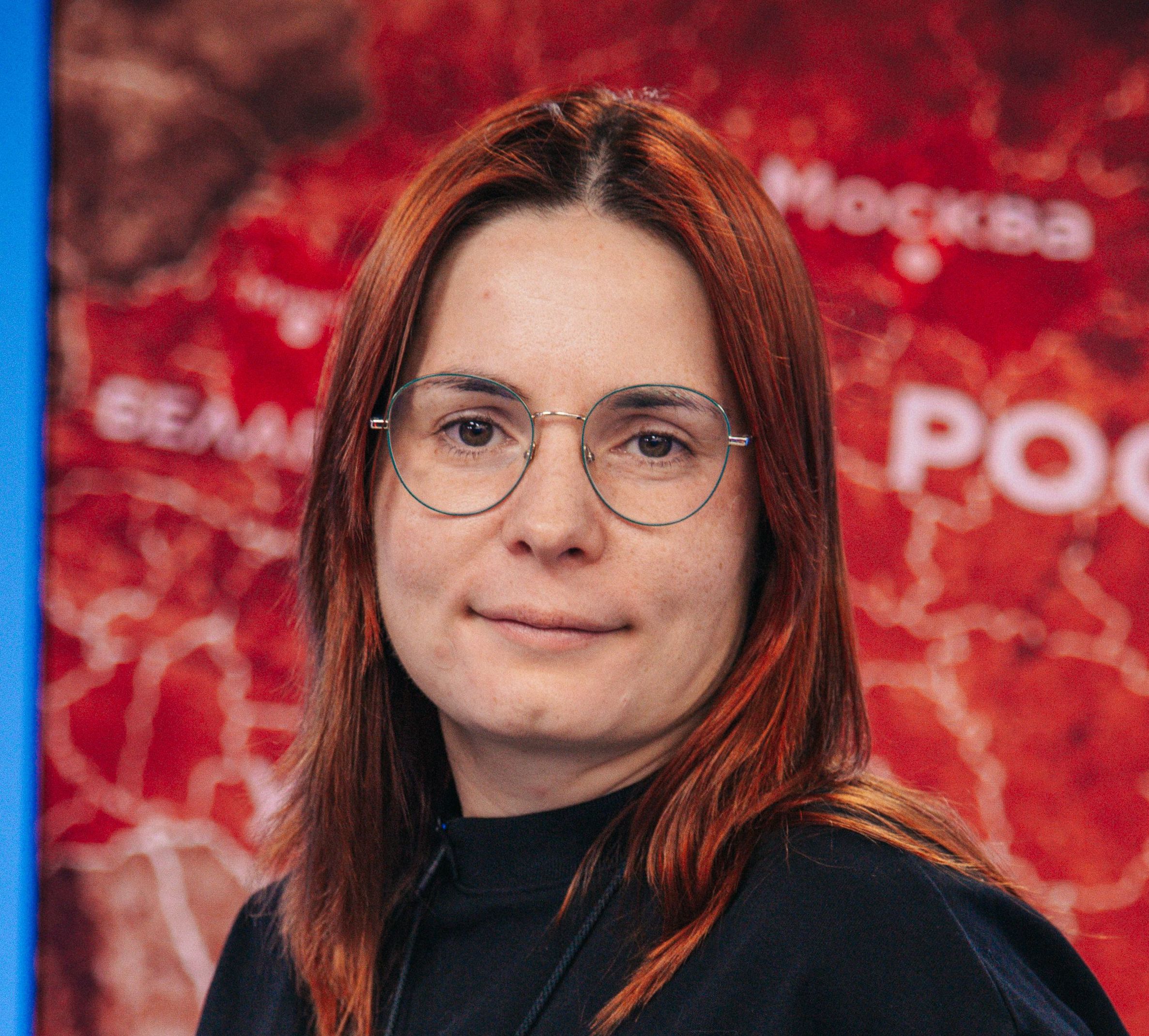
Alexandra Prokopenko
A new book by Alexandra Prokopenko looks at why the Russian ruling class became the regime’s willing servants—and how they might fare in a post-Putin world.
Vladislav Gorin
The volume of frozen private assets might seem insignificant compared with Russia’s sovereign reserves, but these are the savings of millions of people who believed that foreign securities were a safe investment and in the institution of private property.
Yulia Starostina
International compliance and anti-money laundering standards are currently formulated in such a way that the Western financial system does not differentiate between Russian political prisoners and ISIS militants.
Alexandra Prokopenko