• Research
  • Politika
  • About
Carnegie Russia Eurasia center logoCarnegie lettermark logo
  • Donate
{
  "authors": [],
  "type": "pressRelease",
  "centerAffiliationAll": "dc",
  "centers": [
    "Carnegie Endowment for International Peace"
  ],
  "collections": [],
  "englishNewsletterAll": "ctw",
  "nonEnglishNewsletterAll": "",
  "primaryCenter": "Carnegie Endowment for International Peace",
  "programAffiliation": "russia",
  "programs": [
    "Russia and Eurasia"
  ],
  "projects": [],
  "regions": [
    "United States",
    "Caucasus",
    "Russia",
    "Eastern Europe",
    "Western Europe"
  ],
  "topics": [
    "Foreign Policy"
  ]
}
REQUIRED IMAGE

REQUIRED IMAGE

Press Release

U.S., European, Russian security relationship must adapt to realities of a new century

Given the reset in U.S.–Russian relations, the time is ripe for the United States, Europe, and Russia to devise a security architecture for a new century, one capable of maintaining peace and stability on the European continent throughout the years to come.

Link Copied
Published on Mar 17, 2010

WASHINGTON, Mar 17—Twenty years after the fall of the Berlin Wall, the United States, Europe, and Russia have still yet to devise a stable, long-term security arrangement. In testimony today before the Foreign Affairs Committee of the U.S. House of Representatives, Dmitri Trenin argued that given the reset in U.S.–Russian relations, the time is ripe for these three major powers to devise a security architecture for a new century—one capable of maintaining peace and stability on the European continent throughout the years to come.

U.S. Policy Recommendations:

  • Sign and ratify the START follow-on treaty: The Obama administration has so far exercised care, tact, and patience in its dealings with Russia, which has done much to allay longstanding Russian fears. The United States should build on this promising foundation by signing and eventually ratifying a new START treaty. While not a cure-all for the U.S.-Russia relationship, such an agreement would represent an enormous step in the right direction.
  • Contemplate a joint U.S.–Russian–European missile defense system: By itself, no amount of strategic arms reduction is capable of altering the nature of the U.S.–Russian relationship. A possible game-changer, though, would be cooperation on missile defense. The United States should therefore seriously consider developing a joint U.S.–Russian–European missile defense system. Were such a system to be realized, it would tightly bind the United States, Russia, and Europe together and dramatically improve security cooperation.
  • Welcome and encourage Moscow’s moves to re-engage with its neighbors: In order to have better relations with the European Union as a whole, Moscow must first reassure the countries of Central and Eastern Europe about its intentions. Toward that end, Russia would do well to develop a habit of regular consultations with the Poles, just as they have already done with the Germans and the French. As an additional confidence-building measure, Russia should abstain from deploying additional armaments or engaging in military exercises near its borders with Poland, Belarus, and the Baltic states.

Trenin concludes, “The time to act is now, while U.S.–Russian relations are on the mend. As we know from experience, windows of opportunity do not remain open forever.”

###


NOTES

  • Click here to read the full testimony online
  • Trenin’s testimony coincides with work already underway at the Euro-Atlantic Security Initiative (EASI), a high-level international commission recently launched by the Carnegie Endowment, to spell out what exactly a new transatlantic security arrangement ought to look like.
  • The Carnegie Moscow Center was established in 1993 and accommodates foreign and Russian researchers collaborating with Carnegie’s global network of scholars on a broad range of contemporary policy issues relevant to Russia—military, political, and economic.
  • The Carnegie Russia and Eurasia Program has, since the end of the Cold War, led the field on Eurasian security, including strategic nuclear weapons and nonproliferation, development, economic and social issues, governance, and the rule of law.
  • Press Contact: David Kampf, 202/939-2233, dkampf@ceip.org
Foreign PolicyUnited StatesCaucasusRussiaEastern EuropeWestern Europe

Carnegie does not take institutional positions on public policy issues; the views represented herein are those of the author(s) and do not necessarily reflect the views of Carnegie, its staff, or its trustees.
More Work from Carnegie Russia Eurasia Center

  • Commentary
    Carnegie Politika
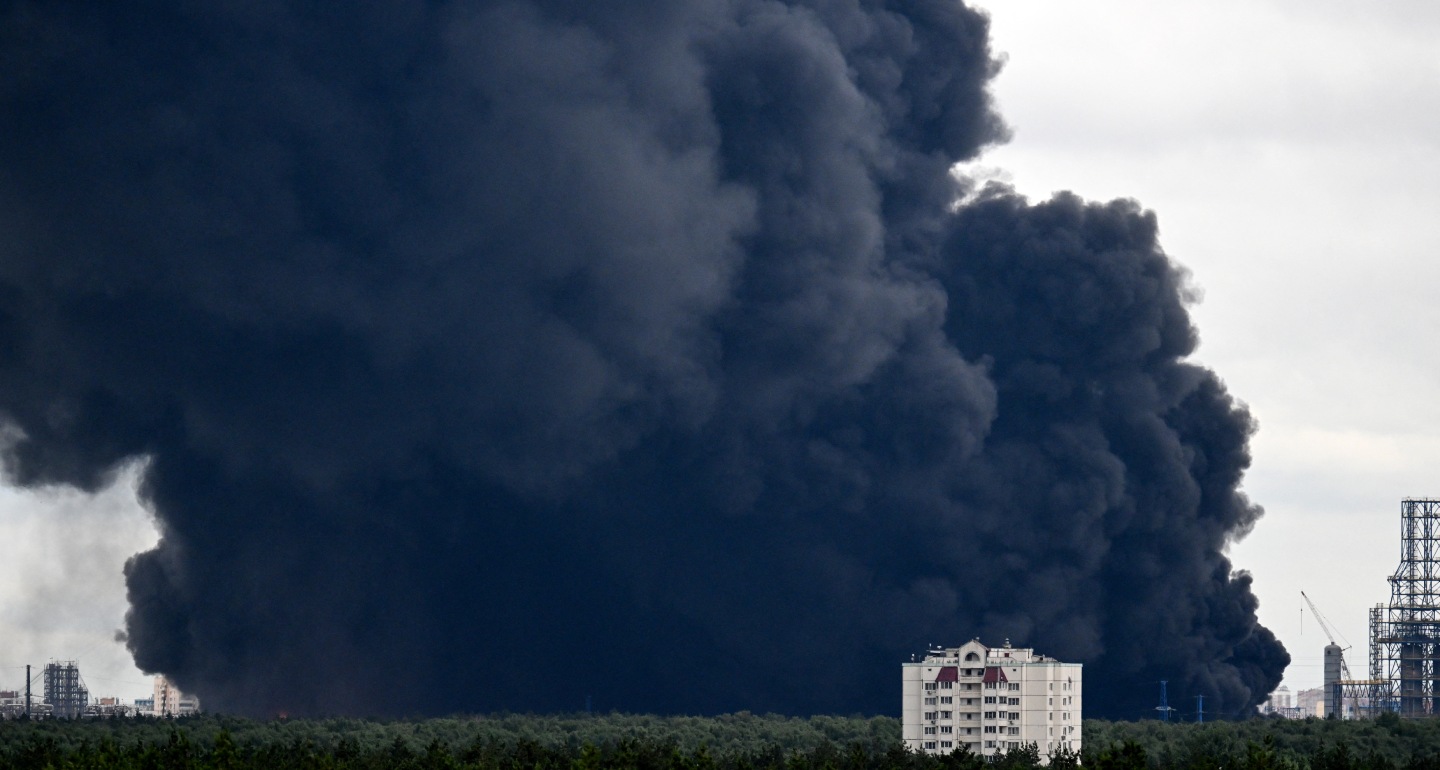
    Russian Oil Sector Battered but Not Broken by Ukrainian Air Attacks

    If it proves impossible for the Russian authorities to avoid a gasoline deficit, the question then becomes how they will organize the distribution of a scarce resource.

      • Sergey Vakulenko

      Sergey Vakulenko

  • Commentary
    Carnegie Politika
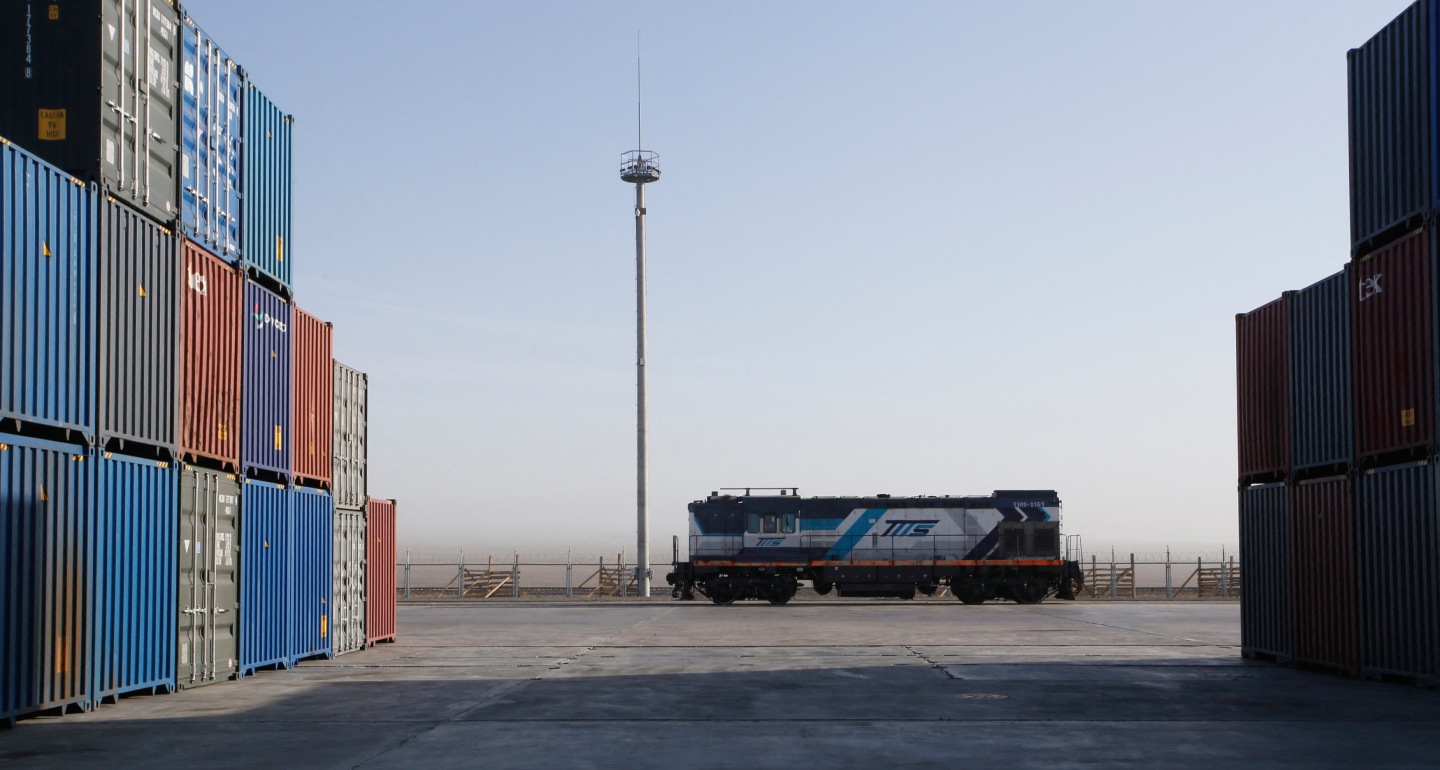
    Multiple Wars Are Ruining Central Asia’s Efforts to Diversify Its Trade Routes

    This year’s wars have made alternative routes to transit through Russia no less risky for Central Asian countries.

      Galiya Ibragimova
  • Commentary
    Carnegie Politika
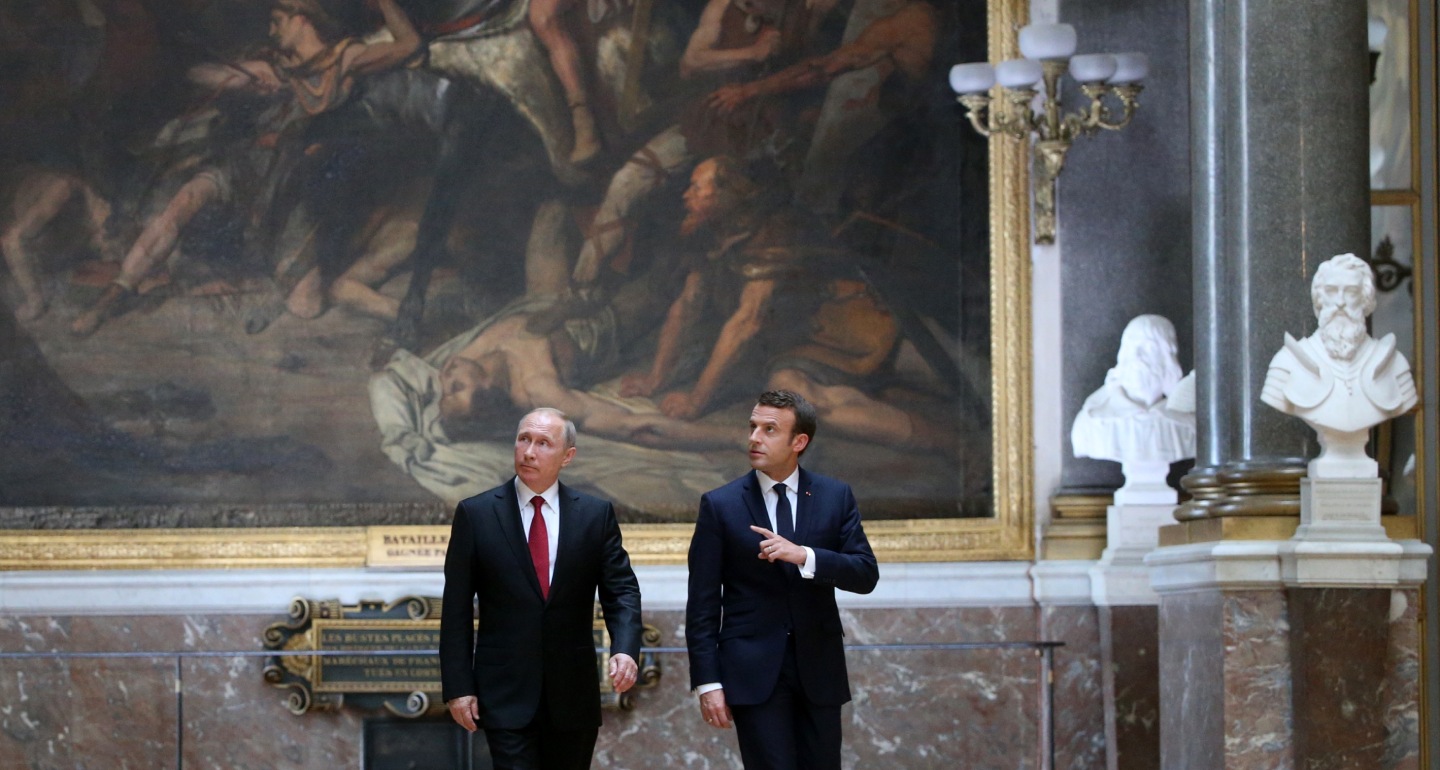
    How to Ensure That Europe-Russia Talks Do Not Fail

    Reestablishing a dialogue with Moscow is not a goal in its own right. The goal is to guarantee the independence of Ukraine and the peace and security of Europe.

      Arkady Moshes
  • Paper
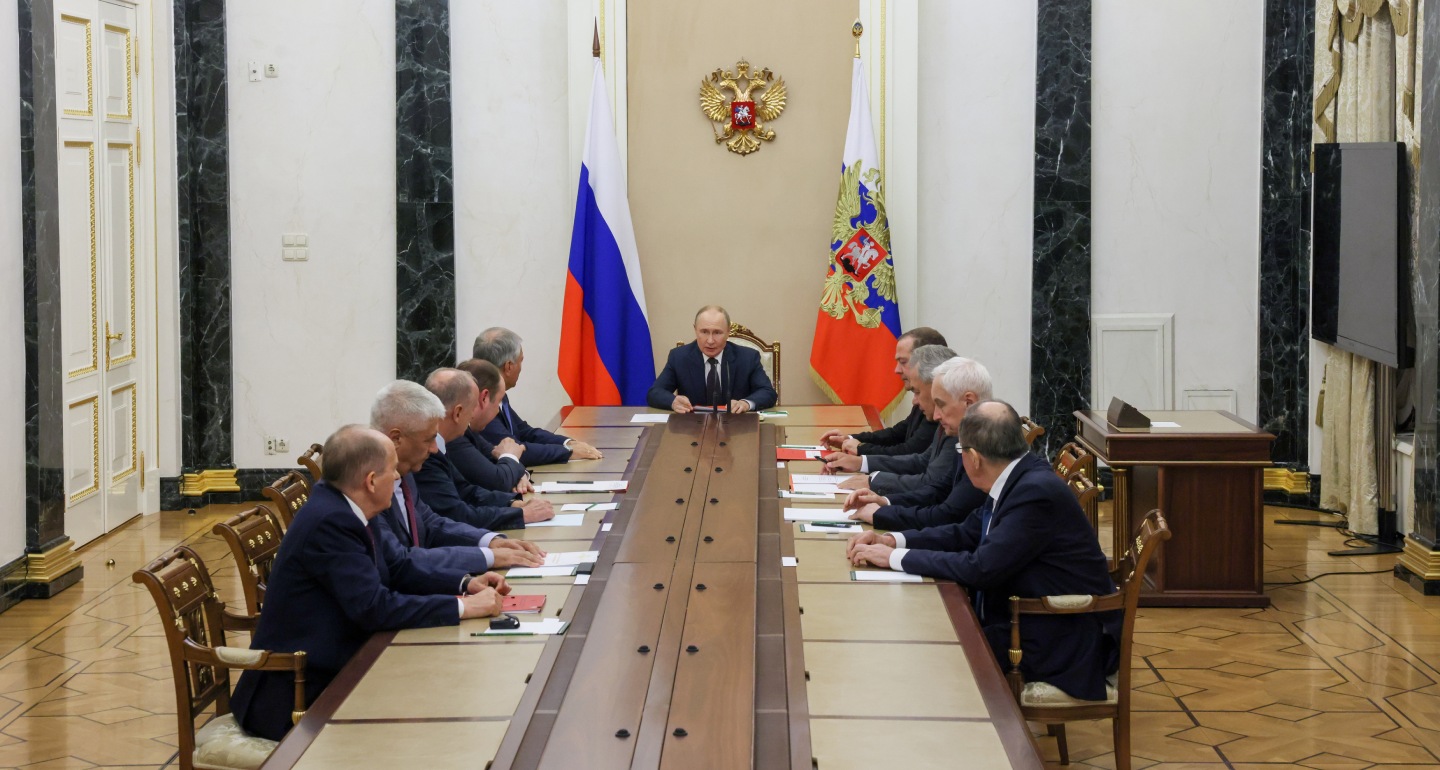
    Loyal but Powerless: The Downgrading of Russia’s Elite

    The ruling elites in contemporary Russia are not a political class, but a community of managers who are not subject to competition or public accountability. The state is becoming an operating apparatus without any internal autonomy.

      Alexandra Prokopenko

  • Commentary
    Carnegie Politika
    What Does Pashinyan’s Parliamentary Victory Mean for Armenia’s Future?

    Pashinyan’s pro-European party has been re-elected with a decisive victory. But the pro-Russian opposition could still slow Armenia’s progress toward peace with Azerbaijan and rapprochement with Europe.

      Mikayel Zolyan

Get more news and analysis from
Carnegie Russia Eurasia Center
Carnegie Russia Eurasia logo, white
  • Research
  • Politika
  • About
  • Experts
  • Events
  • Contact
  • Privacy
  • For Media
Get more news and analysis from
Carnegie Russia Eurasia Center
© 2026 Carnegie Endowment for International Peace. All rights reserved.