

Commentary
Uri Dadush
{
  "authors": [
    "Uri Dadush"
  ],
  "type": "legacyinthemedia",
  "centerAffiliationAll": "",
  "centers": [
    "Carnegie Endowment for International Peace"
  ],
  "collections": [],
  "englishNewsletterAll": "",
  "nonEnglishNewsletterAll": "",
  "primaryCenter": "Carnegie Endowment for International Peace",
  "programAffiliation": "",
  "programs": [],
  "projects": [],
  "regions": [
    "Western Europe",
    "United Kingdom",
    "France",
    "Germany",
    "North America"
  ],
  "topics": [
    "Economy"
  ]
}
Source: Getty
While the recently announced Eurozone support package suggests the possibility of a new era of fiscal coordination across Europe, it will only succeed if the countries in need of aid undertake far-reaching policy changes.
Source: Bloomberg

However, Dadush added, the package has not completely calmed markets, which fear that “these are unsound governments trying to support unsound governments.” In the end, the package will only work if Spain, Portugal, Italy, and Ireland—as well as Greece—undertake very far-reaching changes.

Former Senior Associate, International Economics Program
Dadush was a senior associate at the Carnegie Endowment for International Peace. He focuses on trends in the global economy and is currently tracking developments in the eurozone crisis.
Recent Work
Uri Dadush
Uri Dadush
Carnegie does not take institutional positions on public policy issues; the views represented herein are those of the author(s) and do not necessarily reflect the views of Carnegie, its staff, or its trustees.
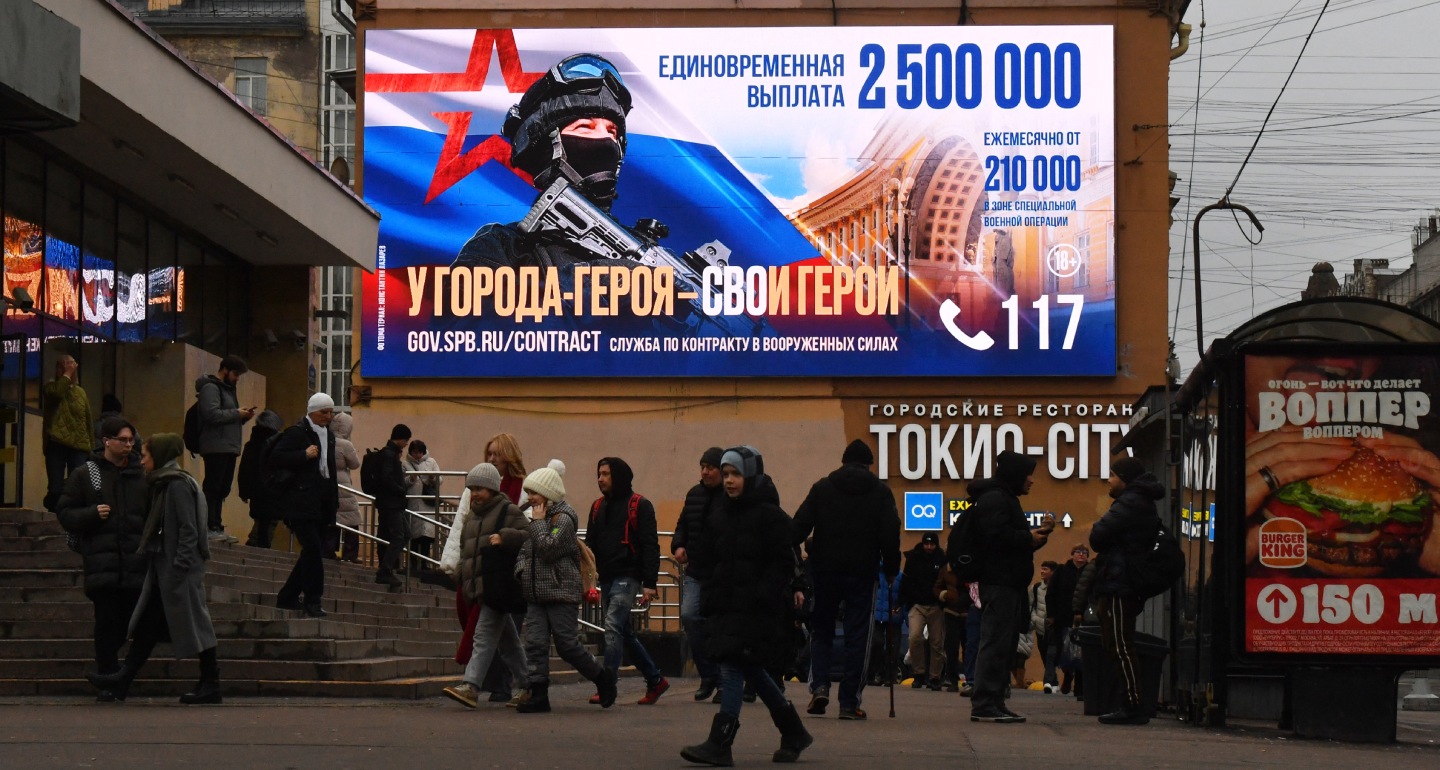
The Russian army is not currently struggling to recruit new contract soldiers, though the number of people willing to go to war for money is dwindling.

Dmitry Kuznets
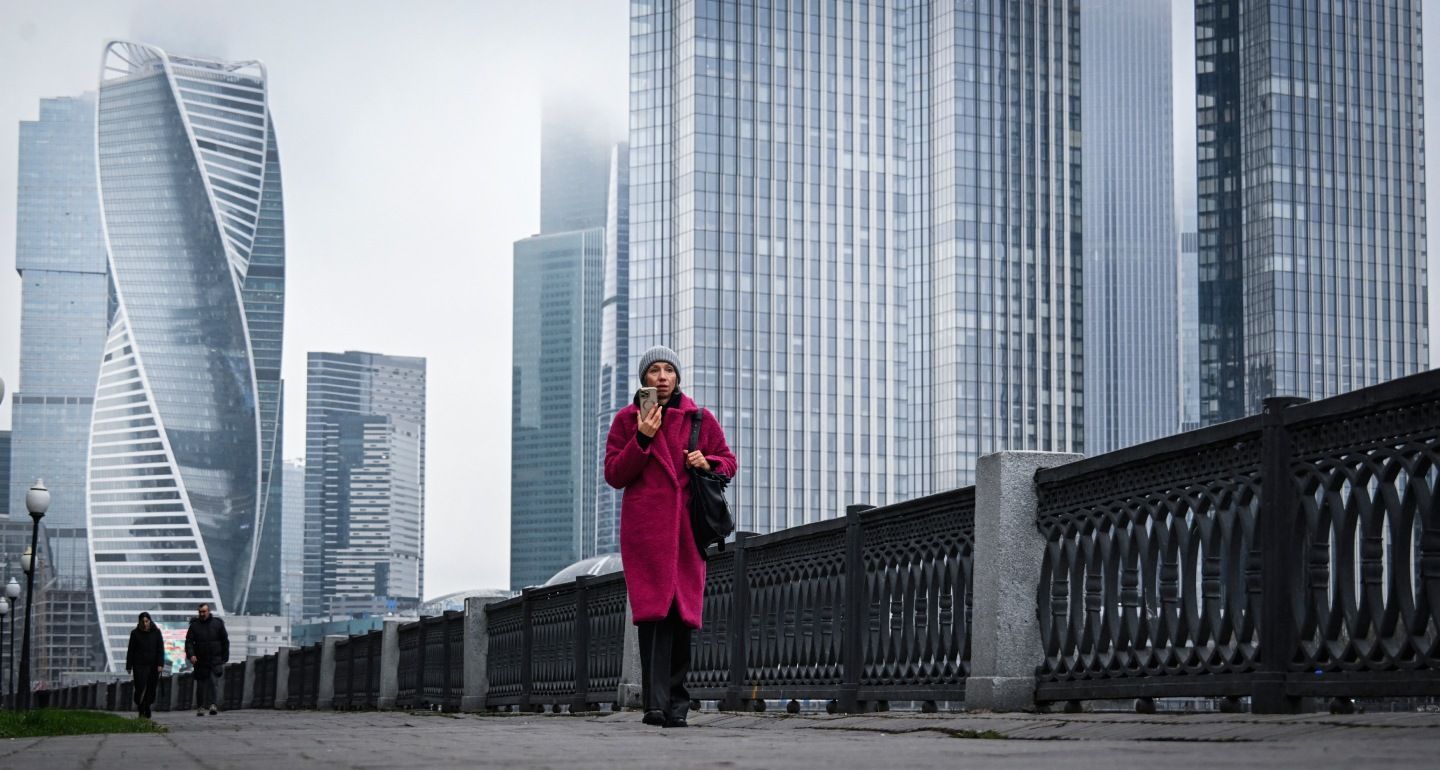
The paradox of the European Commission’s decision is that the main victims will not be those it formally targets. Major Russian businesses associated with the Putin regime have long adapted to sanctions with the help of complex schemes involving third countries, offshore companies, and nonpublic entities.
Alexandra Prokopenko
A new book by Alexandra Prokopenko looks at why the Russian ruling class became the regime’s willing servants—and how they might fare in a post-Putin world.
Vladislav Gorin

The volume of frozen private assets might seem insignificant compared with Russia’s sovereign reserves, but these are the savings of millions of people who believed that foreign securities were a safe investment and in the institution of private property.
Yulia Starostina
International compliance and anti-money laundering standards are currently formulated in such a way that the Western financial system does not differentiate between Russian political prisoners and ISIS militants.
Alexandra Prokopenko