

Paper
Matthew Rojansky
{
  "authors": [
    "Matthew Rojansky"
  ],
  "type": "testimony",
  "centerAffiliationAll": "dc",
  "centers": [
    "Carnegie Endowment for International Peace",
    "Carnegie Russia Eurasia Center"
  ],
  "collections": [],
  "englishNewsletterAll": "ctw",
  "nonEnglishNewsletterAll": "",
  "primaryCenter": "Carnegie Endowment for International Peace",
  "programAffiliation": "russia",
  "programs": [
    "Russia and Eurasia"
  ],
  "projects": [],
  "regions": [
    "Eastern Europe",
    "Belarus"
  ],
  "topics": [
    "Political Reform",
    "Democracy"
  ]
}
Source: Getty
Following December’s presidential election in Belarus, which European observers said failed to meet international standards, Alexander Lukashenka claimed an implausible landslide victory and launched a wave of political repression.
Source: April 1

Rojansky argues that rather than directly seeking Lukashenka’s overthrow, “the goal must be to develop the skills and capacity among Belarusians to take responsibility for their own political future.”
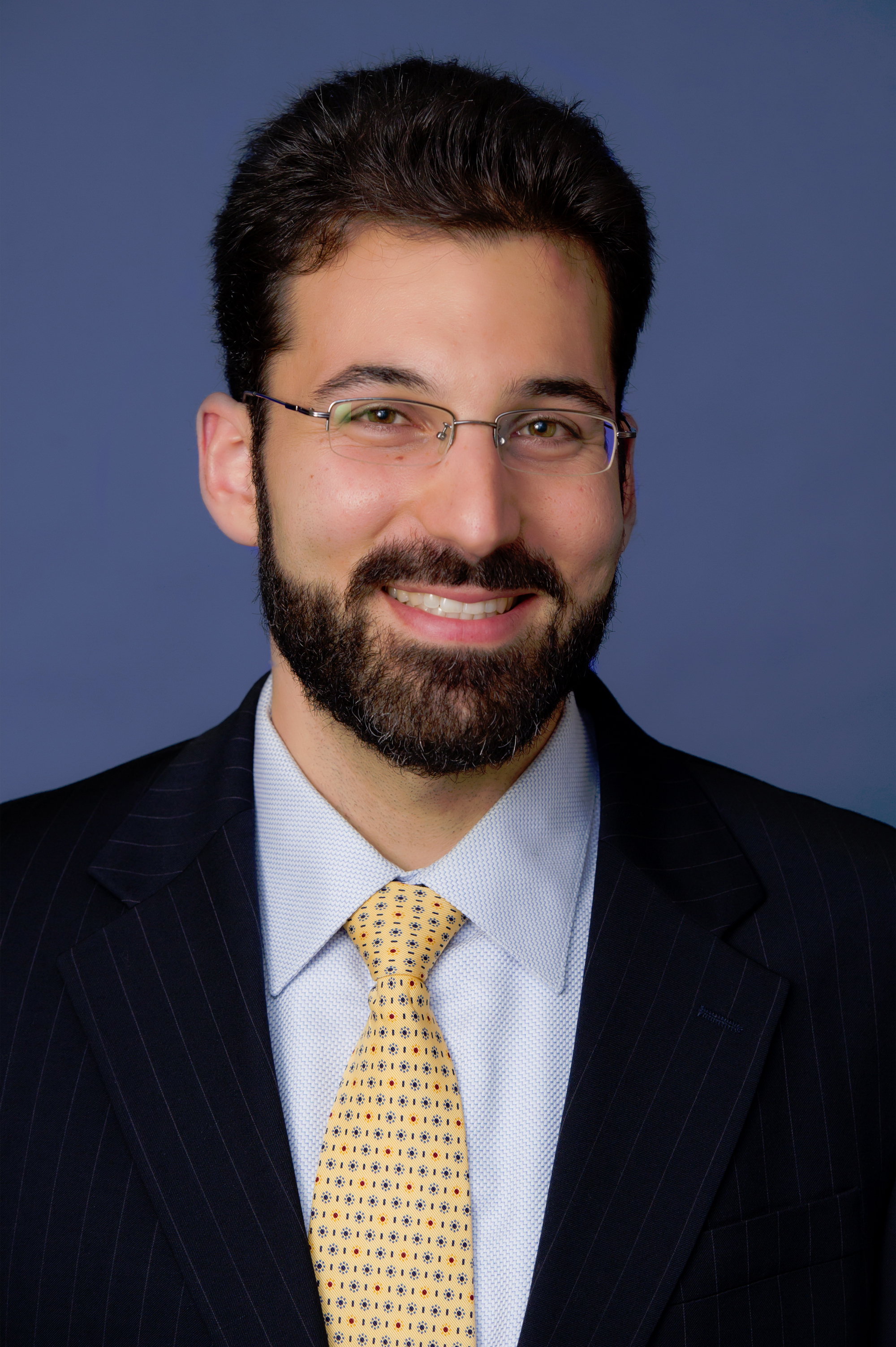
Former Deputy Director, Russia and Eurasia Program
Rojansky, formerly executive director of the Partnership for a Secure America, is an expert on U.S. and Russian national security and nuclear-weapon policies.
Recent Work
Matthew Rojansky
Matthew Rojansky
Carnegie does not take institutional positions on public policy issues; the views represented herein are those of the author(s) and do not necessarily reflect the views of Carnegie, its staff, or its trustees.

If the Russian-speaking community in Latvia cannot articulate their interests without being seen as disloyal, they could end up embracing a pro-Kremlin agenda.

Sergejs Potapkins

Russia’s ruling party would have benefited from Putin appearing as its distant patron, but as an active frontman imposing his views on the public, he has done nothing but harm both the party’s election campaign and the ruling system overall.

Andrey Pertsev

In the tenth year of his presidency, President Mirziyoyev’s system is becoming even more personalized than that of his predecessor Karimov.

Galiya Ibragimova

The greater threat to Zelensky comes not from Fedorov alone, but from the convergence between the former defense minister’s political campaign and the anti-corruption investigations moving ever closer to the presidential administration.

Balázs Jarábik

With his public call for new elections in Ukraine, ex-defense minister Mykhailo Fedorov has opened Pandora’s box.

Konstantin Skorkin