

Commentary
Dmitri Trenin
{
  "authors": [
    "Dmitri Trenin"
  ],
  "type": "legacyinthemedia",
  "centerAffiliationAll": "dc",
  "centers": [
    "Carnegie Endowment for International Peace",
    "Malcolm H. Kerr Carnegie Middle East Center",
    "Carnegie Russia Eurasia Center"
  ],
  "collections": [],
  "englishNewsletterAll": "menaTransitions",
  "nonEnglishNewsletterAll": "",
  "primaryCenter": "Carnegie Russia Eurasia Center",
  "programAffiliation": "MEP",
  "programs": [
    "Middle East"
  ],
  "projects": [
    "Eurasia in Transition"
  ],
  "regions": [
    "Maghreb",
    "North Africa",
    "Libya",
    "Caucasus",
    "Russia"
  ],
  "topics": [
    "Foreign Policy"
  ]
}
Source: Getty
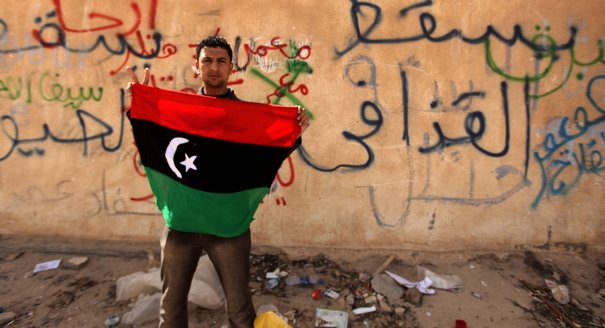
Russia’s choice to abstain on the UN Security Council resolution on Libya demonstrates that Moscow’s new foreign policy is shaped by its vital interests and its desire to maintain good relations with both the EU and the United States.
Source: The Moscow Times

This change is another step away from the Kremlin’s inflated self-image as a guardian of the global order — a role that hasn’t fit Russia ever since the Soviet collapse in 1991. Although Moscow couldn’t prevent NATO’s air war against Serbia or the U.S. invasion of Iraq, its UN veto sent a clear message to the West that it opposed unsanctioned military aggression against sovereign states. As a result, in 1999 and 2003 Russia’s relations with NATO and the United States were at record low points.
The image of NATO coalition forces waging their first-ever war in Europe or of former President George W. Bush sending thousands of U.S. troops into Iraq was terrifying and outrageous for most Russians. But not so with Libya. Leader Moammar Gadhafi may have been useful to Moscow in the past, but he was also notoriously mercurial. Moscow did not have much to lose in Libya except for a couple billion dollars’ worth of potential arms contracts that would clearly have been annulled anyway once the Gadhafi regime was replaced.
Even more important, Moscow sees U.S. President Barack Obama differently from both Bush and former U.S. President Bill Clinton. Obama is someone the Kremlin can do business with. He is neither patronizing nor irritating. He doesn’t try to remake Russia in the West’s own image or to encircle it with pro-U.S. client states. Obama’s foreign policy focus is on the issues where there is a sufficient degree of overlap between Russian and U.S. interests — for example, Afghanistan.
For the first time since the early 1990s, Russia has something resembling a positive foreign policy agenda. This is largely driven by a compelling domestic need to develop technological modernization. For that effort to succeed, Moscow needs good relations with both the European Union and the United States. Russia’s leaders are in no mood to pick battles with those whom they are seeking to engage.
To be sure, this West-friendly course will not run unopposed. Russia’s anti-Americanism has its roots in the Cold War and even more so in the immediate post-Cold War period. In particular, there is a history of strong opposition to U.S.-led military actions, from Kosovo to Iraq. To the born-again cold warriors, President Dmitry Medvedev is far too accommodating to the West, and this was made clear long before Libya. There may be some opposition or at least disagreement with the Kremlin’s course, as the recent abrupt sacking of Russia’s ambassador to Libya seemingly suggests.
Yet, this course will likely continue. Russia is still wedded to realpolitik as its guide in foreign policy, but this is now becoming post-imperial. Moscow will still be able to speak its mind and say openly what it does not like. It will surely oppose military intervention on humanitarian grounds, but it will not stand in the West’s way. Put plainly, Moscow will mind its own business.
This is a clear departure from the stance Moscow took in 2008 on the sanctions against Zimbabwe, which the Kremlin effectively blocked. By contrast, where Russia has a more direct interest — for example, in Belarus — the Kremlin would reasonably expect its partners to tacitly recognize its interests and defer to Moscow.
What will happen next in Libya is difficult to predict. Wars can be tricky business. Even if the war ends quickly in Libya, it will be difficult to establish peace in the country.
It is well understood that the Libyan intervention is largely accidental, undertaken as much for humanitarian reasons as for domestic political exigencies of the intervening powers. It is also clear that Obama was highly reluctant to approve the use of force, but the alternative — high carnage at Benghazi while the United States sat idly and helplessly — would have been even worse, especially since Obama is only 20 months away from elections.
The Libya war, by itself, is unlikely to spoil U.S.-Russian relations. The stakes in Libya are minimal, while the stakes elsewhere in the relationship are high.
The critical question, however, is whether the United States will decide it has to intervene in Iran as well to help the Iranian people topple the country’s tyrannical theocracy. Seen from Moscow, Iran is certainly closer to home than Libya.
But if Washington and Moscow focus on their new post-reset agenda, which offers opportunities for developing a joint missile defense system in Europe and Russia’s entry into the World Trade Organization, the basis for the relationship may expand and solidify.
Former Director, Carnegie Moscow Center
Trenin was director of the Carnegie Moscow Center from 2008 to early 2022.
Recent Work
Dmitri Trenin
Dmitri Trenin
Carnegie does not take institutional positions on public policy issues; the views represented herein are those of the author(s) and do not necessarily reflect the views of Carnegie, its staff, or its trustees.
The current U.S. indifference to human rights means Astana no longer has any incentive to refuse extradition requests from its authoritarian neighbors—including Russia.

Temur Umarov
Most of Moscow’s military resources are tied up in Ukraine, while Beijing’s foreign policy prioritizes economic ties and avoids direct conflict.

Alexander Gabuev, Temur Umarov
With the White House only interested in economic dealmaking, Georgia finds itself eclipsed by what Armenia and Azerbaijan can offer.

Bashir Kitachaev
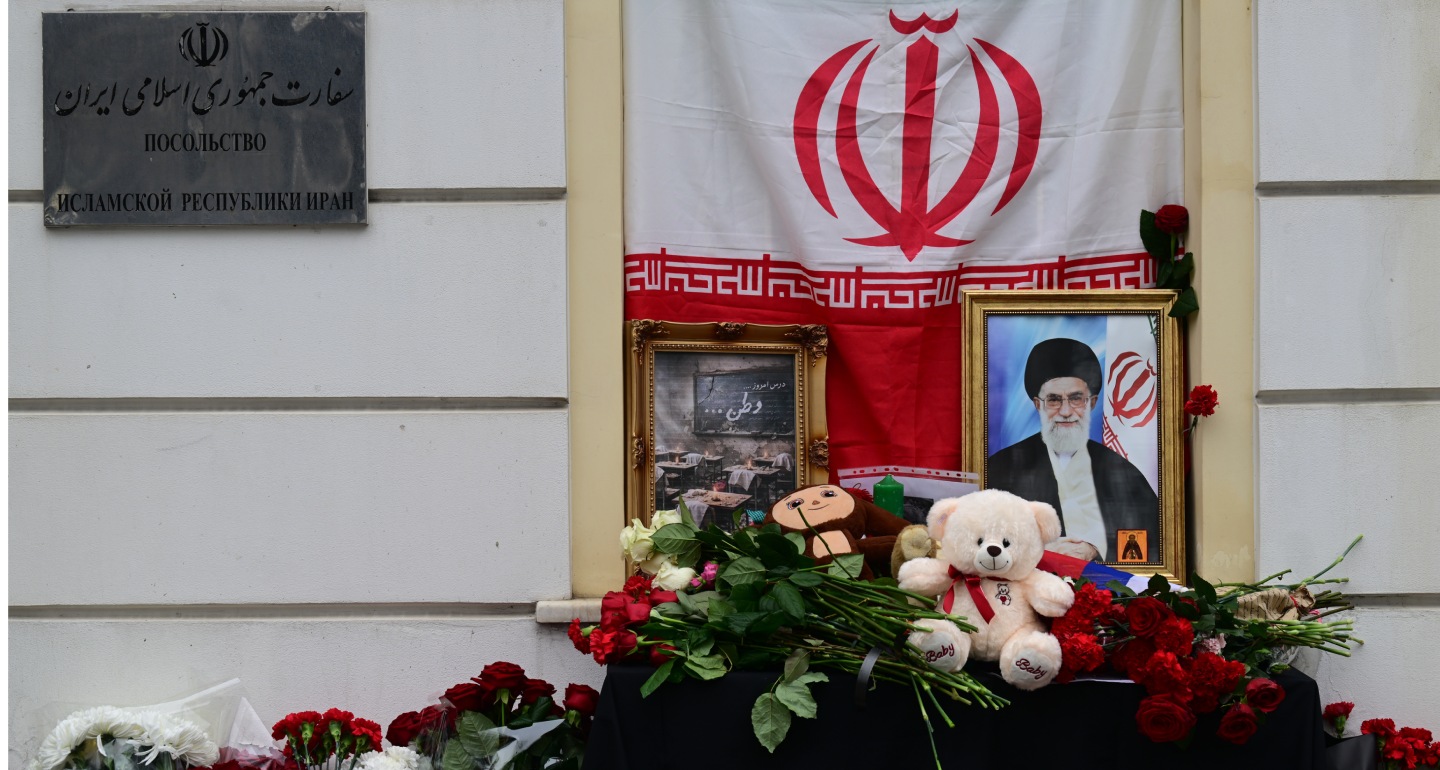
If the regime in Tehran survives, it could be obliged to hand Moscow significant political influence in exchange for supplies of weapons and humanitarian aid.

Nikita Smagin
The interventions in Iran and Venezuela are in keeping with Trump’s strategy of containing China, but also strengthen Russia’s position.

Mikhail Korostikov