

Commentary
Uri Dadush
{
  "authors": [
    "Uri Dadush"
  ],
  "type": "legacyinthemedia",
  "centerAffiliationAll": "",
  "centers": [
    "Carnegie Endowment for International Peace"
  ],
  "collections": [],
  "englishNewsletterAll": "",
  "nonEnglishNewsletterAll": "",
  "primaryCenter": "Carnegie Endowment for International Peace",
  "programAffiliation": "",
  "programs": [],
  "projects": [],
  "regions": [
    "Western Europe",
    "Germany",
    "North America"
  ],
  "topics": [
    "Economy"
  ]
}
Source: Getty
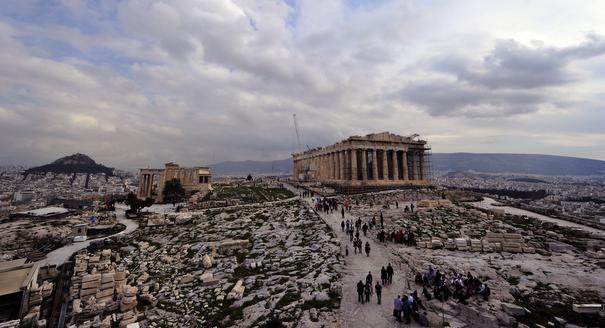
As concerns rise over a potential exit by Greece and a possible bailout for Spain, the eurozone remains in a very difficult predicament, with few good options for moving forward.
Source: BBC World News

Speaking on BBC News, Carnegie's Uri Dadush noted both the importance of the eurozone to the global economy and the acute position its member countries find themselves in, as the euro debt crisis wears on. The eurozone is the largest trading bloc in the world—larger, as a single entity, than the United States. It could potentially withstand the departure of smaller economies, including Ireland, Portugal, and Greece (which financial markets have, to a large extent, written off already). But it would likely not remain intact if the fiscal and financial situation in Italy and Spain, among the five largest economies in the eurozone, deteriorated significantly. Dadush argued that troubled periphery countries in the eurozone have little choice but to muddle through austerity in the short and medium-term, as markets will not lend to them otherwise. The eurozone core, including Germany, and the European Central Bank, however, could do more—for example, accept somewhat higher inflation—to support the periphery’s transition.
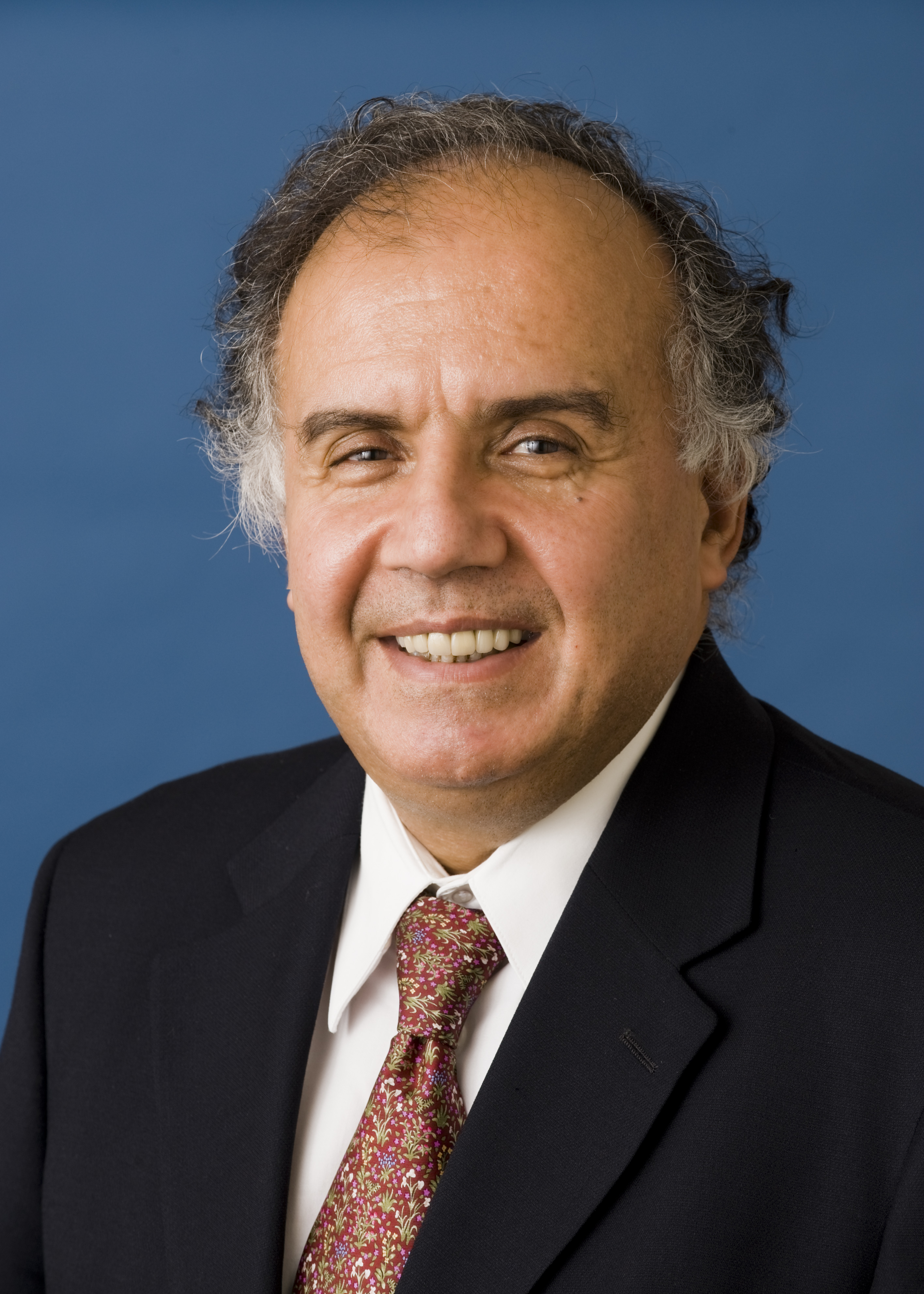
Former Senior Associate, International Economics Program
Dadush was a senior associate at the Carnegie Endowment for International Peace. He focuses on trends in the global economy and is currently tracking developments in the eurozone crisis.
Recent Work
Uri Dadush
Uri Dadush
Carnegie does not take institutional positions on public policy issues; the views represented herein are those of the author(s) and do not necessarily reflect the views of Carnegie, its staff, or its trustees.

Depleted financial reserves and a shrinking tax base mean it is no longer possible to simultaneously deliver high defense spending, price stability, and economic growth.

Alexandra Prokopenko
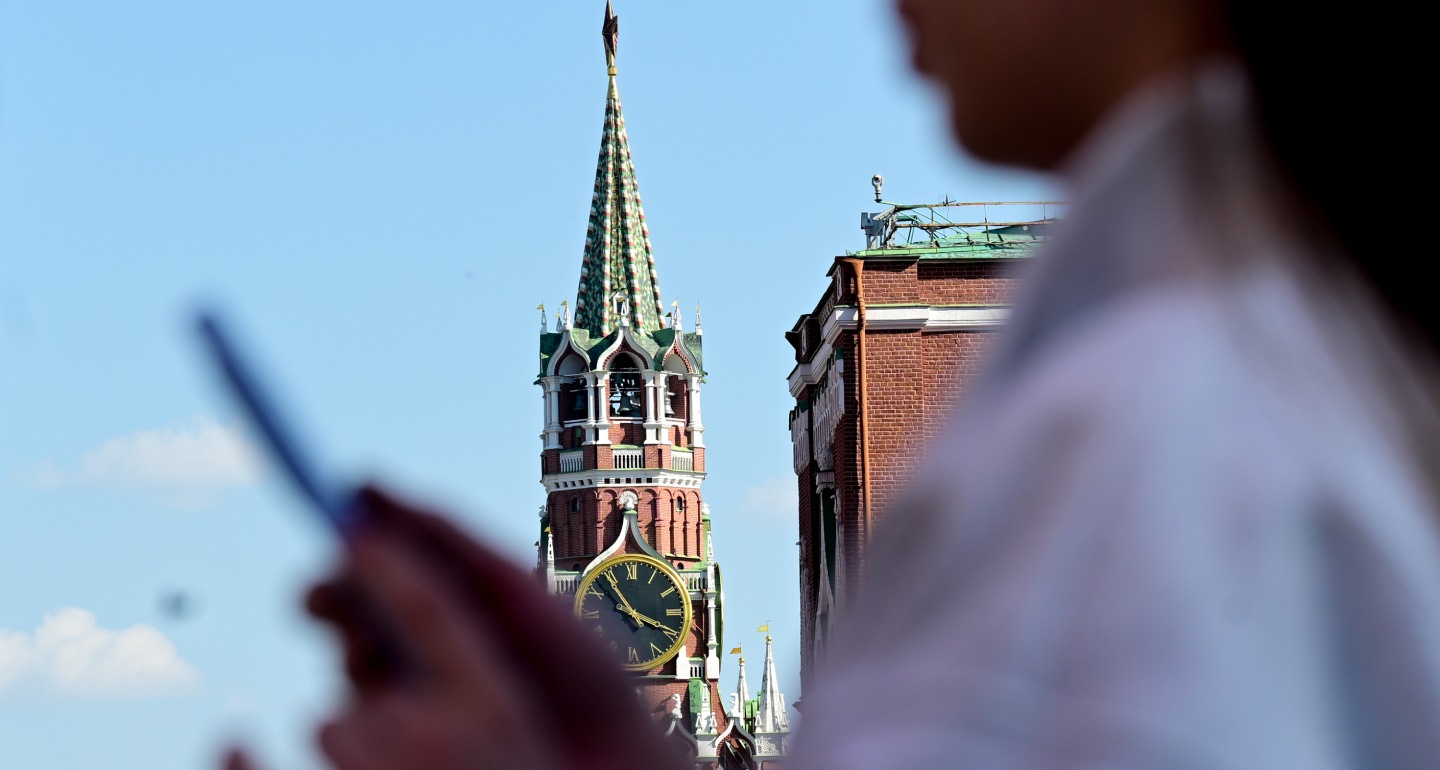
A much-discussed disagreement over internet restrictions in Russia was never an existential threat for Putin: It was about elite groups protecting their interests.
Alexandra Prokopenko

The demands of the Kremlin’s war in Ukraine, demographic problems, and public hostility toward Central Asians mean Russia does not have enough workers.
Salavat Abylkalikov

Minsk’s faith in the future of its larger neighbor’s economy is fading as Belarusian firms in Russia see record losses.

Olga Loiko

The cost of air defense has become an unregistered tax on revenue for businesses. While military rents are consolidated in the federal budget, the costs of defense are being spread across the balance sheets of companies and regional governments.
Alexandra Prokopenko