

Commentary
Nikolay Petrov
{
  "authors": [
    "Nikolay Petrov"
  ],
  "type": "legacyinthemedia",
  "centerAffiliationAll": "",
  "centers": [
    "Carnegie Endowment for International Peace",
    "Carnegie Russia Eurasia Center"
  ],
  "collections": [],
  "englishNewsletterAll": "",
  "nonEnglishNewsletterAll": "",
  "primaryCenter": "Carnegie Russia Eurasia Center",
  "programAffiliation": "",
  "programs": [],
  "projects": [],
  "regions": [],
  "topics": []
}
Source: Getty
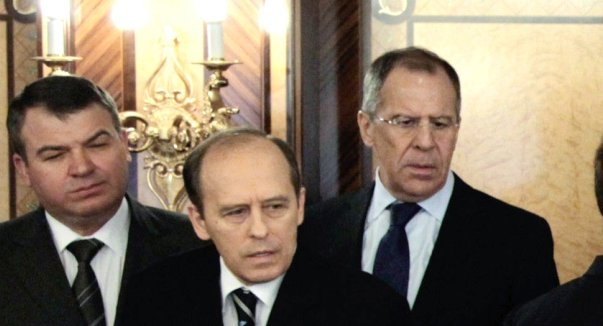
The Kremlin's proposed anti-corruption campaign will serve to bind the bureaucracy together in order to avoid disloyalty, with the main goal of redistributing the wealth of the elites among their members.
Source: The Moscow Times

But most likely, the anti-corruption campaign is an attempt to further bind United Russia at all levels to avoid the danger of defectors or a split in the elite.
This is precisely where the campaign to discredit Just Russia Deputy Gennady Gudkov comes in. The Kremlin is using him as an example to show all the disloyal and doubtful what could happen to them if they criticize President Vladimir Putin and the ruling regime too sharply.For the first time in the 12 years of being in power, Putin has had to face the fact that the national wealth that is shared among the business and political elite has ceased to grow because of the prolonged economic crisis. And it probably won't start growing anytime soon.
On top of that, the principle of taking wealth from others and sharing it with your most loyal servants, which worked so well during Putin's first two presidential terms, no longer works. There simply isn't enough to go around anymore.
To avoid a messy and potentially dangerous battle within the elite, Putin has to carry out a redistribution of their wealth. To give the new, hungry members of the elite a piece of the pie, he has to take from the old members. Judging by the scale of the reshuffling in the security and law enforcement bodies, primarily in the Interior Affairs Ministry, there is no shortage of new members of the elite who want a piece of the pie.
The Kremlin has tried to present this redistribution of wealth as an anti-corruption campaign — and it is not limited to the proposed legislation to restrict politicians' ability to shift assets abroad.
There is also an anti-corruption campaign in Kabardino-Balkaria and Dagestan, the Leningrad region and others, where senior regional officials have been detained. Just to make sure that no siloviki are able to concentrate too much power in their own hands, there is a plan to further separate the functions of the Prosecutor General's Office from the Interior Affairs Ministry.
The anti-corruption campaign is meant to play an important political role as well, boosting Putin's flagging legitimacy both among the elites and in the eyes of citizens.
There are, however, a number of obstacles to cleaning up the corrupt members of the elite. The main one, of course, is genuine corruption fighters like Alexei Navalny who could easily ruin Putin's game plan by showing what a real anti-corruption campaign looks like. There is also Transparency International, which has its own conceptions about fighting corruption that is much different than the Kremlin's.
It's hard to say whether the Kremlin's presumed anti-corruption campaign will actually be carried out in the near future. What is clear, though, is that this plan will be popular with the masses.
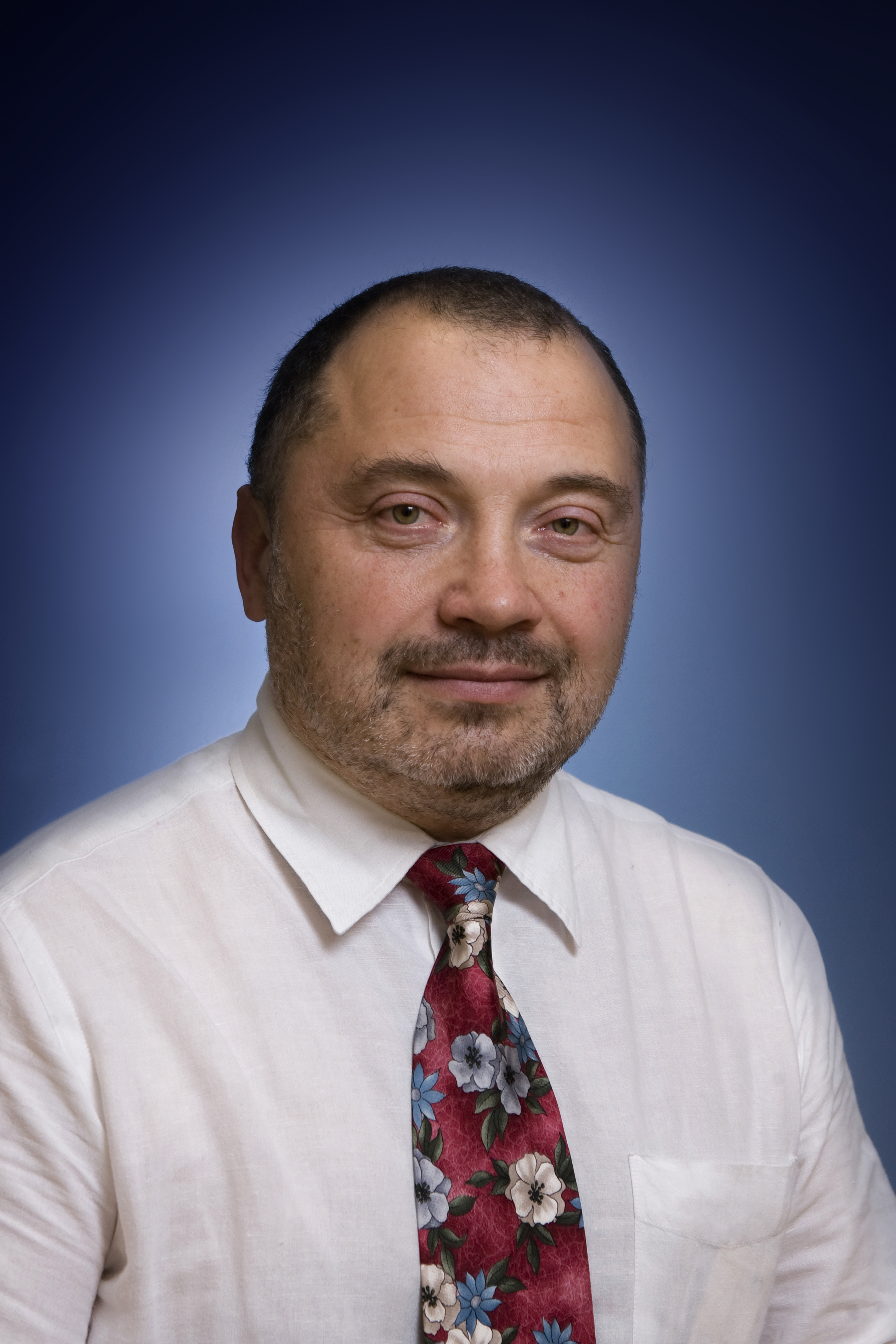
Former Scholar-in-Residence, Society and Regions Program, Moscow Center
Nikolay Petrov was the chair of the Carnegie Moscow Center’s Society and Regions Program. Until 2006, he also worked at the Institute of Geography at the Russian Academy of Sciences, where he started to work in 1982.
Recent Work
Nikolay Petrov
Nikolay Petrov
Carnegie does not take institutional positions on public policy issues; the views represented herein are those of the author(s) and do not necessarily reflect the views of Carnegie, its staff, or its trustees.