

In The Media
David Rothkopf
{
  "authors": [
    "David Rothkopf"
  ],
  "type": "legacyinthemedia",
  "centerAffiliationAll": "",
  "centers": [
    "Carnegie Endowment for International Peace"
  ],
  "collections": [],
  "englishNewsletterAll": "",
  "nonEnglishNewsletterAll": "",
  "primaryCenter": "Carnegie Endowment for International Peace",
  "programAffiliation": "",
  "programs": [],
  "projects": [],
  "regions": [
    "North America",
    "United States"
  ],
  "topics": [
    "Political Reform"
  ]
}
Source: Getty
In the wake of a Romney win at the first debate, the president must find a way to rebound.
Source: CNN

The results of the debate were not just a source of late-night hilarity either. Pollsters have also been worked up into a lather.
Romney’s win was by an unprecedented margin. It helped close yawning gaps nationally, in swing states and among key groups like women. Pundits, depending on what flavor they were, wringed their hands or gloated. Wise men just shook their heads in knowing silence.
So the question is what can the president do to rebound? Although the White House hasn't called me yet asking for tips, here’s a few of the tidbits of advice I'd give if they did:
I know this is what everyone is telling you not to do. But, listen to me, they are the people who got you in trouble in the first place. By far the biggest benefit of getting clobbered in the debate is that it should be a wake-up call for you. Time to study up (like you didn't do last time). Time to stop believing your campaign's cartoonish characterizations of Romney. He’s a real, formidable, guy. A serious opponent. Take him seriously this time.
I got your attention with the line about panicking. But the reality is you have every reason to remain calm, starting with the fact that you are a preternaturally calm person. First, it was inevitable given your lead in the polls that you would be on the losing side of the expectations game and post-first debate spin. Next, you know as well as anyone that even after spending a billion on this campaign, you and Mitt Romney are going to end up with America roughly split as it was before this whole dog-and-pony show started.
Finally, you’re still the president, and you still have everything going for you that you had going for you to begin with, from the good bits in your record to an electoral college and a shifting American demographic reality that will give you a healthy tailwind at the polls.
I don’t just mean this in the sense that you should be there and mentally engaged in the next debate. Given Romney’s win in the first debate, the natural story for the lazy ladies and gentlemen of the press will be to write about your comeback. I don’t want to put too much pressure on you, but you are going to have to try really, really hard to screw up this next debate, at least.
Again, I know this is not what your brain trust is telling you. Well, it’s not what many in the universe of your scared and angry supporters are calling for. Everyone is saying you should hit back hard. (No, I mean harder than the lame attacks on Romney for threatening to “fire” Big Bird.) Don’t play that game.
What wins campaigns is offering the most optimistic, credible vision for the future. Don’t be a self-hating Democrat. You have a strong record on many fronts. By all means emphasize your successes. But focus on the future.
Focus on big ideas for creating jobs, making America competitive, promoting growth and making us stronger from the inside out. Romney has turned his race around largely by letting people see that he’s actually a good guy on many levels. Acknowledge it. Challenge him when he is misleading but don’t get sucked into name calling. The facts matter much less than how you make people feel. (Sorry, it’s true.) Just make sure people know you have a better vision for more people. And by people, I mean swing voters. The others have all made up their minds.
So, despite the temptations, veer away from the partisan. Americans want solutions, not more gridlock and name calling.
If you follow the four steps described above both in debates and on the road (and spend a lot of time in Ohio, Florida and Virginia) you will probably still win this thing. Of course, there’s still time for some October (or early November) surprise that will be a game changer. But you’re the president of the United States for goodness sake. You have some influence. Try to avoid disasters (on and off the debate stage), and you will soon be able to go back to grappling with the hardest problems in the world all day long.
For Gov. Romney, the advice is simpler. Keep doing what you did the other night. Well-prepared, moderate, likeable and presidential is not exactly a losing combination. But expect the next debates to be somewhat more challenging. It’s highly likely the president of the United States will actually turn up the next couple of times around.
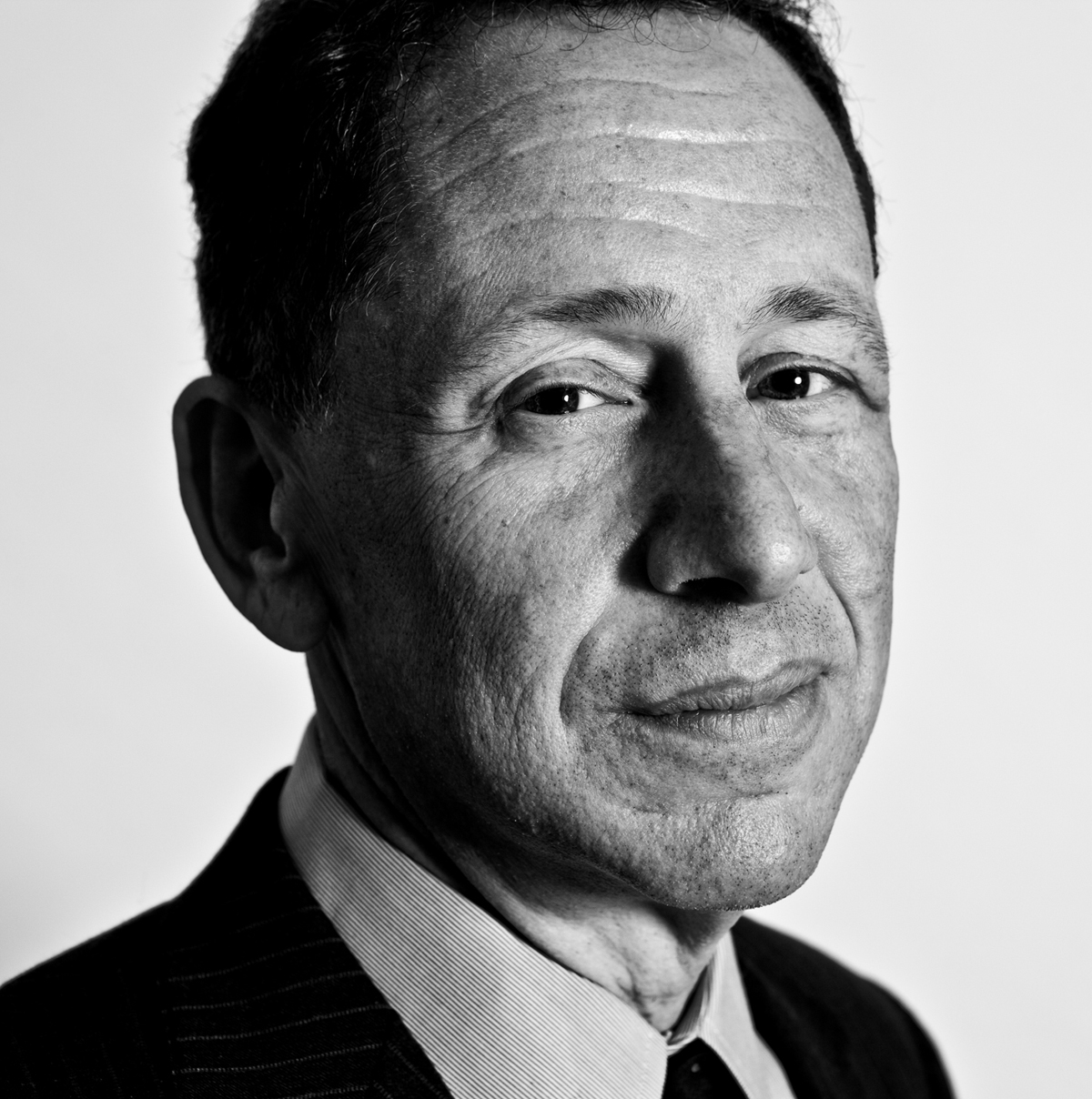
Former Visiting Scholar
David Rothkopf was a visiting scholar at the Carnegie Endowment as well as the former CEO and editor in chief of the FP Group.
Recent Work
David Rothkopf
David Rothkopf
Carnegie does not take institutional positions on public policy issues; the views represented herein are those of the author(s) and do not necessarily reflect the views of Carnegie, its staff, or its trustees.
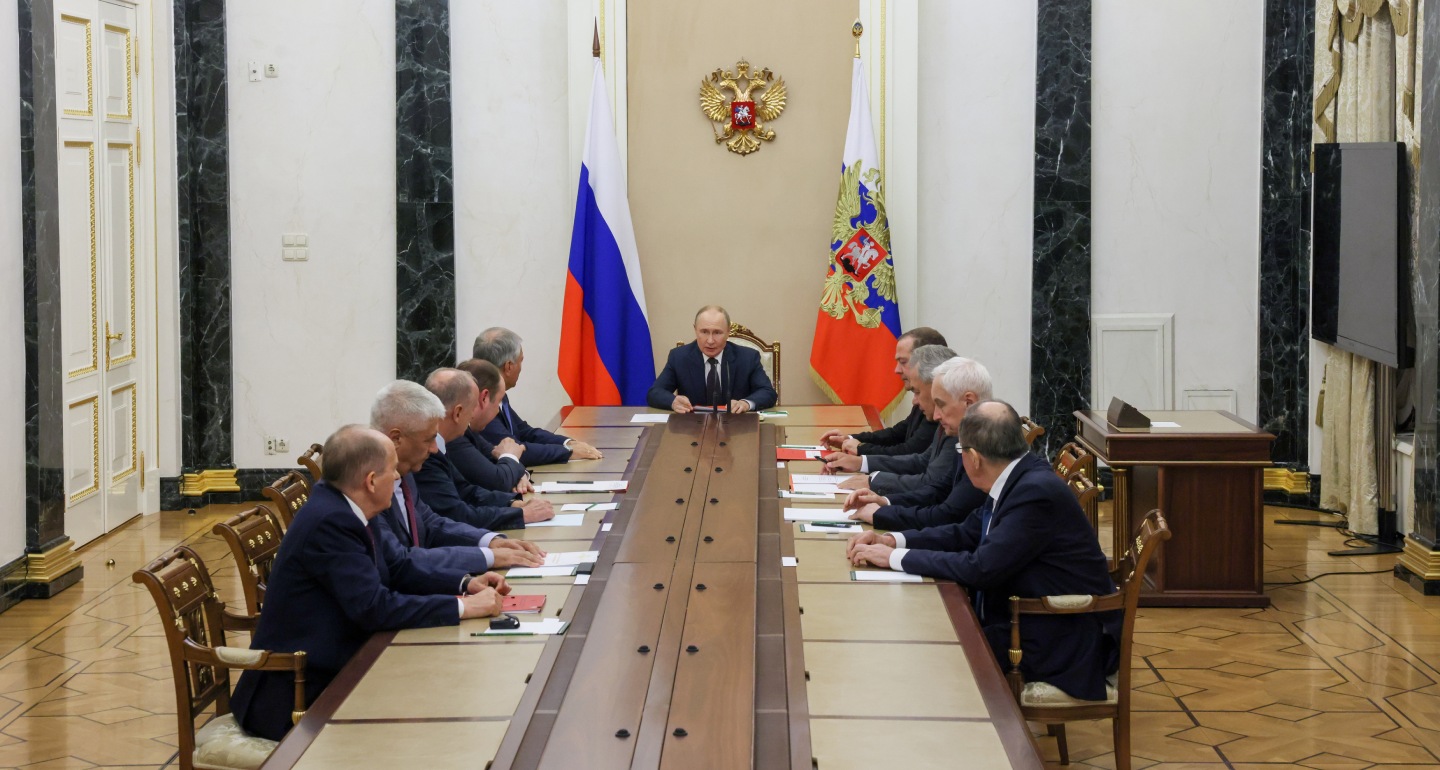
The ruling elites in contemporary Russia are not a political class, but a community of managers who are not subject to competition or public accountability. The state is becoming an operating apparatus without any internal autonomy.

Alexandra Prokopenko
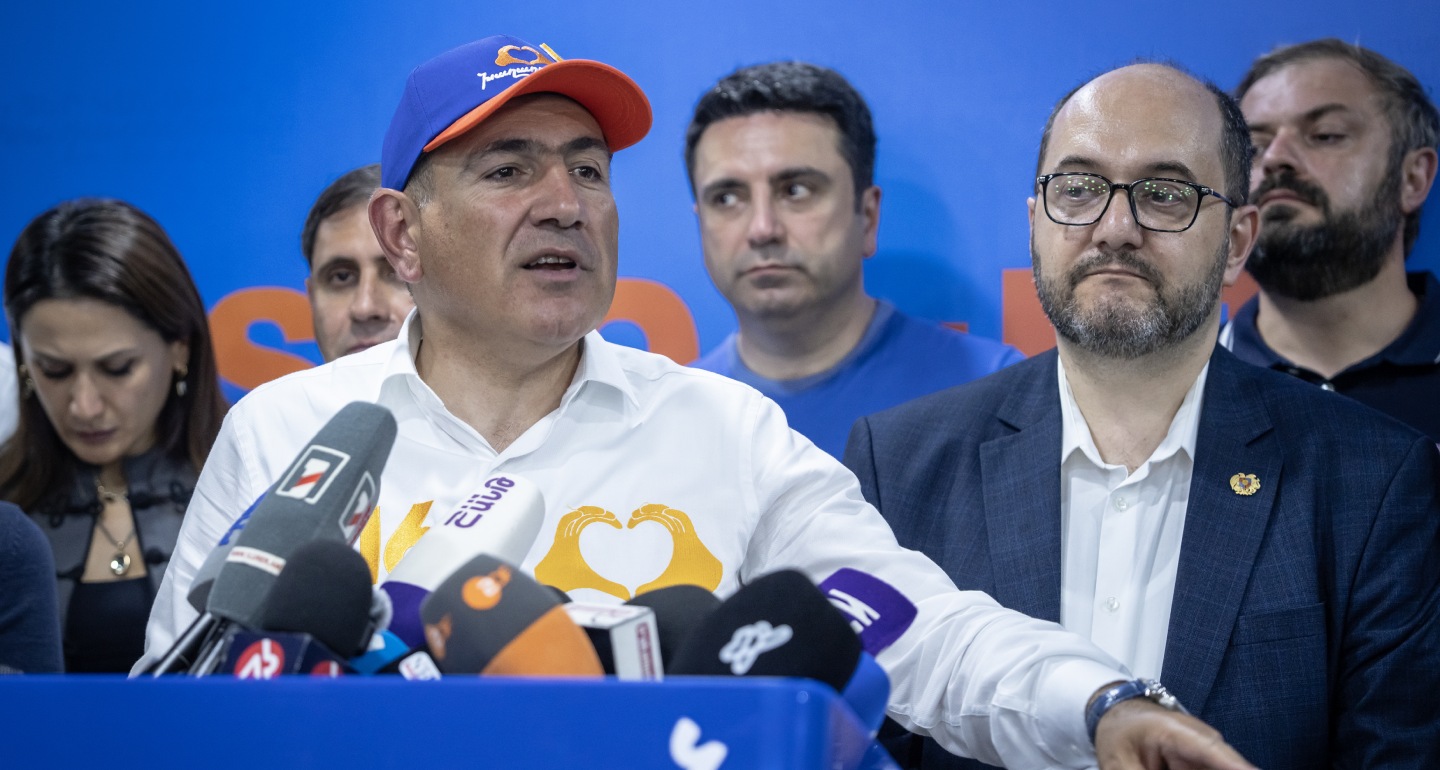
Pashinyan’s pro-European party has been re-elected with a decisive victory. But the pro-Russian opposition could still slow Armenia’s progress toward peace with Azerbaijan and rapprochement with Europe.
Mikayel Zolyan

How did Putin co-opt Russia’s political and economic elites, ensuring no more than fitful resistance to the regime’s war on Ukraine?
Alexandra Prokopenko
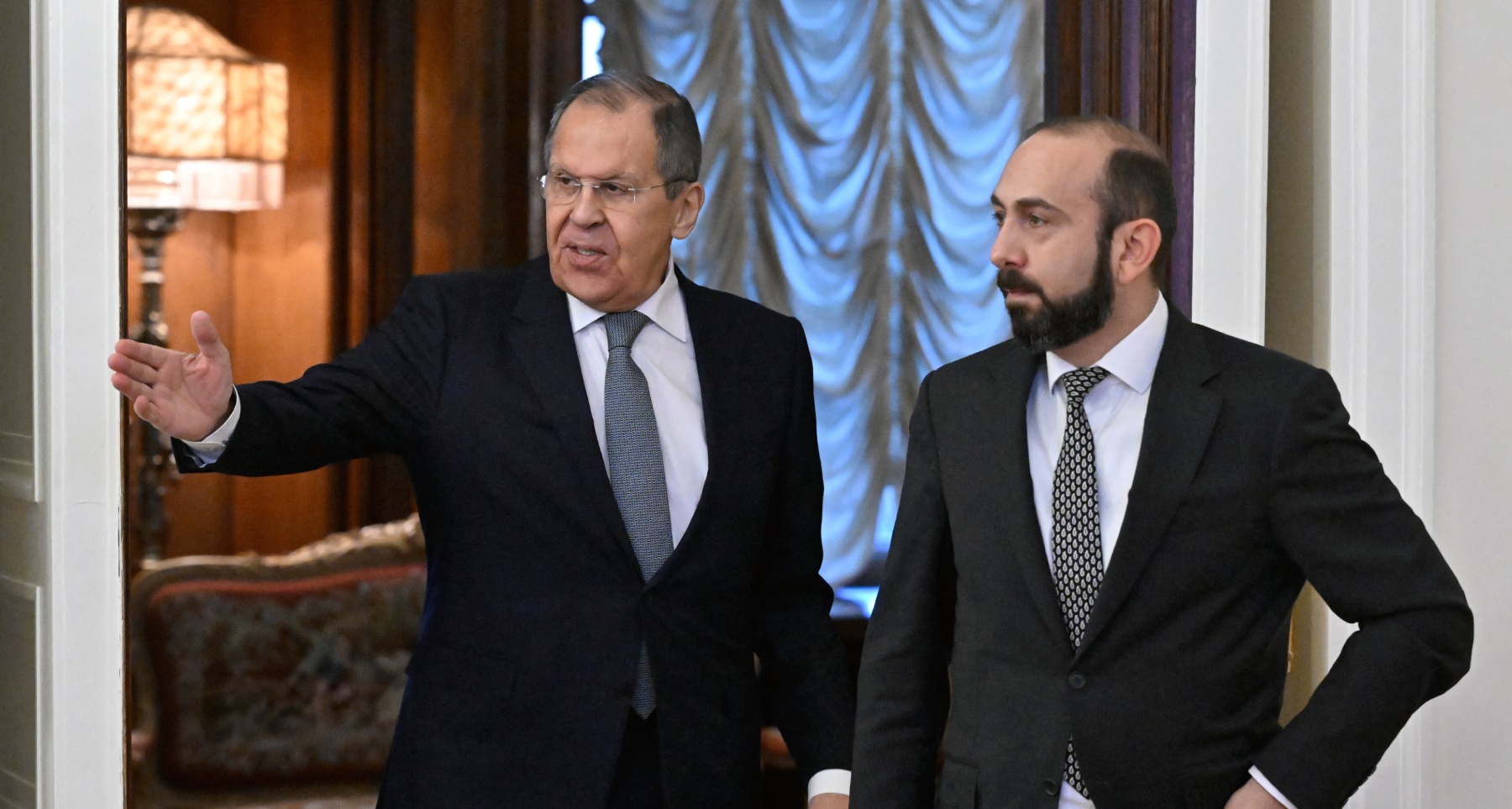
For all the menacing rhetoric, the Armenian prime minister remains a leader with whom Putin is prepared to interact: not as an ally, but as a partner, albeit a problematic one.

Alexander Atasuntsev
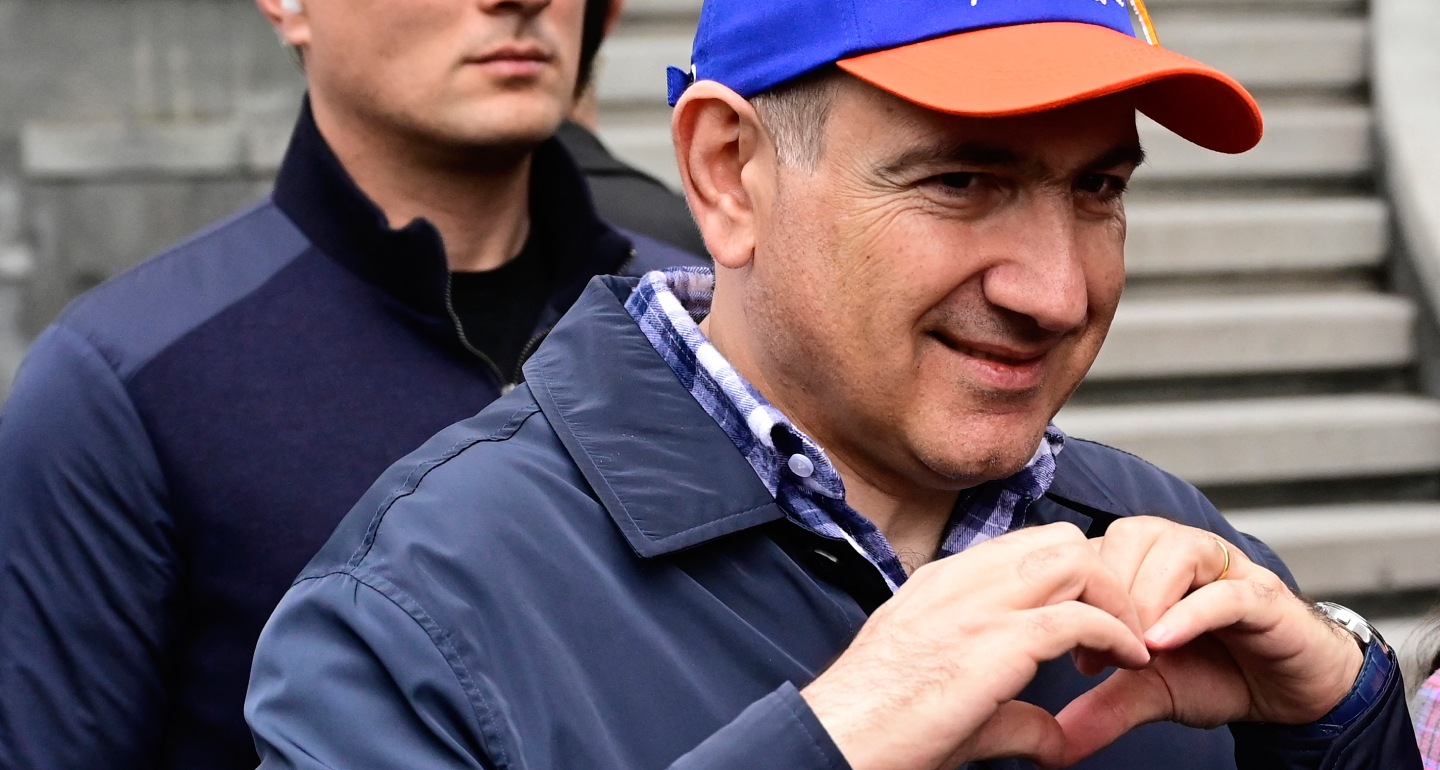
By fueling the arguments of both supporters and opponents of Armenian Prime Minister Nikol Pashinyan, Azerbaijan wants to ensure he is re-elected with a weaker mandate.

Bashir Kitachaev