

Commentary
Judy Dempsey
{
  "authors": [
    "Judy Dempsey"
  ],
  "type": "legacyinthemedia",
  "centerAffiliationAll": "",
  "centers": [
    "Carnegie Endowment for International Peace",
    "Carnegie Europe"
  ],
  "collections": [
    "Europe’s Eastern Neighborhood"
  ],
  "englishNewsletterAll": "",
  "nonEnglishNewsletterAll": "",
  "primaryCenter": "Carnegie Europe",
  "programAffiliation": "",
  "programs": [],
  "projects": [],
  "regions": [
    "Europe",
    "Eastern Europe",
    "Western Europe"
  ],
  "topics": [
    "Political Reform",
    "Democracy"
  ]
}
Source: Getty
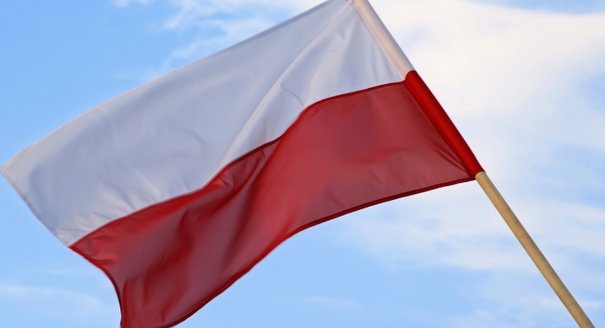
Poland is pushing for stable, prosperous, and democratic states in its own neighborhood and beyond.
Source: New York Times

The foundation is the brainchild of the Polish government, especially Radek Sikorski, the foreign minister.
The center-right government in Warsaw believes that it is the moral and political obligation of the European Union to support people who strive for human rights and freedom, especially in the countries along its borders. After all, these are the union’s defining values.Values matter a lot to Poland. An E.U. member since 2004, Poland has never been complacent about democracy and freedom.
Polish policy is not just about helping its Eastern neighbors become stable, prosperous and democratic so that they can provide a buffer zone against Russia, or encourage Russian democracy activists. Poland wants these conditions for people in North Africa and the Middle East too.
That is why, when Poland was heading the union’s rotating presidency last year, it campaigned hard to get the idea of the E.E.D. accepted. It wanted the foundation to be free of E.U. bureaucracy and internal politics. It wanted to show those striving for democracy that Europe still had some strategic goals for its eastern and southern neighbors.
Poland also wants Europe to have a strong defense and security policy so as to defend its values and become a serious global player.
France desperately wants that, too. But the meager support offered to Paris by E.U. member states after François Hollande, the French president, sent fighter aircraft and troops to northern Mali indicates that much of Europe is not really interested in having a strong, common defense and security policy.
This is not just about supporting France militarily, either.
The conflict in Mali has consequences for Europe, including the export of terrorism and criminal gangs to the European continent, and rising numbers of refugees.
The attack this past week by radical Islamists on the gas fields in Algeria shows the urgency of the threat.
Yet as Poland and France have shown, each in its own way, in today’s Europe national governments have to go it alone before getting even some support from the other E.U. states.

Nonresident Senior Fellow, Carnegie Europe
Dempsey is a nonresident senior fellow at Carnegie Europe
Recent Work
Judy Dempsey
Judy Dempsey
Carnegie does not take institutional positions on public policy issues; the views represented herein are those of the author(s) and do not necessarily reflect the views of Carnegie, its staff, or its trustees.
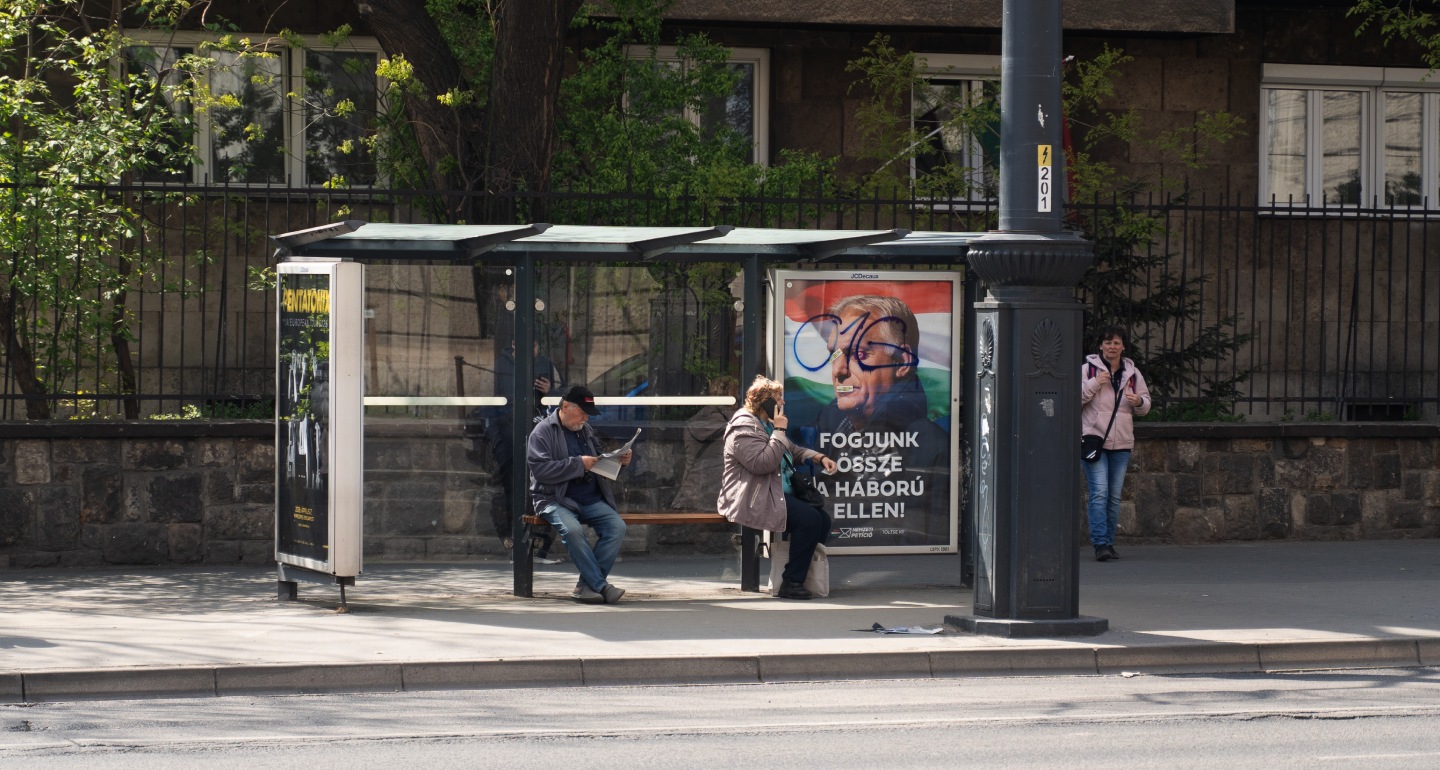
Orbán created an image for himself as virtually the only opponent of aid to Ukraine in the entire EU. But in reality, he was simply willing to use his veto to absorb all the backlash, allowing other opponents to remain in the shadows.
Maksim Samorukov
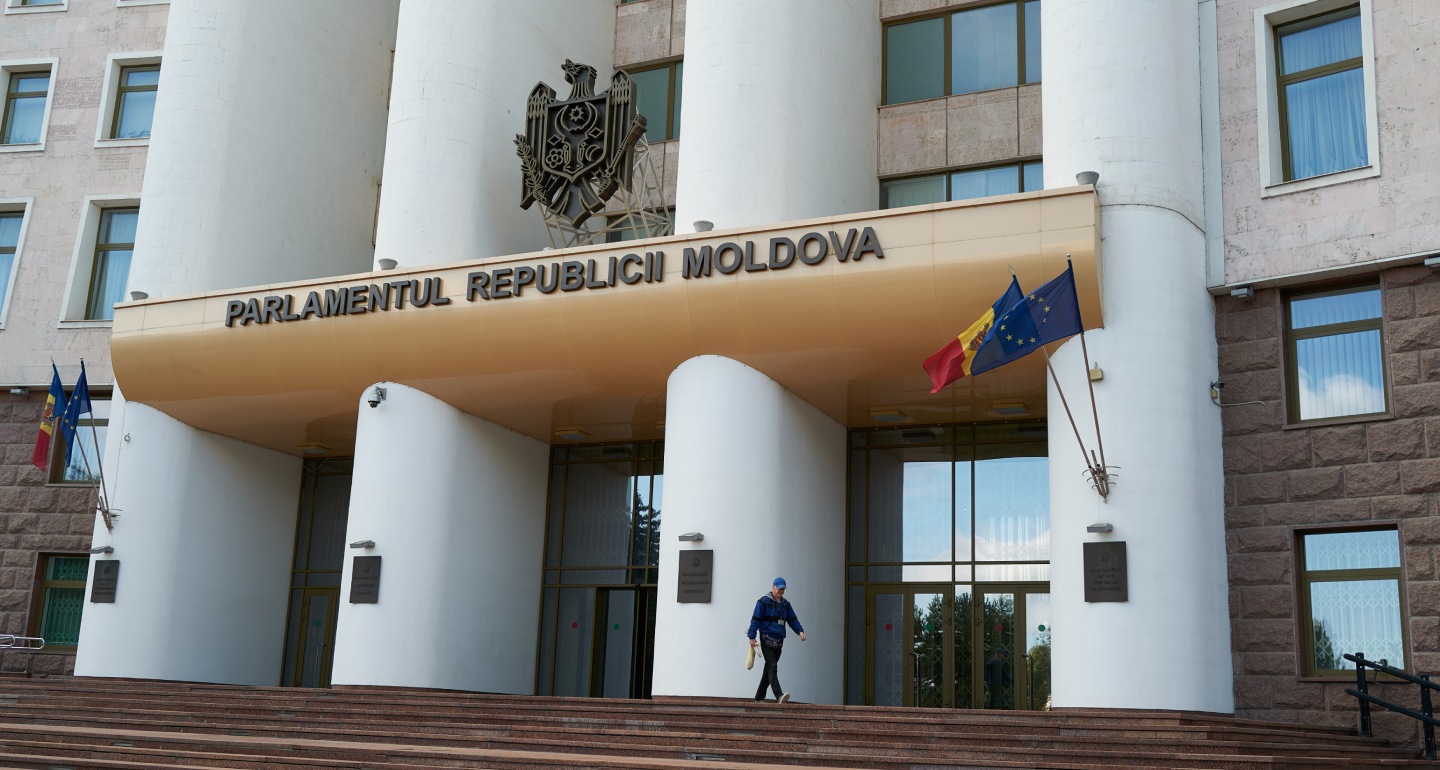
Moldova’s reintegration plan was drawn up to demonstrate to Brussels that Chișinău is serious about the Transnistria issue—and to get the West to react.
Vladimir Solovyov
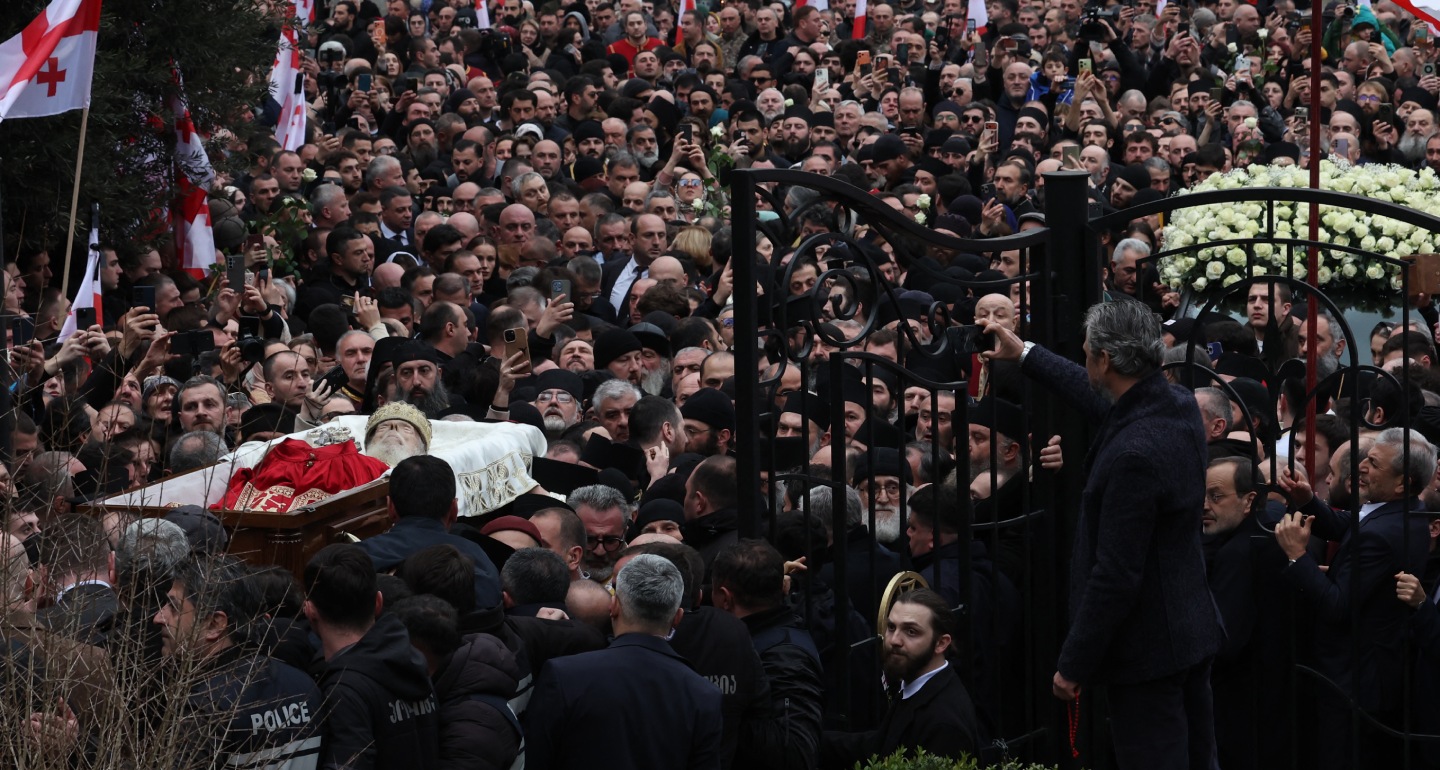
The front-runner to succeed Ilia II, Metropolitan Shio, is prone to harsh anti-Western rhetoric and frequent criticism of “liberal ideologies” that he claims threaten the Georgian state. This raises fears that under his leadership the Georgian Orthodox Church will lose its unifying role and become an instrument of ultraconservative ideology.

Bashir Kitachaev
Kazakhstan’s new constitution is an embodiment of the ruling elite’s fears and a self-serving attempt to preserve the status quo while they still can.

Serik Beysembaev
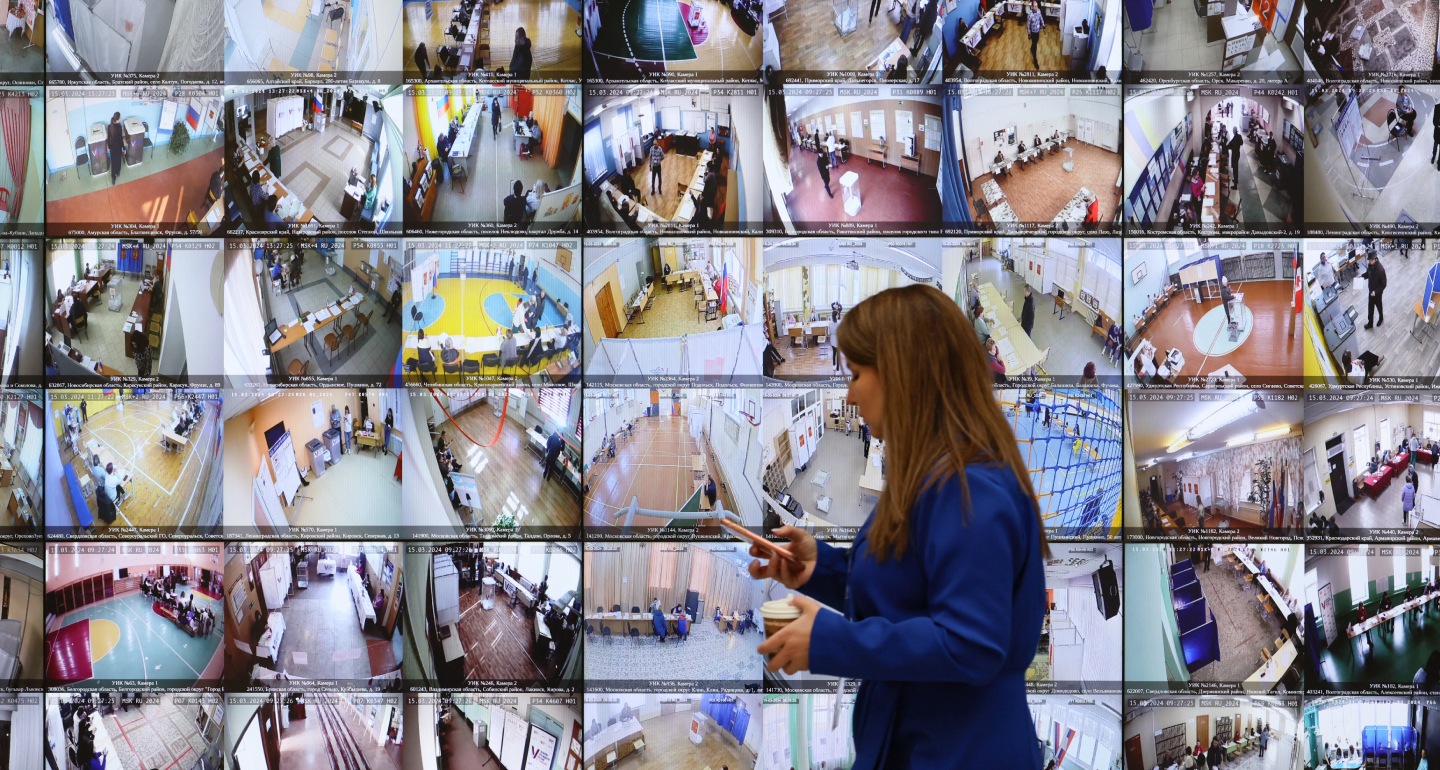
The use of technology to mobilize Russians to vote—a system tied to the relative material well-being of the electorate, its high dependence on the state, and a far-reaching system of digital control—is breaking down.

Andrey Pertsev