

Commentary
Uri Dadush
{
  "authors": [
    "Uri Dadush"
  ],
  "type": "legacyinthemedia",
  "centerAffiliationAll": "",
  "centers": [
    "Carnegie Endowment for International Peace",
    "Carnegie Europe"
  ],
  "collections": [],
  "englishNewsletterAll": "",
  "nonEnglishNewsletterAll": "",
  "primaryCenter": "Carnegie Endowment for International Peace",
  "programAffiliation": "",
  "programs": [],
  "projects": [],
  "regions": [
    "Western Europe",
    "North America"
  ],
  "topics": [
    "Economy",
    "Trade",
    "EU"
  ]
}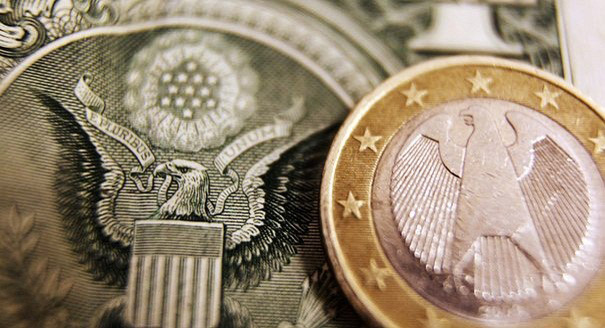
Source: Getty
The Cypriot banking crisis reveals the danger of the euro crisis incapacitating Europe and the global economy more broadly.
Source: NPR To The Point
Speaking on NPR's To the Point, Carnegie's Uri Dadush discussed the state of the banking crisis engulfing Cyprus and its implications on the euro zone. After Cypriot politicians ruled out an ECB levy on bank deposits, which are seven times larger than Cyprus' GDP, banks continued closure for yet another week. Dadush asserted that the ECB's decision to pursue the tax on deposits was "legally dubious, morally unjustified, managerially inept, and economically stupid." Setting a very dangerous precedent and potentially unleashing a panic and bank run, the pressure on countries in Europe continues to grow. Dadush suggested other channels through which the adequate funding would reach Cyprus, including the restructuring of government debt or perhaps borrowing against the collateral of its expected gas bonanza.

Former Senior Associate, International Economics Program
Dadush was a senior associate at the Carnegie Endowment for International Peace. He focuses on trends in the global economy and is currently tracking developments in the eurozone crisis.
Recent Work
Uri Dadush
Uri Dadush
Carnegie does not take institutional positions on public policy issues; the views represented herein are those of the author(s) and do not necessarily reflect the views of Carnegie, its staff, or its trustees.
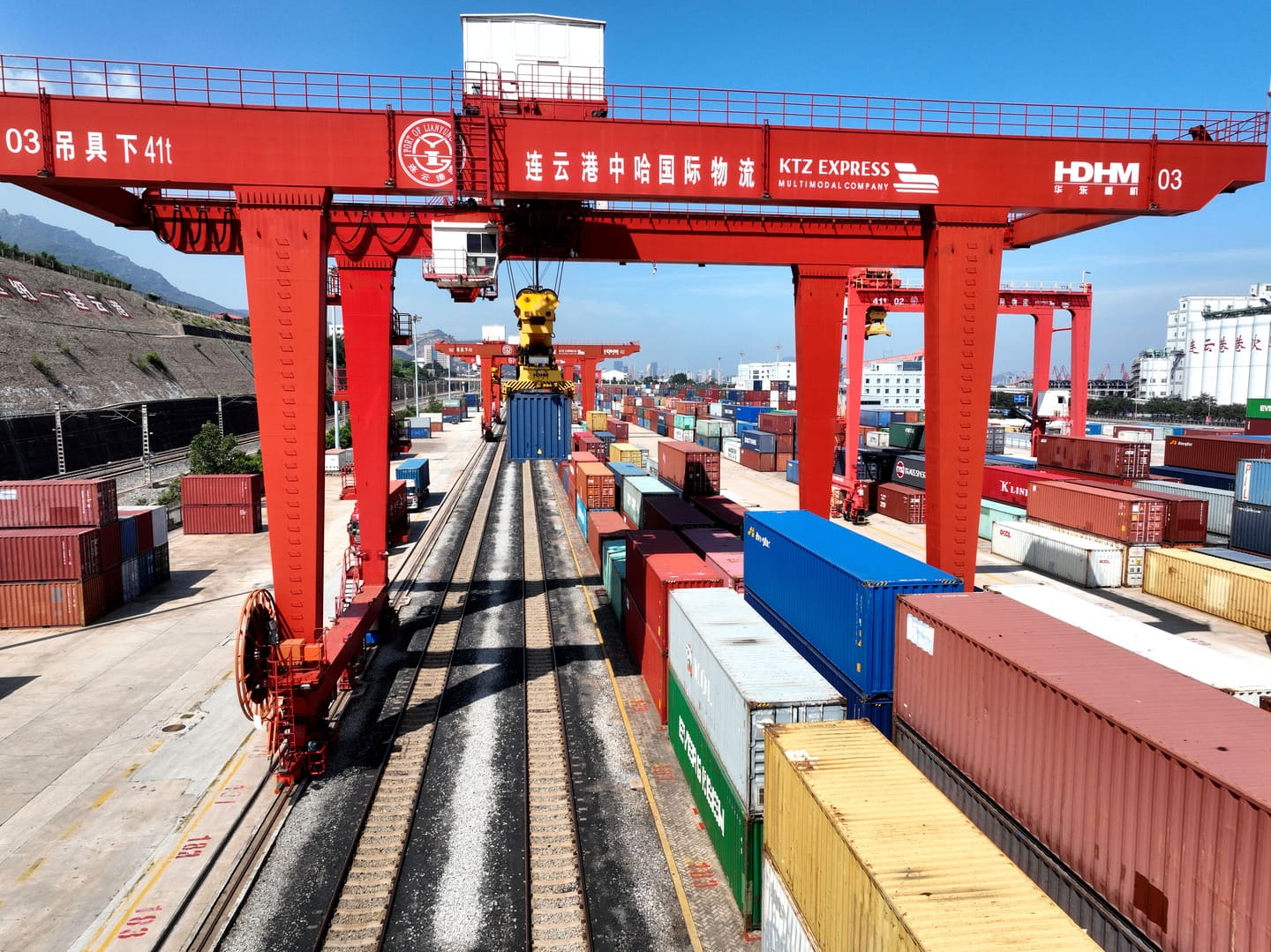
For the Middle Corridor to fulfill its promises, one of these routes must become scalable. At present, neither is.

Friedrich Conradi

Powerful lobbyists and inertia led to Russia’s coal-mining sector missing an excellent opportunity to solve its structural problems.
Alexey Gusev
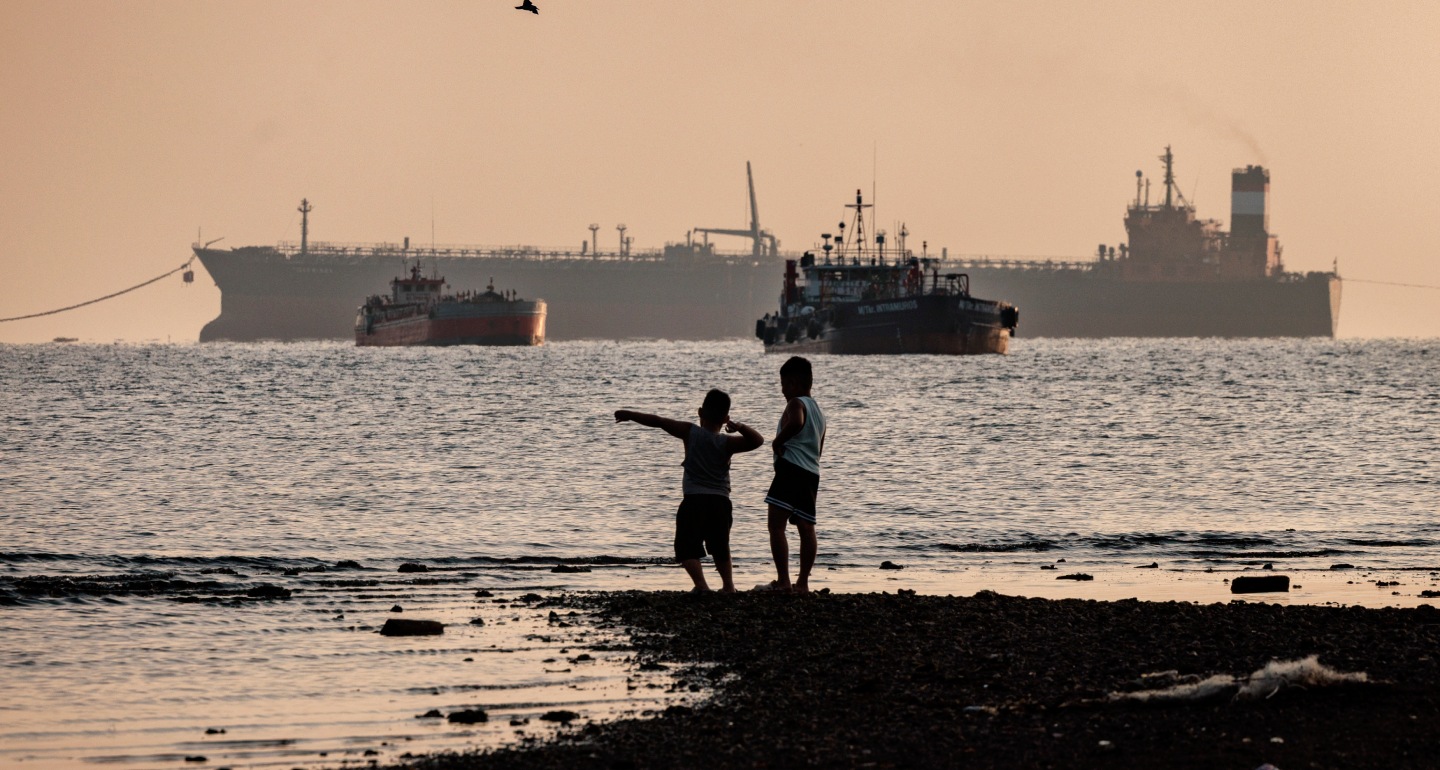
Although Ukrainian strikes have led to a noticeable decline in the physical volume of Russian oil exports, the rise in prices has more than made up for it.

Sergey Vakulenko
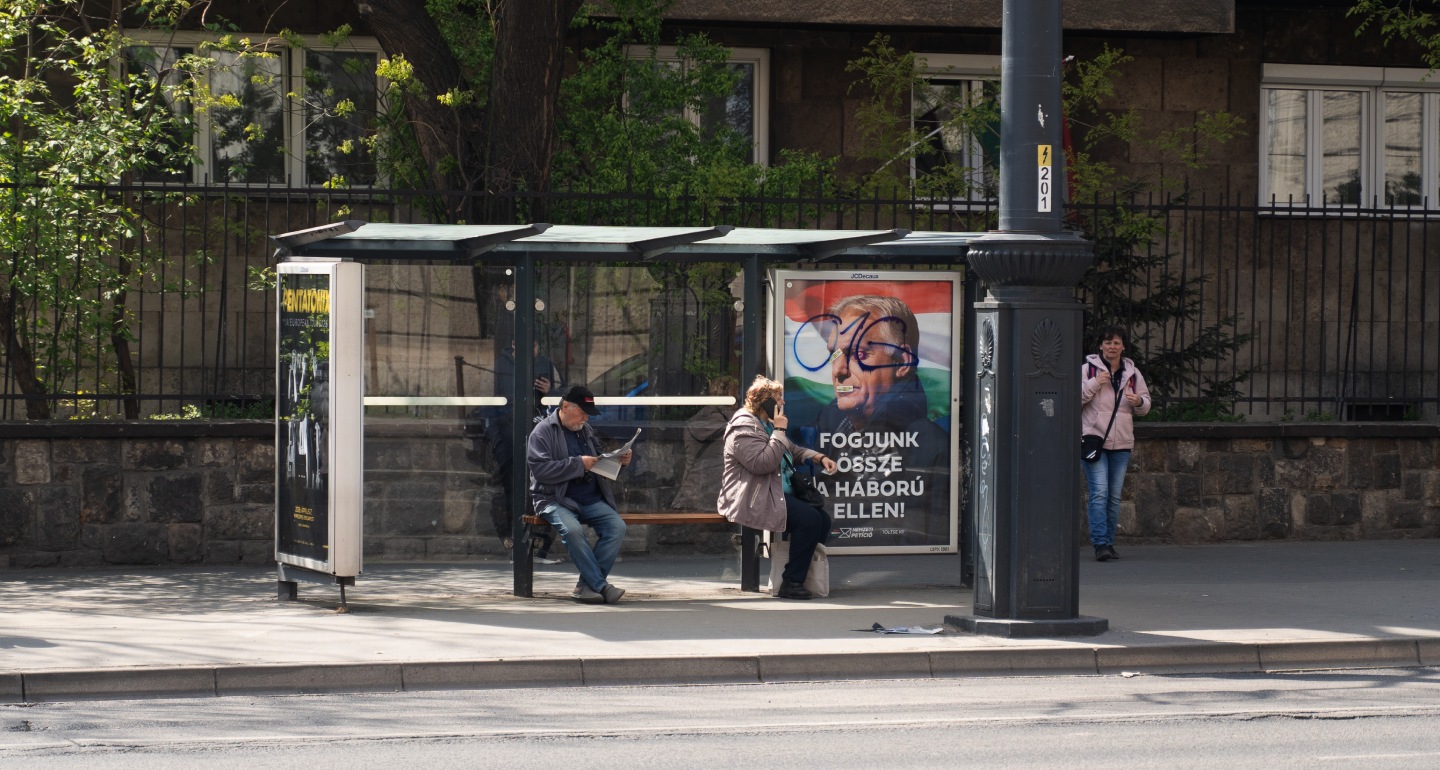
Orbán created an image for himself as virtually the only opponent of aid to Ukraine in the entire EU. But in reality, he was simply willing to use his veto to absorb all the backlash, allowing other opponents to remain in the shadows.

Maksim Samorukov
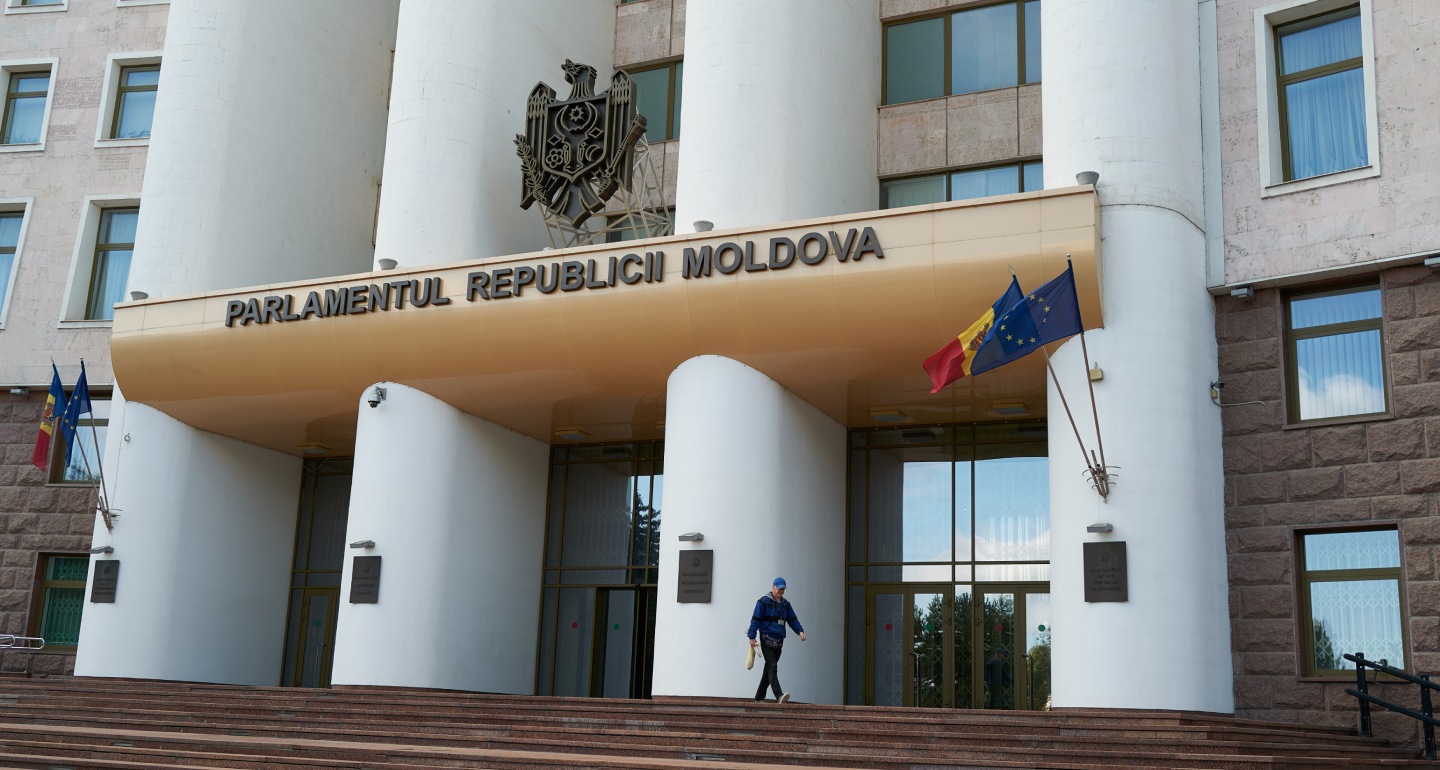
Moldova’s reintegration plan was drawn up to demonstrate to Brussels that Chișinău is serious about the Transnistria issue—and to get the West to react.

Vladimir Solovyov