

Commentary
Dmitri Trenin
{
  "authors": [
    "Dmitri Trenin"
  ],
  "type": "legacyinthemedia",
  "centerAffiliationAll": "",
  "centers": [
    "Carnegie Endowment for International Peace",
    "Carnegie China",
    "Carnegie Russia Eurasia Center"
  ],
  "collections": [
    "China’s Foreign Relations"
  ],
  "englishNewsletterAll": "",
  "nonEnglishNewsletterAll": "",
  "primaryCenter": "Carnegie Russia Eurasia Center",
  "programAffiliation": "",
  "programs": [],
  "projects": [],
  "regions": [
    "East Asia",
    "China",
    "Russia"
  ],
  "topics": [
    "Foreign Policy"
  ]
}
Source: Getty
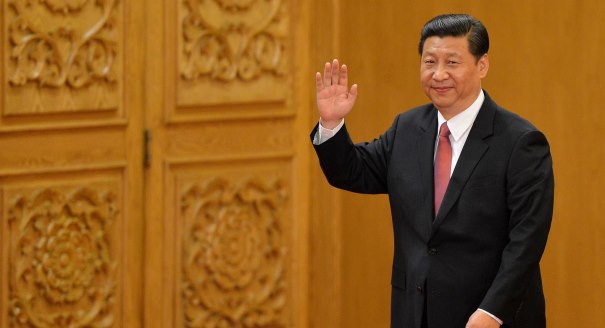
Xi Jinping’s visit to Moscow may not necessarily be historic, but it is certainly symbolic of the long way bilateral relations between Russia and China have come.
Source: China Daily
The fact that Xi Jinping's first foreign visit as China's president will be to Russia is symbolic. Russia is not China's formal ally, nor is it its main trading partner and leading investor. It is, of course, a neighbor across a 4,355-km-long border. It is also an important source of raw materials and military technology for China.
More importantly, Russia is a fiercely independent strategic player in a fast-changing global system. Solid relations with Russia do not only guarantee China a safe and secure neighborhood in the north, they also provide it with a like-minded partner in the UN Security Council and new groups like the G20, BRICS and the Shanghai Cooperation Organization. That Xi is beginning his term in office with a BRICS summit in Durban, South Africa, preceded by a visit to Moscow also shows the Chinese leadership's bid to play a bigger global role.
The main concern of China's new leadership is certainly the country's economic development and transformation into an increasingly complex society, which could push its foreign policy to the back seat. Yet the "pivot to Asia" policy of the United States, the Diaoyu Islands dispute with Japan, other territorial disputes with Vietnam and the Philippines, India's perennial anxiety when it comes to China, and the Korean Peninsula nuclear issue make managing China's international relations more difficult than before.Beijing traditionally prefers to go it alone on the world stage so that it has full freedom to maneuver its moves. But, at the same time, it does not want to be left alone to confront major global and regional issues. Moscow can join in its endeavors, because it shares many of Beijing's views on the international situation - from the importance of national sovereignty and rejection of outside interference in a country's internal affairs to multipolarism as a foundation of the global system.
Despite all this, China and Russia are unlikely to form an alliance, for they value their independence and freedom to act appropriately to protect their core interests, and neither wants to openly confront the United States.
Moreover, Cold War-style alliances have become archaic in times of economic interdependence, trans-border movement of people and global information sharing. Instead of static military stand-offs, as between NATO and the Warsaw Pact in the past, shifting alignments on specific issues on a plethora of international agendas have become the rule. Beijing and Moscow have learned to cooperate effectively where their interests meet. But they have also managed to deal quietly with their occasional disagreement. This shows that Russia and China value each other, even as they pursue their national interests.
In the days of the Sino-Soviet bloc, which was directed at "US imperialism", and then the period of Sino-US rapprochement to oppose "Soviet hegemony", the US was an implied third party to the Beijing-Moscow relationship. This, of course, is far less true today.
On economic and financial issues, which still form the bulk of the US-China strategic dialogue, neither country has much time for Russia. On geopolitics, former US secretary of state Hillary Clinton's famous "pivot" article in the Foreign Policy magazine did not even mention Russia once. Unlike most Americans, the Chinese, however, have never fully dismissed Russia as "yesterday's news". The Chinese do include Russia in their strategic equation, which makes a lot of sense.
Russians, on their part, are busy building their own foreign policy universe comprising Eurasian, Euro-Atlantic and Asia-Pacific "worlds", in which the US' relative and slow decline and China's fast (but now a bit slower) rise are the key drivers of global rebalancing.
As the three most important geopolitical players and leading military powers of the early 21st century, the US, China and Russia are likely to develop a very complex kind of relationship, very different from the rather simple "blocs" and "triangles" of the last century.
Over the past 25-odd years, Sino-Russian relations have seen an almost miraculous turnaround, from military confrontation and bitter ideological rivalry, which left no room either for trade or people-to-people contacts, to one of good-neighborliness, pragmatic partnership, booming trade and expanding social contacts.
Russians should be praised for having adjusted to China's meteoric rise, instead of panicking over it. Their Chinese counterparts should be congratulated for treating a diminished post-Soviet Russia with respect due to a great power, which incidentally Russia has not ceased to be. This forms a healthy foundation for the development of Sino-Russian relations.
Outside observers often look for shortcomings, flaws and crevices in Sino-Russian relations that can develop into serious cracks. Obviously, they want to be reassured that Beijing and Moscow will not join forces against Washington, and they are usually satisfied with the conclusions they draw.
Only a blind and bellicose policy by Washington can, in theory, prompt China and Russia to form an anti-US alliance. Today, such a scenario appears highly unlikely.
Something else needs to be stressed, however. The stable and flourishing relations between Eurasia's two biggest neighboring powers, which were engaged in a 30-year-long "cold war" of their own, are a major contribution to international peace and security. President Xi's visit to Moscow may not necessarily be historic, but it is certainly symbolic of the long way the two countries have come.
Former Director, Carnegie Moscow Center
Trenin was director of the Carnegie Moscow Center from 2008 to early 2022.
Recent Work
Dmitri Trenin
Dmitri Trenin
Carnegie does not take institutional positions on public policy issues; the views represented herein are those of the author(s) and do not necessarily reflect the views of Carnegie, its staff, or its trustees.
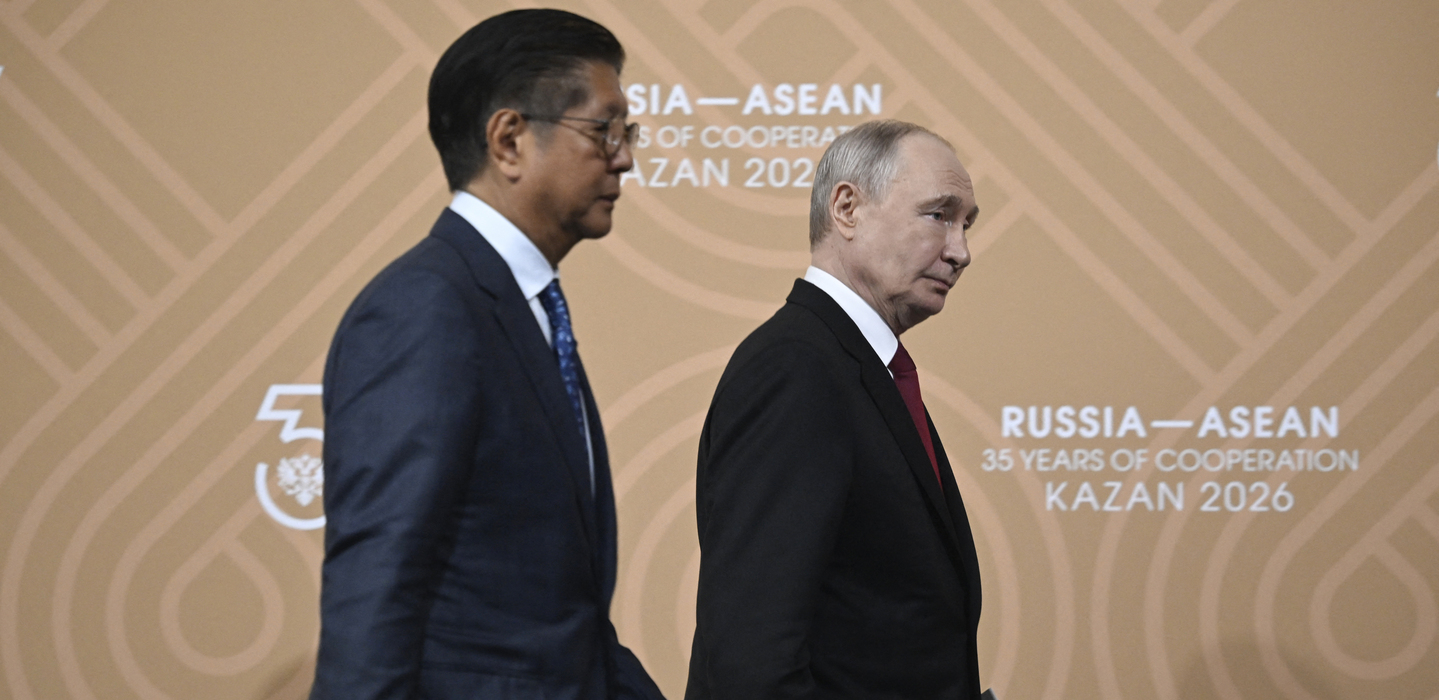
Russia looks set to reap economic benefits from closer ties with Southeast Asian countries that are keen to find reliable energy suppliers and diversify trade ties.

Alexander Gabuev

Ongoing uncertainty in the Middle East allows Moscow to both increase its influence in Tehran and continue to enjoy the financial windfall of higher oil prices.

Nikita Smagin
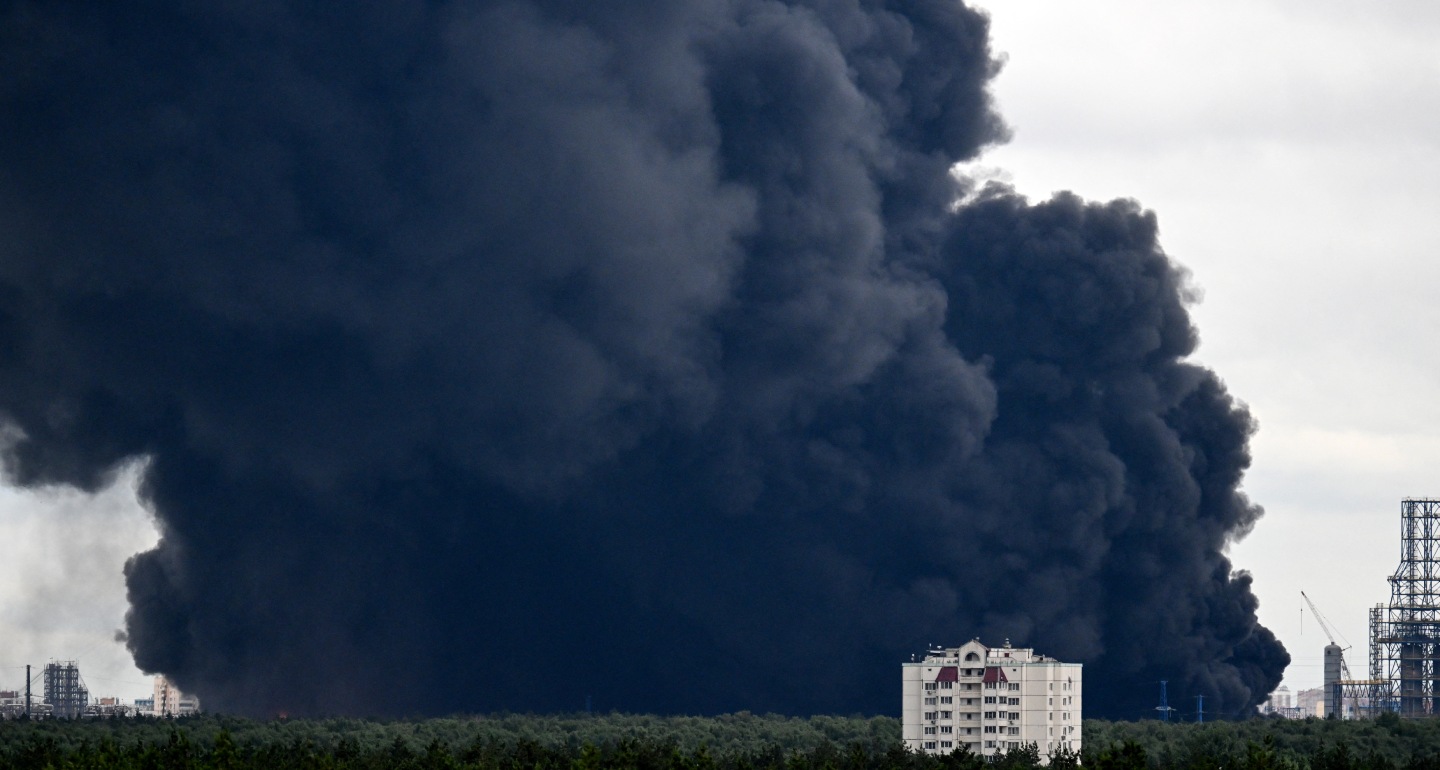
If it proves impossible for the Russian authorities to avoid a gasoline deficit, the question then becomes how they will organize the distribution of a scarce resource.

Sergey Vakulenko
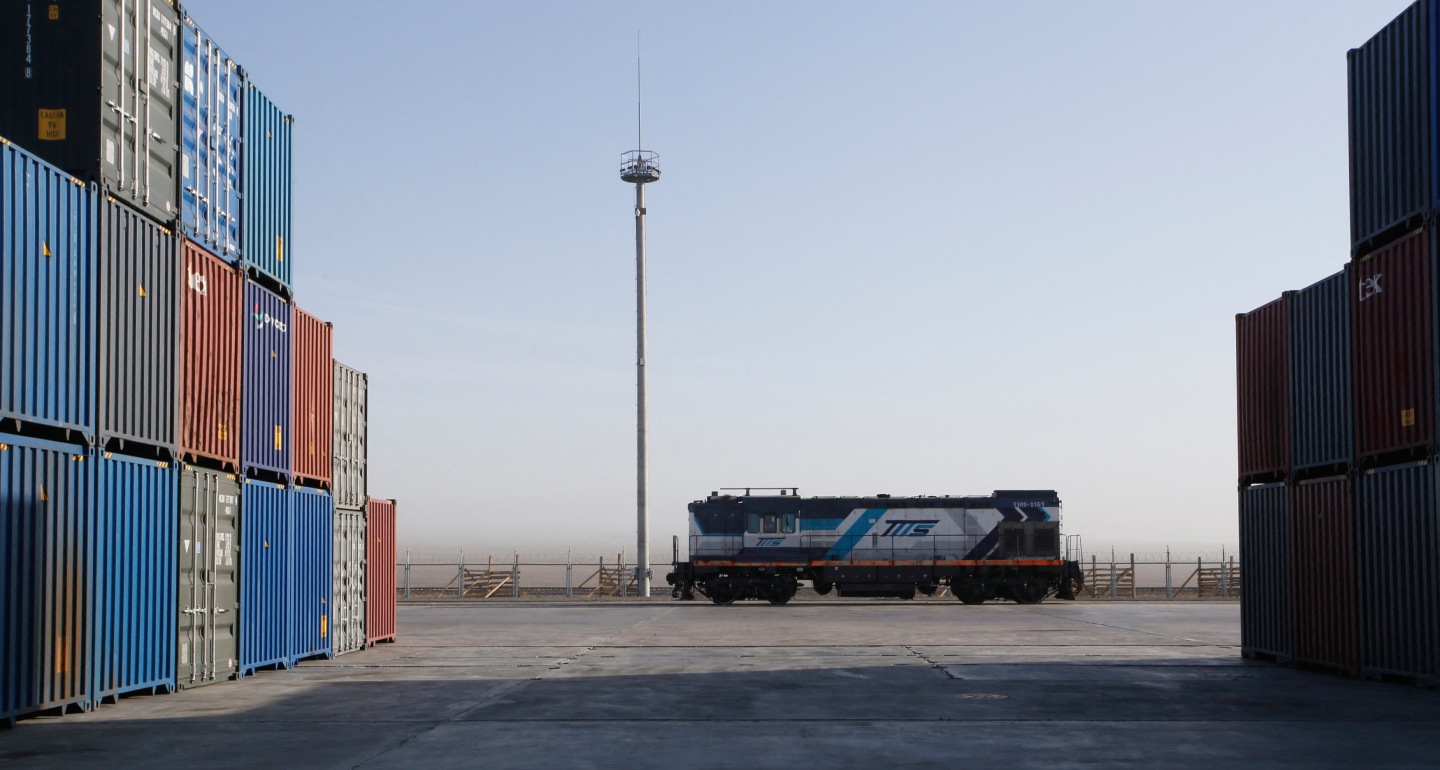
This year’s wars have made alternative routes to transit through Russia no less risky for Central Asian countries.

Galiya Ibragimova
Reestablishing a dialogue with Moscow is not a goal in its own right. The goal is to guarantee the independence of Ukraine and the peace and security of Europe.
Arkady Moshes