• Research
  • Politika
  • About
Carnegie Russia Eurasia center logoCarnegie lettermark logo
  • Donate
{
  "authors": [
    "Tang Xiaoyang"
  ],
  "type": "questionAnswer",
  "centerAffiliationAll": "",
  "centers": [
    "Carnegie Endowment for International Peace",
    "Carnegie China"
  ],
  "collections": [
    "China and the Developing World"
  ],
  "englishNewsletterAll": "",
  "nonEnglishNewsletterAll": "",
  "primaryCenter": "Carnegie Endowment for International Peace",
  "programAffiliation": "",
  "programs": [],
  "projects": [],
  "regions": [],
  "topics": []
}

Source: Getty

Q&A

China’s Investment in Africa

China is Africa’s largest trading partner and Beijing’s influence is expanding across the continent.

Link Copied
By Tang Xiaoyang
Published on Apr 30, 2013


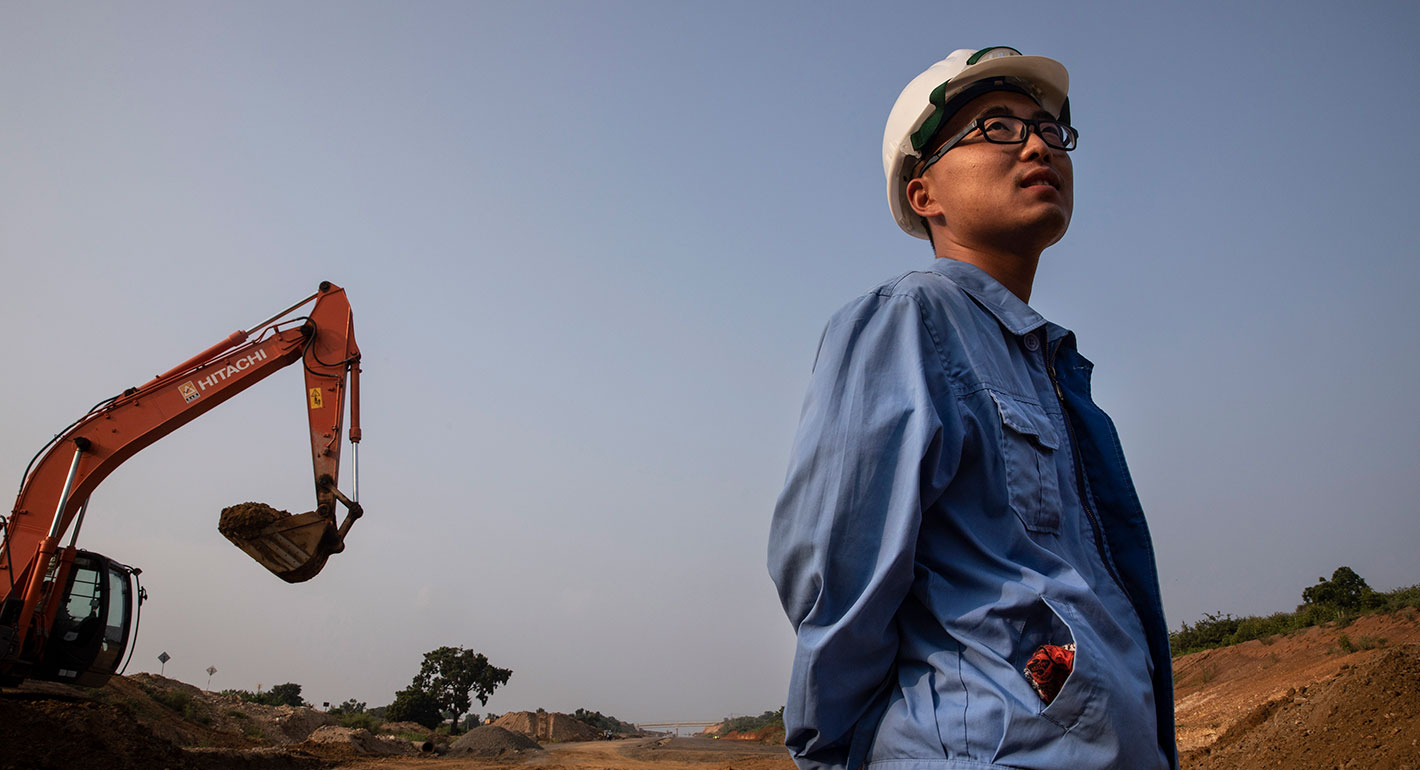
China is Africa’s largest trading partner and Beijing’s influence is expanding across the continent. In a Q&A, Tang Xiaoyang analyzes China’s growing engagement in Africa, including its development aid, trade, and investment. China’s arrival brings many positives for African countries with the construction of new infrastructure and creation of new jobs, but some local businessmen face stiffer competition from Chinese companies.

And Beijing’s expanding presence impacts the United States. While China and the United States are competing over natural resources, they are also cooperating on development aid and manufacturing as they share similar interests.
 

About the Author

Tang Xiaoyang

Former Resident Scholar and Deputy Director, Carnegie-Tsinghua Center; Chair and Professor, Department of International Relations, Tsinghua University

Tang Xiaoyang is the chair and a professor in the Department of International Relations at Tsinghua University. He was a resident scholar and the deputy director at the Carnegie-Tsinghua Center until June 2020.

Tang Xiaoyang
Former Resident Scholar and Deputy Director, Carnegie-Tsinghua Center; Chair and Professor, Department of International Relations, Tsinghua University
Tang Xiaoyang

Carnegie does not take institutional positions on public policy issues; the views represented herein are those of the author(s) and do not necessarily reflect the views of Carnegie, its staff, or its trustees.

More Work from Carnegie Russia Eurasia Center

  • Commentary
    How Are Various Countries Responding to China’s Belt and Road Initiative?

    Pitched as a new Silk Road sweeping from Asia to Europe, China’s enormous Belt and Road Initiative is an ambitious, multinational infrastructure project. Experts from four Carnegie global centers explain other countries’ perspectives.

      • Alexander Gabuev
      • +4

      Paul Haenle, Dmitri Trenin, Alexander Gabuev, …

  • Article
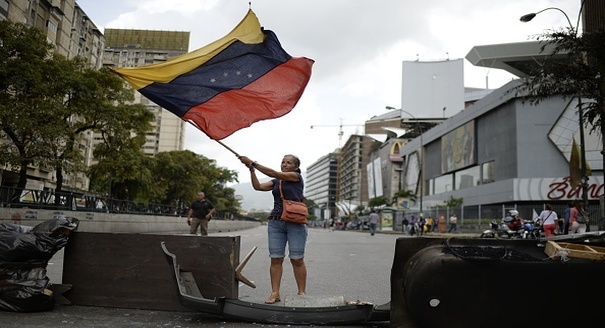
    Can China Help Fix Venezuela?

    Beijing’s role and response to the current economic crisis engulfing Venezuela needs to be further examined, particularly in light of China’s loans-for-oil relationship with the developing nation.

      Matt Ferchen

  • Commentary
    How China Is Using Its Economic Goals to Assert Its Global Influence

    China maintains that its Belt and Road Initiative is an economic initiative that will benefit Southeast Asia, but more transparency is needed if its projects are to succeed in the region.

      Matt Ferchen

  • Commentary
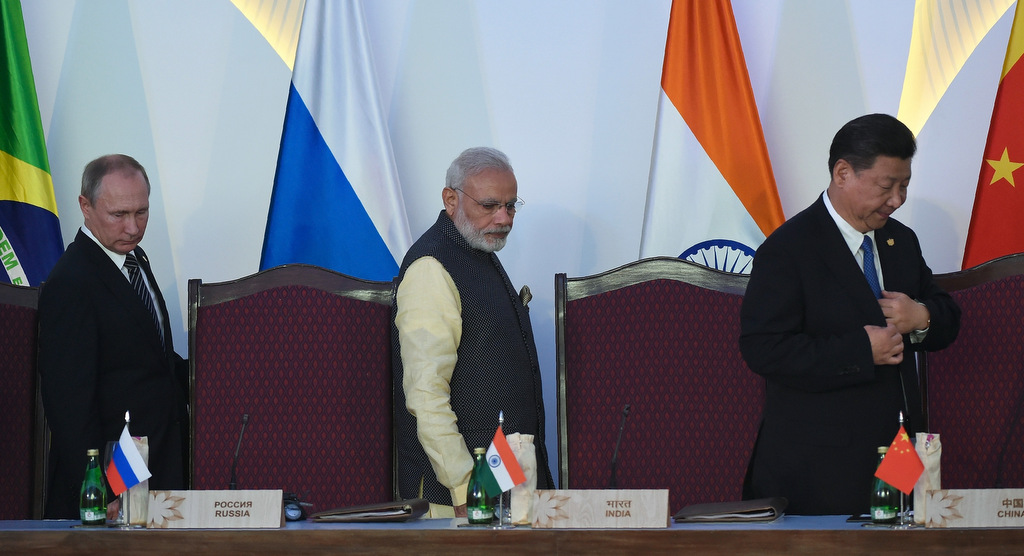
    New Triangular Diplomacy Emerges Amid Changing Global Political Landscape

    Rather than forging an alliance against the third corner of the triangle, China and Russia should join forces in building a new regional system at the time when the global order is in transition.

      Dmitri Trenin

  • Paper
    China, Economic Development, and Global Security: Bridging the Gaps

    Whether the growing size and global interdependence of China’s economy is translating into greater Chinese geopolitical influence is one of the most important questions of the twenty-first century.

      Matt Ferchen

Get more news and analysis from
Carnegie Russia Eurasia Center
Carnegie Russia Eurasia logo, white
  • Research
  • Politika
  • About
  • Experts
  • Events
  • Contact
  • Privacy
Get more news and analysis from
Carnegie Russia Eurasia Center
© 2026 Carnegie Endowment for International Peace. All rights reserved.