

Q&A
Suzanne Maloney, Aaron David Miller, Karim Sadjadpour
{
  "authors": [
    "Karim Sadjadpour"
  ],
  "type": "legacyinthemedia",
  "centerAffiliationAll": "dc",
  "centers": [
    "Carnegie Endowment for International Peace",
    "Malcolm H. Kerr Carnegie Middle East Center"
  ],
  "collections": [
    "Iranian Proliferation"
  ],
  "englishNewsletterAll": "menaTransitions",
  "nonEnglishNewsletterAll": "",
  "primaryCenter": "Carnegie Endowment for International Peace",
  "programAffiliation": "MEP",
  "programs": [
    "Middle East"
  ],
  "projects": [],
  "regions": [
    "United States",
    "Middle East",
    "Iran"
  ],
  "topics": [
    "Nuclear Policy",
    "Foreign Policy"
  ]
}
Source: Getty
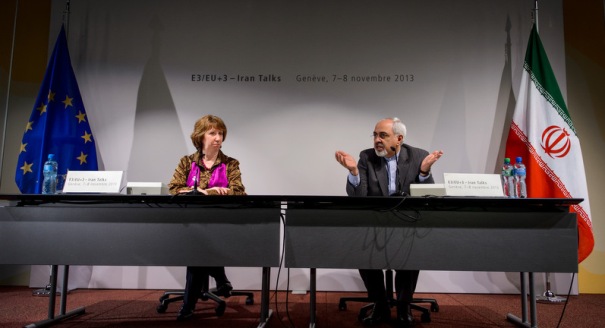
While the Iran nuclear deal offers a potential nuclear détente, the United States and Iran are not on the verge of a rapprochement just yet.
Source: CNN
The Iran nuclear deal is not a moment for euphoria but a moment for cautious optimism, said Carnegie’s Karim Sadjapour on CNN. While the deal provides minor sanctions relief and unfreezes about 10 billion dollars’ worth of Iranian assets, the reality is that if six months from now Iran decides to renege on some of the agreements, the sanctions will remain intact. “If it took marathon diplomacy to reach only an interim deal, to reach a final resolution to this conflict, it’s going to resemble an ultra-marathon through mine fields,” Sadjapour explained. “It’s going to be very difficult to reach a final resolution.”
“We have to have realistic expectations about what this deal is. The United States and Iran are not going to be allies tomorrow. The United States, Saudi Arabia, and Israel are going to remain allies,” Sadjapour noted. “This is very much potential nuclear détente. We are not on the verge of a U.S.-Iran rapprochement.”

Senior Fellow, Middle East Program
Karim Sadjadpour is a senior fellow at the Carnegie Endowment for International Peace, where he focuses on Iran and U.S. foreign policy toward the Middle East.
Recent Work


Suzanne Maloney, Aaron David Miller, Karim Sadjadpour

Aaron David Miller, Karim Sadjadpour, Robin Wright
Carnegie does not take institutional positions on public policy issues; the views represented herein are those of the author(s) and do not necessarily reflect the views of Carnegie, its staff, or its trustees.
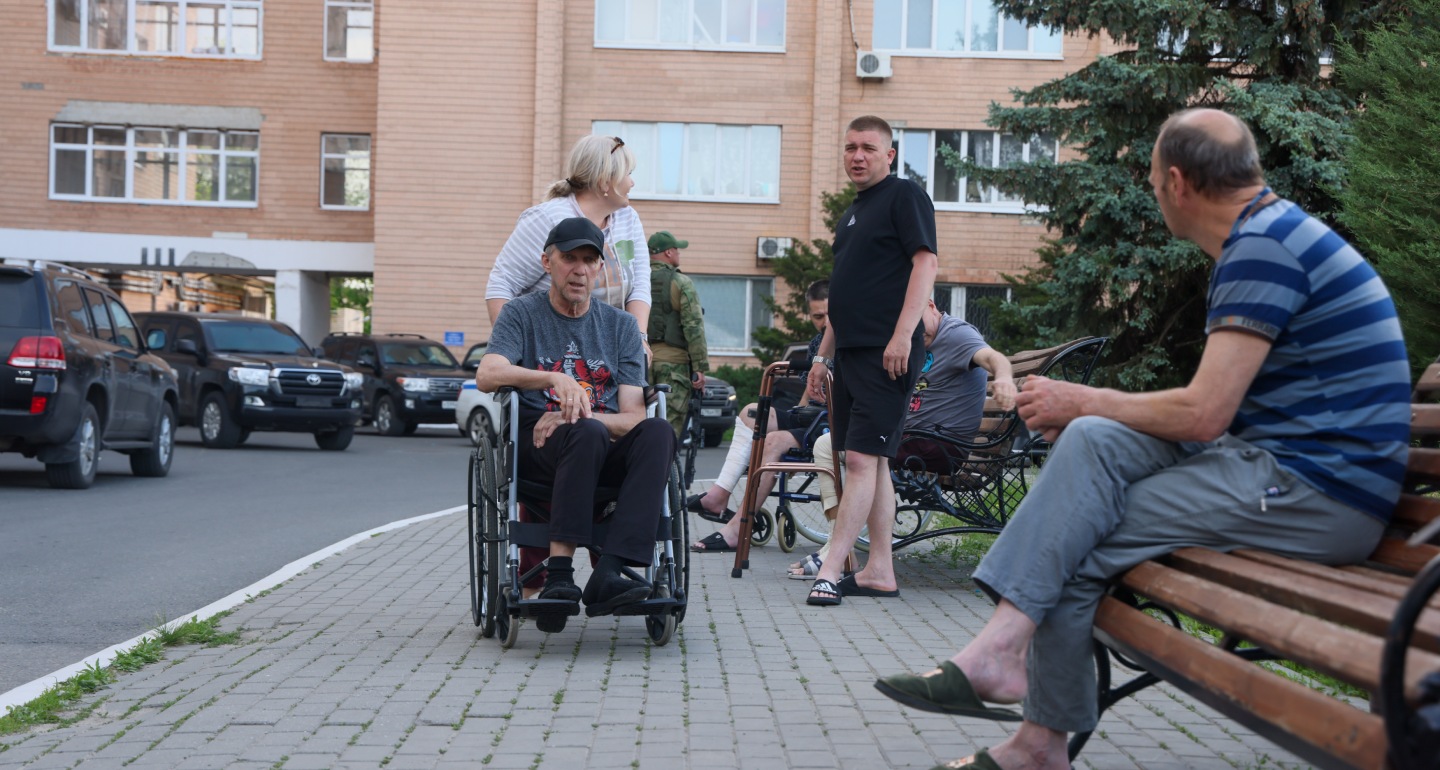
Despite unhappiness on the ground, Moscow is determined to use both carrot and stick to ensure there is record support for United Russia in occupied Ukraine.

Konstantin Skorkin
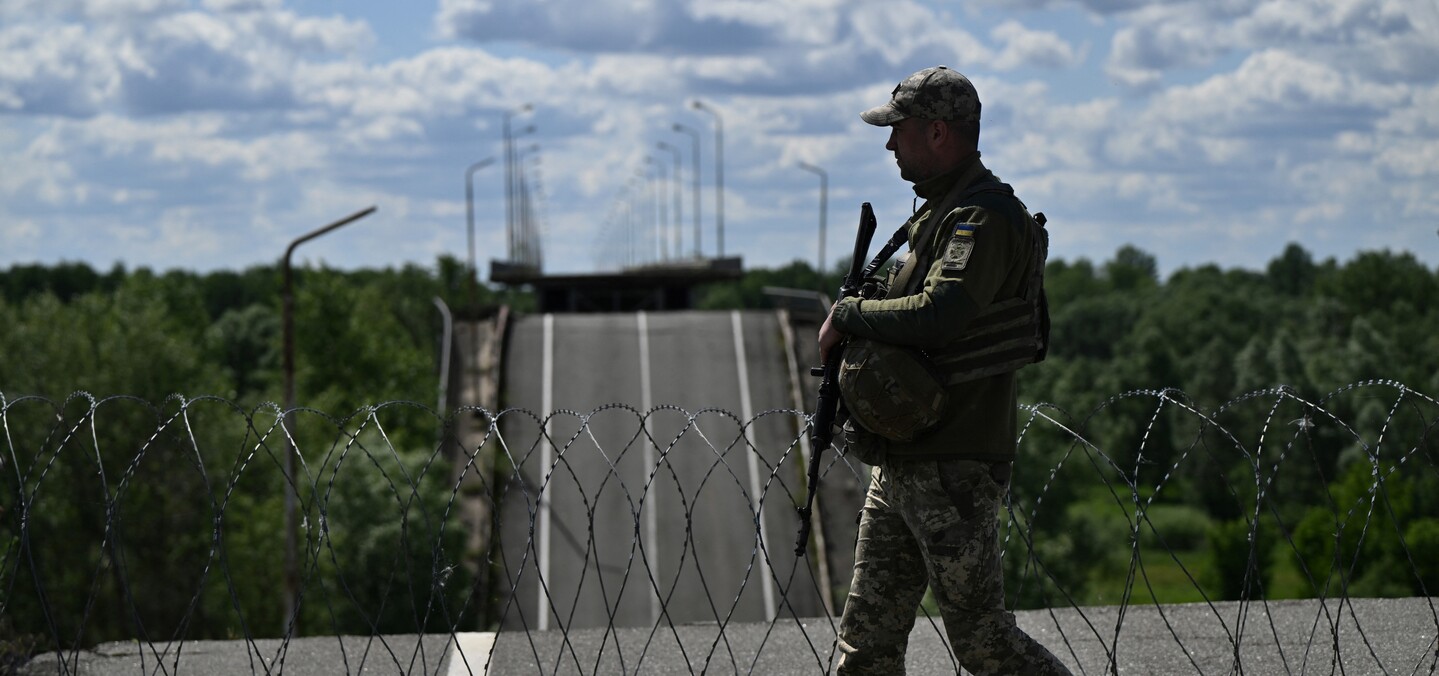
The recent damage inflicted by Ukrainian drones and missiles on Russia has made Belarus aware of its own vulnerabilities—and surprisingly amenable to Kyiv’s demands.

Artyom Shraibman
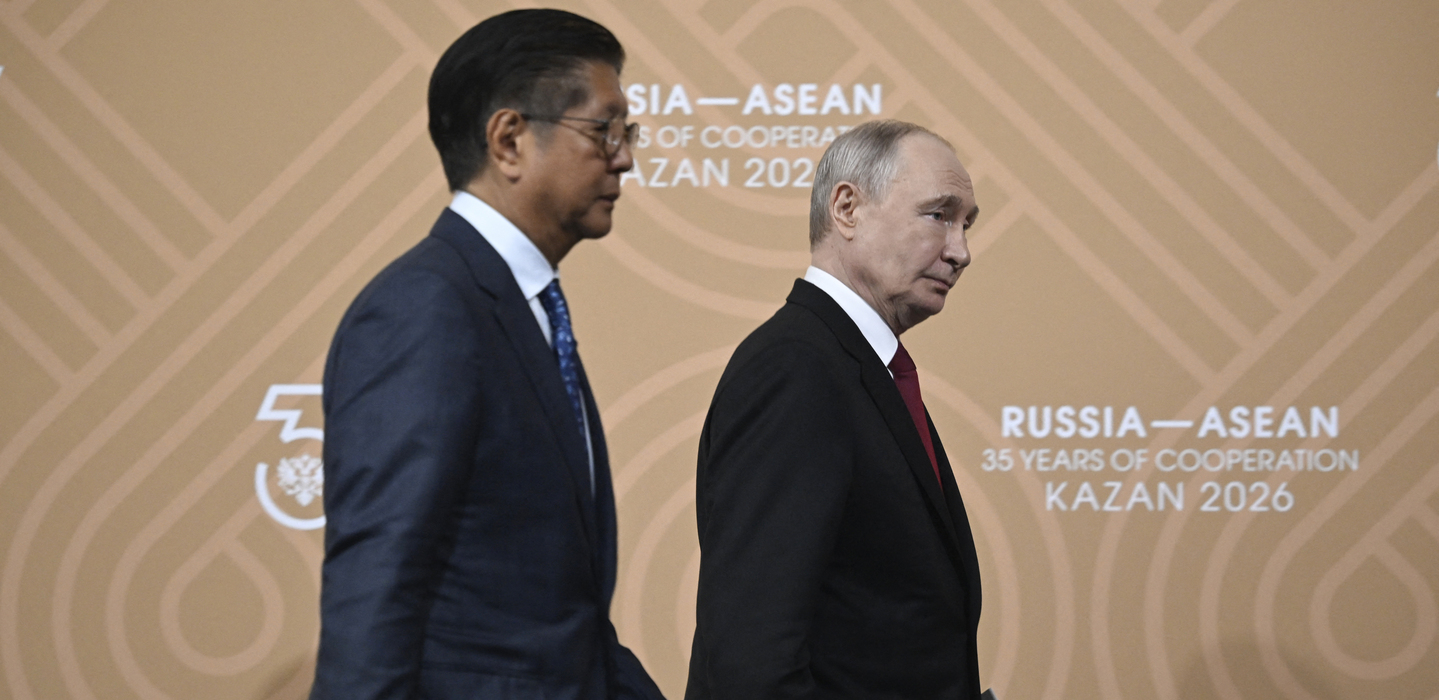
Russia looks set to reap economic benefits from closer ties with Southeast Asian countries that are keen to find reliable energy suppliers and diversify trade ties.

Alexander Gabuev
Ongoing uncertainty in the Middle East allows Moscow to both increase its influence in Tehran and continue to enjoy the financial windfall of higher oil prices.

Nikita Smagin
This year’s wars have made alternative routes to transit through Russia no less risky for Central Asian countries.

Galiya Ibragimova