

Commentary
Dmitri Trenin
{
  "authors": [
    "Dmitri Trenin"
  ],
  "type": "commentary",
  "centerAffiliationAll": "",
  "centers": [
    "Carnegie Endowment for International Peace",
    "Carnegie Russia Eurasia Center"
  ],
  "collections": [],
  "englishNewsletterAll": "",
  "nonEnglishNewsletterAll": "",
  "primaryCenter": "Carnegie Russia Eurasia Center",
  "programAffiliation": "",
  "programs": [],
  "projects": [],
  "regions": [
    "Russia"
  ],
  "topics": [
    "Security"
  ]
}
Source: Getty
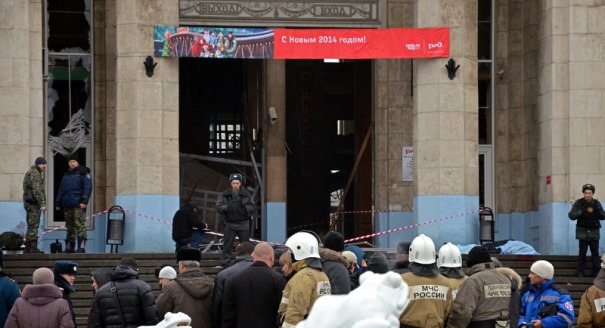
The war the terrorists are waging against Russia is for real, and their threats are not empty. Sochi is probably highest on the terrorists’ hit list, and Moscow is another prime target. However, for the time being, the terrorists have focused on some of the softer targets in the south of Russia.
On Sunday and Monday, suicide bombers struck again in Volgograd. The last time they hit the city on the Volga, last October, they managed to kill six. The grim total of the recent attacks is at least five times as high.
Add the car bombing in Pyatigorsk, where three people died on Friday.
The war the terrorists are waging against Russia is for real, and their threats are not empty. The immediate timing of the blasts is meant to spoil the nation’s New Year’s celebrations, traditionally the height of the festive season in Russia. There is also a clear link to the Winter Olympics, due to begin in Sochi on February 7.
Sochi is probably highest on the terrorists’ hit list. Moscow is another prime target. Disrupting the Games and wreaking havoc in the capital would greatly undermine Russia’s prestige, precisely what the terrorists want.
For the time being, and maybe in preparation for bigger strikes, the terrorists have focused on some of the softer targets in the south of Russia. Soft, but not unimportant. Volgograd, formerly Stalingrad, a symbol of Russia's tragedy and triumph in World War II, has been singled out by the terrorists precisely because of its status in people's minds. Their aim was to hurt Russia’s pride, as well as its people.
As the terrorists kill and maim dozens, their larger aim to terrorize so many others—including those outside Russia, hoping that they will now stay away from the Olympics.
It looks like it will be difficult and trying few weeks, but the trials will not end next February. The Sochi Games will come and go—with the level of security hopefully permitting a safe Olympics—but the war the terrorists are waging against Russia will continue. Be ready for the long haul, but eventually terror will fail.
Former Director, Carnegie Moscow Center
Trenin was director of the Carnegie Moscow Center from 2008 to early 2022.
Recent Work
Dmitri Trenin
Dmitri Trenin

Depleted financial reserves and a shrinking tax base mean it is no longer possible to simultaneously deliver high defense spending, price stability, and economic growth.

Alexandra Prokopenko
Blurring the line between humans and animals is a long-standing tradition in social utopian prose. In his latest novel, Leonid Bershidsky reminds us that in social experiments, people are often treated no differently than animals.

Alexander Baunov
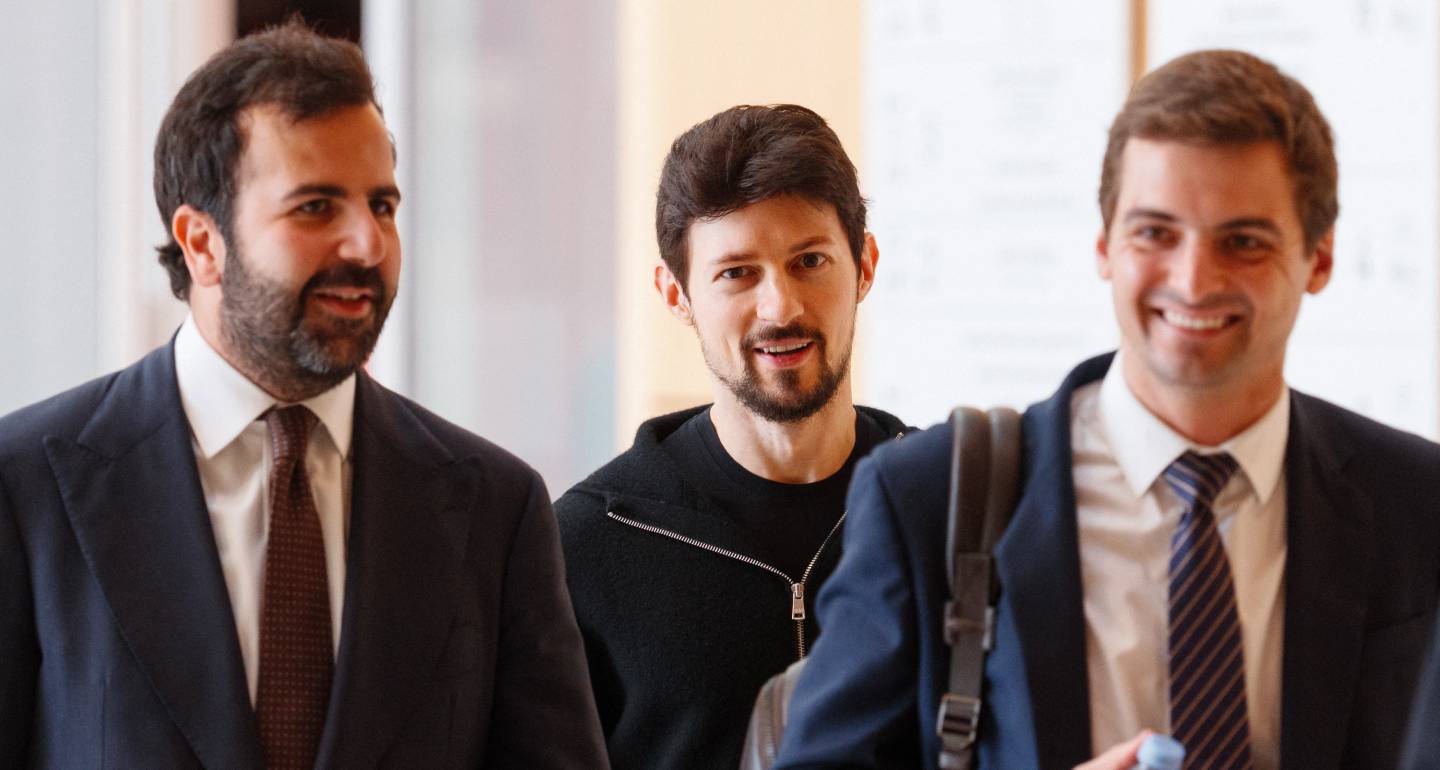
While France and Australia are seeking to establish the legal obligations of messaging apps like Telegram, Russia wants total subordination.

Maria Kolomychenko
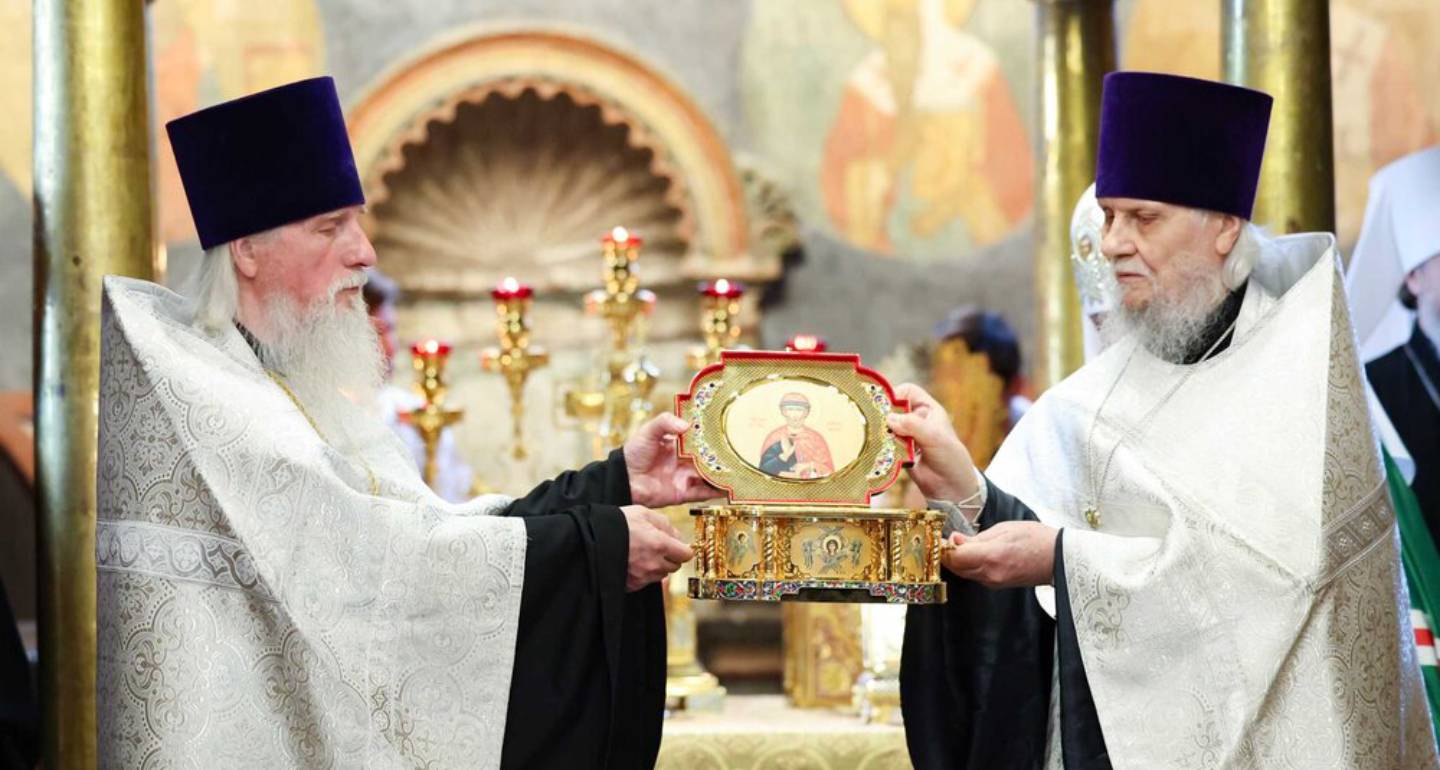
The recent uncovering of Dmitry Donskoy’s relics in the Cathedral of the Archangel is yet another attempt by the Russian Orthodox Church to help the state solve its problems. However, parroting the state’s version of Russian history leaves the Church with no message except “patriotism.”
Alexander Zanemonets

With the growth in points of friction between the great powers, organizations like the SCO will continue to play a role in the strategic adaptation of the smaller powers caught between them.

Temur Umarov