

Research
- +11
Frances Z. Brown, Nate Reynolds, Priyal Singh, …
{
  "authors": [
    "Andrew S. Weiss"
  ],
  "type": "legacyinthemedia",
  "centerAffiliationAll": "dc",
  "centers": [
    "Carnegie Endowment for International Peace"
  ],
  "collections": [],
  "englishNewsletterAll": "ctw",
  "nonEnglishNewsletterAll": "",
  "primaryCenter": "Carnegie Endowment for International Peace",
  "programAffiliation": "russia",
  "programs": [
    "Russia and Eurasia"
  ],
  "projects": [],
  "regions": [
    "Russia"
  ],
  "topics": []
}
Source: Getty
American perceptions of Russia differ greatly from the reality in the country and the changes that have occurred since the collapse of the Soviet Union.
Source: MSNBC’s Weekends With Alex Witt
Speaking with MSNBC’s Alex Witt, Carnegie’s Andrew Weiss explained that the corruption in Sochi can largely be attributed to the “Klondike”-like atmosphere tied with a such a major development project. “Anyone who could get one of this construction contracts, anyone whose relatives could get involved in the construction projects seized on that opportunity,” he said. At the same time, Weiss emphasized that American perceptions of Russia differ greatly from the reality in the country and the changes that have occurred since the collapse of the Soviet Union. There are still serious problems in Russia, but many people still have a “frozen in time” image of the country that is not accurate. “It’s amazing Russia has $50 billion to spend on an Olympics at the moment,” Weiss said. “That’s not something that any of the people in the field would have anticipated ten year [or] twenty years ago.”
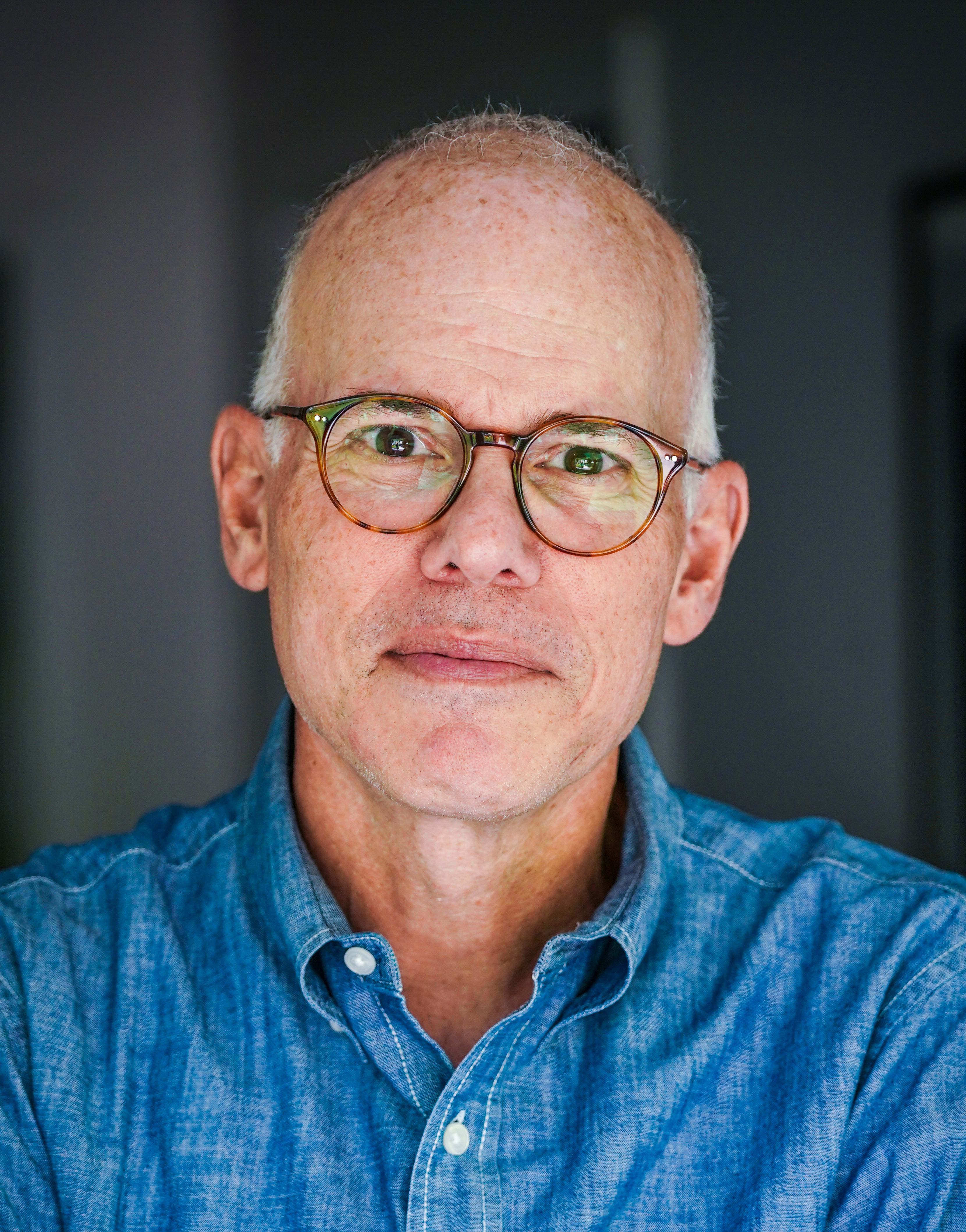
James Family Chair, Vice President for Studies
Andrew S. Weiss is the James Family Chair and vice president for studies at the Carnegie Endowment for International Peace, where he oversees research on Russia, Ukraine, and Eurasia. His graphic novel biography of Vladimir Putin, Accidental Czar: the Life and Lies of Vladimir Putin, was published by First Second/Macmillan in 2022.
Recent Work

Frances Z. Brown, Nate Reynolds, Priyal Singh, …

James M. Acton, Saskia Brechenmacher, Cecily Brewer, …
Carnegie does not take institutional positions on public policy issues; the views represented herein are those of the author(s) and do not necessarily reflect the views of Carnegie, its staff, or its trustees.
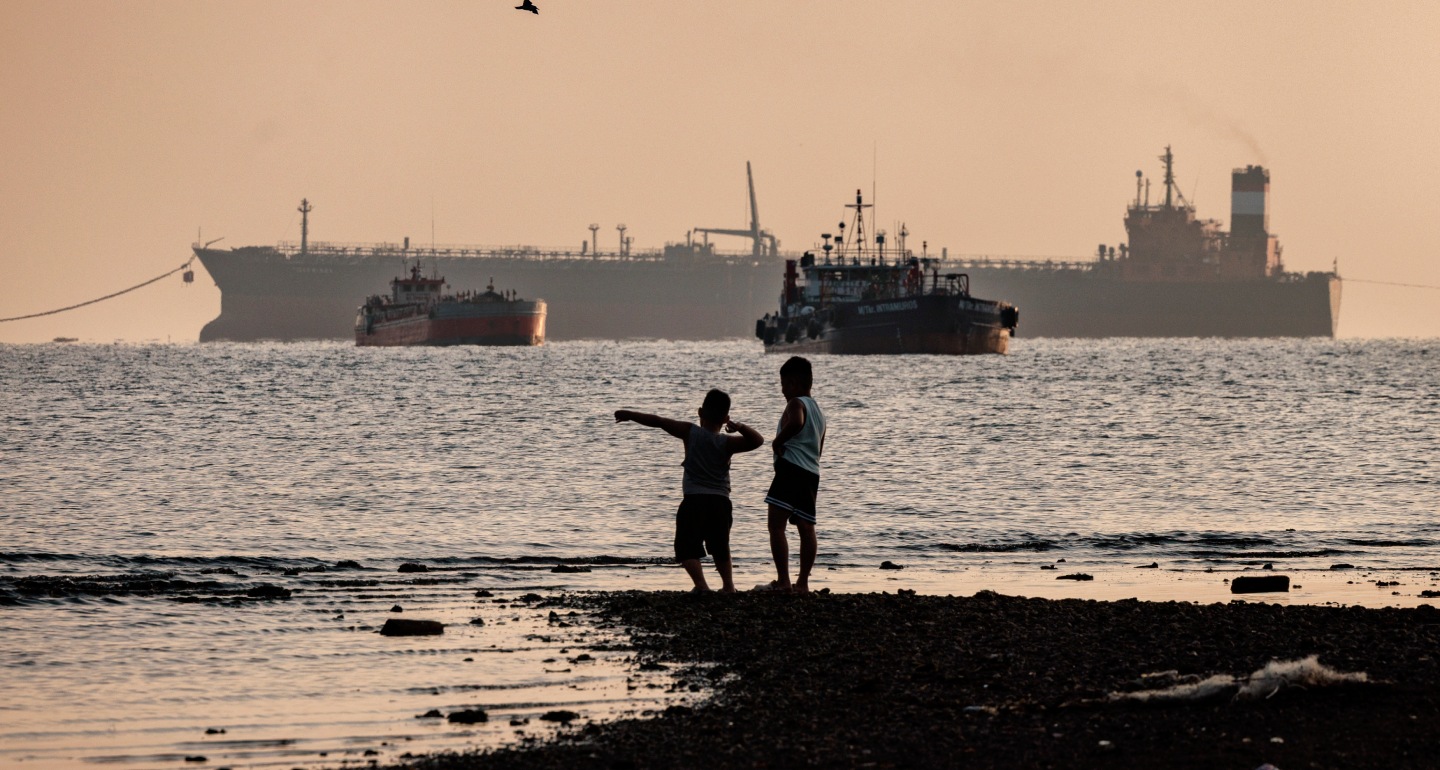
Although Ukrainian strikes have led to a noticeable decline in the physical volume of Russian oil exports, the rise in prices has more than made up for it.

Sergey Vakulenko
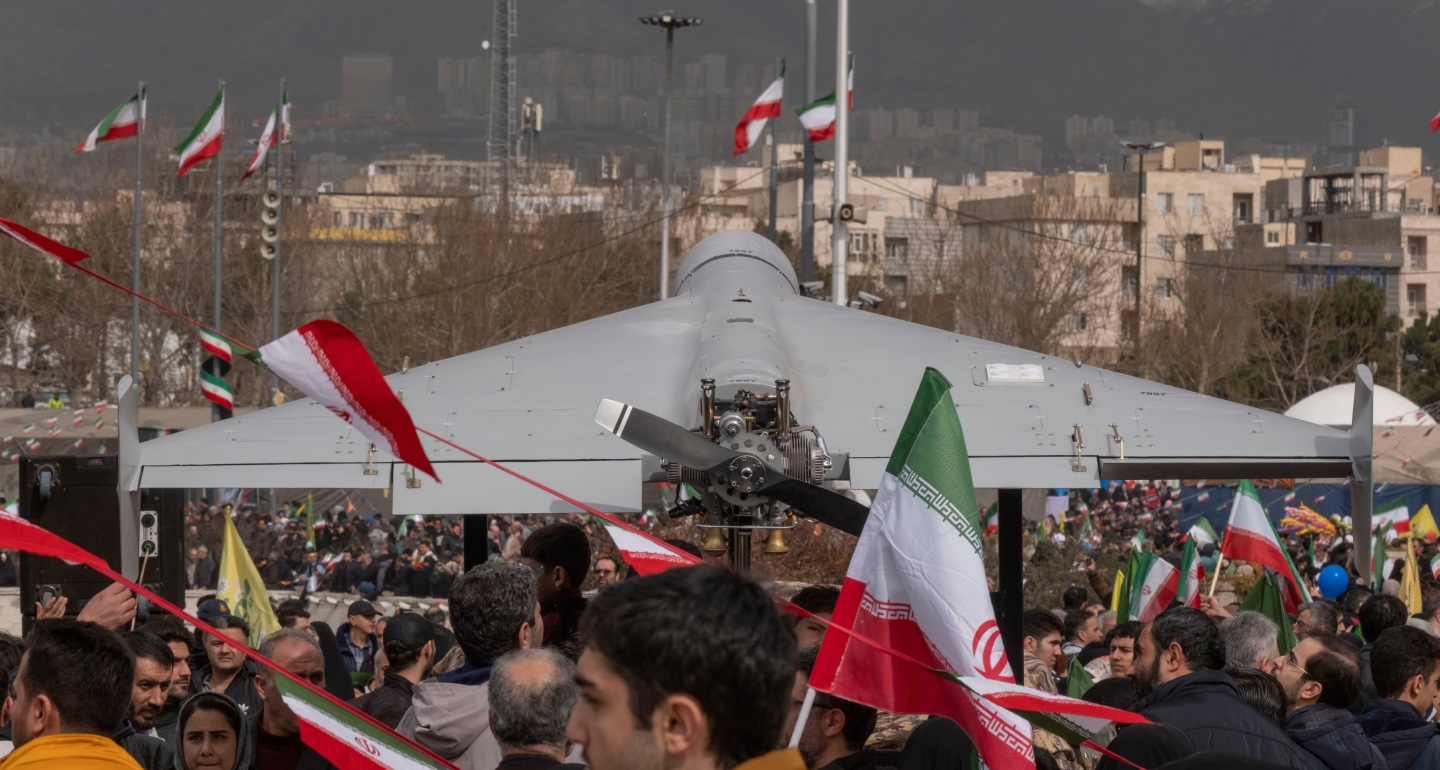
The Russian leadership wants to avoid a dangerous precedent in which it is squeezed out of Iran by the United States and Israel—and left powerless to respond in any meaningful way.

Nikita Smagin
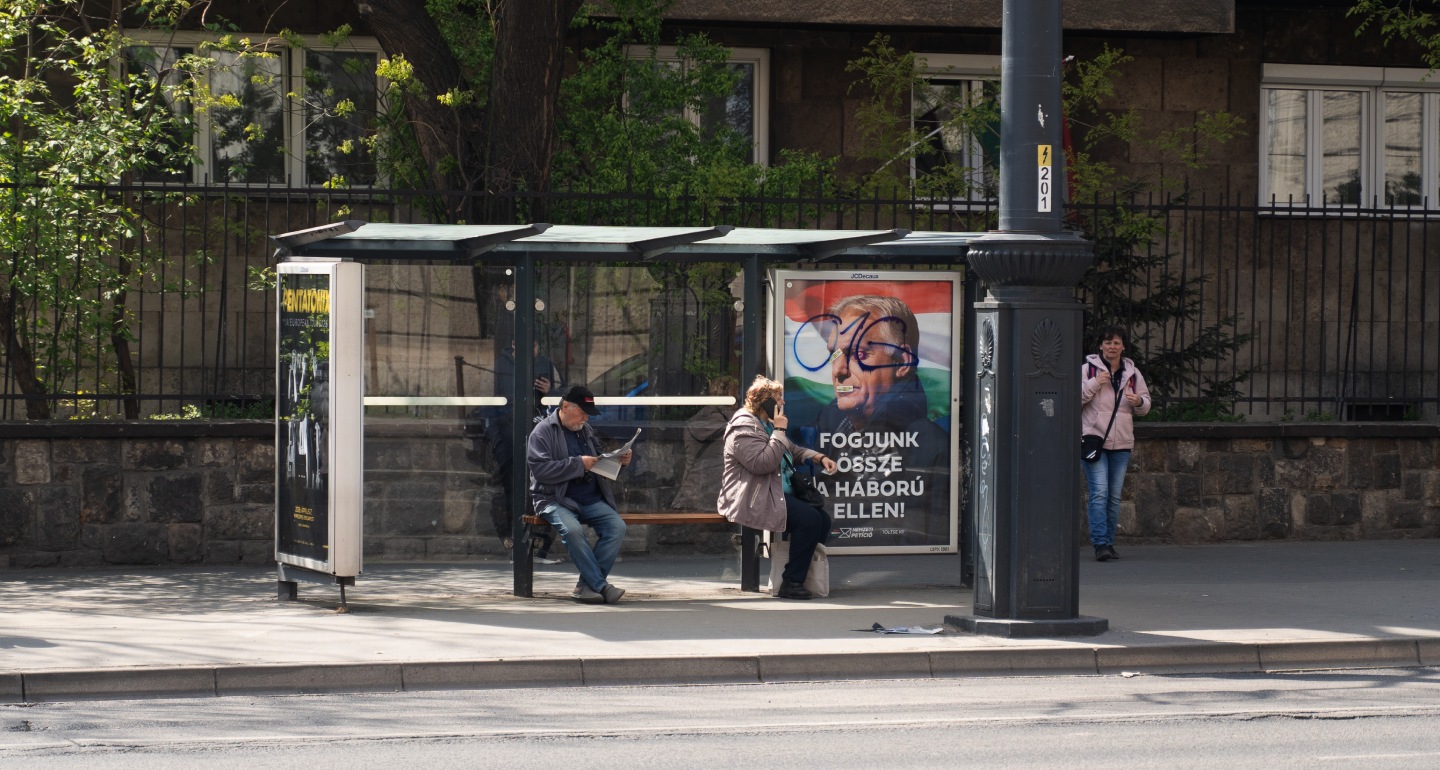
Orbán created an image for himself as virtually the only opponent of aid to Ukraine in the entire EU. But in reality, he was simply willing to use his veto to absorb all the backlash, allowing other opponents to remain in the shadows.
Maksim Samorukov
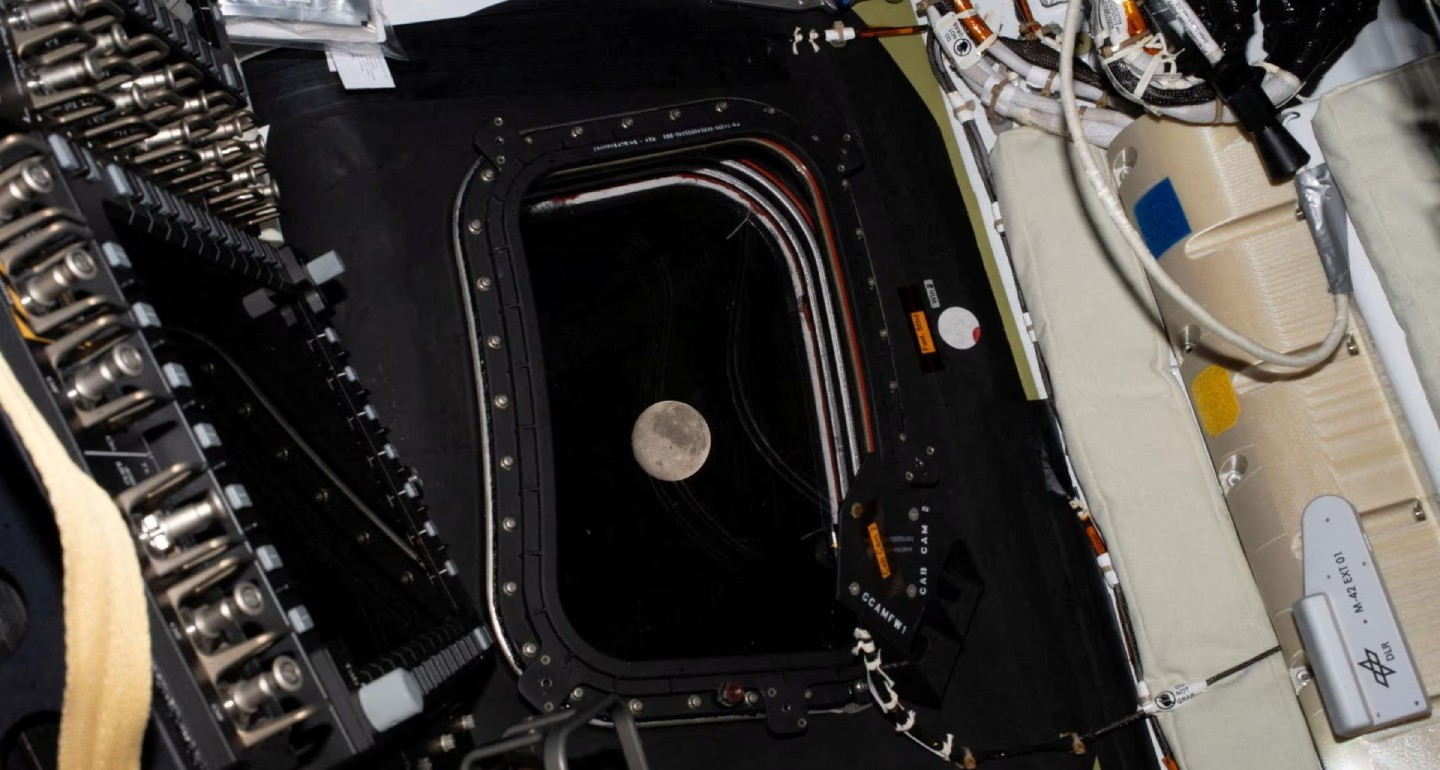
Despite having the resources and expertise, the Russian space industry missed the opportunity to offer the United States or China a mutually rewarding partnership in the lunar race.
Georgy Trishkin
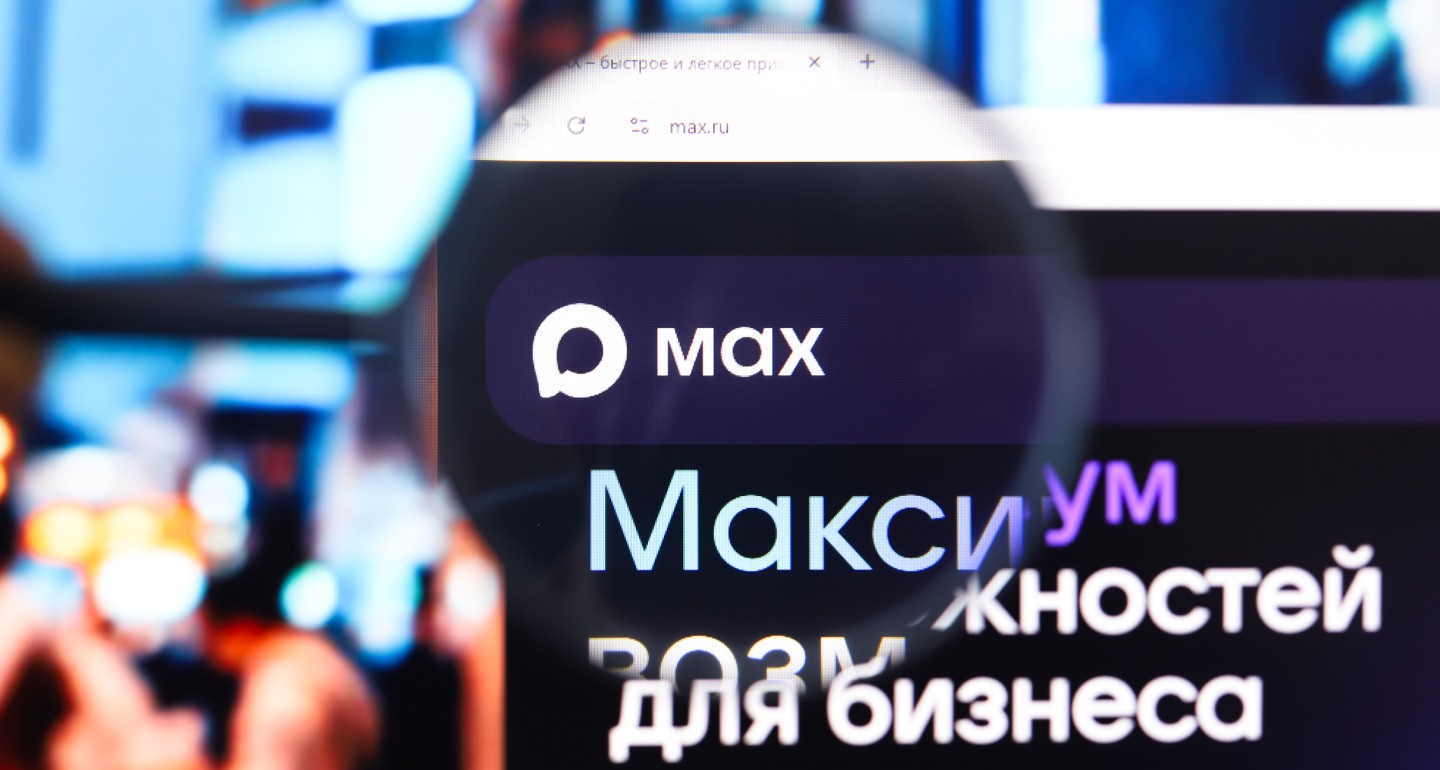
The internet is awash not only with instructions from digital security experts, but also with urban legends and conspiracy theories that divert attention away from the real dangers of Max.
David Frenkel