

Other
Political Violence Researchers, Rachel Kleinfeld, ed., Dalya Berkowitz, ed.
{
  "authors": [
    "Rachel Kleinfeld"
  ],
  "type": "other",
  "centerAffiliationAll": "dc",
  "centers": [
    "Carnegie Endowment for International Peace"
  ],
  "collections": [],
  "englishNewsletterAll": "democracy",
  "nonEnglishNewsletterAll": "",
  "primaryCenter": "Carnegie Endowment for International Peace",
  "programAffiliation": "DCG",
  "programs": [
    "Democracy, Conflict, and Governance"
  ],
  "projects": [],
  "regions": [],
  "topics": [
    "Democracy"
  ]
}
Source: Getty
Much the existing empirical work fails to understand how countries can move toward some portion of the rule of law.
Source: Rule of Law Research Consortium Conference Panel
At the Rule of Law Research Consortium (RLRC) Conference held in Chicago by the World Justice Project in partnership with the University of Chicago School of Law, Rachel Kleinfled talked about her forthcoming book that will look at what works in terms of enhancing rule of law in weak democracies. She argued that people know extraordinarily little in terms of what works from an endogenous perspective, and that most of the existing empirical work fails to understand the how behind countries moving toward some portion of the rule of law. Her book attempts to understand how weak democracies establish functional institutions serving publicly-stated purposes in order to provide legitimate control against state and non-state crime and violence.
This presentation was originally posted on the World Justice Project website.

Senior Fellow, Democracy, Conflict, and Governance Program
Rachel Kleinfeld is a senior fellow in Carnegie’s Democracy, Conflict, and Governance Program, where she focuses on issues of rule of law, security, and governance in democracies experiencing polarization, violence, and other governance problems.
Recent Work
Political Violence Researchers, Rachel Kleinfeld, ed., Dalya Berkowitz, ed.
Rachel Kleinfeld
Carnegie does not take institutional positions on public policy issues; the views represented herein are those of the author(s) and do not necessarily reflect the views of Carnegie, its staff, or its trustees.
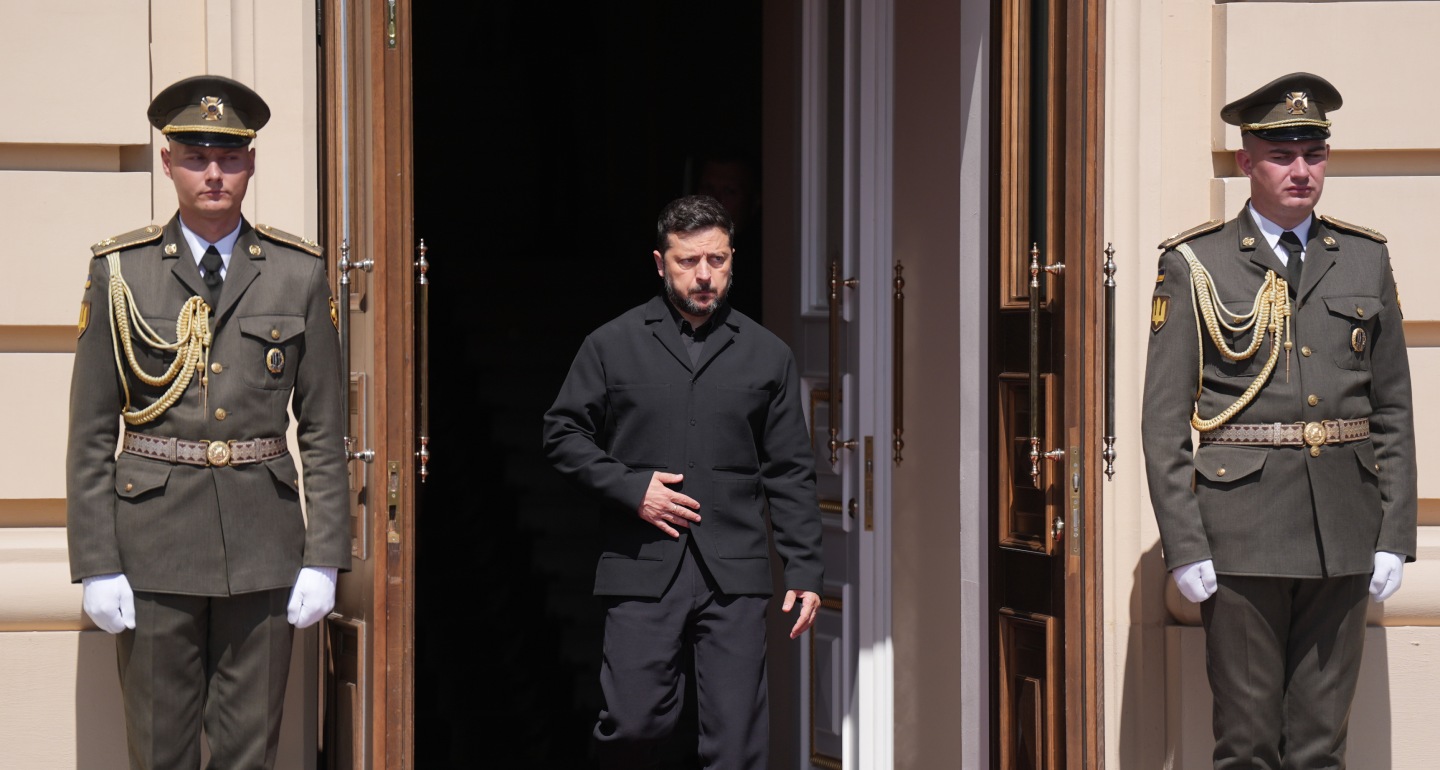
Ultimately, Zelensky sided neither with the reform camp nor with the military establishment as such, but with political control.

Balázs Jarábik

By adopting the law on foreign agents, the ruling Georgian Dream party is inviting Russia and the West to compete for Tbilisi’s favor.

Vladimir Solovyov
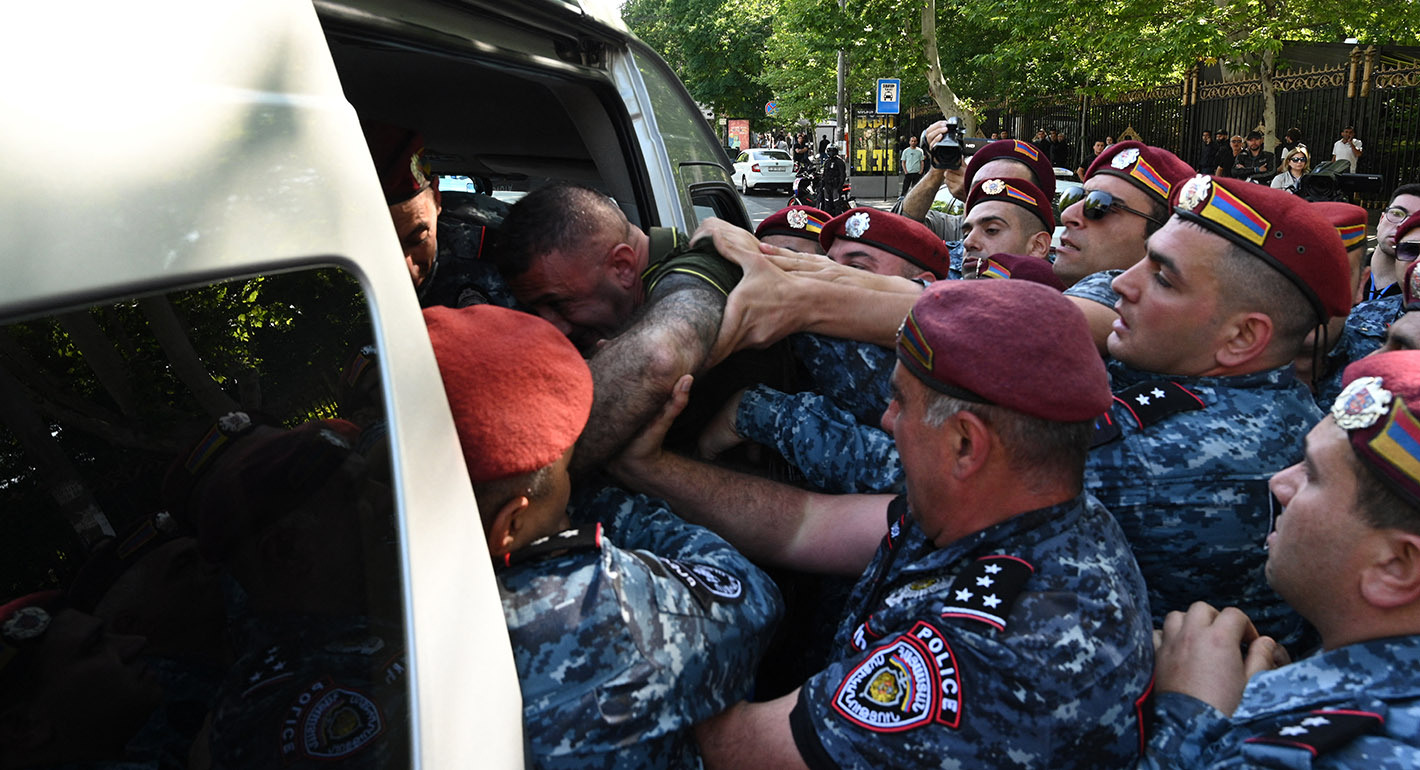
Armenia’s Nikol Pashinyan is known as a political survivor, but the current unrest—led by a clergyman—is his biggest domestic political challenge yet.

Alexander Atasuntsev
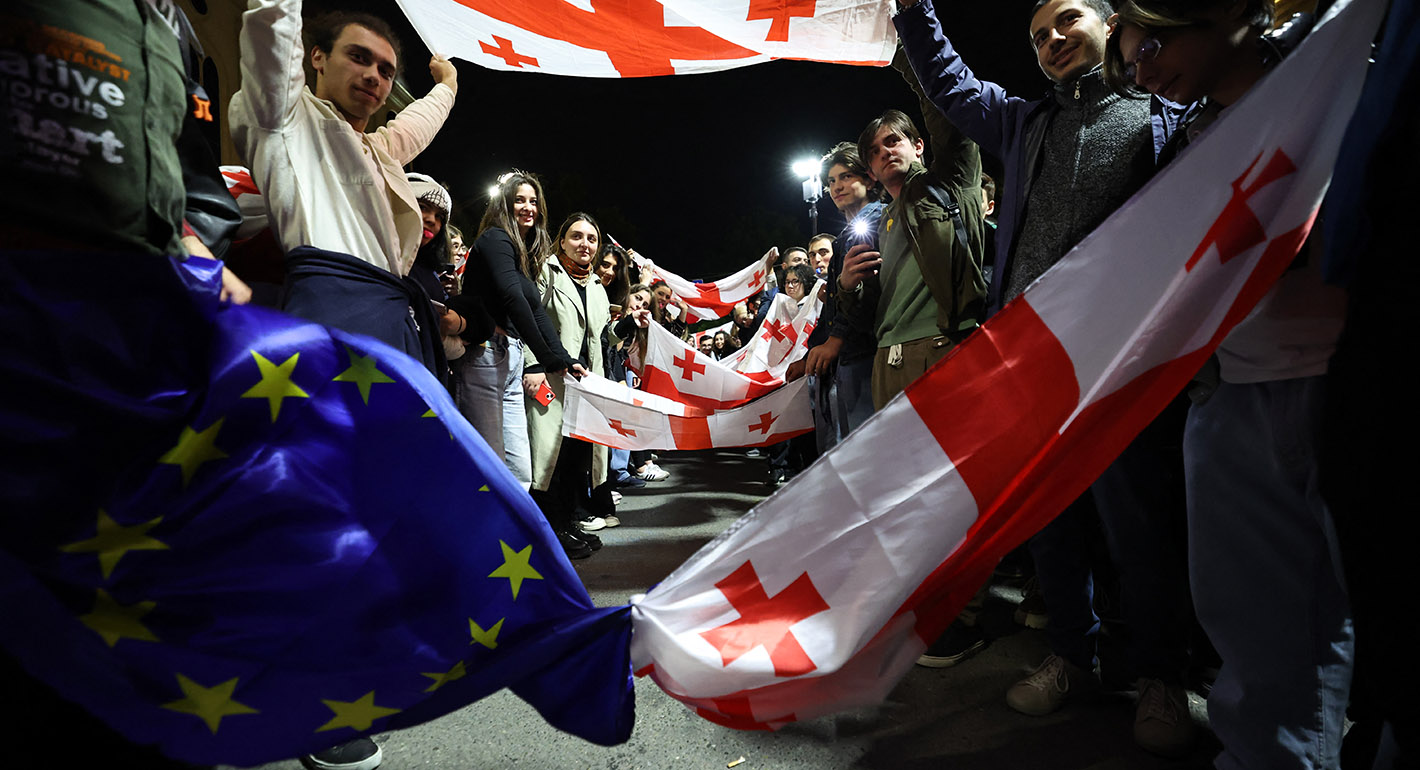
Passage of the controversial bill may drive a wedge between Tbilisi and Brussels and pave the way for a rapprochement with Russia.
Emil Avdaliani
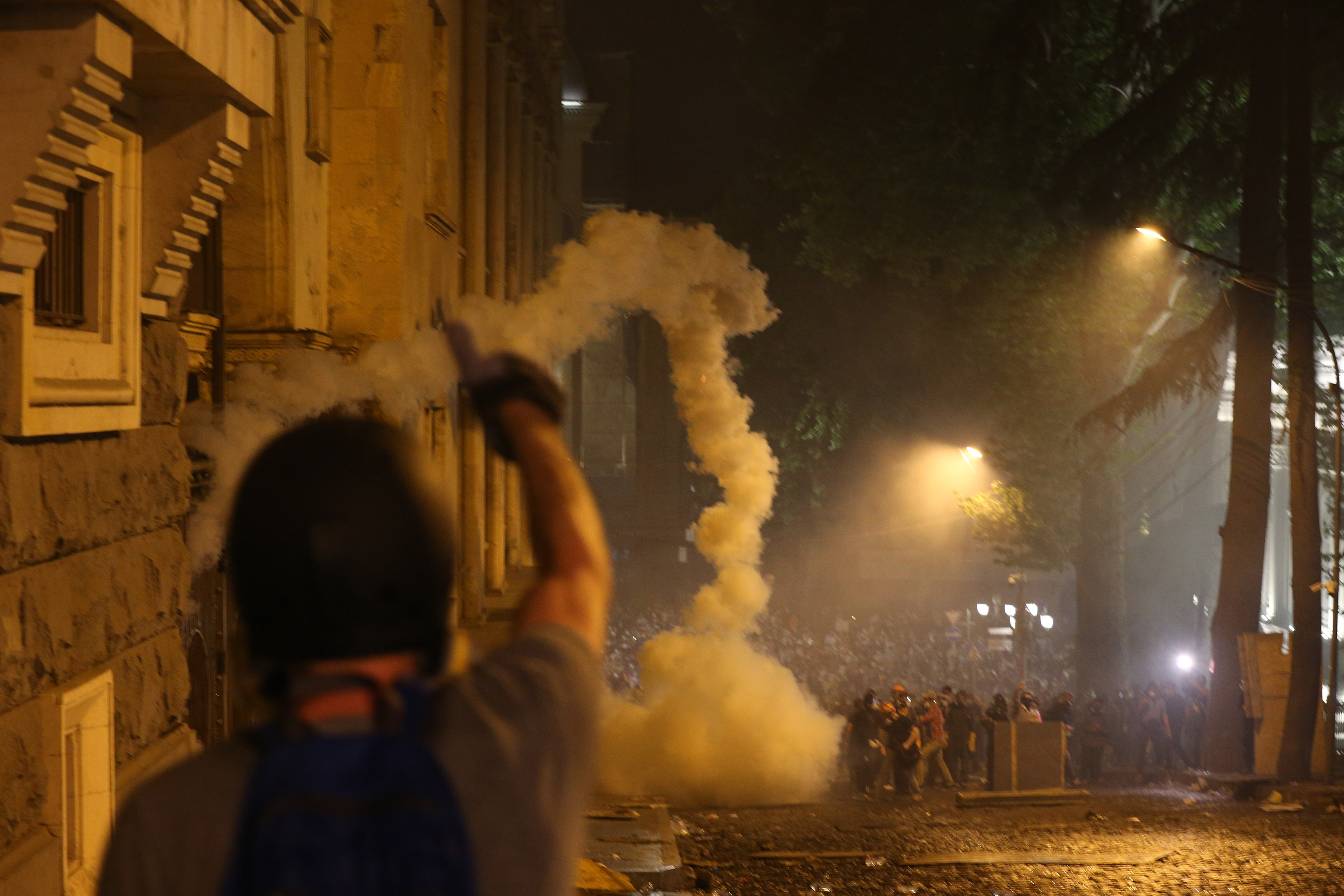
Georgian Dream, which until recently looked certain to win another victory in this year’s elections, now risks repeating last year’s mistake—only this time, the stakes are higher.
Alexander Atasuntsev