

In The Media
Vikram Nehru
{
  "authors": [
    "Vikram Nehru"
  ],
  "type": "other",
  "centerAffiliationAll": "",
  "centers": [
    "Carnegie Endowment for International Peace"
  ],
  "collections": [],
  "englishNewsletterAll": "",
  "nonEnglishNewsletterAll": "",
  "primaryCenter": "Carnegie Endowment for International Peace",
  "programAffiliation": "",
  "programs": [],
  "projects": [],
  "regions": [
    "Southeast Asia",
    "Myanmar"
  ],
  "topics": []
}
Source: Getty
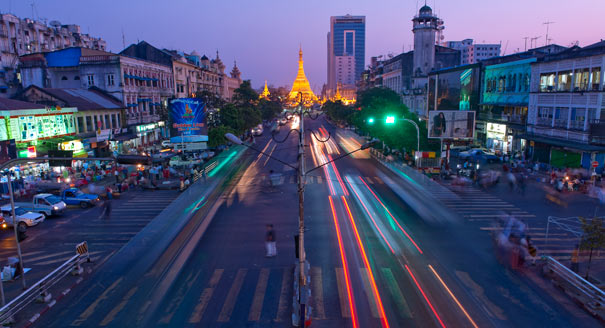
Myanmar’s 2015 general election will be a key milestone for the country. Yet, with three transitions under way, Myanmar’s task is enormous and the path littered with pitfalls.
Myanmar will be going to the polls in late October or early November 2015, in what could be the most important election ever held in the history of the country. The general election will be a key milestone in Myanmar’s transition from military authoritarianism to democracy.
But the buildup to the vote and the final outcome will be colored by the broader context of Myanmar’s unfortunate legacy of six decades of authoritarian rule. That system led to international isolation, weakened institutions, widespread social distrust, and a civil war that drained the country of blood and treasure and stymied any hope of building social cohesion.
Myanmar is in the throes of three transitions: from military rule to democracy, from conflict to peace, and from state-driven to market-driven development. Any one of these transitions would normally be fraught with uncertainty. But Myanmar is attempting all three at once, and the interactions between them will inevitably trigger unpredictable vortices and crosscurrents that could endanger one or more of the transitions and, worse, threaten the very stability of the country.
In many respects, Myanmar has embarked on a path that no country in transition has traversed before. China and Vietnam liberalized their economies but not their polities; the Soviet Union pursued glasnost before perestroika. Myanmar is trying to achieve both political and economic liberalization while at the same time trying to bring to an end the world’s longest-running civil war in modern times. No one should underestimate the enormity of Myanmar’s ambitious task or overestimate the likelihood of its success.
Through seminars, articles, infographics, and more, the Myanmar Votes 2015 project will follow and analyze the run-up to the election in Myanmar and the forces that are likely to shape and influence the outcome. Five factors are likely to have the most impact: the role of the military, the peace process under way between armed ethnic groups and the government, communal tensions, political parties and personalities, and the economy. In addition to analyzing each of these forces, the Myanmar Votes 2015 project will help readers understand the complexities of the country’s electoral process and the likelihood and implications of proposed constitutional amendments.
If the election is held successfully, and the Myanmar people and the rest of the world consider the vote to be free and fair, then there would be cause for celebration. At the same time, there should be little doubt that the country would only be at the very beginning of a long road toward building a society that is just, peaceful, stable, and prosperous.
As all three transitions gradually unfold and the inevitable challenges and setbacks emerge, the international community must remain supportive, understanding, and patient. The people of Myanmar—more than anyone else—are keen to put the past behind them and to work together for a brighter future. This is their fight and their struggle, and the international community’s role should be neither to judge nor to hinder, but to help.
Stay Tuned: Resources and analysis from the Myanmar Votes 2015 project will be available online in May 2015.
Former Nonresident Senior Fellow, Asia Program
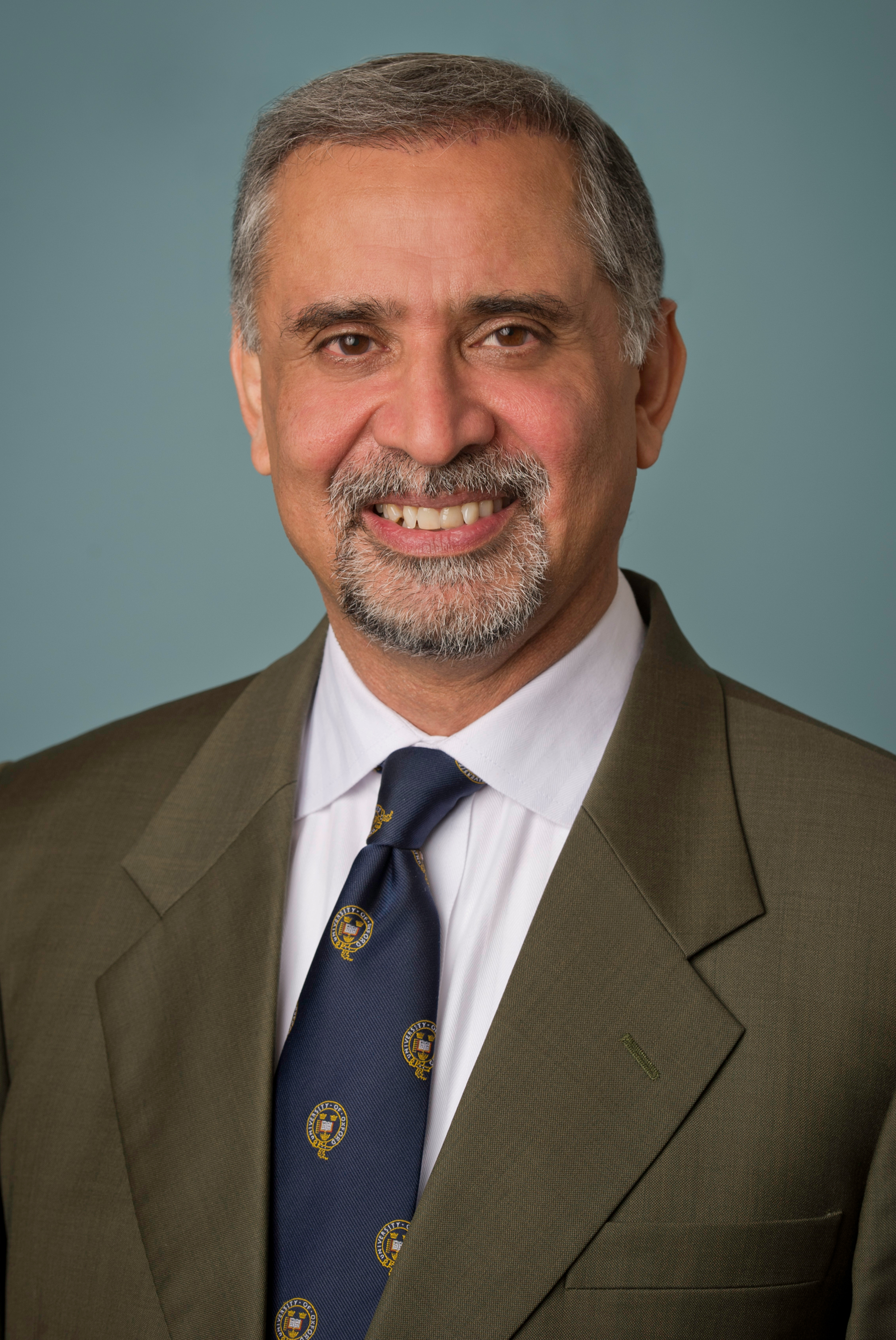
Nehru was a nonresident senior fellow in the Carnegie Asia Program. An expert on development economics, growth, poverty reduction, debt sustainability, governance, and the performance and prospects of East Asia, his research focuses on the economic, political, and strategic issues confronting Asia, particularly Southeast Asia.
Recent Work
Vikram Nehru
Vikram Nehru
Carnegie does not take institutional positions on public policy issues; the views represented herein are those of the author(s) and do not necessarily reflect the views of Carnegie, its staff, or its trustees.
Russia looks set to reap economic benefits from closer ties with Southeast Asian countries that are keen to find reliable energy suppliers and diversify trade ties.

Alexander Gabuev

Russia’s attempts to drag its partners in the Global South into its battles in order to spread the responsibility for its own political madness are backfiring.

Alexander Baunov
The new administration should think carefully before moving forward with recent proposals about China and the U.S. role in Asia.

Michael D. Swaine
The Donald Trump administration is beginning to take shape, but still has a long way to go in identifying personnel and defining policy goals, particularly in Asia.

Douglas H. Paal
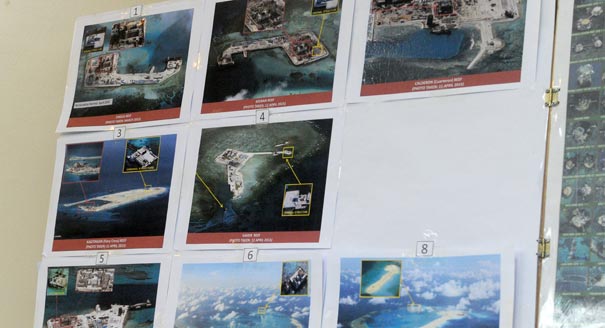
Despite increasingly strident rhetoric, new developments offer a potential opening for more constructive engagement between China and the Philippines.
Douglas H. Paal