

Commentary
Uri Dadush
{
  "authors": [
    "Uri Dadush"
  ],
  "type": "legacyinthemedia",
  "centerAffiliationAll": "",
  "centers": [
    "Carnegie Endowment for International Peace"
  ],
  "collections": [],
  "englishNewsletterAll": "",
  "nonEnglishNewsletterAll": "",
  "primaryCenter": "Carnegie Endowment for International Peace",
  "programAffiliation": "",
  "programs": [],
  "projects": [],
  "regions": [
    "Western Europe",
    "United Kingdom"
  ],
  "topics": [
    "Political Reform",
    "Economy",
    "Foreign Policy"
  ]
}
Source: Getty
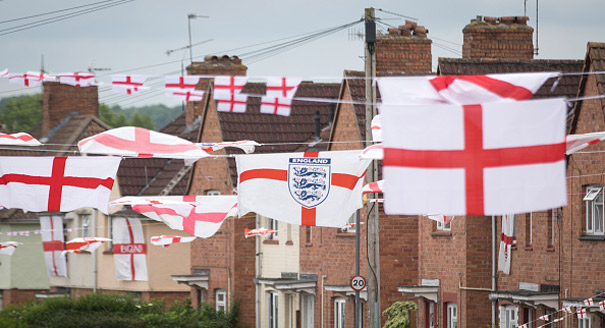
The referendum in favor of the exit of Britain from the European Union represents a victory of nationalism over the liberal economic order, in the country that inspired the ideas that lie at its foundations.
Source: OCP Policy Center
The referendum in favor of the exit of Britain from the European Union (“Brexit”) marks a sad day for Britain and for Europe. It represents a victory of nationalism over the liberal economic order, in the country that inspired the ideas that lie at its foundations. The referendum probably signals the end of an experiment widely supported by the young, the elites and most economists, but which has failed in the eyes of the majority of British people. For Britain, the economic risks are considerable, but they pale in comparison to the possible political fallout, since Brexit may pave the way for the separation of Scotland, which voted 60% in favor of staying in the EU, and could upset the uneasy peace in Northern Ireland, which voted 56% in favor of staying. Also perilous for political stability is the schism within the ruling conservative party. Of note is the repugnant reaction to the outcome of large numbers in the remain camp. Nearly three million have already signed a petition for parliament to call for a second Brexit referendum. Though the referendum is technically not binding, and there are scenarios under which it could conceivably be ignored or reversed, the assumption now has to be that Britain will leave the European Union.
Yet, there is no immediate economic revolution. Prime Minister David Cameron has resigned and the application to exit under Article 50 of the Lisbon Treaty is imminent, but the obligations and privileges of Britain’s EU membership will remain fully in effect as it negotiates its exit terms. The term provided for negotiation is 2 years, but a longer period is possible and indeed, given the complexities, likely, by mutual consent. Thus, more than anything, the immediate economic effect of the referendum outcome is to usher in a long period of uncertainty. This interval is likely to have a cooling effect on investment in the UK by both British and International firms. Yet, the UK’s EU-oriented investment has already largely been made and investors are unlikely to suddenly pack their bags, so the effect may not be as dramatic as some fear. Meanwhile, weaker sterling will help support UK export-oriented and import-competing investment, even as it raises the cost of living of its citizens.
World financial markets have reacted with something close to panic to Brexit, an outcome they spectacularly failed to anticipate until the first voting results came in. However, Britain represents only about 4% of the global economy, and the spillover effects of Brexit should not be overstated. Investment that does not go to Britain can go elsewhere. Nor is trade likely to be permanently damaged by Brexit. Provided trade negotiations are not infected by vengefulness or hostage taking, the most likely outcome is a Free Trade Agreement that follows immediately on Britain’s exit and which closely resembles the current arrangement. Very sensitive sectors such as agriculture, garments and autos will prove the hardest nuts to crack. EU negotiators will exact a high price for continued access. In the end, agriculture may actually become a little less distorted than it is now as British farmers are unlikely to be as lavishly subsidized as they are under the Common Agricultural Policy. The investment chapters of the negotiations will probably ensure that foreign investment in both directions will remain about as unencumbered as it is today. Britain’s EU deal will be tailor-made and differ from those governing trade relations with Switzerland and Norway, which are successful but much smaller nations at the periphery of Europe, yet it is unlikely to be materially less advantageous. It is simply not in the EU’s interest to isolate Europe’s most dynamic large economy.
Given the tenor of the Leave campaign, the most important lasting effect on efficiency, one that should not be overlooked, will result from restraints on immigration from the EU as well as curtailed freedom of temporary movement of workers into the UK. Still, in establishing the new immigration and visa policy towards EU members, UK policy-makers will have to consider the reciprocal measures that EU members may adopt vis-à-vis UK nationals, large numbers of whom prize the ability to work and live in Europe. Also, EU negotiators may demand of the UK relatively liberal immigration measures in exchange for trade concessions.
Brexit will also trigger deep soul-searching in Brussels, Paris and Berlin. Though some believe the UK leaving will make for a more cohesive block, and so hope for “More Europe”, the result is far more likely to encourage those who want “Less Europe”. It is difficult to gauge the effect of Brexit on the prospect of a President Le Pen, since the French public has reacted with remarkable indifference to the outcome of the referendum. Brexit clearly strengthens the hand of leaders much nearer to the center of the political spectrum, the likes of Matteo Renzi and Wolfgang Schauble, who want a less Brussels-centric system.
One consequence of Brexit may be to delay the badly needed strengthening of the institutions underpinning of the single currency, including fiscal rules, the Banking Union, etc. But Brexit will not stop these processes. For the 19 of 28 EU members that have adopted the Euro, exit would trigger a massive and unmanageable economic crisis and is therefore not a viable option. But, more importantly, the Brexit mess is likely to be remembered by other EU members as an example of how not to do it. It will be seen more as self-destruction than as the golden path to follow. The dust is yet to settle, and it will not for many months to come, but it is clear already that Brexit will neither derail the European project nor, contrary to the market turmoil, bring the global economic recovery to a screeching halt.
This article was originally published by the OCP Policy Center.

Former Senior Associate, International Economics Program
Dadush was a senior associate at the Carnegie Endowment for International Peace. He focuses on trends in the global economy and is currently tracking developments in the eurozone crisis.
Recent Work
Uri Dadush
Uri Dadush
Carnegie does not take institutional positions on public policy issues; the views represented herein are those of the author(s) and do not necessarily reflect the views of Carnegie, its staff, or its trustees.
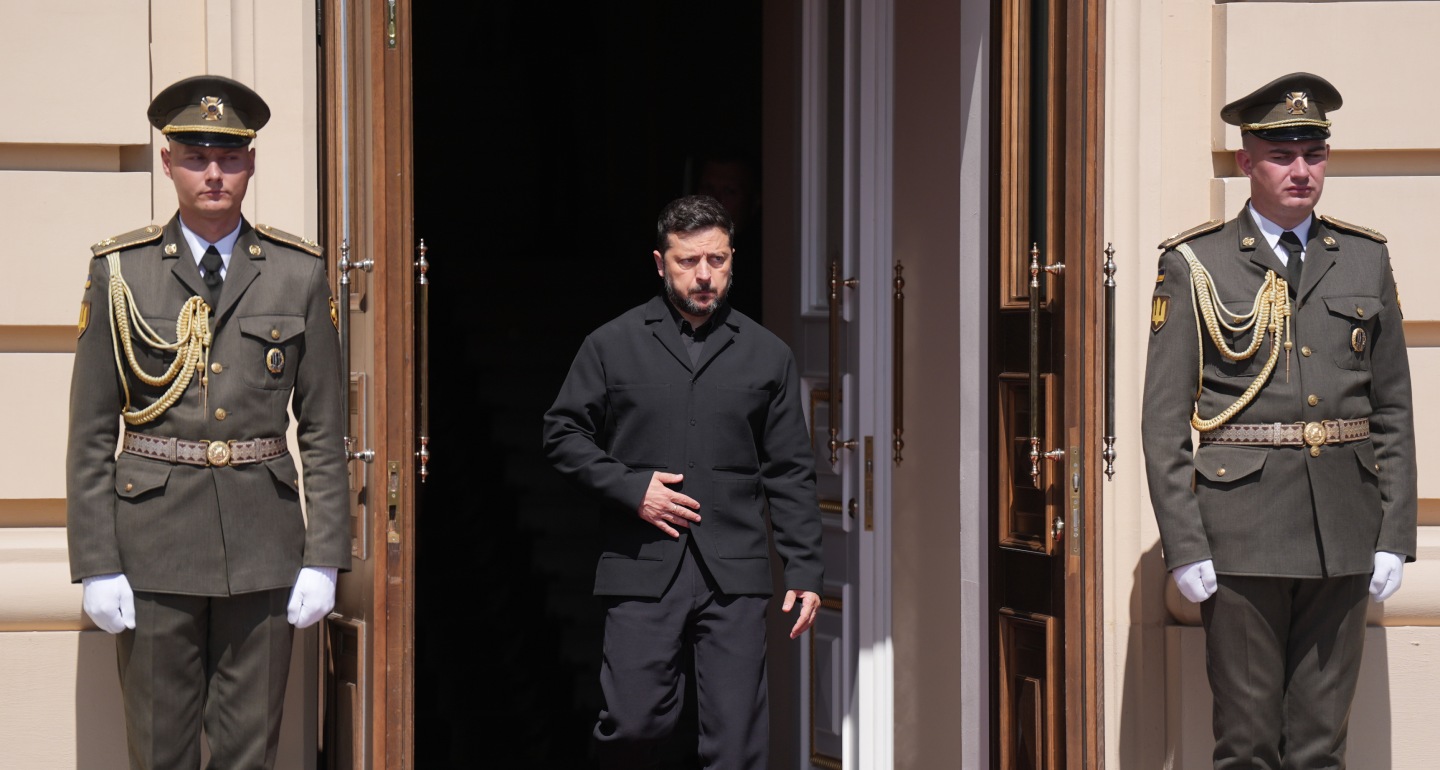
Ultimately, Zelensky sided neither with the reform camp nor with the military establishment as such, but with political control.

Balázs Jarábik
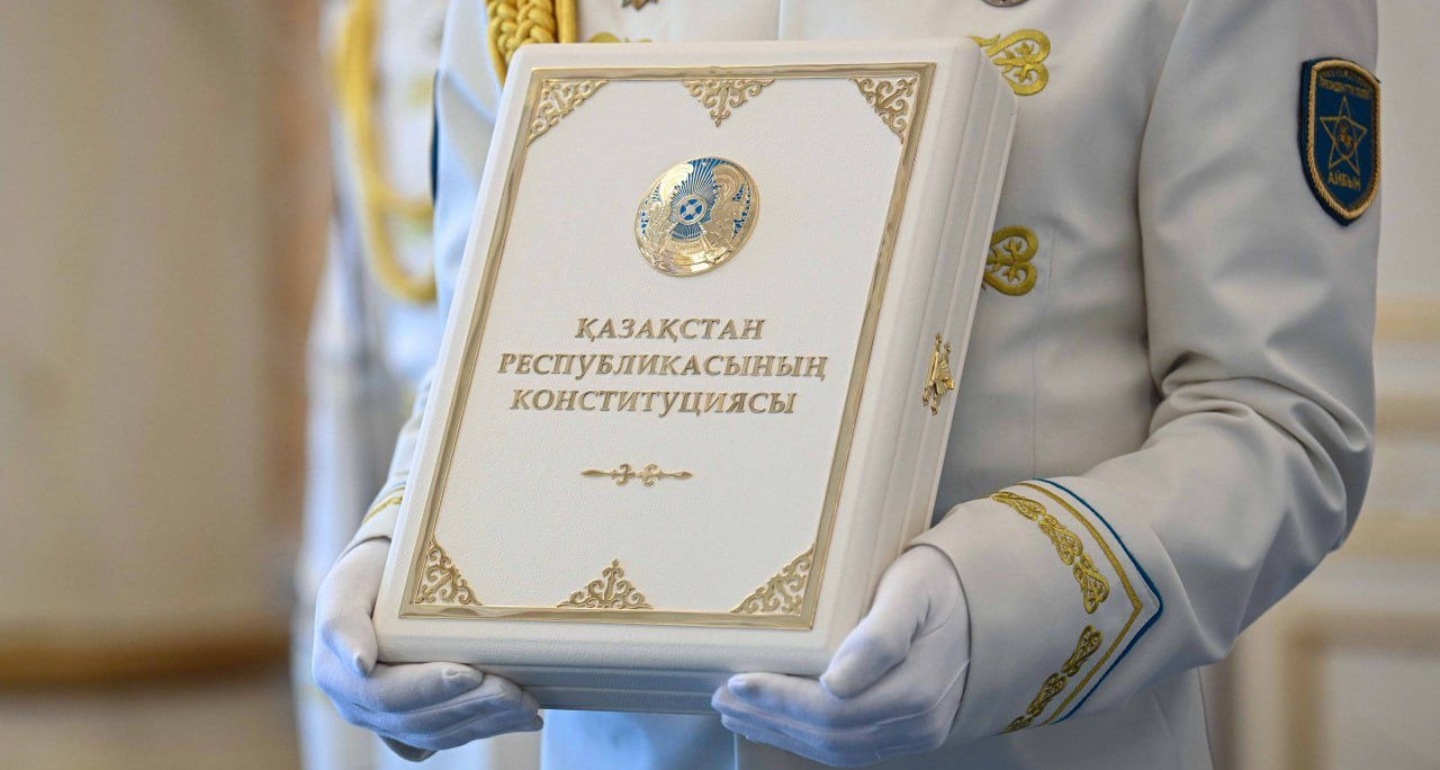
Tokayev’s predecessor, Nursultan Nazarbayev, outlined arrangements for a power transition too soon and in too much detail, ultimately losing control over the process. Tokayev is determined not to meet the same fate.

Temur Umarov

Despite unhappiness on the ground, Moscow is determined to use both carrot and stick to ensure there is record support for United Russia in occupied Ukraine.

Konstantin Skorkin

Whether PAS can refocus on the unfinished business of state-building may ultimately prove more consequential for Moldova’s European future than the pace of its accession negotiations.
Balázs Jarábik
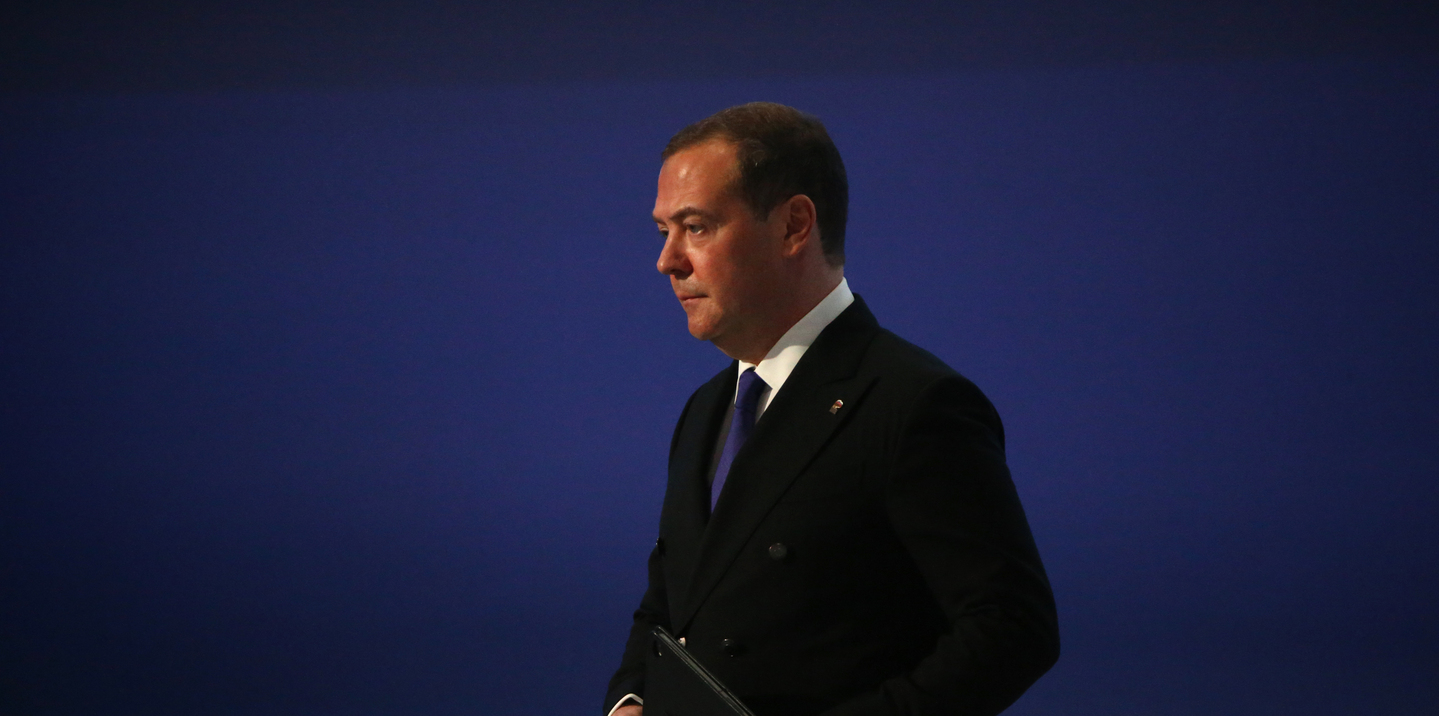
Medvedev’s defeat in the battle for the position of speaker appears to signal that the long process of his marginalization in Russian politics has passed the point of no return.

Andrey Pertsev