

Commentary
Russia looks set to reap economic benefits from closer ties with Southeast Asian countries that are keen to find reliable energy suppliers and diversify trade ties.
Alexander Gabuev
{
  "authors": [],
  "type": "legacyinthemedia",
  "centerAffiliationAll": "dc",
  "centers": [
    "Carnegie Endowment for International Peace"
  ],
  "collections": [],
  "englishNewsletterAll": "asia",
  "nonEnglishNewsletterAll": "",
  "primaryCenter": "Carnegie Endowment for International Peace",
  "programAffiliation": "AP",
  "programs": [
    "Asia"
  ],
  "projects": [],
  "regions": [
    "East Asia",
    "Southeast Asia"
  ],
  "topics": []
}
Source: Getty
Following the Permanent Court of Arbitration’s ruling in favor of the Philippines on the South China Sea issue and its rejection of any legal basis for Beijing to claim historical rights to the nine-dash line, Chinese leadership must be wrestling with the question of whether to transform its disavowal of the decision into more than words
Source: Australian Broadcasting Corporation
Following the Permanent Court of Arbitration's ruling in favor of the Philippines on the South China Sea issue and its rejection of any legal basis for Beijing to claim historical rights to the nine-dash line, Douglas Paal discusses potential Chinese responses to the ruling with ABC's Fran Kelly. He states that the Chinese leadership must be wrestling with the same questions of whether to transform its disavowal of the court's decision into more than words, and addresses the potential effects of further Chinese militarization in the South China Sea.
Carnegie does not take institutional positions on public policy issues; the views represented herein are those of the author(s) and do not necessarily reflect the views of Carnegie, its staff, or its trustees.
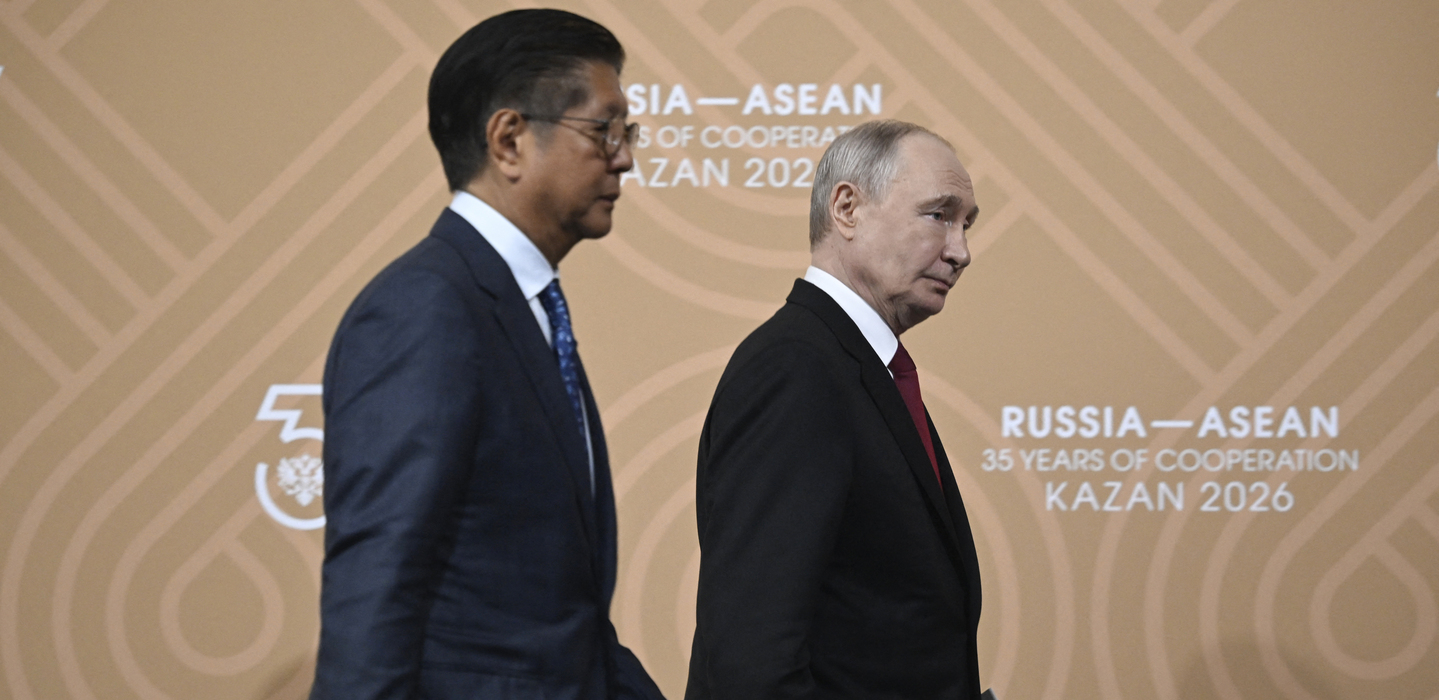
Russia looks set to reap economic benefits from closer ties with Southeast Asian countries that are keen to find reliable energy suppliers and diversify trade ties.

Alexander Gabuev

Tokyo would have to surmount a lot of obstacles—not least Western sanctions—if it wanted to return Russian oil imports to even modest pre-2022 volumes.

Vladislav Pashchenko
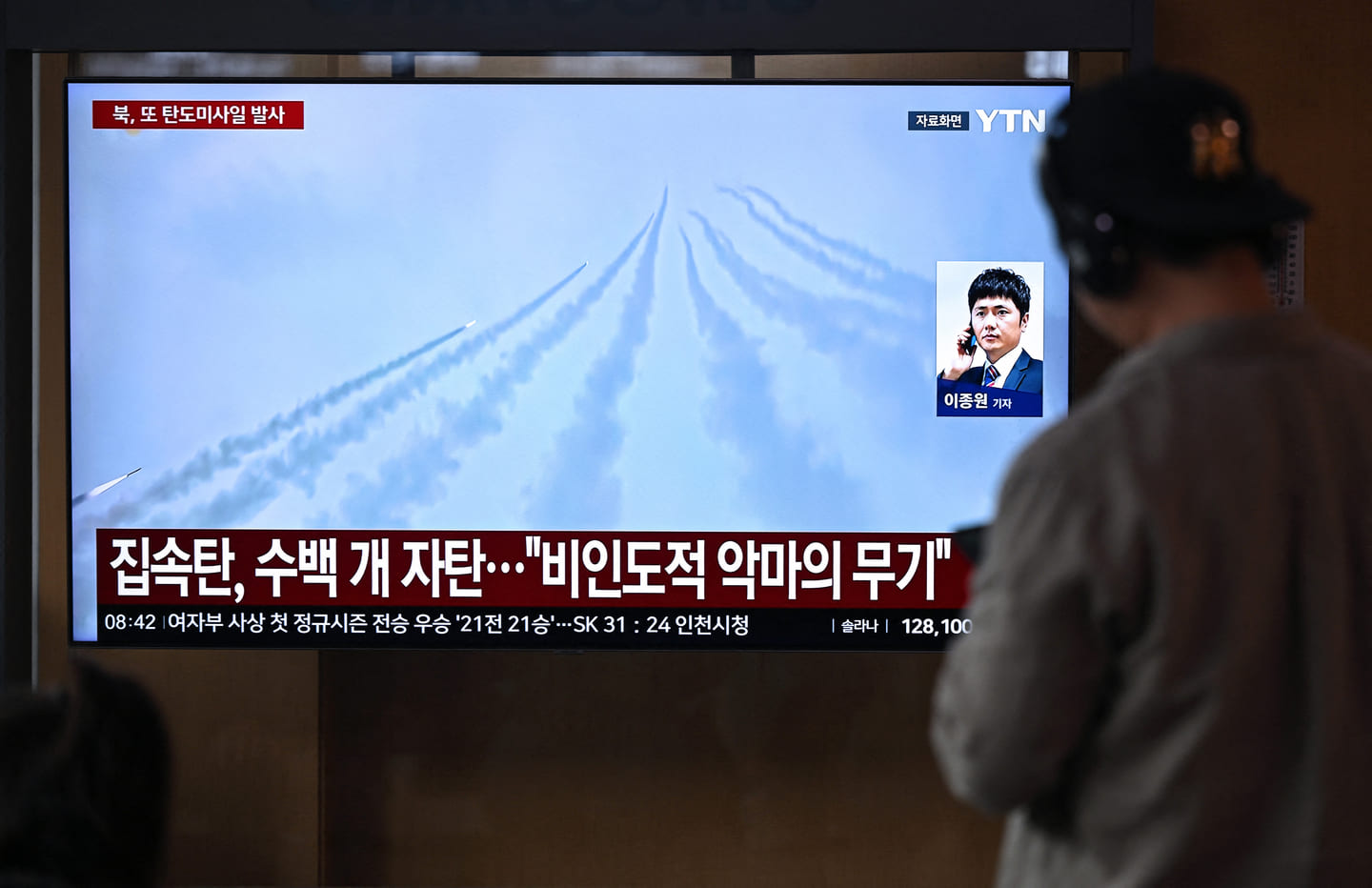
Troubled by the growing salience of nuclear debates in East Asia, Moscow has responded in its usual way: with condemnation and threats. But by exacerbating insecurity, Russia is forcing South Korea and Japan to consider radical security options.

James D.J. Brown
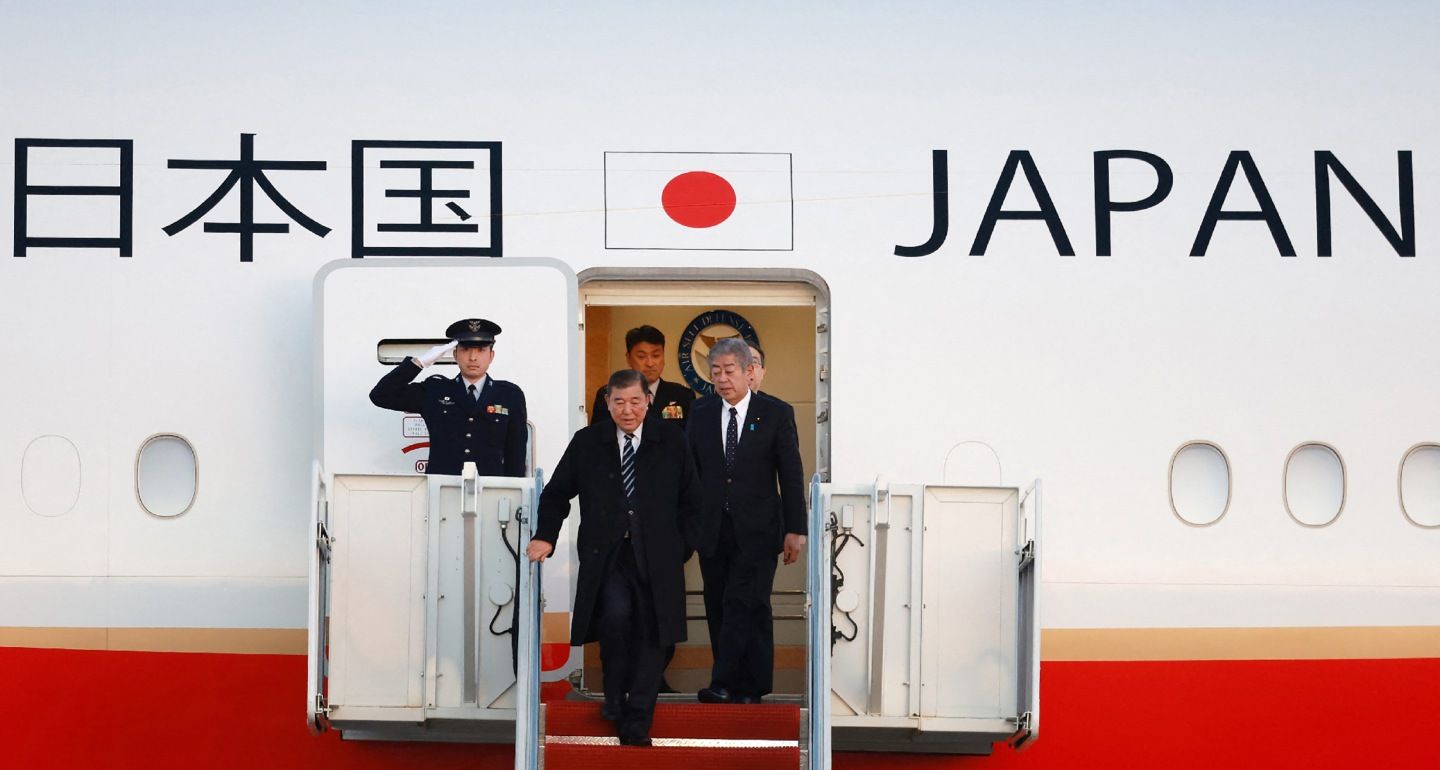
For Japan, much more so than for European countries, there is no alternative to the United States.
James D.J. Brown
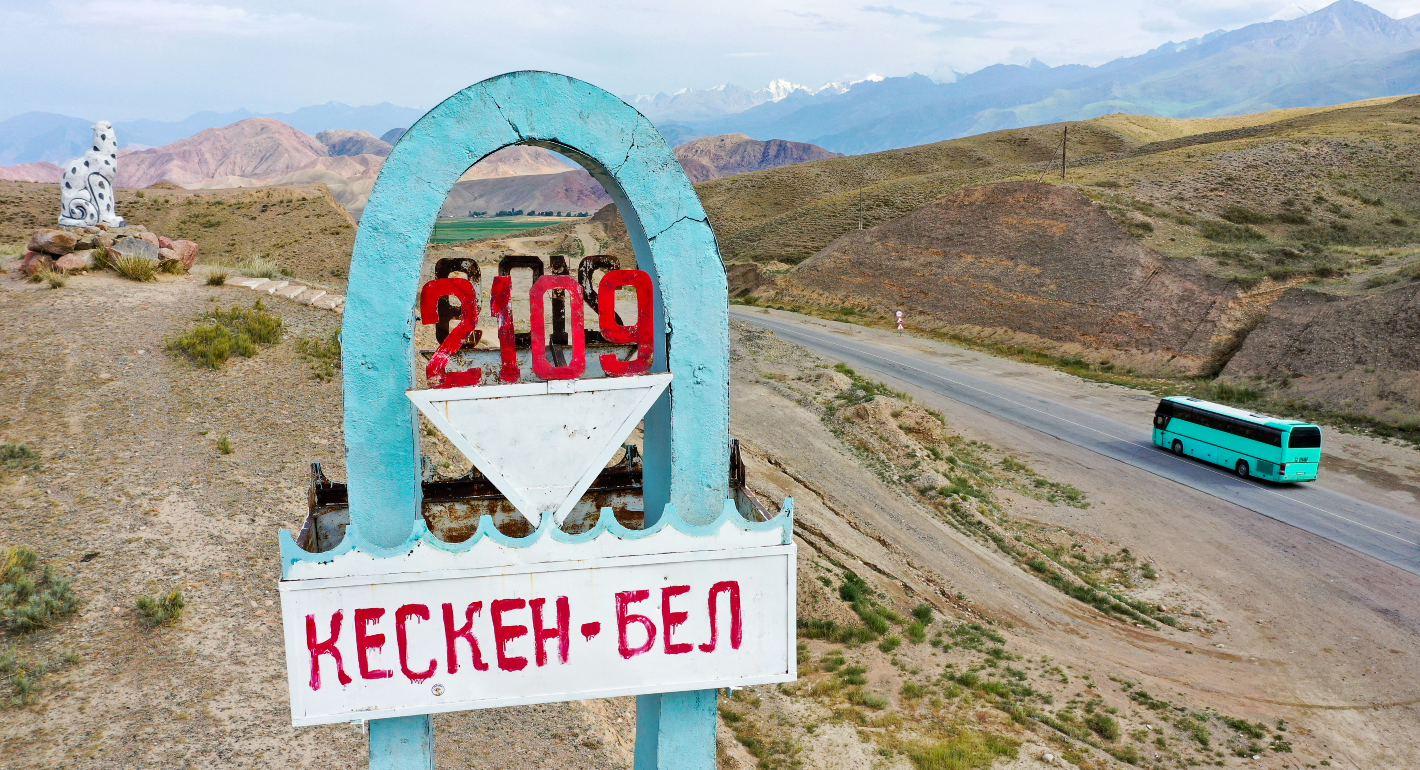
China’s relationships with Central Asian borrowers are hardly one-size-fits-all. Chinese financial players have adapted and used different models, demonstrating the country’s flexibility as a lender.

Nargiza Muratalieva