

Research
- +8
William J. Burns, Michael Chertoff, Catherine Ashton, …
{
  "authors": [
    "William J. Burns"
  ],
  "type": "other",
  "centerAffiliationAll": "",
  "centers": [
    "Carnegie Endowment for International Peace"
  ],
  "collections": [],
  "englishNewsletterAll": "",
  "nonEnglishNewsletterAll": "",
  "primaryCenter": "Carnegie Endowment for International Peace",
  "programAffiliation": "",
  "programs": [],
  "projects": [],
  "regions": [
    "North America",
    "United States",
    "South Asia",
    "India"
  ],
  "topics": [
    "Foreign Policy"
  ]
}
Source: Getty
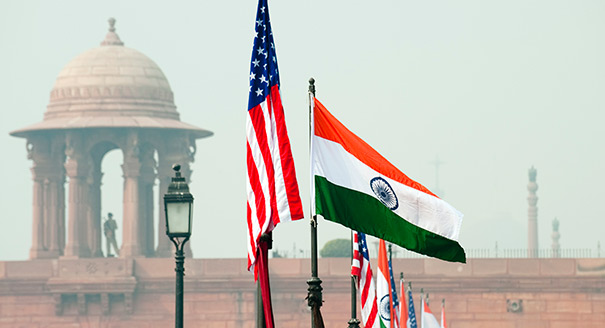
When it comes to India, the Trump administration should look to sustain and deepen the efforts of its Democratic and Republican predecessors to further strengthen the bilateral partnership and put it to work to address shared global challenges.
Source: Times of India
With the White House having announced that US President Donald Trump will be hosting Prime Minister Narendra Modi later this year in Washington, Ambassador William J. Burns, President of Carnegie Endowment for International Peace and former US Deputy Secretary of State, spoke to Nalin Mehta on what New Delhi can expect from the first bilateral Modi-Trump meeting, Indo-US relations and the shifts in US diplomacy:
My strong hope is that when it comes to India, the Trump administration will look to sustain and deepen the efforts of its Democratic and Republican predecessors to further strengthen the bilateral partnership and put it to work to address shared global challenges.
I hope this visit will be used as an action-forcing mechanism to check off a number of important items from our shared to-do list.This includes the purchase of a US fighter for India’s armed forces and other defence cooperation items.
It includes continued progress in the economic sphere, where I believe we still have a long way to go to fully realise the promise of our strategic partnership.
Concluding the Bilateral Investment Treaty would be a significant milestone worthy of a significant effort by both governments.
You are right that beneath the surface, this Trump administration presents a fundamentally different approach to foreign affairs – a profound, and in my view troubling, deviation from the core elements on which American leadership and international order rest.
The United States, for all its imperfections, has stood for political and economic openness, respect for human dignity, and a sense of possibility. We have demonstrated a willingness to mobilise others to deal with shared problems. And we have invested in the institutions at home and abroad that can get ahead of crises and prevent conflict through wise, long-term investments.
To the extent that we walk away from these ideas, initiatives and institutions at the core of American leadership, I fear that we will see serious and long-term damage to America’s standing in the world, and in turn, to the potential for US-India relations.
Much of President Trump’s foreign policy seems to be reverting to the mainstream on first contact with reality, and that includes his approach to the Asia-Pacific.
But it’s clear that the Trump administration believes the United States is being held hostage in many respects by the very international order it created. It seems to see multilateral trade agreements like the Trans-Pacific Partnership as constraints rather than opportunities, and international and regional organisations as distracting, if not irrelevant.
That attitude could undermine our capacity and credibility to work together with India to shape a Pacific Century that reflects our shared interests and values.
I have been deeply impressed by what my colleagues in Delhi have accomplished in such a short time. That is not a result of any imports from Washington or any of our global centres in Beijing, Beirut, Brussels or Moscow. It is a consequence of the fact that Carnegie India is led and staffed by extraordinary Indian experts who have a deep stake and commitment to India’s own domestic and international evolution.
This interview was originally published in the Times of India.
Former Career Diplomat
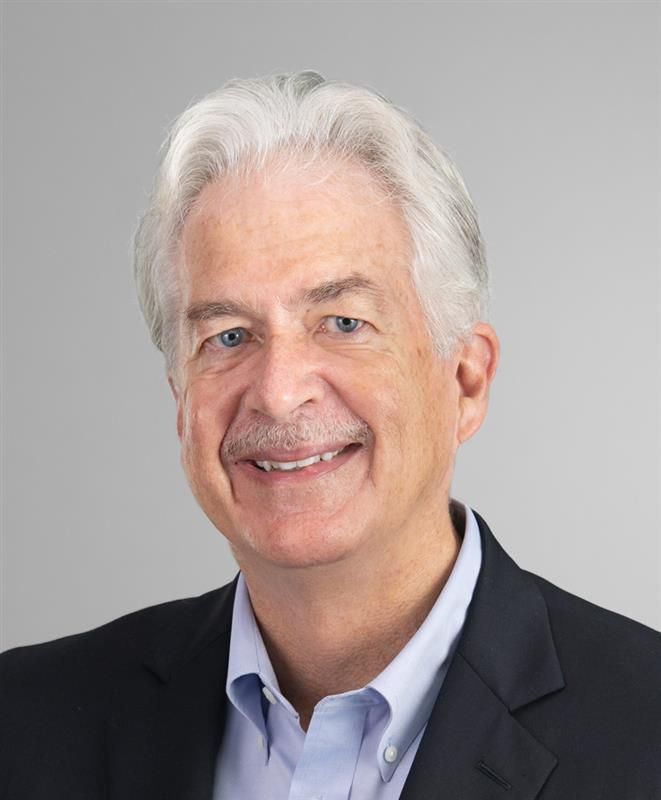
A former career diplomat, William J. Burns served as director of the CIA, deputy secretary of State, and ambassador to Russia and Jordan. Burns was also president of the Carnegie Endowment for International Peace from 2015 to 2021.
Recent Work
William J. Burns, Michael Chertoff, Catherine Ashton, …
William J. Burns
Carnegie does not take institutional positions on public policy issues; the views represented herein are those of the author(s) and do not necessarily reflect the views of Carnegie, its staff, or its trustees.

Ongoing uncertainty in the Middle East allows Moscow to both increase its influence in Tehran and continue to enjoy the financial windfall of higher oil prices.

Nikita Smagin
This year’s wars have made alternative routes to transit through Russia no less risky for Central Asian countries.

Galiya Ibragimova
Reestablishing a dialogue with Moscow is not a goal in its own right. The goal is to guarantee the independence of Ukraine and the peace and security of Europe.
Arkady Moshes
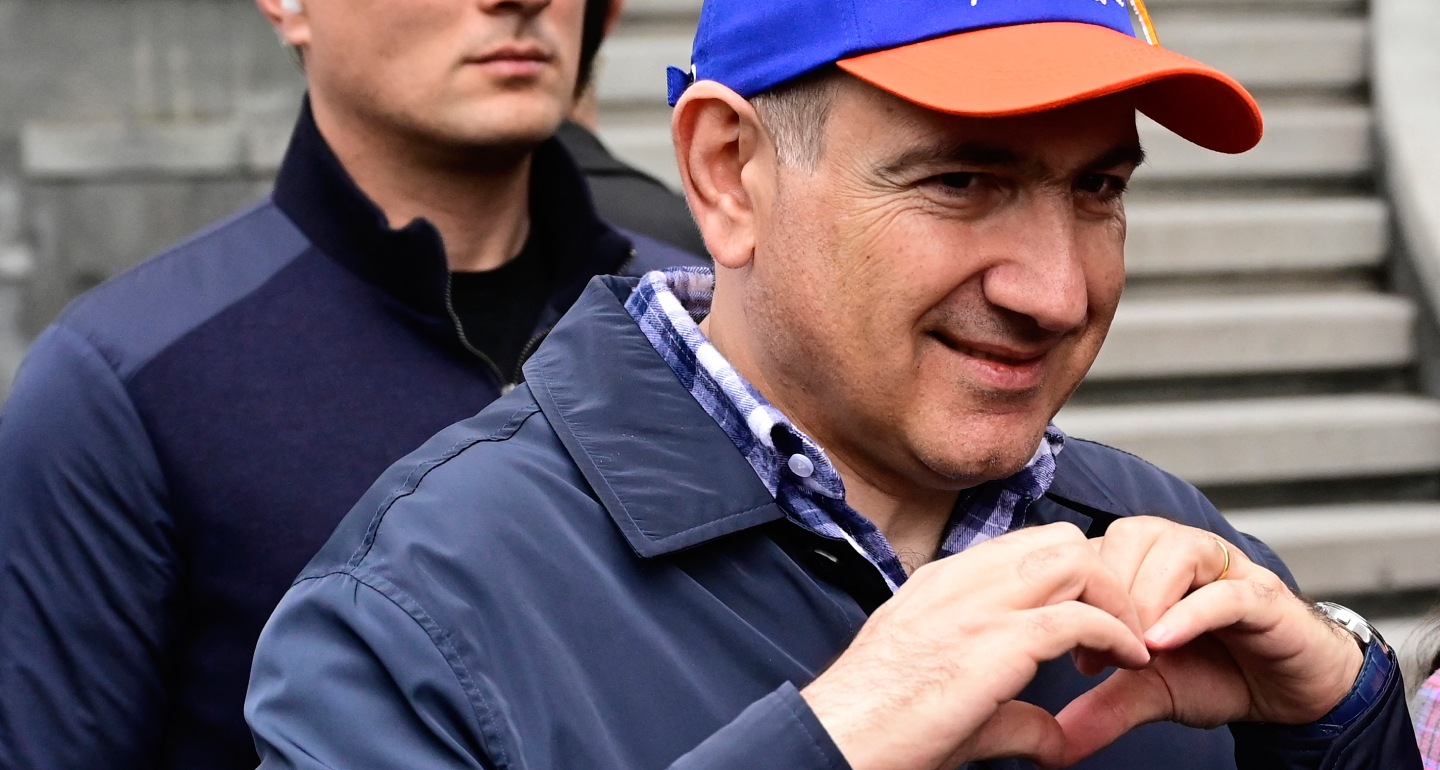
By fueling the arguments of both supporters and opponents of Armenian Prime Minister Nikol Pashinyan, Azerbaijan wants to ensure he is re-elected with a weaker mandate.

Bashir Kitachaev
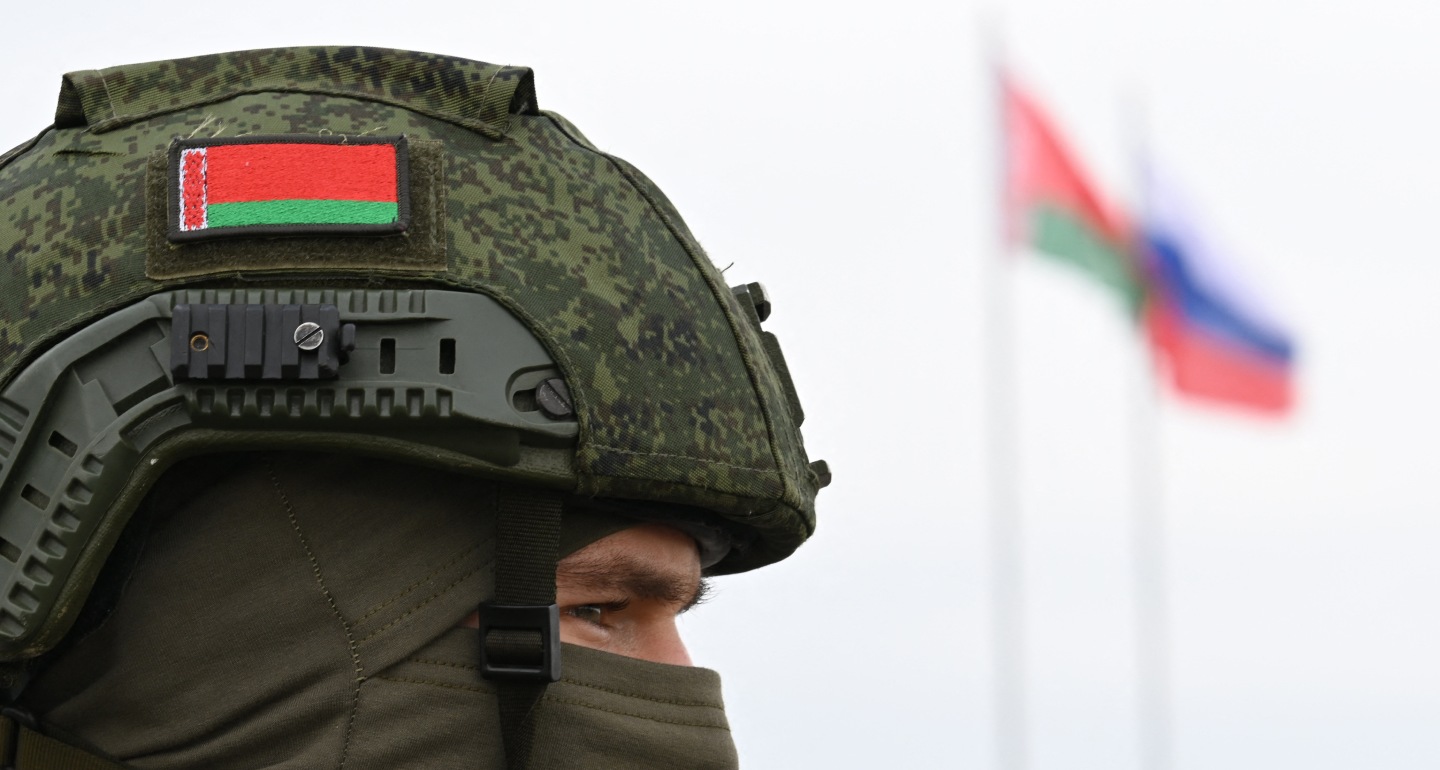
By reminding the world that Lukashenko is a threat to NATO and Ukraine, Kyiv is trying to return the focus to why the Belarusian regime needs to be contained rather than rewarded.

Artyom Shraibman