

Q&A
Suzanne Maloney, Aaron David Miller, Karim Sadjadpour
{
  "authors": [
    "Karim Sadjadpour"
  ],
  "type": "legacyinthemedia",
  "centerAffiliationAll": "dc",
  "centers": [
    "Carnegie Endowment for International Peace",
    "Malcolm H. Kerr Carnegie Middle East Center"
  ],
  "collections": [],
  "englishNewsletterAll": "menaTransitions",
  "nonEnglishNewsletterAll": "",
  "primaryCenter": "Carnegie Endowment for International Peace",
  "programAffiliation": "MEP",
  "programs": [
    "Middle East"
  ],
  "projects": [],
  "regions": [
    "Middle East",
    "Iran",
    "Saudi Arabia",
    "Gulf"
  ],
  "topics": [
    "Political Reform",
    "Security"
  ]
}
Source: Getty
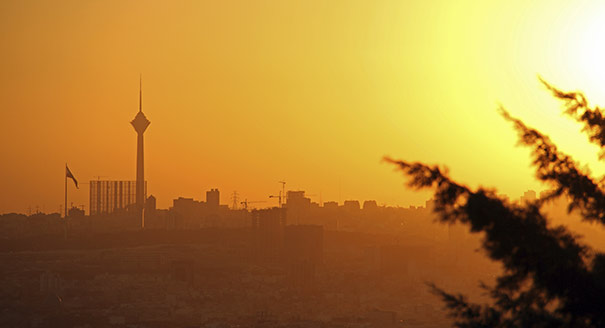
The recent terrorist attack in Tehran is evidence that Iran is not immune to the effects of the ongoing regional turmoil.
Source: NPR’s All Things Considered
ROBERT SIEGEL, HOST:
Karim Sadjadpour is a Middle East expert and Iran watcher at the Carnegie Endowment for International Peace. Welcome to the program once again.
KARIM SADJADPOUR: Great to be here, Robert.
SIEGEL: As we've heard, this is the so-called Islamic State's first strike - big strike inside Iran. Why, and why do you think now?
SADJADPOUR: Well, I suspect that ISIS had tried for years to launch an attack within Iran, but it's not easy for them because Iran is a country which is more than 90 percent Shiite. And the city of Tehran is probably upwards of 95 percent Shiite. So ISIS doesn't have the same sympathy and potential recruits in Iran as it does in the predominantly Sunni Arab world.
SIEGEL: You said that ISIS has been trying probably for years to strike at Iran. Why - just because Iran is the great Shiite power? For what reason?
SADJADPOUR: There is tremendous anger in the Sunni Muslim, Sunni Arab world against Iran and Iran's role in the Middle East given Iran's support for the Assad regime in Syria which is responsible for so many civilian casualties of Sunnis - likewise Iran's support for the previous Iraqi prime minister, Nouri al-Maliki, and Shia militias in Iraq. So at a popular level in the Sunni Arab world, there's huge animosity towards Iran. And I suspect if ISIS is trying to recruit people and to somewhat rehabilitate its reputation, an attack on the main adversary of Sunni Muslims, which is Iran, is a way of regaining some popular support.
SIEGEL: As Peter Kenyon reported for us, Iran has all but said that Saudi Arabia played some role in this attack. Does that sound plausible to you?
SADJADPOUR: I don't think it's plausible. Iran does conflate ISIS and Saudi Arabia. But the reality is that ISIS poses an even graver threat to Saudi Arabia than it does to Iran. I think the advantage Iran has in the Middle East is that Shiite radical groups, whether it's Hezbollah in Lebanon or Shia militias in Iraq or the Houthi groups in Yemen - those are groups which are loyal to the Iranian government.
But Sunni radical groups, whether that's ISIS or al-Qaida, really seek to overthrow the Saudi government. So I think that demonizing Saudi Arabia plays well in Iran. Whether you're a secular Iranian living in Los Angeles or an Iranian religious cleric living in Qom, Persian nationalism is very opposed to Saudi Arabia. But I don't think it's plausible that Saudi Arabia was behind this attack.
SIEGEL: Peter Kenyon reports that the Iranians are usually very proud of their security and being an island of safety from terrorism in the region. Does this attack strike a blow at something important to the way Iranians see their country?
SADJADPOUR: Well, Iran has been heavily involved in the Syrian conflict over the last six years. It's given tens of billions of dollars to the Assad regime, which is complicit in over half a million casualties, 12 million Syrians displaced, women and children being gassed. And so I think it was fanciful that Iran could have that level of involvement in such a devastating crisis and expect to be immune to the effects of that.
But I don't see this ISIS attack in Iran having a moderating effect on Iran's regional policies. I actually think that they will use this as a pretext to continue their support for Bashar Assad and Shia militias under the pretext of it's better to have the fight against ISIS outside Iran's borders than within Iran's borders.
SIEGEL: Karim Sadjadpour of the Carnegie Endowment for International Peace, thanks for talking with us once again.
SADJADPOUR: It was my pleasure, Robert.
Senior Fellow, Middle East Program
Karim Sadjadpour is a senior fellow at the Carnegie Endowment for International Peace, where he focuses on Iran and U.S. foreign policy toward the Middle East.
Recent Work
Suzanne Maloney, Aaron David Miller, Karim Sadjadpour

Aaron David Miller, Karim Sadjadpour, Robin Wright
Carnegie does not take institutional positions on public policy issues; the views represented herein are those of the author(s) and do not necessarily reflect the views of Carnegie, its staff, or its trustees.
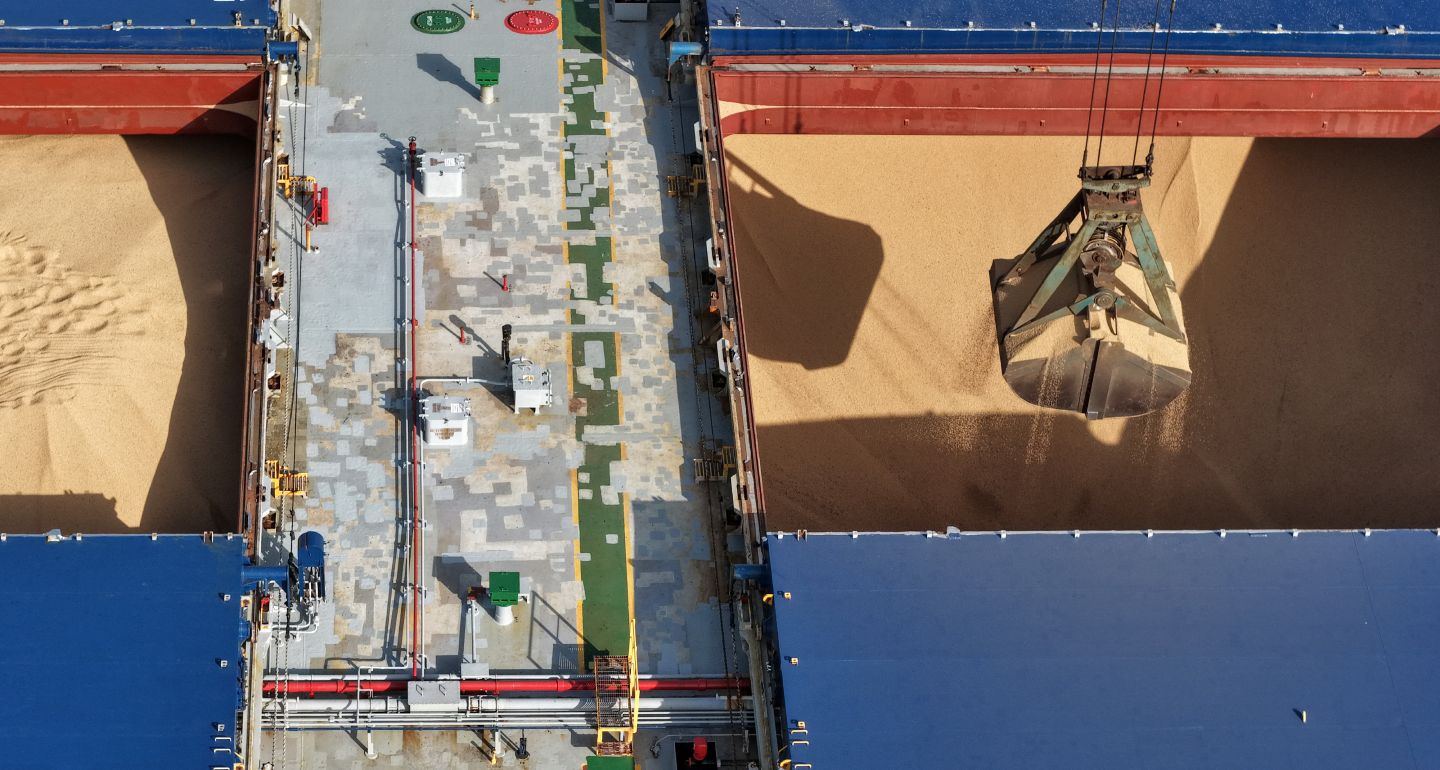
While the current surge in grain trading activity in the Caspian Sea is undeniably impressive, it is constrained by financial, infrastructure, geographic, military, and environmental factors.
Nikita Smagin
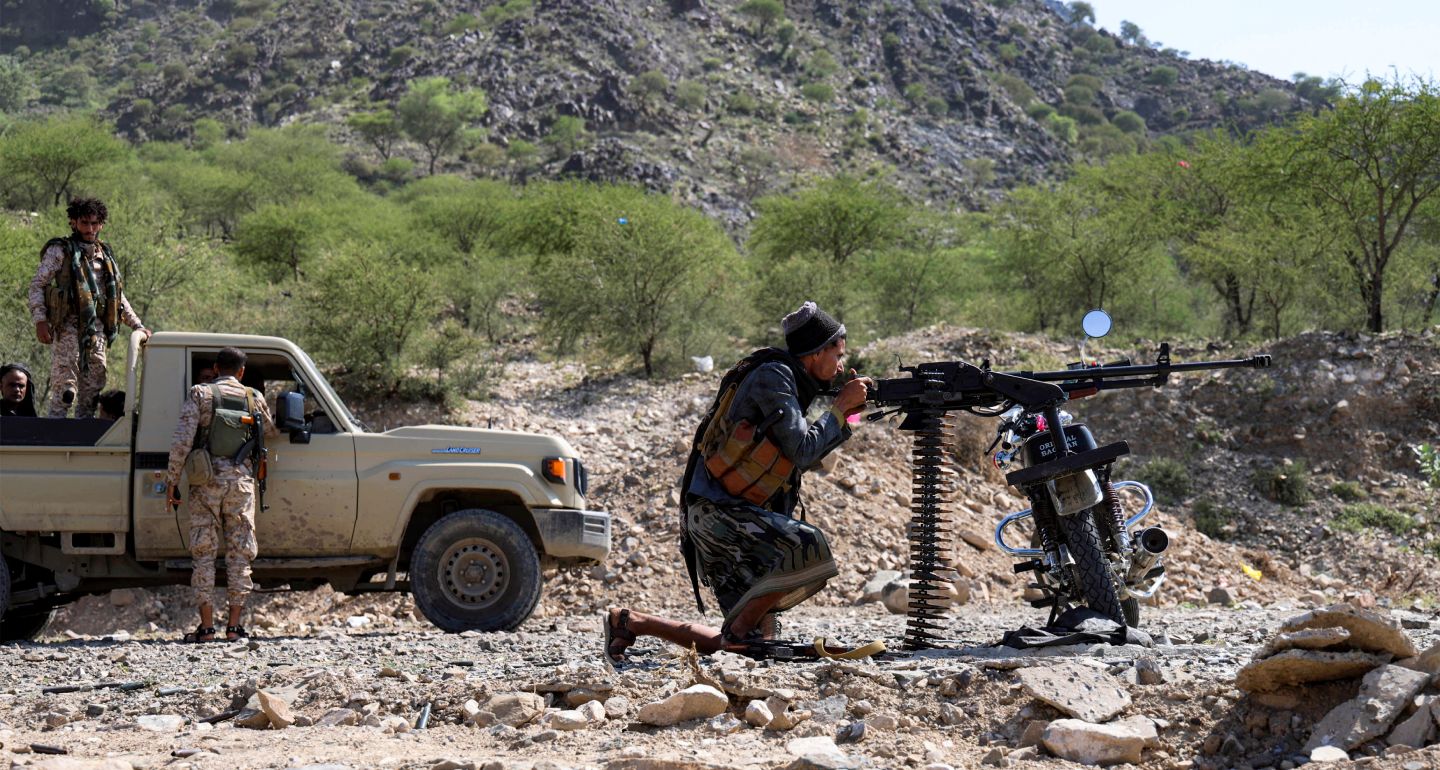
Russia officially endorses Yemen’s formal government while quietly providing military support to the Houthi rebels. However, recent escalation in Yemen has thrust Russia’s game into the spotlight—and risks endangering its relations with the Gulf states.

Ruslan Suleymanov
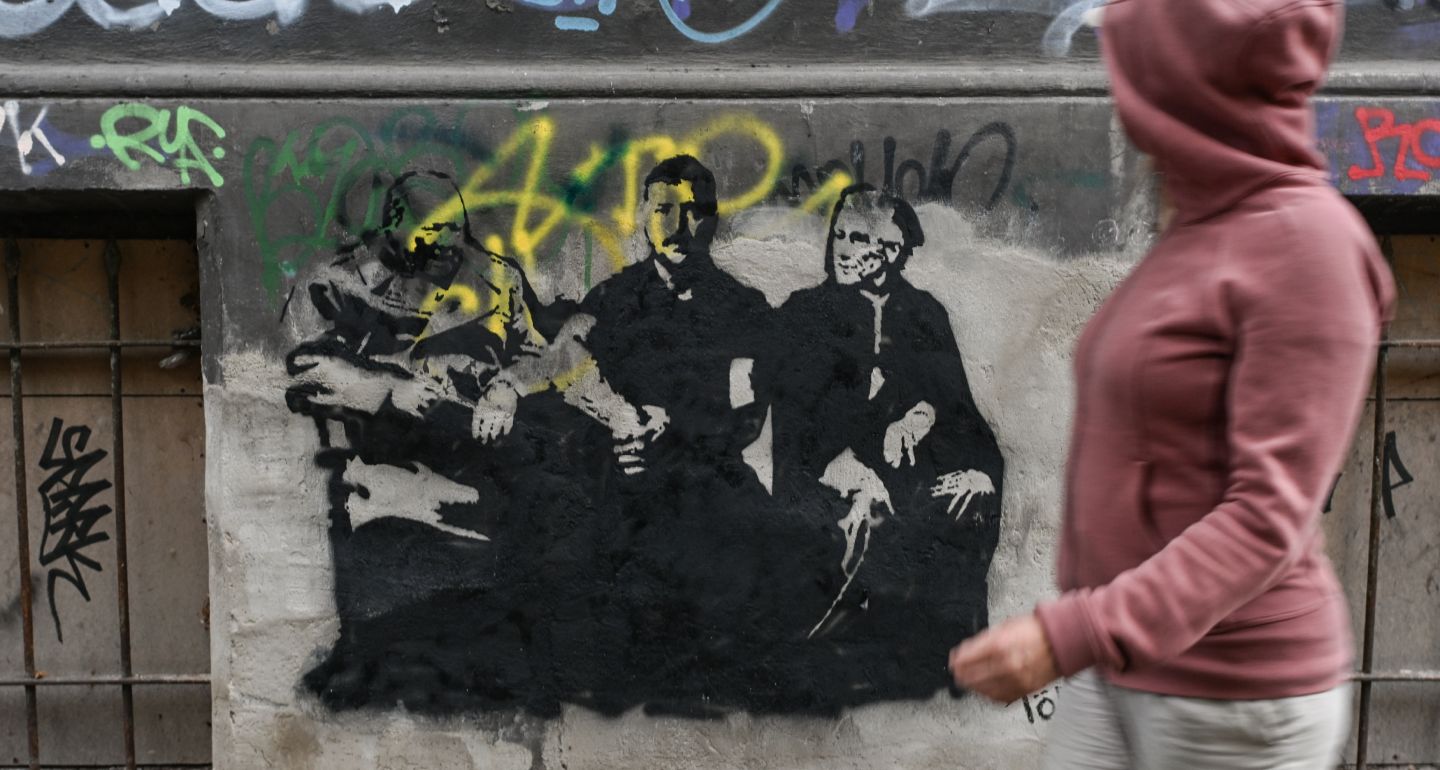
The concrete goal of an end to the hostilities in Ukraine has been replaced by a host of vague Russian demands concerning a range of issues and regions.

Alexander Baunov
It’s a testing time for Russia’s policy in Serbia and the wider region, but it would be premature to conclude from one political setback that the days of Russian influence are over.

Dimitar Bechev
There are limits as to how far the shift in South Korea’s foreign policy will go.
James D.J. Brown