

In The Media
David Rothkopf
{
  "authors": [
    "David Rothkopf"
  ],
  "type": "legacyinthemedia",
  "centerAffiliationAll": "dc",
  "centers": [
    "Carnegie Endowment for International Peace"
  ],
  "collections": [],
  "englishNewsletterAll": "asia",
  "nonEnglishNewsletterAll": "",
  "primaryCenter": "Carnegie Endowment for International Peace",
  "programAffiliation": "AP",
  "programs": [
    "Asia"
  ],
  "projects": [],
  "regions": [
    "South Asia",
    "India",
    "East Asia",
    "China"
  ],
  "topics": [
    "Economy",
    "Trade",
    "Global Governance"
  ]
}
Source: Getty
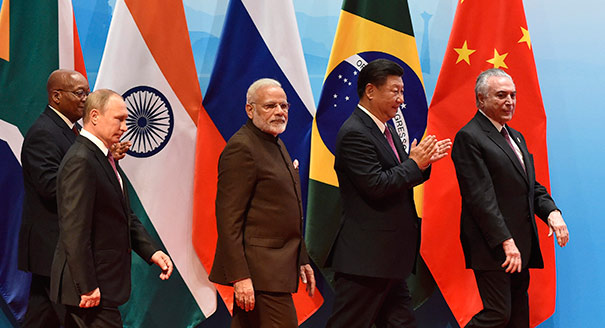
The original conception of BRICS, to bring together the world’s most important emerging markets, may have become obsolete, destined to be replaced by ChIPs: China and India Plus.
Source: National
Last week in Xiamen, China, the Chinese government rolled out the red carpet for the leaders of the Brics countries. There were banquets and musical galas and a host of announcements of new cooperation between Brazil, Russia, India, China and South Africa. A special focus was put on efforts to smooth over tensions between China and India that had recently flared in the Doklam region in the Himalayas along the border between the two countries. A statement was issued following the meeting between Chinese president Xi Jinping and India’s prime minister Narendra Modi, underscoring both sides agreement that the relationship was important and that every effort should be made to improve it. Importantly, the meeting ended with a joint statement condemning terrorism that, in a victory for the Indians, specifically called out several Pakistani-based terrorist organizations.
Former Visiting Scholar
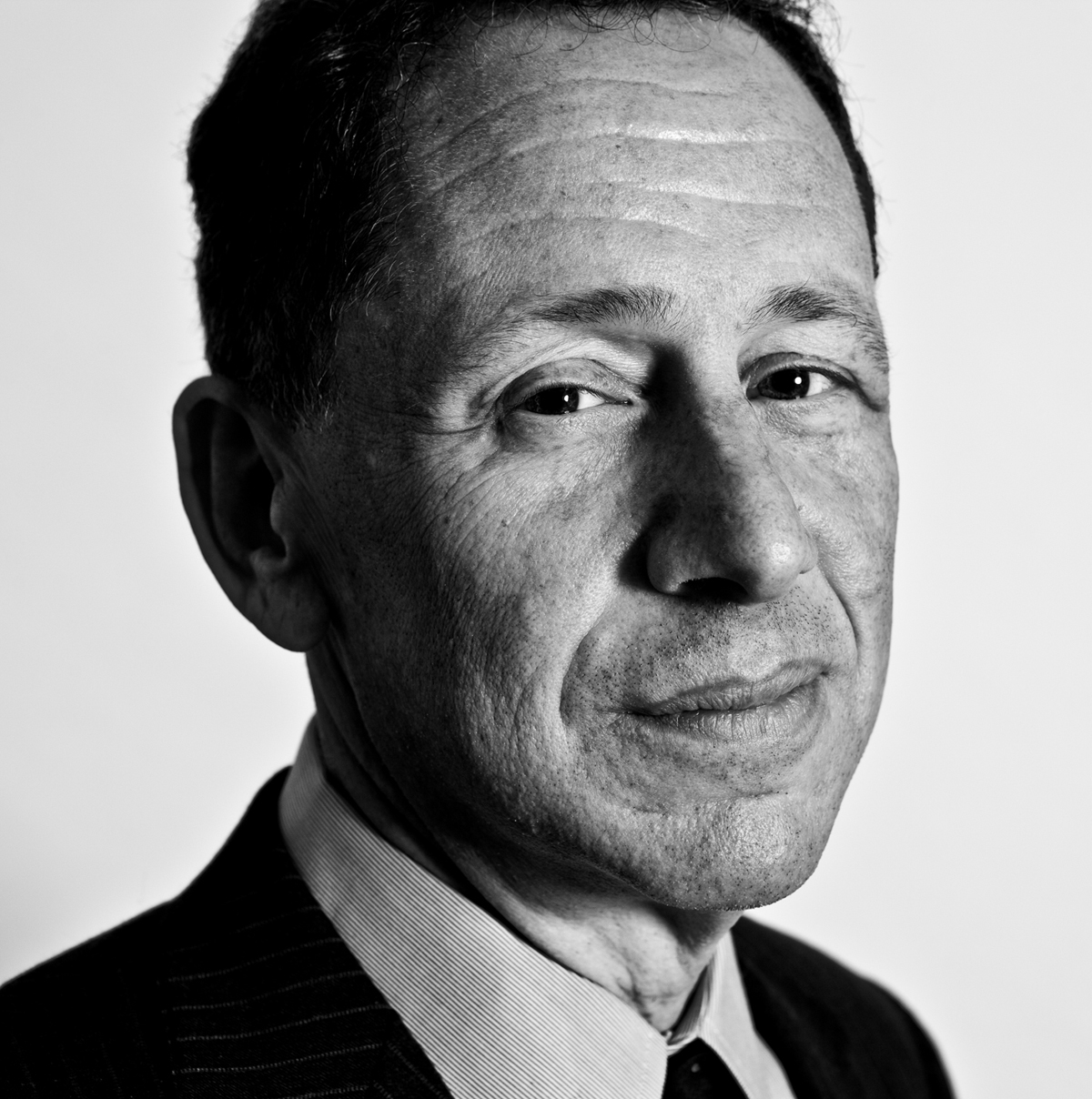
David Rothkopf was a visiting scholar at the Carnegie Endowment as well as the former CEO and editor in chief of the FP Group.
Recent Work
David Rothkopf
David Rothkopf
Carnegie does not take institutional positions on public policy issues; the views represented herein are those of the author(s) and do not necessarily reflect the views of Carnegie, its staff, or its trustees.

Ongoing uncertainty in the Middle East allows Moscow to both increase its influence in Tehran and continue to enjoy the financial windfall of higher oil prices.

Nikita Smagin
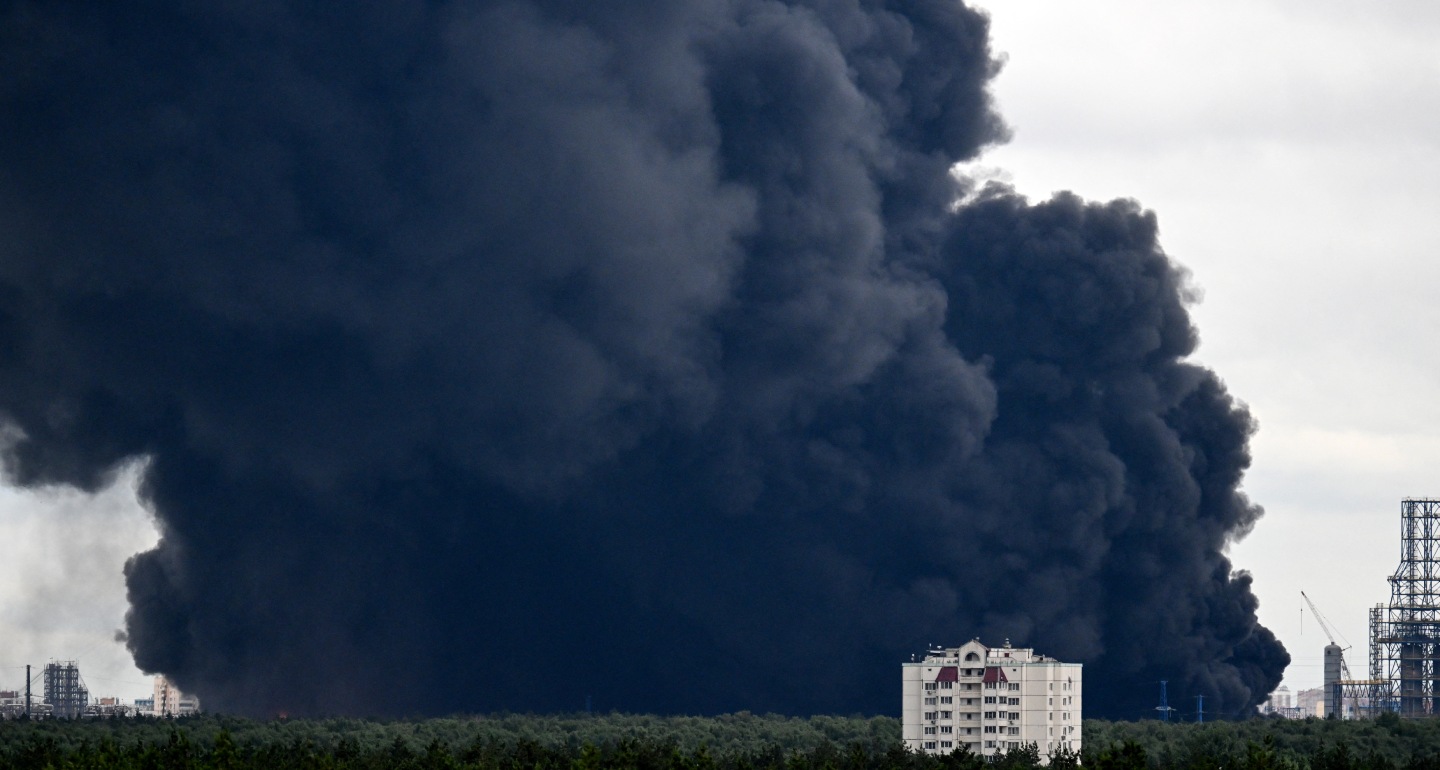
If it proves impossible for the Russian authorities to avoid a gasoline deficit, the question then becomes how they will organize the distribution of a scarce resource.

Sergey Vakulenko
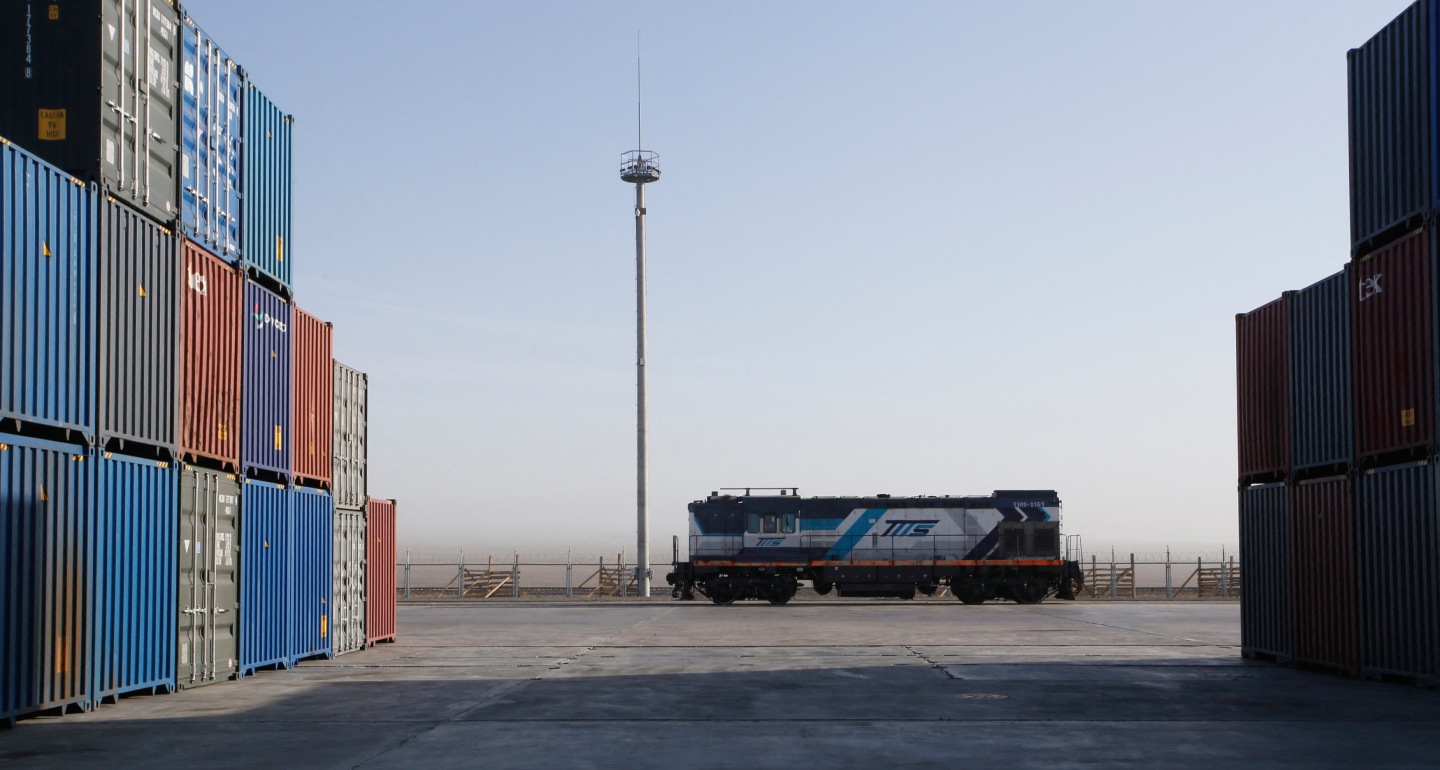
This year’s wars have made alternative routes to transit through Russia no less risky for Central Asian countries.

Galiya Ibragimova
Reestablishing a dialogue with Moscow is not a goal in its own right. The goal is to guarantee the independence of Ukraine and the peace and security of Europe.
Arkady Moshes
Ukraine’s increasingly confrontational posture on Belarus reflects Kyiv’s effort to shape the emerging regional order in Eastern Europe. Kyiv wants to limit European normalization with Minsk—and any future rapprochement with Russia.

Balázs Jarábik