

Paper
Chung Min Lee
{
  "authors": [
    "Chung Min Lee"
  ],
  "type": "other",
  "centerAffiliationAll": "dc",
  "centers": [
    "Carnegie Endowment for International Peace"
  ],
  "collections": [
    "Inside Korea"
  ],
  "englishNewsletterAll": "asia",
  "nonEnglishNewsletterAll": "",
  "primaryCenter": "Carnegie Endowment for International Peace",
  "programAffiliation": "AP",
  "programs": [
    "Asia"
  ],
  "projects": [],
  "regions": [
    "North America",
    "United States",
    "East Asia",
    "South Korea",
    "Japan"
  ],
  "topics": [
    "Political Reform",
    "Foreign Policy",
    "Global Governance"
  ]
}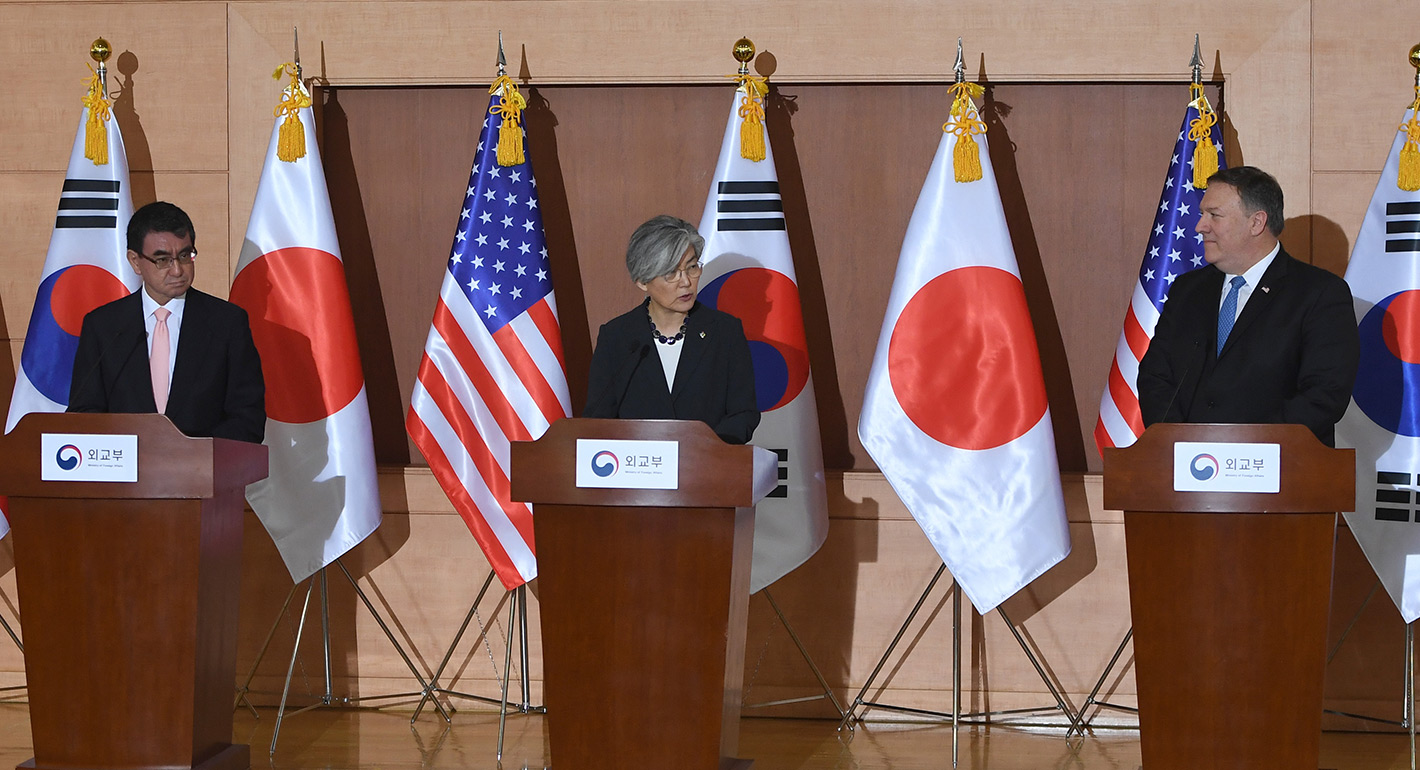
Source: Getty
The U.S.-South Korean-Japanese trilateral relationship is more salient than ever in the aftermath of the accelerated nuclear weapons and ballistic missile programs of the Democratic People’s Republic of Korea.
Source: Atlantic Council
What are the contours, challenges, and opportunities in the all-important US-South Korean-Japanese trilateral security relationship during a period of rapidly evolving geopolitics in and around the Korean Peninsula? The trilateral relationship is more salient than ever in the aftermath of the accelerated nuclear weapons and ballistic missile programs of the Democratic People’s Republic of Korea. Although assessing the intensity and depth of trilateral security cooperation or a lack thereof is hardly a new issue, the stakes are arguably the highest since the outbreak of the North Korean nuclear crisis in the early 1990s. In this Atlantic Council report, Dr. Chung-min Lee tackles the important questions of how the trilateral security relationship will respond to developments on the Korean Peninsula, and what the road ahead for the US-South Korean-Japanese relationship look like.
This article was originally published by the Atlantic Council.
Senior Fellow, Asia Program
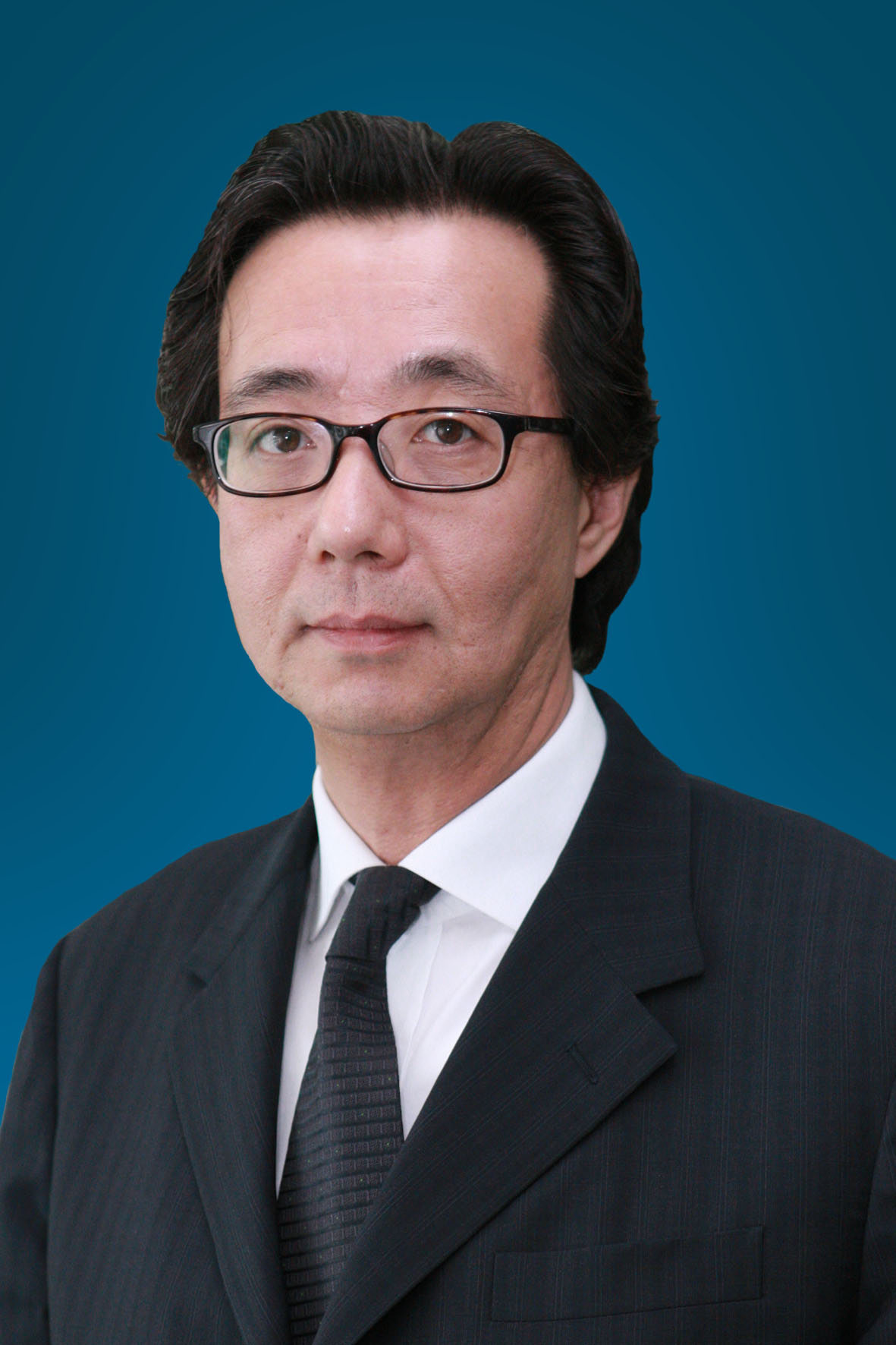
Chung Min Lee is a senior fellow in Carnegie’s Asia Program. He is an expert on Korean and Northeast Asian security, defense, intelligence, and crisis management.
Recent Work
Chung Min Lee
Carnegie does not take institutional positions on public policy issues; the views represented herein are those of the author(s) and do not necessarily reflect the views of Carnegie, its staff, or its trustees.

It’s true that many Armenians would vote for anyone just to be rid of Pashinyan, whom they blame for the loss of Nagorno-Karabakh, but the pro-Russia opposition is unlikely to be able to channel that frustration into an electoral victory.

Mikayel Zolyan

Orbán created an image for himself as virtually the only opponent of aid to Ukraine in the entire EU. But in reality, he was simply willing to use his veto to absorb all the backlash, allowing other opponents to remain in the shadows.

Maksim Samorukov
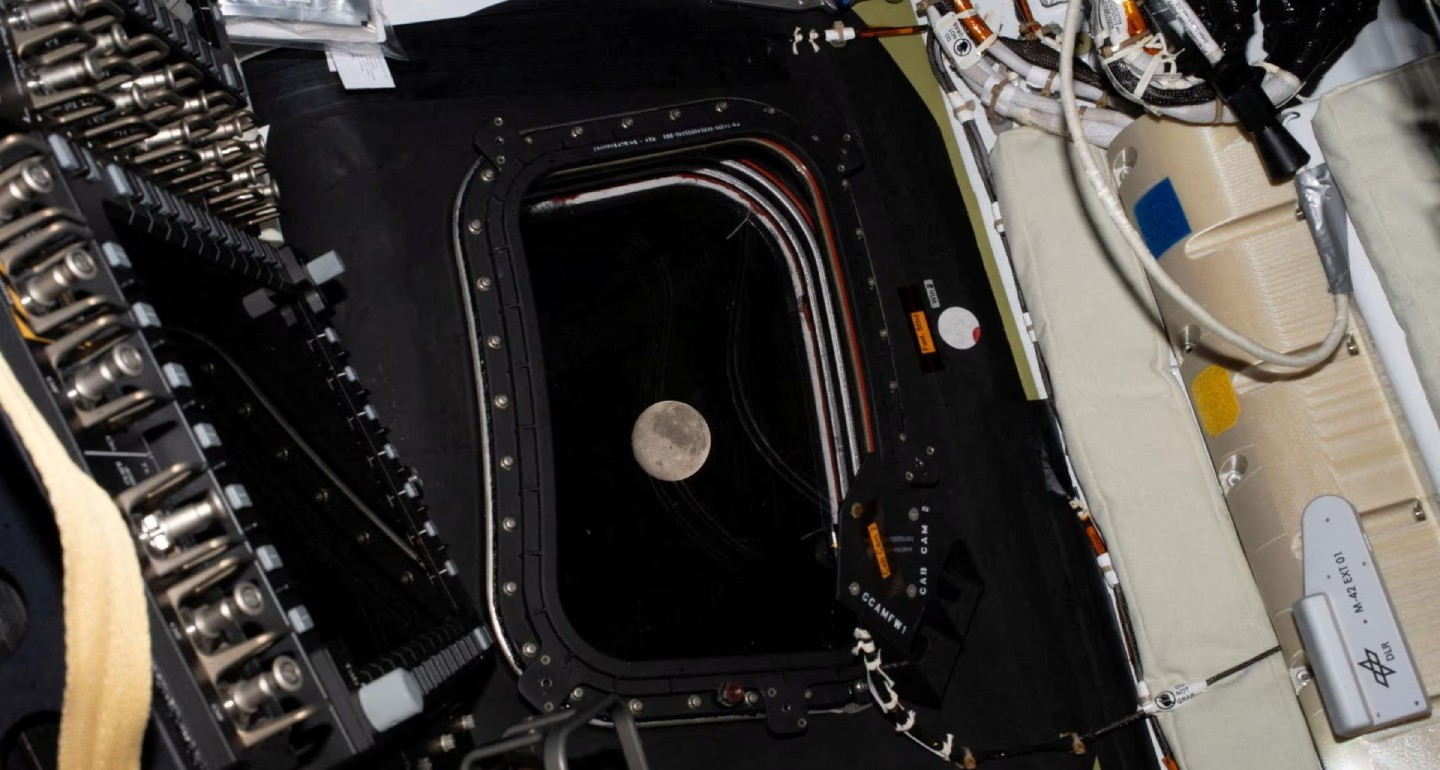
Despite having the resources and expertise, the Russian space industry missed the opportunity to offer the United States or China a mutually rewarding partnership in the lunar race.

Georgy Trishkin

Central Asia’s digital ambitions are achievable, but only if policy is aligned with the region’s physical constraints.

Aruzhan Meirkhanova
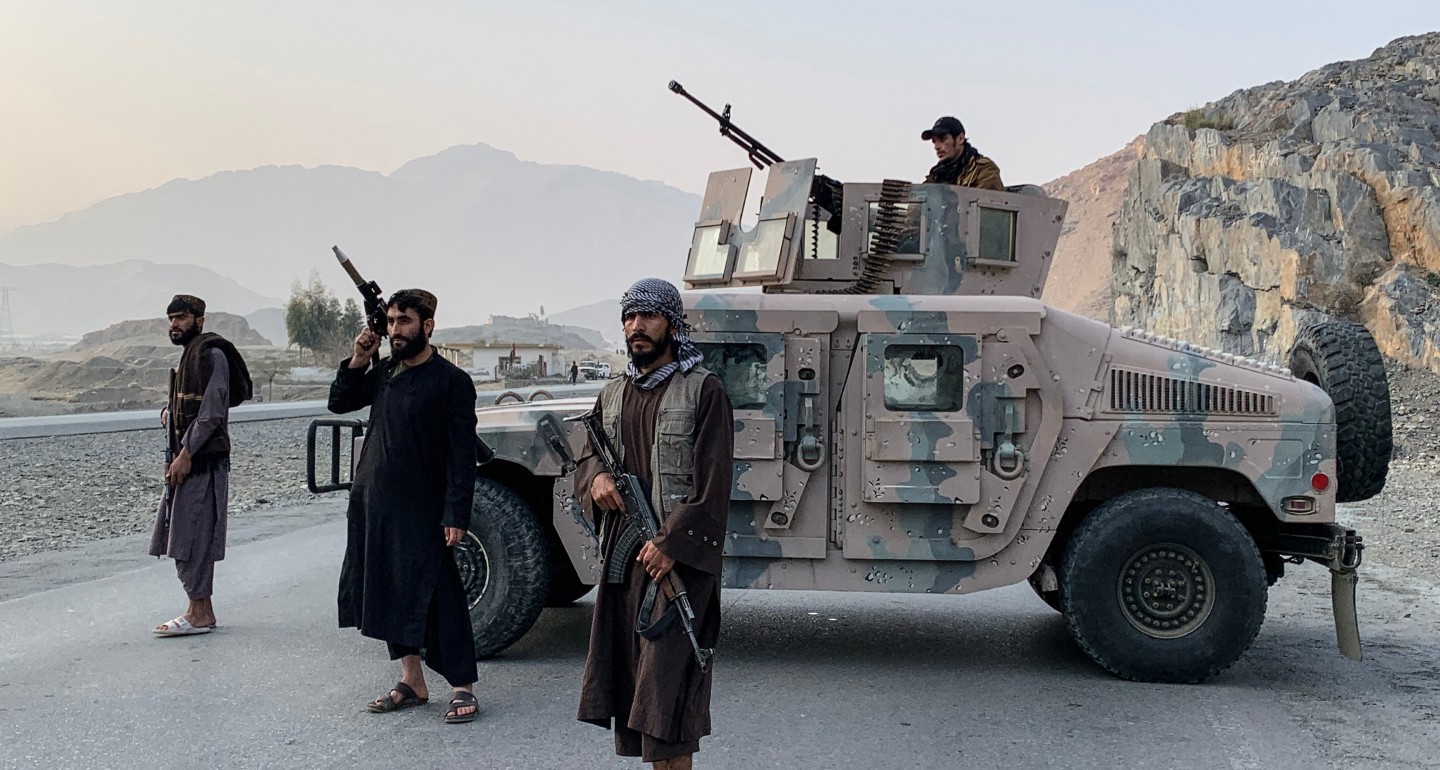
Not only does the fighting jeopardize regional security, it undermines Russian attempts to promote alternatives to the Western-dominated world order.

Ruslan Suleymanov