

Commentary
Russia looks set to reap economic benefits from closer ties with Southeast Asian countries that are keen to find reliable energy suppliers and diversify trade ties.
Alexander Gabuev
{
  "authors": [
    "Ashley J. Tellis",
    "Alison Szalwinski",
    "Michael Wills"
  ],
  "type": "legacyinthemedia",
  "centerAffiliationAll": "dc",
  "centers": [
    "Carnegie Endowment for International Peace"
  ],
  "collections": [],
  "englishNewsletterAll": "ctw",
  "nonEnglishNewsletterAll": "",
  "primaryCenter": "Carnegie Endowment for International Peace",
  "programAffiliation": "SAP",
  "programs": [
    "South Asia"
  ],
  "projects": [],
  "regions": [
    "United States",
    "South Asia",
    "India",
    "East Asia",
    "China"
  ],
  "topics": [
    "Security",
    "Military",
    "Foreign Policy"
  ]
}
Source: Getty
As China grows in power, how does the country seek to reshape the international system to serve its strategic aims?
Source: National Bureau of Asian Research
Dan Aum interviews Ashley J. Tellis, Alison Szalwinski, and Michael Wills, co-editors of Strategic Asia 2019: China’s Expanding Strategic Ambitions, the latest volume in the Strategic Asia series. They discuss how China seeks to reshape the international system to serve its strategic aims, regional actors and the variables they present to China’s rise, and policy options for the United States and its partners to address the challenges posed by a rising China.
Ashley J. Tellis is a counselor at NBR. He holds the Tata Chair for Strategic Affairs and is a senior fellow at the Carnegie Endowment for International Peace. He has served as the research director of the Strategic Asia program at NBR and a co-editor of the program’s annual volume since 2004.
Alison Szalwinski is senior director of political and security affairs at NBR.
Michael Wills is the executive vce president at NBR.
This podcast is part of the Strategic Asia Program by the National Bureau of Asian Research.
Former Senior Fellow
Ashley J. Tellis was a senior fellow at the Carnegie Endowment for International Peace.
Alison Szalwinski
National Bureau of Asian Research
Alison Szalwinski is assistant director for political and security affairs at NBR.
Michael Wills
National Bureau of Asian Research
Michael Wills is senior vice president for strategy and finance at NBR.
Carnegie does not take institutional positions on public policy issues; the views represented herein are those of the author(s) and do not necessarily reflect the views of Carnegie, its staff, or its trustees.
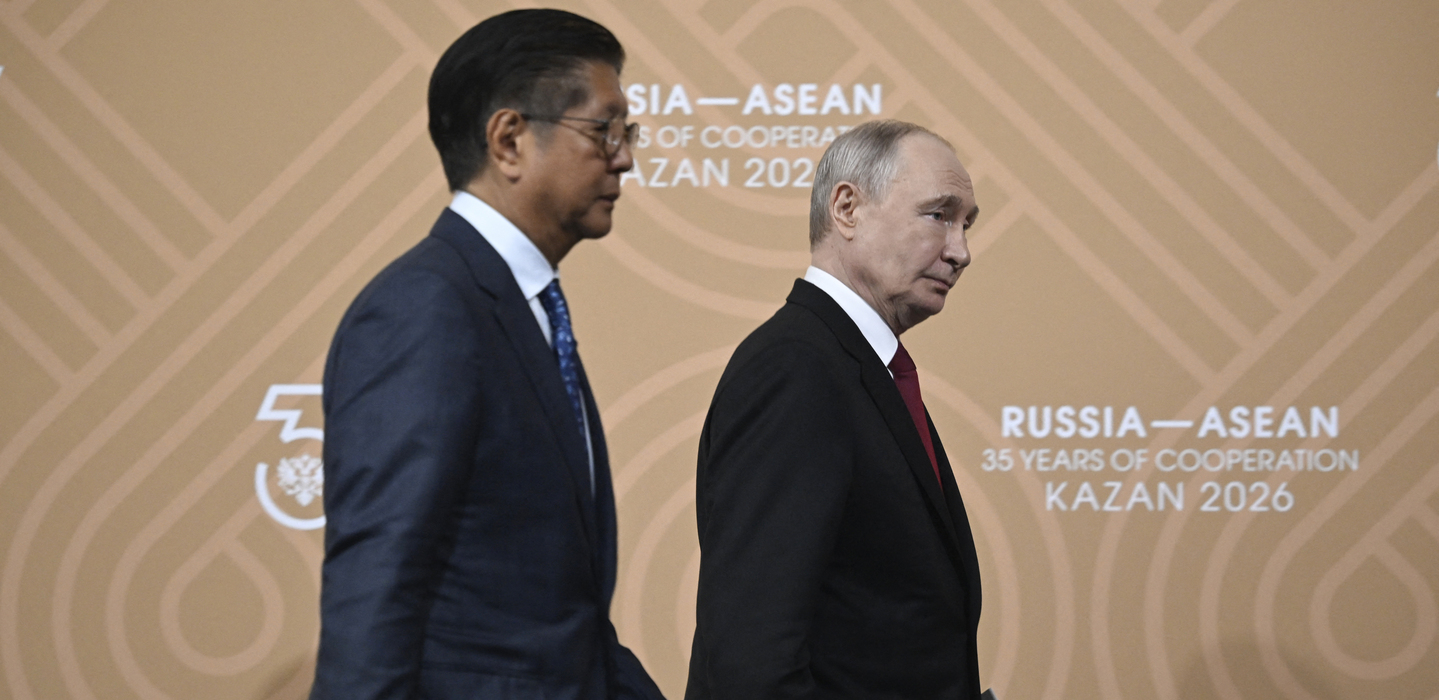
Russia looks set to reap economic benefits from closer ties with Southeast Asian countries that are keen to find reliable energy suppliers and diversify trade ties.

Alexander Gabuev
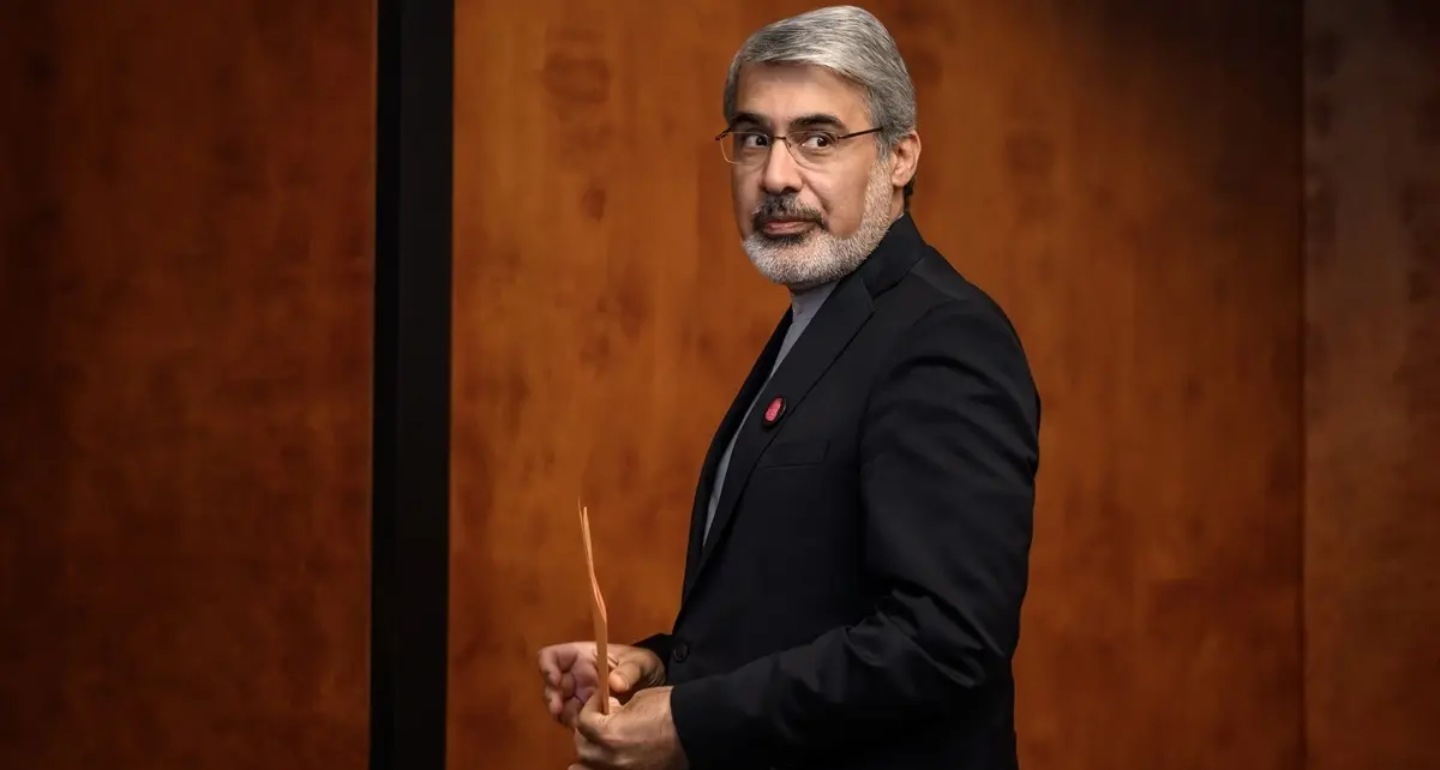
Ongoing uncertainty in the Middle East allows Moscow to both increase its influence in Tehran and continue to enjoy the financial windfall of higher oil prices.

Nikita Smagin
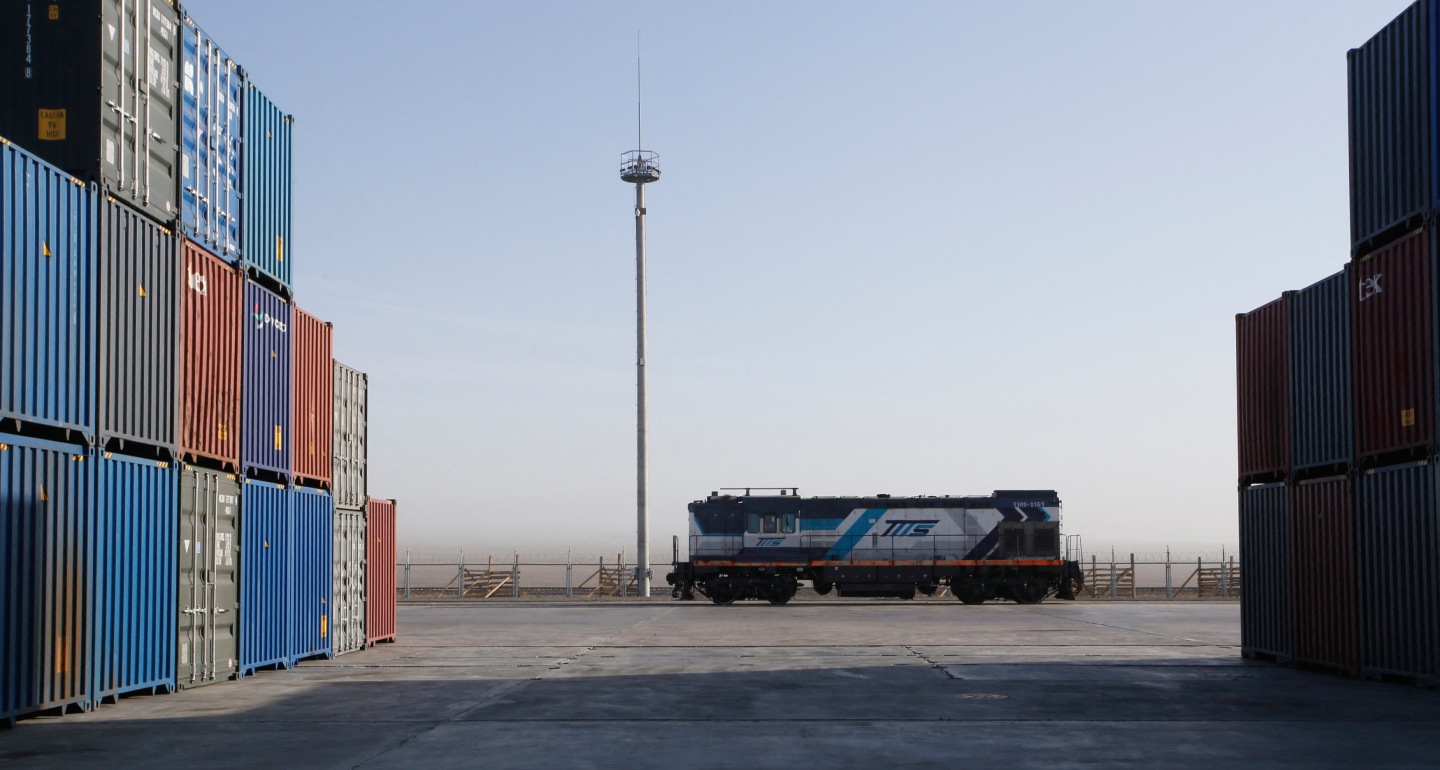
This year’s wars have made alternative routes to transit through Russia no less risky for Central Asian countries.

Galiya Ibragimova
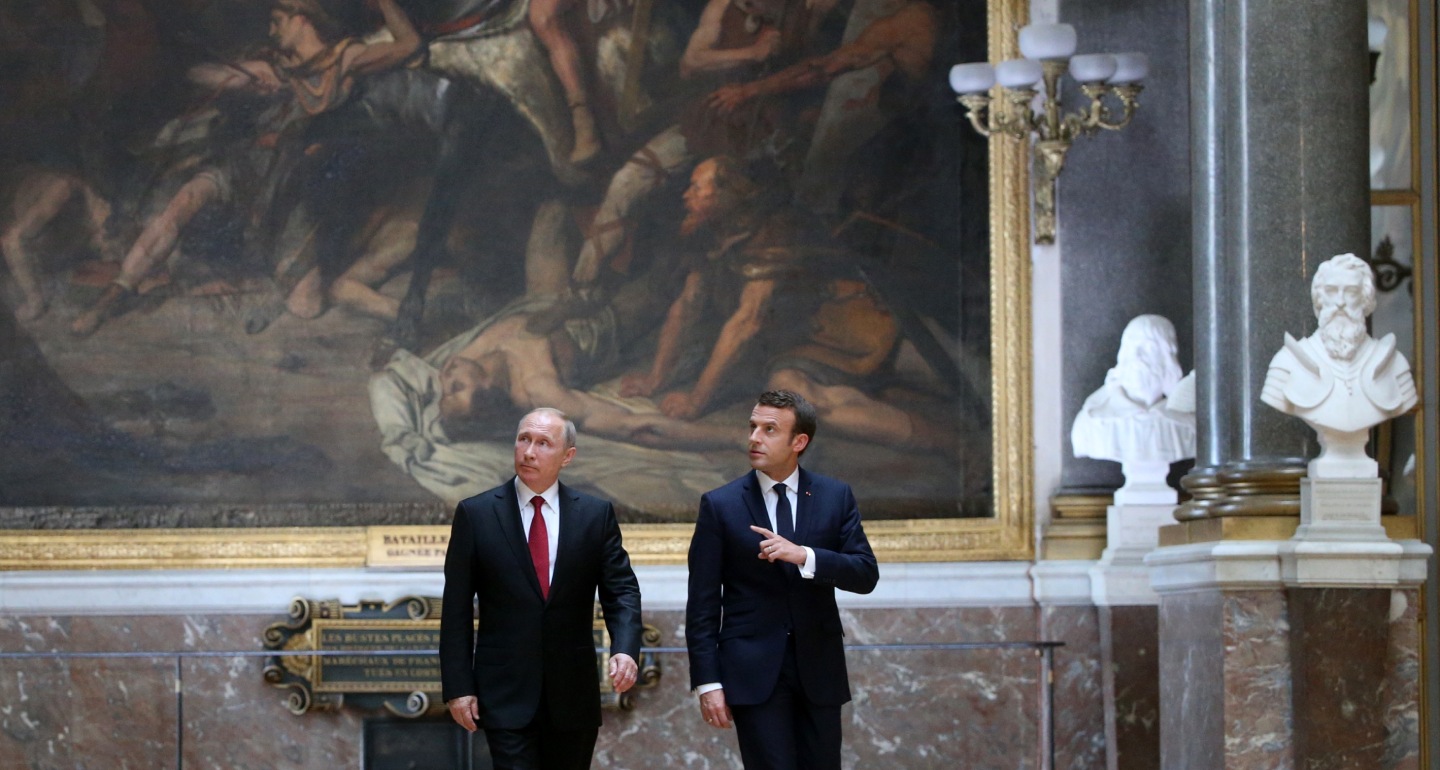
Reestablishing a dialogue with Moscow is not a goal in its own right. The goal is to guarantee the independence of Ukraine and the peace and security of Europe.
Arkady Moshes
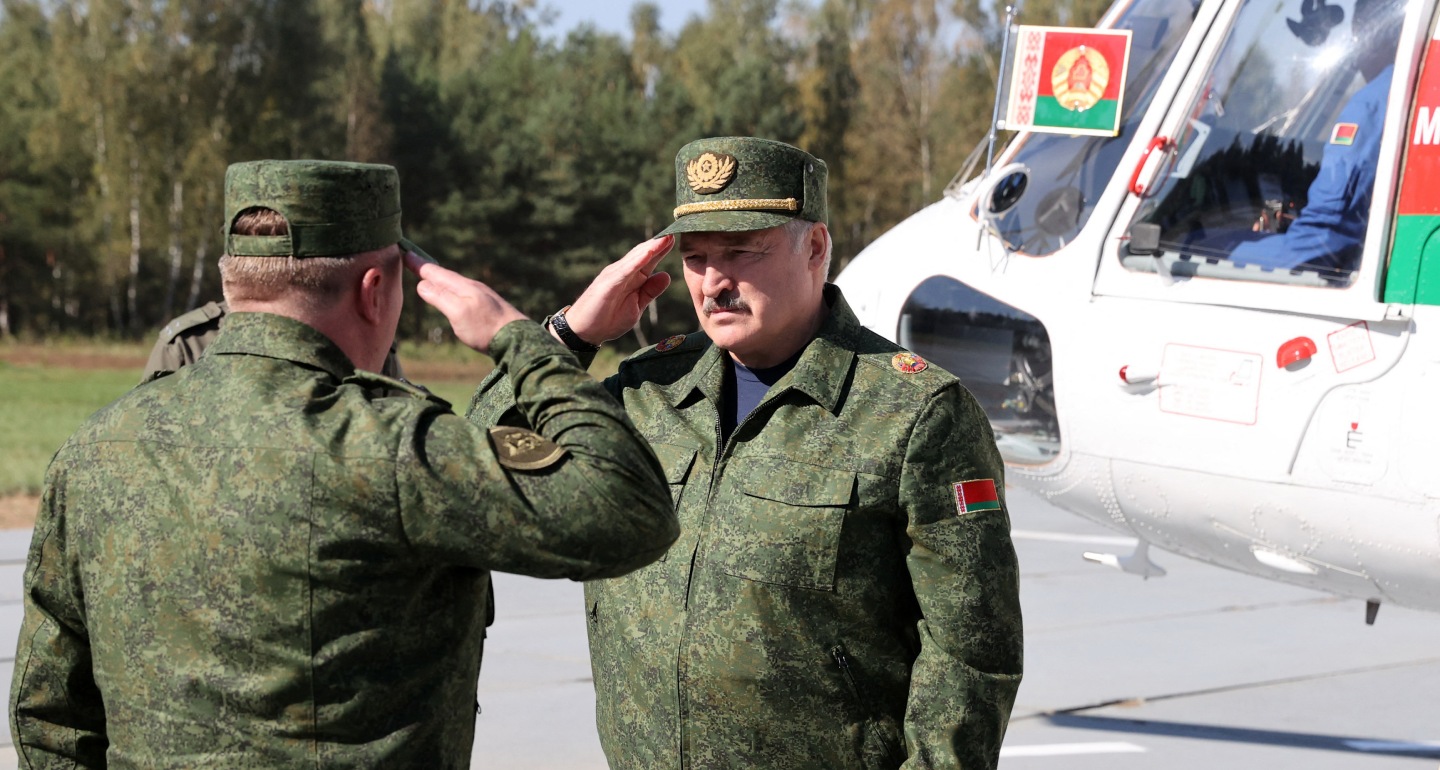
Ukraine’s increasingly confrontational posture on Belarus reflects Kyiv’s effort to shape the emerging regional order in Eastern Europe. Kyiv wants to limit European normalization with Minsk—and any future rapprochement with Russia.

Balázs Jarábik